Vietnam Travel Blog

Calling all nature lovers, adventurers, and curious travelers—from seasoned spelunkers to first-time cave explorers—Vietnam awaits with a breathtaking selection of caves carved by time and mystery. This captivating country is home to some of the most extraordinary subterranean wonders in the world, each offering a journey into nature’s raw beauty, complete with dramatic rock formations, underground rivers, and magical light. Join us as we explore nine of the most remarkable caves in Vietnam that deserve a spot on every explorer’s list.

1. Son Doong: The World’s Largest Cave 

Nested within Phong Nha-Kẻ Bàng National Park in Quảng Bình Province, Son Doong Cave is the largest in the world. Spanning 5 kilometers in length, 200 meters in height, and 150 meters in width, it could easily accommodate a 40-story skyscraper. It contains a self-contained ecosystem with its own forest and weather system. First discovered in 1991 by a local named Hồ Khanh, the cave gained global recognition in 2010 following official exploration by British spelunkers.

Due to its ecological significance, access is limited to a small number of guided expeditions each year, exclusively operated by Oxalis Adventures. These tours last around five days and cost approximately $3,000 USD. Inside, expect towering stalagmites, surreal landscapes, and the ethereal ambiance of an untouched world.

2. Phong Nha Cave: Vietnam’s Aquatic Marvel 

Often referred to as “Nam Thiên Đệ Nhất Động” (the most beautiful cave in Vietnam), Phong Nha Cave features a mesmerizing underground river navigable by boat. Located in Phong Nha-Kẻ Bàng National Park, this cave boasts 250 million years of geological history and has been recognized by UNESCO since 2003.

Ancient Cham people once used the cave as a sacred Hindu sanctuary. Even today, spiritual relics such as altars and inscriptions remain visible. Visitors can enjoy a serene boat ride through the cave, followed by a climb to Tiên Sơn, a dry cave with striking formations.

3. Hang Thien Duong (Paradise Cave): The Underground Cathedral 

Discovered in 2005 by the British Caving Association, Paradise Cave lives up to its name. With its stunning variety of stalactites and stalagmites, this 36-kilometer-long dry cave is among the longest in Asia. Visitors can choose a short 1-kilometer wooden walkway tour or embark on a more challenging 7-kilometer night trek.

4. Hang Toi (Dark Cave): The Adventurer’s Playground 

For thrill-seekers, Hang Tôi offers a truly immersive experience. Access begins with Vietnam’s longest zipline, followed by a headlamp-guided trek through pitch-black chambers. The adventure continues with barefoot exploration in sticky mud and swimming in underground rivers before kayaking back to daylight.

5. Hang En (Swallow Cave): Giant with Wings 

Named after the swallows that inhabit it, Hang Én is Vietnam’s second-largest cave and the world’s third-largest. Spanning over 2 kilometers with an entrance over 120 meters high, it provides shelter from extreme weather and is part of the Son Doong expedition route.

6. Halong Bay Caves: Scenic Treasures Amidst Karst Peaks 

Halong Bay is renowned for its emerald waters and limestone islets, but it also shelters over 50 caves. The most famous is Sung Sốt (Surprise Cave), discovered in 1901. Other noteworthy caves include Thien Cung (Heavenly Palace), Dau Go (Wooden Stakes), and Me Cung (Maze Cave), each with distinctive formations and captivating myths.

7. Tam Coc Caves: Serene River Passage 

Located in Ninh Binh Province, Tam Cốc, or “Three Caves,” comprises Hang Cả, Hang Hai, and Hang Ba. Travelers explore these via peaceful row boat tours that glide through limestone cliffs and lush rice paddies. Rowers use their feet to paddle, adding a touch of local charm to the journey.

Explore three natural caves of Tam Coc

8. Tu Lan Cave System: A Movie-Worthy Wilderness 

Famous for appearing in the film Kong: Skull Island, the Tu Lan Cave System features a dozen unique caves surrounded by waterfalls and jungle. Located 70 kilometers from Phong Nha, it offers challenging hikes, cave swims, and jungle camping. This experience is ideal for those in top physical shape.

9. Nguom Ngao Cave: The Glittering Secret of the North 

Close to the Ban Gioc Waterfalls in Cao Bang Province, Nguom Ngao (“Tiger Cave”) stretches 2.1 kilometers, though only about half is open to the public. Known for its rare mineral-rich formations and enchanting names like the “Four Celestial Columns” and “Jewel Chamber,” the cave reveals a unique visual palette of color and light.

Caving Tips for Vietnam Adventures

  • Wear suitable footwear and moisture-wicking clothing.
  • Bring a flashlight, though most guided tours provide them.
  • Carry water, snacks, and a waterproof bag for valuables.
  • Always go with certified guides for safety and conservation.

From lush underground jungles to silent stone cathedrals, Vietnam’s caves are nature’s poetry carved in stone. Whether you’re a trekker, a history buff, or simply a traveler seeking awe, these subterranean gems promise unforgettable experiences. Get ready to explore a side of Vietnam few ever witness!

When talking about Vietnamese cuisine, dishes like the aromatic phở, the fiery bún bò Huế, or the crunchy bánh mì often steal the spotlight. But there’s another traditional treasure you shouldn’t miss: bún riêu. This crab-based noodle soup is a masterful blend of flavors — tangy, savory, and deeply comforting — offering a taste of Vietnam in every spoonful.

A Timeless Street Food Experience

Bún riêu holds a cherished place in Vietnam’s rich culinary landscape, especially in Hanoi, where it’s a staple of the bustling street food scene. Vendors set up their pots along busy sidewalks, serving hot bowls to customers perched on low plastic stools — a signature experience for anyone exploring Vietnamese street food culture.

Here, it’s not just about the food; it’s about sharing a slice of daily life, feeling the pulse of the city while enjoying a steaming, fragrant bowl of soup.

What Makes a Great Bowl of Bún Riêu?

A delicious serving of bún riêu depends on the quality and harmony of its core ingredients:

  • Cua đồng (field crab): The foundation of the broth, these freshwater crabs are blended to extract meat and juice that give the soup its distinctive depth.
  • Tomatoes: Contribute vibrant color and a natural tartness to balance the umami notes.
  • Fried tofu: Absorbs the broth beautifully while adding soft texture.
  • Mắm tôm (fermented shrimp paste): An essential flavor booster, bold and pungent.
  • Rice vermicelli noodles (bún): Light and springy, the noodles serve as the perfect base.
  • Fresh herbs and vegetables: Ingredients like shredded banana blossom, perilla, mint, and Thai basil offer brightness and crunch.

The Craft Behind the Flavor

A Rich and Flavorful Broth

The heart of bún riêu lies in its broth. Fresh crab juice is strained and simmered until the meat rises and binds into delicate clusters. Tomatoes are sautéed and added, followed by fermented shrimp paste to deepen the aroma and flavor.

Tender Crab Mixture (Riêu)

To create the fluffy crab topping, the crab meat is mixed with beaten eggs, ground pork, and sometimes dried shrimp. When added to the broth, this mixture forms tender, savory chunks that melt in the mouth.

Flavor-Enhancing Condiments

The dish is often served with:

  • A dash of mắm tôm to intensify the savory base
  • A squeeze of lime or rice vinegar for brightness
  • Chili slices for those who enjoy a spicy kick

Regional Variations from North to South

In the North: Simplicity and Elegance

Northern bún riêu is known for its clarity and balance. The broth is light, with a touch of sourness from giấm bỗng (fermented rice vinegar). The dish usually features crab riêu, tomatoes, and tofu. Occasionally, beef is added to enrich the texture, but it’s the refined taste and traditional flavor that define the Hanoi version. Mắm tôm is often served on the side for diners to customize.

In the South: Rich and Layered

Southern-style bún riêu is heartier and more colorful. The broth is deeply seasoned and might include sweet notes from tamarind or sugar. It comes with an array of additions like pork hock, congealed pig’s blood, snails, and even chả giò (fried pork roll). This version is a bolder, more indulgent interpretation of the original, reflecting the diversity of southern Vietnamese palates.

Try It at Home: A Simplified Recipe

Ingredients (serves 4):

  • 500g fresh or canned crab meat
  • 3 ripe tomatoes
  • 200g fried tofu
  • 300g rice vermicelli
  • 2 eggs
  • 100g ground pork (optional)
  • 1 tbsp mắm tôm (fermented shrimp paste)
  • 1 liter chicken stock or water
  • 1 tbsp fish sauce
  • 1 tbsp lime juice or rice vinegar
  • 1 onion, 1 garlic clove
  • Fresh herbs (mint, Thai basil, cilantro)
  • Lime wedges and fresh chili

Steps:

  1. Prepare the crab juice: Blend crab meat with water, strain to collect the juice, and set aside.
  2. Cook the broth: Sauté onion and garlic, add tomato wedges, then pour in the broth. Stir in shrimp paste and crab juice. Simmer until crab solids float.
  3. Make the riêu mixture: Combine crab meat, eggs, and pork (if using). Gently spoon into the simmering broth.
  4. Add tofu: Let the tofu simmer in the broth for 10 more minutes.
  5. Cook noodles: Boil vermicelli according to package instructions.
  6. Serve: In a bowl, layer vermicelli, pour the broth and crab mixture on top, and finish with herbs, lime, and chili.

Where to Eat Bún Riêu in Vietnam

In Hanoi:

  • Bún Riêu Cô Hoàn – 14 Hàng Lược, Hoàn Kiếm (6:00–13:00)
  • Bún Riêu Cô Dung – 18 Nguyễn Siêu, Hoàn Kiếm (6:30–14:00, 17:00–23:00)
  • Bún Riêu Hàng Bạc – 11 Hàng Bạc, Hoàn Kiếm (7:00–20:00)

In Ho Chi Minh City:

  • Bún Riêu Gánh Chợ Bến Thành – 4 Phan Bội Châu, District 1
  • Cô Hương Béo – 19B Nguyễn Thị Minh Khai, Bến Nghé, District 1

More Than a Meal — A Taste of Vietnam’s Culinary Identity

Bún riêu isn’t just a soup — it’s a window into the traditions, flavors, and ingenuity of Vietnamese cuisine. Whether you enjoy it on a street corner in Hanoi, a hidden spot in Saigon, or recreate it in your kitchen, every bite carries the warmth and richness of Vietnam’s culinary soul.

If you’re planning a food journey through Vietnam or simply seeking an unforgettable dish, bún riêu absolutely deserves a place on your must-try list.

When in Hanoi, make it a point to explore its weekend night markets — places where commerce meets culture in a lively blend of neon lights, unique finds, and street food wonders. Whether you’re looking for souvenirs or simply seeking a slice of local life, these markets deliver both excitement and authenticity.

What Awaits You at Hanoi’s Night Markets?

Hanoi’s night markets aren’t just places to shop — they’re entire experiences. From inexpensive clothes, accessories, handicrafts, and quirky souvenirs to original artworks, you’ll find endless things to browse. Don’t shy away from bargaining either — haggling is not only expected but part of the fun.

Once the shopping spree is done, the food stalls await. From steaming bowls of pho to crunchy bánh mì, sizzling skewers, and sweet treats like chè, these night markets double as food havens. Come with an appetite!

The atmosphere adds another layer of charm — live traditional music, street performances, and the hustle and bustle of local crowds create a setting that’s both energizing and immersive. Whether you’re people-watching or enjoying the rhythmic beats echoing down lantern-lit streets, Hanoi’s night markets offer more than just retail therapy.

1. Old Quarter Weekend Night Market – The Heart of Hanoi’s Nightlife

Arguably the most iconic of all, the night market in Hanoi’s Old Quarter draws both tourists and locals every weekend. Stretching from Hang Dao Street near Hoan Kiem Lake, it winds through Hang Ngang and Hang Duong, ending just outside Dong Xuan Market.

Open from 6 p.m. to 11 p.m. on Fridays, Saturdays, and Sundays, this market becomes a pedestrian-only zone, ideal for leisurely strolls. Visitors can browse for souvenirs, snacks, and handmade goods while soaking up the lively energy of the city’s historic core.

Don’t miss the nearby cultural showcases — traditional folk performances and vibrant street acts are common along the market route. Afterward, you can relax at the many cafes, bars, or eateries lining the Old Quarter’s atmospheric streets. This area is also famous for its street food, considered among the best in Southeast Asia.

2. Dong Xuan Night Market – A Cultural and Commercial Landmark

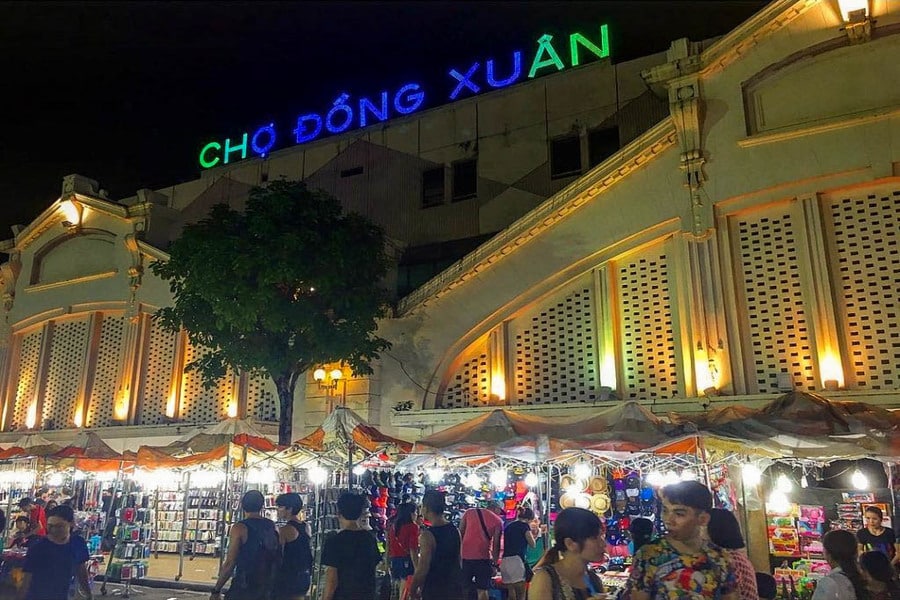
Built in 1889 during French colonial rule, Dong Xuan Market is one of Hanoi’s oldest and most historically significant markets. While it may not match the flair of the weekend market, Dong Xuan is beloved for its deep connection to local life and commerce.

Inside the multi-story complex, vendors sell everything from clothing, bags, and electronics to handicrafts, household goods, and traditional Vietnamese items like silk, lacquerware, and bamboo products. Much of the inventory is sold wholesale, making this a key location for traders and resellers.

A visit here offers a glimpse into the everyday shopping habits of Hanoians and allows for authentic encounters that go beyond the tourist trail. For the freshest finds, don’t miss the produce section, bustling with seasonal fruits, seafood, herbs, and spices.

3. Quang Ba Flower Market – Hanoi in Bloom, All Night Long

A feast for the senses, Quang Ba Flower Market on Nghi Tàm Street is Hanoi’s largest wholesale flower market. Operating from midnight until dawn, it’s where vendors gather to trade blossoms trucked in from local farms and the famed flower-growing city of Da Lat.

The market is most vibrant during Tết (Lunar New Year), when flowers are bought in bulk for homes, shops, and ancestral altars. Walking through Quang Ba at 3 a.m., you’ll witness an explosion of color and fragrance — lilies, orchids, daisies, and more. It’s a quiet yet beautiful part of Hanoi’s nightly rhythm, filled with symbolic meaning and cultural pride.

4. Long Bien Night Market – Where Hanoi’s Produce Comes to Life

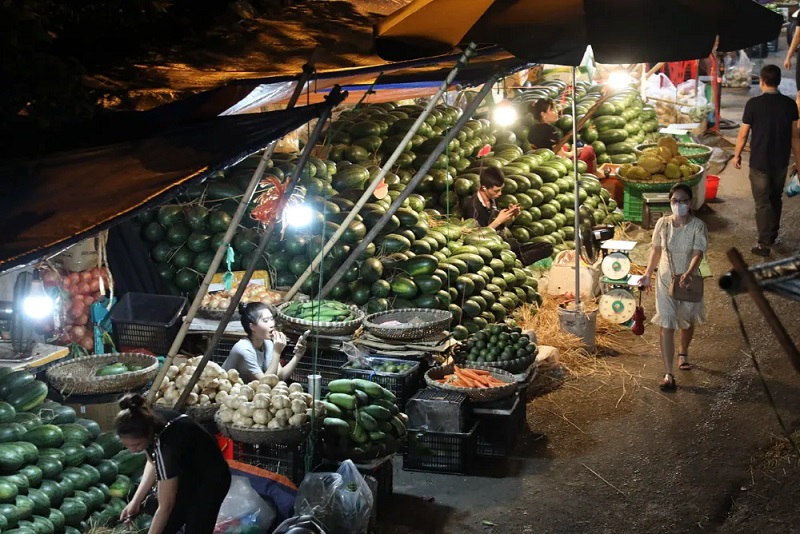
Beneath the historic Long Bien Bridge — once known as Paul Doumer Bridge — lies a bustling night market that fuels the city’s food supply. Long Bien Night Market operates from 11 p.m. to 5 a.m., delivering a fast-paced spectacle of trucks, crates, and crates of produce.

Roughly 70-80% of Hanoi’s fresh fruits and vegetables flow through this wholesale hub. Sellers from neighboring provinces arrive nightly to unload goods that local grocers, restaurants, and vendors will sell across the city come morning.

There’s also a section for seafood and other perishables, making this one of the most dynamic and essential markets in northern Vietnam. Visiting Long Bien offers a gritty yet captivating glimpse into Hanoi’s economic engine.

5. Hoang Hoa Tham Market – A Paradise for Antique Hunters

Tucked away in Hanoi, Hoang Hoa Tham Market is a rare gem for collectors, artisans, and anyone passionate about Vietnamese antiques. Open mainly on weekends, this market draws a niche crowd interested in cultural heritage and historical craftsmanship.

Here, you’ll find everything from porcelain, jade, bronzeware, and ancient coins to handmade textiles and lacquer furniture. Some pieces are genuine antiques, while others are quality reproductions. The market’s quiet charm and eclectic mix make it a refreshing contrast to Hanoi’s louder, busier markets.

For the best experience, come early in the morning to avoid the crowds and allow time to explore at your own pace.

Hanoi’s night markets are more than just places to shop — they’re living expressions of the city’s heart and heritage. Whether you’re browsing antiques, diving into street food, watching traditional performances, or simply wandering the lantern-lit alleys, these markets give you a full-bodied taste of Hanoi’s after-dark magic.

So, lace up your walking shoes, keep your camera ready, and dive into Hanoi’s vibrant night market scene. Each one offers a different flavor, but they all deliver an unforgettable local experience.


The practice of Mother Goddess Worship (Tín ngưỡng thờ Mẫu) stands as a deeply cherished spiritual tradition in Vietnam, one that has been cultivated, preserved, and handed down through generations. At its heart, this belief system reflects profound moral and humanistic values, rooted in the timeless Vietnamese proverb: “Uống nước nhớ nguồn” — “When drinking water, remember its source.” This encapsulates the cultural emphasis on gratitude, reverence, and honoring one’s ancestors.

Central to this spiritual path is the figure of the Mother, representing divine love, protection, and spiritual strength. Among the most mesmerizing elements of this worship is Hầu Đồng — a sacred ritual blending mysticism, performance, and deep devotion, bringing the essence of the Mother Goddess belief system to life.

1. What Is Hầu Đồng and Why Is It Performed?

Also known as Hầu Bóng or Đồng Bóng, Hầu Đồng is a form of mediumship that belongs to the spiritual tradition of Đạo Mẫu (Mother Goddess Worship), an indigenous religious practice rich in shamanistic elements. This belief system is shared among many Vietnamese communities and ethnic groups, where it plays a crucial role in spiritual life.

Hầu Đồng is more than a cultural performance — it is a revered spiritual ceremony. It is believed that during the ritual, deities or ancestral spirits temporarily possess the medium (ông đồng for males, bà đồng for females). Through the medium’s body, the spirits communicate messages, offer guidance, heal afflictions, and bestow blessings upon followers.

This ceremony is part of the Tứ Phủ belief structure, which worships deities of the Four Palaces — representing the realms of Heaven, Earth, Water, and Mountains. Each deity embodies a unique domain of power and influence, and the ritual allows worshippers to interact directly with them through the medium’s transformation.

In essence, Hầu Đồng is a sacred state of spiritual possession, where the medium channels the identity, behavior, and divine will of a specific deity. It is both a performance and a divine experience, marked by vibrant costumes, sacred music, and symbolic offerings.

2. Who Can Become a Medium in Hầu Đồng?

There is no formal doctrine or scholarly consensus on who may perform Hầu Đồng. However, most practitioners believe that those who take on the role of a medium must possess a spiritual predisposition, known as having a “căn đồng” — a spiritual calling or fate. This can be inherited through family lineage or manifested as a sensitivity to the spiritual world.

Individuals believed to have this calling may experience spontaneous spiritual possession (ốp đồng) when visiting temples or sacred sites. These people are often referred to as “người cao số” or “người hữu duyên” — meaning “a person of spiritual destiny” who shares a karmic bond with the deities of the Four Palaces.

If a person with a căn đồng fails to acknowledge or respond to their spiritual calling, they may face unexplained difficulties — such as ongoing illness, financial misfortune, or personal hardships that defy medical or logical explanation. Within this belief system, these troubles are thought to stem from neglecting the call of the spirits.

Participating in Hầu Đồng rituals is seen as a path to spiritual alignment and healing. Once someone begins their journey as a medium, they often perform rituals during important times of the year, particularly on spiritually significant occasions such as:

  • The 3rd lunar month – honoring the Mother Goddess
  • The 8th lunar month – in remembrance of the Father Deity

These ceremonies are not just performances, but moments of sacred communion between the human world and the divine.

3. How Is Hầu Đồng Performed?

Preparation Before the Ritual

The Hầu Đồng ceremony requires both spiritual intent and meticulous physical preparations. Though traditionally modest, the offerings (lễ trình đồng) have become increasingly elaborate over time. Essential items include:

  • Food and ritual offerings: Sticky rice, boiled meat, fresh fruits, betel nuts, rice wine, incense, votive papers, and symbolic money.
  • Ritual tray (kỷ tháp): A silk-draped platform topped with a mirror veiled in fine embroidery.
  • The Four Palaces’ trays: Representing Heaven, Earth, Water, and Mountains, each tray contains nine eggs, a comb, a fan, a single wooden sandal, and nine pieces of square cloth.
  • Additional sacred items: A small ritual goblet, basin, tray of phoenix-embroidered slippers, and 100 votive gold bars.
  • Symbolic effigies and vessels: Paper figures, two large votive boats with twelve rowers each, plus a pair of horses and elephants fully decorated with bridles and harnesses.

Beyond offerings, the ritual demands specific cultural and artistic elements:

  • Traditional orchestra: Featuring the đàn nguyệt (moon lute), đàn nhị (two-string fiddle), flute (sáo), large and small drums, cymbals (đảnh đôi), and rhythm sticks (phách). While instrument combinations vary by region, the moon lute, small drum, and cymbals are always central.
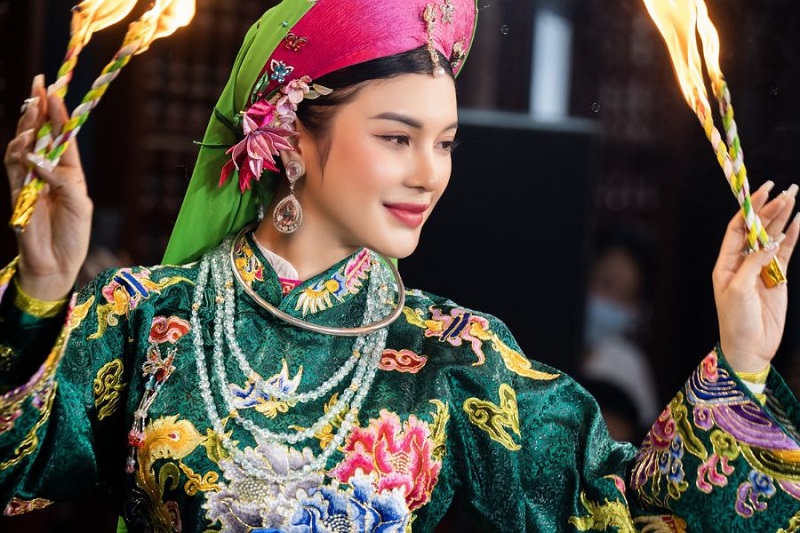
  • Costumes and accessories: Up to 36 elaborate outfits correspond to the 36 incarnations (Giá Đồng), each reflecting a different deity. Colors follow the Four Palaces’ codes: red for Heaven, yellow for Earth, white for Water, and green for Mountains & Forests. Accessories may include red veils, ceremonial scarves, colorful sashes, ivory tokens, silver jewelry, beaded necklaces, fans, and makeup items.

The Ritual Process

Each Hầu Đồng ceremony is a vivid expression of sacred embodiment. The Thanh đồng (medium) becomes a vessel for a deity, entering a spiritual state where divine energy flows through them.

Changing of Sacred Costumes: Each deity demands a specific costume. The medium changes attire before every incarnation, using the color scheme and design that reflect the corresponding Palace.

Lighting Incense and Inviting the Spirits: The ritual begins with lighting incense. Holding a cloth-wrapped incense bundle in one hand and gesturing with the other, the medium performs symbolic movements to purify the space and invite the divine.

Possession by the Deity: At the moment of possession, the medium drops the incense — a sign of full surrender to the spirit. From here on, their words and actions are believed to reflect the deity’s will.

Ritual Dance and Sacred Movement: The medium then performs a dance unique to the deity they embody, often using symbolic props like swords, sabers, halberds, fans, or simply their bare hands. These dances are highly theatrical, drawing influence from Chèo (Vietnamese folk opera) and other traditional performing arts.

Musicians and vocalists known as Cung Văn accompany the dances, singing Chầu Văn songs that recount the legends and virtues of the deity being channeled.

Bestowing Blessings (Ban Lộc): When the spirit is pleased, the medium offers blessings in the form of money, fruit, wine, or symbolic gifts. These tokens represent prosperity, healing, and divine favor. Participants eagerly receive them as signs of good fortune.

Spirit Departure: To close the incarnation, the medium becomes still, crosses their arms across the forehead, and shudders briefly — signaling the spirit’s exit. The cycle then begins again for the next deity.

4. Where Can You Witness a Hầu Đồng Ceremony?

Phủ Dầy (Nam Định)

Kim Thái Commune, Vụ Bản District

Considered the spiritual heart of Đạo Mẫu worship, Phủ Dày hosts Vietnam’s most grandiose Hầu Đồng event during the 3rd day of the 3rd lunar month, celebrating the Mother Goddess Liễu Hạnh with music, rituals, and thousands of pilgrims.

Phủ Tây Hồ (Hà Nội)

52 Đặng Thai Mai, Quảng An Ward, Tây Hồ District

A renowned spiritual site in Hanoi, especially vibrant on the 1st and 15th days of the lunar month. The main procession honoring Mother Liễu Hạnh takes place on the 3rd day of the 3rd lunar month, while Hát Chầu Văn performances enliven the 6th and 7th.

Đền Trần (Nam Định)

Trần Thừa Street, Lộc Vượng Ward, Nam Định City

Built in 1695 to honor the Trần Dynasty emperors, this temple hosts major spiritual ceremonies during the 15th to 20th days of the 8th lunar month.

Đền Bảo Hà (Lào Cai)

Bảo Hà Commune, Bảo Yên District, Lào Cai Province

Dedicated to the legendary General Hoàng Bảy, this temple attracts many devotees during the early days of the lunar new year, particularly on the 3rd and 4th days, and sees a surge in visitors during the year’s end.

Đền Mẫu (Hưng Yên)

141 Bãi Sậy Street, Quang Trung Ward

Honoring Lady Dương Quý Phi, this temple is most festive between the 10th and 15th of the 3rd lunar month, with a vibrant procession. The 14th of the 7th lunar month marks Mộc Dục Day, a sacred ritual involving ceremonial robe changes.

Đền Bà Chúa Kho (Bắc Ninh)

Cô Mễ Village, Vũ Ninh Ward, Bắc Ninh City

This temple is dedicated to Lady Chúa Kho, a protector of wealth and harvests. Her festival, held on the 10th of the 1st lunar month, launches a month-long series of rituals where followers seek blessings for financial well-being.

5. How to Respectfully Attend a Hầu Đồng Ceremony

If you plan to observe this sacred practice, here are key guidelines to show respect and gain a deeper experience:

  • Dress modestly: Choose respectful clothing in white, red, or yellow. Avoid flashy, revealing, or overly casual attire.
  • Honor the spiritual space: Stay calm and mentally open. Light meditation or quiet contemplation before attending can help you connect more meaningfully.
  • Remain quiet: Hầu Đồng is solemn. Refrain from talking, laughing, or causing disruption.
  • Pay attention: Observe the music, costumes, and rituals carefully — they are rich in meaning and tradition.
  • Engage with care: Only participate in rituals if invited. Never mimic or interrupt the medium or musicians.
  • Receiving blessings (Ban Lộc): If offered symbolic gifts or lucky money, accept them politely and calmly without disturbing others.

Hầu Đồng is far more than a spiritual performance — it is a vibrant, living heritage shaped by centuries of devotion, resilience, and cultural identity. This tradition bridges the visible and invisible worlds, offering participants not only blessings but also insight into Vietnam’s deep spiritual roots.

Whether you’re a curious traveler, cultural enthusiast, or spiritual seeker, witnessing Hầu Đồng can be a moving and transformative experience. Embrace the moment with an open heart — and if you’ve already experienced this sacred ritual, we’d love to hear your story.

Hoi An, the charming heritage town nestled in central Vietnam, offers more than its quaint ancient streets. Just a short distance away lies a coastline filled with stunning natural gems—breathtaking beaches that promise unforgettable seaside moments. Escape the city’s commotion and reconnect with tranquility by the ocean. With their soft sands and crystal-clear waters, the beaches near Hoi An offer the perfect antidote to modern life’s fast pace.

Cua Dai Beach: A Must-Visit Spot on Hoi An’s Coastline

Situated only 5 kilometers from Hoi An’s town center, Cua Dai Beach is one of the most popular spots among tourists. This is where the Thu Bon, Truong Giang, and De Vong rivers converge before meeting the East Sea. Cua Dai captivates visitors with its wide stretch of fine, white sand framed by vibrant coconut palms that offer shade and tropical charm. No surprise it’s featured among Asia’s most picturesque beaches on TripAdvisor.

How to Get There:

  • Motorbike: 100,000–150,000 VND/day (~$4–6 USD)
  • Bus: 20,000 VND (~$0.80 USD)
  • Taxi: 70,000–100,000 VND (~$3–4 USD)
  • Bicycle: 50,000 VND (~$2 USD)

Activities to Enjoy:

  • Swimming & Sunbathing: The beach’s gentle waves and soft sand are ideal for taking a dip or soaking up the sun.
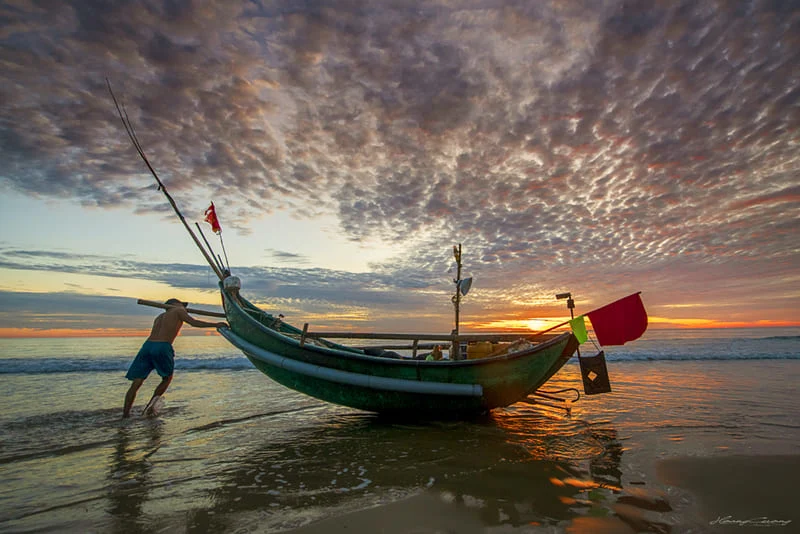
  • Leisure Walks & Photos: Capture the changing hues of the sky from morning to dusk.
  • Water Sports: Try kayaking, beach volleyball, or sailing.
  • Fishing: Rent equipment and cast a line into the sea.

Top Seaside Dining Spots:

  • Bao Han Restaurant (17 Cua Dai): Try fresh seafood, noodle dishes, and dumplings.
  • A Roi Restaurant (167 Au Co): Offers live seafood tanks for ultra-fresh dishes.
  • Chien Kitchen (23 Lac Long Quan): Enjoy banh xeo, grilled squid, and coastal vibes.

An Bang Beach: A Peaceful Gem for Travelers Seeking Solitude

Only about 15 minutes by bike from Hoi An’s historic center, An Bang Beach offers a more tranquil vibe compared to its neighbor Cua Dai. It’s the perfect retreat for anyone seeking calm and quiet. Reaching it is easy via bicycle, scooter (approx. 100,000–150,000 VND/day), or by car.

Once there, you can take a refreshing swim or indulge in exciting water sports such as surfing, parasailing, or canoeing. For a laid-back day, relax on a lounger with a cold drink and a good book. A short 10-minute walk inland will lead you to the lush Tra Que Vegetable Village, where fresh cuisine awaits.

Notable Eateries Nearby:

  • An Bang Beach Village Restaurant (To 6B An Bang): Known for tasty seafood and plump scallops.
  • The DeckHouse (Left side of An Bang Beach): Stylish spot for both local and international dishes with veggie-friendly options.
  • Shore Club (Far left side, Cam An): Relaxed yet elegant spot offering seafood and cocktails right on the beach.

Cham Island: A Natural Marine Paradise

Roughly 20 minutes from Hoi An by boat, Cham Island (Cù Lao Chàm) offers a true escape into nature. Far from the urban crowds, this island—recognized as a UNESCO Biosphere Reserve since 2009—is filled with untouched beaches, colorful marine life, and peaceful fishing communities.

Getting There:

  • Speedboat: 400,000 VND (~$16–17 USD) per adult for a fast ride.
  • Wooden Boat: A slower but scenic option at 200,000 VND (~$8–9 USD).

Once on the island, explore by foot, rent a scooter, or hop on a small local boat for an immersive adventure.

Highlights Include:

  • Snorkeling & Diving: Dive into coral reefs teeming with life.
  • Fishing with Locals: Try your hand at traditional fishing methods.
  • Sunrise & Sunset Views: Find peaceful covers for quiet moments.
  • Cultural Sights: Visit Tan Hiep Market and Hai Tang Pagoda, which dates back over 200 years.

Ha My Beach: The Hidden Jewel of Hoi An’s Coast

Positioned between the busy Cua Dai and An Bang beaches, Ha My Beach remains surprisingly undiscovered. Just a quick ride from Hoi An’s ancient streets, this stretch of sand is the ideal setting for serene sunsets and crowd-free relaxation. Gaze across the sea to the distant Son Tra Mountains and let the scenery take your breath away.

Unlike its more developed neighbors, Ha My has kept its natural allure. It’s blissfully free from overdevelopment and tourist overload, offering a quieter beach experience.

What truly makes Ha My unique is its blend of luxurious beach atmosphere with budget-friendly options. Upscale resorts and charming accommodations here provide a more affordable stay compared to similar spots nearby. It’s an ideal destination for those craving comfort without the high price tag.

When to Visit Hoi An’s Stunning Beaches

The best time to enjoy Hoi An’s coast is from February through July, during the region’s dry season.

  • February–April: Temperatures stay around 25–30°C with minimal rainfall—perfect beach weather with gentle sunshine.
  • May–July: Expect plenty of sun and longer days, with highs over 35°C. This is peak tourist season, so the beaches may be lively and busy.

Avoid August to January—the rainy season. Heavy downpours and the risk of typhoons in October and November can seriously affect travel plans and beach activities.

Pro Tips for a Seamless Beach Trip

Essentials to Pack

  • Sunscreen
  • Sunglasses & a hat
  • Swimsuit & towel
  • Comfortable sandals or shoes
  • Insect repellent
  • Motion sickness tablets (especially for boat rides)
  • Camera or smartphone for great photos

Advice During Your Visit

For Cham Island:

  • Purchase tickets early to avoid last-minute shortages.
  • Be mindful of conservation rules; avoid littering.
  • Bring snacks and water as island prices may be higher.

For Cua Dai & An Bang:

  • Stay alert while swimming and heed any safety notices.
  • Avoid the midday sun when it’s strongest.
  • Consider renting a bike to explore nearby scenery.

Hoi An’s beaches are more than just sandy shores—they’re experiences waiting to be lived. Whether it’s the vibrant tourist vibe of Cua Dai, the calm and quiet of An Bang, the untouched beauty of Ha My, or the wilderness of Cham Island, each beach brings its own magic. If you’re searching for a mix of natural charm, relaxation, and a touch of adventure, look no further than the shores of Hoi An. Dive in, and let the sea write your story.

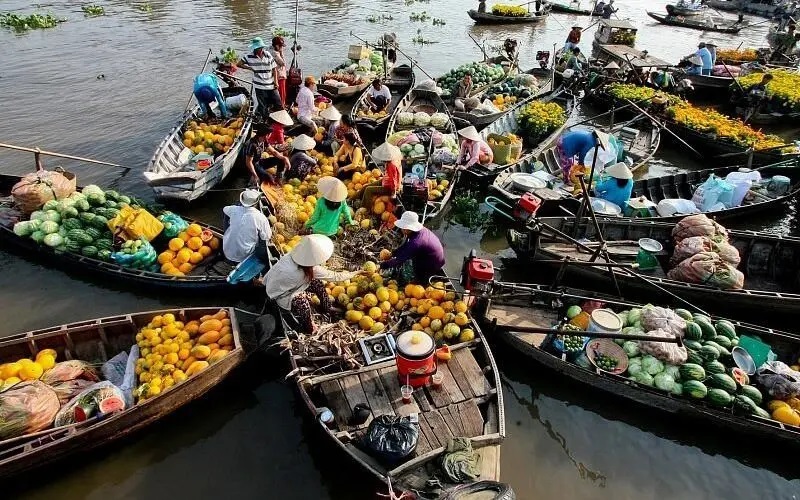
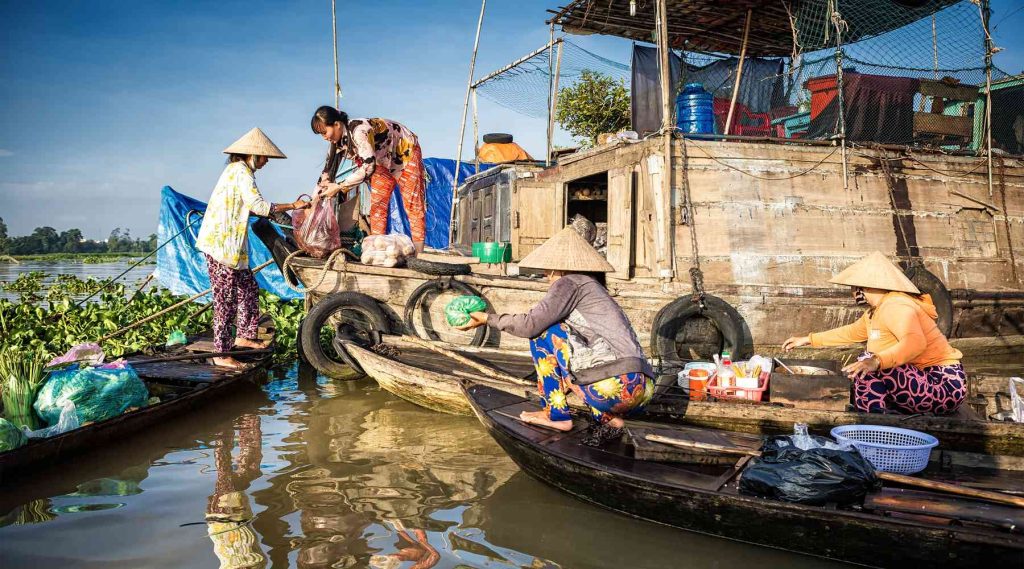
The Mekong Delta, located in the southern part of Vietnam, is rich in both cultural heritage and traditional practices. Among its most iconic features are the floating markets. These markets, held on the vast network of rivers and canals, operate directly from boat to boat, creating a bustling and vibrant atmosphere unique to the region. They offer an unparalleled opportunity to witness authentic local life and age-old trading customs.

As a tour guide, I’ve accompanied numerous visitors through these floating markets over the years and witnessed how they’ve transformed. In this guide, I’ll share insights and useful tips from my personal experience to help enhance your visit. Let’s begin!

Cai Rang Market: The Most Renowned Floating Market in the Mekong Delta

  • Location: On the Can Tho River, near Cai Rang Bridge, An Binh Ward, Can Tho City, Vietnam
  • Operating Hours: Daily from 6:30 AM to 9:30 AM, except during the Tet holidays
  • Entrance Fee: Between €15 and €40
  • Google Reviews: Rated 4.1 stars by 7,533 reviewers

Established in the early 1900s, Cai Rang Market is the largest floating market in the delta, situated only seven kilometers from central Can Tho. Every morning, especially between 6:30 and 9:30 AM, the river transforms into a lively marketplace. During Tet (Lunar New Year), the atmosphere becomes even more festive, though the market closes for four days as traders return home.

You’ll see around fifty boats brimming with fresh produce—fruits like pineapples, grapefruits, watermelons, and durians, as well as vegetables such as cassava, sweet potatoes, and yams—all sourced from surrounding farmlands. Besides produce, you can sample traditional dishes like hủ tiếu, bún mắm, bún thịt nướng, bánh mì, and bánh bao. Some boats even double as floating cafés, serving hot coffee, coconut juice, and ice-cold beverages.

A popular way to visit is by hiring a covered speedboat from Ninh Kiều Pier in downtown Can Tho for a scenic river cruise. Alternatively, you can head to An Binh Market, closer to the floating market, to rent a boat more affordably. Costs depend on boat type, group size, and chosen route.

Other nearby attractions include Binh Thuy Ancient House—known from the film The Lover—as well as the Can Tho Museum, colonial-era prisons, and various Chinese and Khmer temples.

Long Xuyen Market: An Undiscovered Gem

  • Location: Adjacent to Long Xuyen Central Market, Long Xuyen City, An Giang Province
  • Hours of Operation: 5:30 AM to 8:30 PM daily, closed during Tet
  • Cost: €12 to €20
  • Google Reviews: 4.4 stars from 112 reviewers

Located on the Hau River and roughly 4.5 hours’ drive from Ho Chi Minh City, the Long Xuyen Floating Market offers a more laid-back and authentic experience compared to its more famous counterparts. It’s a hidden treasure for those seeking a less commercialized excursion.

Early risers who venture out by 5:30 AM will find a peaceful scene. Unlike the chaos often associated with markets, this one maintains a calm rhythm. Despite its quiet nature, it remains the second largest floating market in the region, mainly serving as a wholesale hub.

Boats typically stock a single type of produce—bananas, mangoes, coconuts, sugar cane, cassava, or watermelons. Sellers use poles to hang their wares for buyers to see from afar. Negotiations are made boat-to-boat, following traditional market customs.

To visit, rent a small motorboat at Ô Môi Pier, near the central market. Prices range between €12 and €20, depending on group size and itinerary. The experience offers a close-up look at the daily routines of riverine communities.

Ideal for a sunrise trip, Long Xuyen is perfect for enjoying breakfast by the water. Local morning meals include fried noodles with meat, bún riêu, hủ tiếu, and fish-based noodle soups. Those preferring familiar fare can bring packaged snacks for convenience.

The Origin and Legacy of Floating Markets in Southern Vietnam

Floating markets in the Mekong Delta trace their roots back to the region’s reliance on agriculture and fishing. With rivers as the primary means of transportation, locals began trading directly on the water, giving rise to these unique marketplaces.

Beyond commerce, floating markets were also social venues, where residents exchanged news and built community bonds. During the colonial period, these gatherings were restricted by French authorities, forcing people to meet discreetly before dawn. After the Vietnam War, floating markets regained significance as practical trading centers.

Initially developed for trading goods like vegetables and seafood, these markets later expanded to include barter and the sale of cooked meals, beverages, and household goods. Each market—whether Cái Răng, Phong Điền (Can Tho), Long Xuyên (An Giang), Ngã Bảy (Hậu Giang), Ngã Năm (Sóc Trăng), Cái Bè (Tiền Giang), or Trà Ôn (Vĩnh Long)—carries its own traditions and specializations. Some cater to wholesale buyers; others serve daily shoppers. Timings also vary, with some closing by mid-morning, while others stay open longer.

Today, floating markets face mounting challenges. The rise of supermarkets and e-commerce has reduced their importance. COVID-19 intensified these problems, limiting access and shrinking the customer base. Many locals have turned to more modern alternatives, leaving these heritage-rich markets at risk.

Efforts are underway to preserve and restore them. With the right support, these unique markets can thrive once more, offering future generations a glimpse into Vietnam’s cultural past.

When Is the Ideal Time to Visit?

The Mekong Delta experiences two primary seasons: the dry season (December–May) and the rainy season (June–November). Each provides a different perspective for travelers.

During the dry months—especially from December to February—visitors enjoy lush greenery, fresh fruits, and a festive atmosphere around the Lunar New Year. From April to June, although temperatures soar, prices tend to be lower for European travelers.

The rainy season elevates water levels, enhancing the floating market experience. From June to November, fish and other aquatic products dominate, creating a vibrant scene on the rivers.

A visit to these floating markets is a must for anyone exploring southern Vietnam. Though many markets are quieter now than they once were, they remain vital for understanding life along the waterways. Don’t miss the chance to witness this one-of-a-kind way of life—immerse yourself in the unique rhythm of the Mekong.

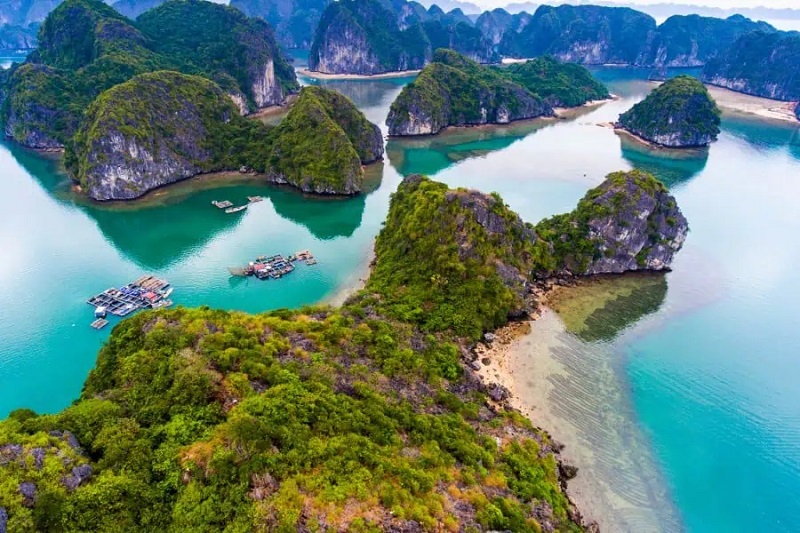
Lan Ha Bay boasts over 100 secluded sandy shores, often referred to as “emerald inlets” tucked between majestic limestone cliffs. These tranquil, wave-free areas are ideal for a refreshing swim or a peaceful rest. Recognized in May 2020 by the World’s Most Beautiful Bays Club, Lan Ha Bay now proudly stands among the world’s most visually stunning coastal spots.

Often overshadowed by its famous sibling, Ha Long Bay, the more serene and lesser-known Lan Ha Bay holds its own charm. If you’re trying to choose between the two or considering Lan Ha as your travel destination, let this guide help you decide. Here’s why this bay is the perfect option for those seeking calm and crowd-free travel experiences.

1. Is Lan Ha Bay the Same as Halong Bay?

Geographical Location

Lan Ha Bay is positioned to the south of Ha Long Bay and just east of Cat Ba Island, about 150 km—or around a 2.5-hour drive—from Hanoi.

By comparison, Ha Long Bay, a UNESCO-listed site and global marvel, sits roughly 165 km away, with travel times from Hanoi averaging around 3 hours.

What Sets Them Apart?

Though geographically linked and sharing similar limestone landscapes and island formations, Lan Ha and Ha Long Bays differ in experience.

While Ha Long Bay is known for grand panoramas, cavernous formations, and busy tourism scenes, Lan Ha Bay presents a more untouched, peaceful ambiance with swimmable waters and a tranquil backdrop of rocky outcrops.

2. How to Travel to Lan Ha Bay

Your journey begins in Hai Phong. From there, make your way to Cat Ba Island to board a cruise or head straight to Lan Ha Bay if your tour allows. Some cruise itineraries from Ha Long or Bai Tu Long Bay also include Lan Ha Bay as a highlight.

From Hanoi:

  • By Road: Drive 150 km to Hai Phong (~4 hours). Buses depart frequently from Nuoc Ngam or Gia Lam terminals, or opt for a limousine service.

  • By Train: A scenic train ride (2.5–3 hours) from Hanoi, Long Bien, or Gia Lam Station to Hai Phong, then transfer to Cat Ba Island.

From Ninh Binh:

  • Departing Tam Coc, it’s around 160 km by road and another 40 km by water to reach Cat Ba (~4–5 hours total).

From Central or Southern Vietnam:

  • Fly directly to Cat Bi Airport in Hai Phong, followed by a short transfer to Cat Ba Island.

Upon arriving at Cat Ba, visitors can purchase tickets at Bèo Pier or rent a private boat for a customized journey around Lan Ha Bay.

3. Top Things to Do in Lan Ha Bay

Cruising Lan Ha Bay

To start your cruise, choose between two primary harbors:

  • Tuan Chau Port: This modern port offers speedboats to Ha Long Bay, where you’ll transfer to a Lan Ha cruise vessel. With better roads and fewer crowds, it offers a smoother start.
  • Got Terminal in Hai Phong: A 15-minute ride from here connects you directly to your cruise, giving you a scenic start to your trip.

Once aboard, relax on sun decks, paddle through karsts, swim in peaceful waters, enjoy fresh seafood meals, join a Vietnamese cooking class, or take a tai chi session as the sun rises.

Kayaking Through Hidden Spots

Lan Ha Bay’s calm surface makes it perfect for kayaking. Even families with young children or first-time paddlers will feel safe. Best places include: Tra Bau, Ao Ech (Frog Pond), Hang Sang (Bright Cave), and Hang Luon (Tunnel Cave).

No experience? Don’t worry—crew members will teach you the basics of paddling and maneuvering.

Snorkeling & Beach Time

Lan Ha Bay has many idyllic beaches perfect for sunbathing and snorkeling. Try Van Ha, Ban Chan, Van Boi, or Ba Trai Dao (Three Peaches). These beaches are quiet, with soft sand and crystal-clear waters.

On Monkey Island, visit Cat Dua 1 and Cat Dua 2 for peaceful swimming. For a more secluded escape, Nam Cat Beach on Nam Cat Island is ideal. Want something more thrilling? Book a snorkeling tour through Monkey Island Resort’s Dive Center.

Rock Climbing for Thrill Seekers

Scaling limestone walls in Lan Ha or Cat Ba offers adrenaline-pumping fun and jaw-dropping views. Whether you’re a beginner or seasoned climber, you’ll find routes to suit you.

Try Ben Beo Cliffs (2 km from Cat Ba Town), Ba Trai Dao Island (22 km south), or Dau Be Island (a 2-hour boat trip away).

Explore Cat Ba Island & Its National Park

Don’t miss Cat Ba Island’s stunning natural gems. Spend time on Cat Co Beach or venture into caves accessed by bike or bus through the National Park. Notably, Quan Y Cave gives you a look into its past as a wartime hospital.

Visit Viet Hai Village

Deep within the park lies Viet Hai Village, an oasis of calm. Surrounded by green hills and forests, the village is home to people living simply, dependent on farming. Visitors can tour it via electric buggy or bicycle.

Experience Life in Floating Villages

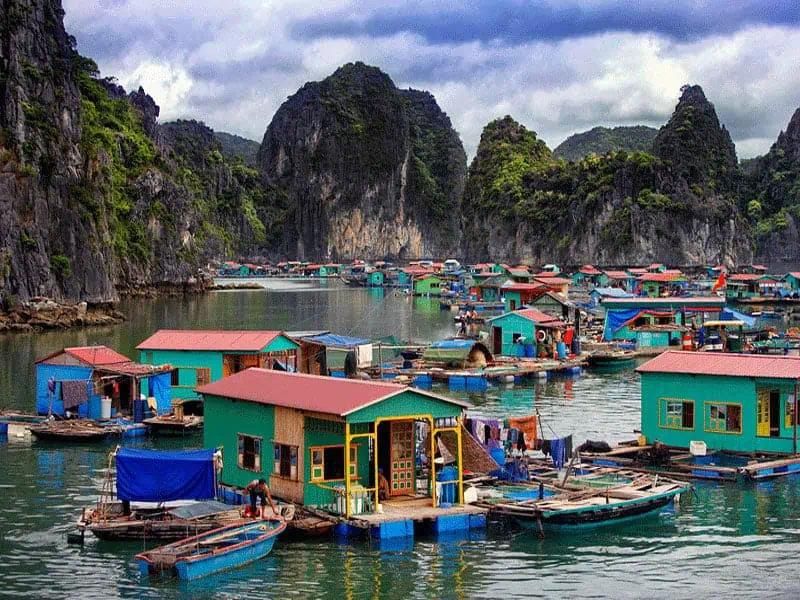
Stop by places like Cai Beo, a floating village that gives you a glimpse of daily life on water. Learn traditional fishing from the locals and enjoy freshly caught seafood. The village of Cua Van also offers cultural insights between Lan Ha and Ha Long.

Watch the Sunset Over the Bay

The sunsets in Lan Ha Bay are magical, especially when viewed from a boat. One of the top spots is Hon Rua, where you can watch the colors reflect off calm waters in total serenity.

Dark & Bright Cave and Trung Trang Cave

Located about 12 km from Bèo Pier, the Dark & Bright Cave is accessible only by kayak or small boat. This 70-meter cave offers a one-of-a-kind experience as you glide past intricate formations in near silence.

Trung Trang Cave, another standout attraction, reveals fascinating rock layers and geological beauty formed over millions of years.

Island Hopping Adventures

  • Nam Cat Island: Just 15 minutes from Bèo Pier, this gem features powdery sands and pristine waters.
  • Ba Trai Dao Islands: Located 1.5 hours by boat, this trio of islets is a prime spot for relaxed swimming.
  • Monkey Island: Though temporarily closed, this destination is famed for playful monkeys and white beaches.

Explore the Seafood Market

For a local experience, visit the floating seafood market in Lan Ha Bay. While not as large as other markets, it provides a chance to support fishermen directly and sample ultra-fresh seafood. Pick up some local specialties to take home as well.

4. When’s the Best Time to Visit?

Lan Ha Bay is stunning all year, but some months are more ideal than others.

  • Peak Season: March to early August
  • Shoulder Season: October to November

These months bring warm, sunny days—perfect for cruising, outdoor fun, and sightseeing with little chance of rain or extreme temperatures.

5. Insider Tips for an Easy Trip

  • Confirm Prices Beforehand: Especially for seafood in the high season (May–August), ask for prices first.
  • Stay Safe in the Water: Always swim where permitted and wear a floatation device when venturing far.
  • Pack for Cool Evenings: Nights can get chilly—carry a light jacket or sweater.
  • Night Fishing Offers: Ask for clear details before agreeing. You can eat your catch raw or have it grilled.
  • Avoid Intermediaries: Many services go through agents. Research before booking tours or renting gear.
  • Reserve Cruises Ahead of Time: Book 3–7 days in advance to guarantee a spot.

With its year-round beauty, peaceful setting, and array of natural attractions, Lan Ha Bay is perfect for explorers and serenity-seekers alike. A refreshing contrast to its famous neighbor, it invites you to unwind amid untouched landscapes. Want to experience the magic? Contact us now and let us help you plan the perfect Cat Ba and Lan Ha getaway!

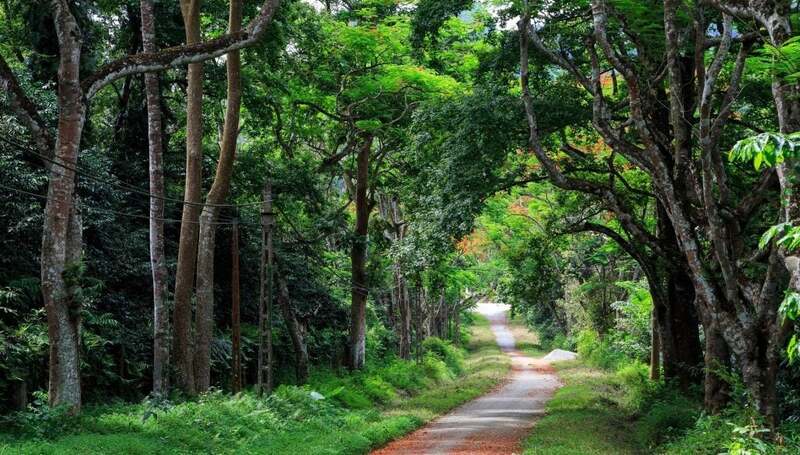
Then Cuc Phuong National Park should top your list — a living natural archive, sheltering rare tropical plants and wildlife.

This comprehensive guide provides you with all the essential details to make your visit smooth and fulfilling. From travel tips to entry fees and scheduling, everything you need to plan your adventure is here!

1. Introduction to Cuc Phuong National Park

As the first national park in Vietnam, Cuc Phuong covers 25,000 hectares across the provinces of Ninh Binh, Hoa Binh, and Thanh Hoa in northern Vietnam. Known for its rich biodiversity, the park plays a crucial role in preserving endangered wildlife. Located approximately 120 kilometers from Hanoi, it offers a serene getaway ideal for nature lovers.

2. Ideal Time to Explore Cuc Phuong

The optimal months to visit Cuc Phuong are during the dry season from October to April. The weather is mild and comfortable during this period. Those who plan their trip between February and April might catch glimpses of elusive creatures like the leopard or rare birds including white-bellied pheasants and marble wren-babblers. The rainy season, on the other hand, brings mud, mosquitoes, and leeches.

One of the most scenic times to be in the forest is from late April to early May, when thousands of butterflies swarm the pathways and trees. This dazzling butterfly season transforms the forest into an enchanting scene straight out of a fairy tale.

3. Getting There from Hanoi

Taking a bus is the most affordable method to reach Cuc Phuong. Booking early through a travel agent is advisable, as routes to Ninh Binh with stops at the park are readily available. Hotel receptions usually provide reliable booking support.

Driving a motorbike or renting a private car is another option. However, for those unfamiliar with Vietnam’s traffic, the trip can be uncomfortable. Groups or families are better off hiring a car with a driver for a more relaxing journey.

4. Entrance Fees and Opening Hours

Tickets are available at the park entrance, with the following rates:

  • Adults: 60,000 VND per person
  • Students: 20,000 VND per person
  • Children: 10,000 VND per person

Cuc Phuong opens daily from 6:00 a.m. to 10:00 p.m. If you’d like to extend your stay, the park provides three overnight lodging areas: one near the gate, one by Mac Lake, and one in the central zone.

5. Activities and Attractions Within the Park

Trekking Through the Ancient Forest

Visitors can choose from various trails inside Cuc Phuong, some of which are self-guided while others require park staff or local guides. A standout experience is a multi-day hike to Muong ethnic village. Suitable for groups of six or more, this trek spans 30 km through thick jungle and typically takes two to three days. It’s considered the toughest and most rewarding hike available in the park.

Wildlife Spotting and Birdwatching

Cuc Phuong is home to many animals listed in Vietnam’s Red Data Book. It’s a paradise for bird lovers, as colorful and rare birds nest and sing among the ancient trees. Sightings of primates and reptiles are also common.

Educational Centers and Conservation Efforts

The park’s conservation facility, established in 1985, is vital for protecting rare genes and vulnerable species. Injured animals like langurs and gibbons are rehabilitated here. Once recovered, they are released into the wild and monitored by specialists.

The Cuc Phuong Museum is also located here, featuring a large array of preserved animals, including insects, butterflies, and carnivores. It’s a popular educational stop for tourists, scientists, and students alike.

Electric Night Safari: Discover Fireflies and Wildlife

Perfect for families and nature enthusiasts!

  • Duration: 110 minutes
  • Time: 7:00 p.m. – 10:00 p.m., daily

The nighttime forest comes alive with electric vehicle tours that:

  • Offer insight into conservation work and forest ecosystems
  • Showcase stunning firefly displays illuminating the dense canopy
  • Provide chances to observe nocturnal animals like civets, pangolins, and deer
  • Explore insect behavior and the mystery of the forest after dark

6. Local Cuisine You Should Try

Cơm Lam (Sticky Rice Cooked in Bamboo)

Prepared by stuffing sticky rice into bamboo and roasting it over a fire, this delicacy carries the aroma of the forest and streams, making it a local favorite.

Grilled Goat

A must-try specialty when in Ninh Binh! Goat meat here is known for its tenderness and rich flavor, best enjoyed fresh and grilled to perfection.

Forest Snails

Available only during the dry season from March to July, these snails are served with a mixture of lemongrass, chili, and fish sauce. Their natural taste and chewy texture are beloved by many visitors.

7. Helpful Tips for a Great Experience

What Should You Bring on a Forest Hike?

  • Clothing & Gear: Choose lightweight, breathable clothes and sturdy shoes for walking.
  • Weather Protection: During hot months, bring insect repellent, sunscreen, and a wide-brimmed hat. In the colder season, wear warm layers.
  • Snacks & Hydration: Carry enough water and light food to stay energized on the trails.
  • Navigation & Safety: Keep a park map or hire a guide to stay oriented and avoid getting lost.

Cuc Phuong is a compelling destination for ecotourism, offering something for every visitor—from peaceful nature lovers to wildlife researchers. Its verdant beauty, biodiversity, and cultural landmarks make it a standout location in Vietnam. Don’t forget to pair your visit with other gems in Ninh Binh, dubbed “Halong Bay on land.”

Let this guide be your companion as you step into the natural and cultural wonders of Cuc Phuong National Park!

Ngu Hanh Son stands as one of Da Nang’s most captivating attractions, combining awe-inspiring caves, a turquoise coastline, and lush, mysterious woodlands for a truly unforgettable experience. Beyond its natural allure, it holds deep cultural and spiritual meaning for Vietnamese Buddhists. If Da Nang is on your travel itinerary, this remarkable destination is a must-see.

Introduction to Ngu Hanh Son, Vietnam

Known locally as Ngu Hanh Son, Ngu Hanh Son is located about 8 kilometers from downtown Da Nang in the district that bears its name. Formed by millennia of erosion by wind, water, and other natural forces, the site showcases the region’s breathtaking landscapes. Its seamless blend of nature, spirituality, and traditional culture draws visitors from around the world each year.

Comprising five distinct hills, the site symbolizes a balance between the spiritual and natural realms. These hills represent the five fundamental elements in Eastern philosophy:

  • Thuy Son – Water
  • Hoa Son – Fire
  • Moc Son – Wood
  • Kim Son – Metal
  • Tho Son – Earth

Each hill is composed of marble, but Thuy Son is the tallest and most notable, standing at approximately 106 meters high and spanning nearly 94,000 square meters. It houses most of the area’s caves and temples, and is home to diverse plant and animal life that further enriches its charm.

What to Do and See at Ngu Hanh Son

Your trip would be incomplete without exploring Thuy Son, the most picturesque and accessible of the five mountains. Paths and stairs are available to help visitors reach the top safely.

At the summit, the panoramic views of Da Nang’s coastline, cityscape, and surrounding scenery are breathtaking. Thuy Son also boasts a rich mix of sacred temples and mystical caves that showcase Vietnam’s unique fusion of religion and nature. Here are some must-see locations:

Huyen Khong Cave – A Majestic Gem of Thuy Son

  • Opening Hours: 07:00 – 18:00
  • Admission: 40,000 VND for adults, free for children

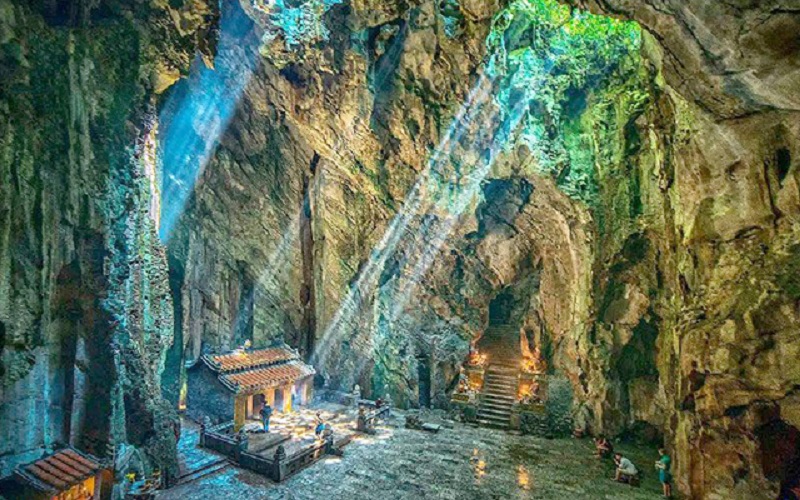
Huyen Khong Cave is one of Ngu Hanh Son most beloved natural wonders. As you approach, you’ll notice a refreshing, serene atmosphere. Sunlight pours through five overhead holes, creating an enchanting ambiance that earns the cave its nickname: nature’s air conditioner.

Inside, ancient stalactites and stalagmites share space with Buddhist statues and offerings. One highlight is the magnificent statue of Shakyamuni Buddha, sculpted in 1960 by renowned artist Nguyen Chat of Non Nuoc.

Access to Huyen Khong Cave requires navigating trails through Thuy Son. Be sure to wear comfortable shoes and carry a flashlight, as parts of the cave can be quite dim.

Am Phu Cave – The Most Enigmatic Experience at Ngu Hanh Son

  • Ticket Price: 20,000 VND for adults, free for children

Located on the slopes of Thuy Son, Am Phu Cave—also known as the “Cave of Hell”—offers an otherworldly blend of mystery and meaning. Its haunting name belies a deeper message rooted in Buddhist teachings.

Visitors can choose two diverging paths: one ascends to scenic views overlooking the East Sea, while the other descends into the cave’s eerie depths. Inside, the cave features the statue of Bodhisattva Ksitigarbha and representations of the nine circles and twelve gates of hell.

To enter, visitors must crouch through narrow passageways where eerie statues and carvings illustrate karmic lessons. The dark, chilly atmosphere intensifies the experience, making Am Phu Cave one of Ngu Hanh Son most thought-provoking sites.

Tam Thai Pagoda

Built in the early 1600s, Tam Thai Pagoda sits quietly on Thuy Son. Within its sacred grounds lie historic relics, including bronze Buddha statues and bells.

Wandering through the temple’s tranquil courtyards, visitors can embrace the spiritual energy and historical significance of this centuries-old site.

Linh Ung Pagoda

  • Visiting Hours: 06:30 – 17:30
  • Entrance: Free

Da Nang is home to three Linh Ung Pagodas, located respectively at Ngu Hanh Son, Son Tra Peninsula, and Ba Na Hills. While the Son Tra site is more widely known, the Linh Ung Pagoda at Thuy Son offers deeper historical and spiritual connections.

Its graceful architecture includes blue-tiled rooftops and multi-faceted stone columns. The complex features a 10-meter-tall white Buddha statue and the Xa Loi Tower, which stands 28 meters high and has seven levels. The panoramic view from the pagoda offers a serene perspective of the city and coastline.

Museum of Buddhist Culture

  • Hours: 07:00 – 17:00
  • Admission: Free

Located on Kim Son Mountain, this museum was established in 2016 as Vietnam’s first dedicated Buddhist cultural center. It features over 500 artifacts, many of which were preserved by pagoda abbots over generations.

This museum showcases Buddhist art from Vietnam and across Asia, with sacred objects and statues dating as far back as the 7th century. It’s a haven for anyone interested in Buddhism and Vietnamese heritage.

Adventurous Climbing at Ngu Hanh Son

For thrill-seekers, Ngu Hanh Son offers exhilarating climbing and abseiling experiences, with vertical drops between 25 and 35 meters. Adventurers can traverse jagged cliffs and enjoy sweeping views of the ocean and forest below.

Ngu Hanh Son provides an incredible climbing opportunity, with breathtaking scenes and the thrill of scaling ancient rock formations in a controlled, safe environment.

Essential Tips for Visiting Ngu Hanh Son

To make the most of your trip, consider the following tips:

  • Best Time to Visit: Early morning or late afternoon offers cooler temperatures and better lighting. Always bring water and sunscreen.
  • Hire a Guide: A local guide can enhance your understanding of the site’s cultural and spiritual significance.
  • Dress and Footwear: Wear modest clothing out of respect for the religious sites and opt for sturdy, comfortable shoes due to uneven terrain.
  • Cultural Sensitivity: Be mindful not to disturb local customs or interrupt ceremonies. Respect sacred spaces.
  • Protect the Environment: Help preserve this natural wonder by not littering and avoiding contact with wildlife or plants.

Ngu Hanh Son remains one of Da Nang’s crown jewels—a stunning convergence of natural beauty and ancient wisdom. Whether you’re chasing adventure, seeking serenity, or exploring cultural depth, this remarkable destination promises memories that will last a lifetime. Enjoy every step of your journey!

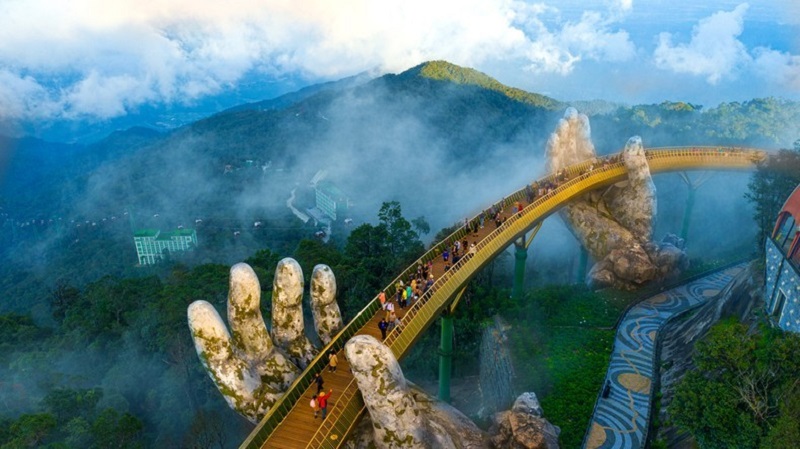
If you’ve ever seen an image of giant stone hands gently lifting a gleaming walkway into the clouds, you’ve already had a glimpse of the awe-inspiring Golden Bridge in Da Nang, Vietnam. Suspended high above the misty hills, this spectacular structure is more than just a bridge — it’s a surreal experience. Blending natural beauty with bold architectural vision, it has rapidly become one of Vietnam’s most iconic landmarks, attracting travelers from across the globe. Ready to explore this dreamlike destination?

What Is the Golden Bridge?

The Golden Bridge is one of the crown jewels of Sun World Ba Na Hills, located approximately 1,400 meters above sea level. It’s not just a feat of engineering but a poetic statement — a golden ribbon gently cradled by two massive hands rising from the mountainside.

This curved pedestrian bridge stretches 150 meters in length, linking Marseille Station with Thien Thai Flower Garden. The bridge’s layout features eight spans, supported by seven piers and two abutments. But beyond numbers, it’s the imaginative concept that captures attention.

Size & Features:

  • Total length: 150 meters
  • Width: 5 meters — with 3 meters for pedestrian use and space allocated for floral displays
  • Materials: Gold-painted steel throughout; railings made of stainless steel with a gold-plated finish that shimmers in sunlight
  • Deck: Constructed from durable kapur wood, ideal for Ba Na’s mountain climate

More than a crossing, the Golden Bridge is a modern wonder that harmonizes engineering, artistry, and landscape into one unforgettable attraction.

Global Recognition & Awards

This visually striking bridge hasn’t just drawn visitors — it has also gained admiration from global travel and design communities:

  • World Travel Awards (2020): Named “Iconic Tourist Bridge of the Year”
  • The Guardian (UK): Listed among the “10 Most Unique and Beautiful Bridges Worldwide”
  • The Independent (UK): Ranked as one of the “10 Most Incredibly Beautiful Bridges”
  • Insider (USA): Featured among the “28 Most Impressive Bridges on Earth”

Suspended in the clouds and supported by weathered stone hands, this unique structure is now one of the most photographed locations in Southeast Asia and a bold symbol of Vietnamese creativity.

Getting to the Golden Bridge from Da Nang

To visit this famous landmark, you’ll need to travel to Sun World Ba Na Hills, located about 35 kilometers southwest of Da Nang city center. The journey typically takes between 45 minutes to 1 hour and 15 minutes depending on traffic.

How to Get There:

  • Taxi or Private Car: Easiest and most comfortable
  • Motorbike: Great for adventurous solo travelers (ensure you have a valid license)
  • Tour Bus/Shuttle: Convenient option often included in travel packages or provided by hotels

Opening Hours:

  • Park hours: 8:00 AM to 10:00 PM
  • Most services: 8:00 AM to 5:00 PM (or 6:30 PM during peak season)

Pro Tip: Arrive at least 30 minutes early to avoid ticketing and parking lines, especially during weekends.

Getting to the Bridge: Once inside the park, hop on the cable car — a 15-minute ride with sweeping views — to reach the Golden Bridge and nearby gardens.

Ticket Prices (Updated)

While the bridge itself is free to access, you’ll need a general admission ticket for Ba Na Hills, which includes a variety of attractions.

Current Ticket Prices:

  • Adults: 900,000 VND (~€32)
  • Children (1–1.4 meters tall): 750,000 VND (~€27)
  • Under 1 meter: Free

Included in Ticket:

  • Access to the Golden Bridge
  • Round-trip cable car ride
  • Le Jardin D’Amour flower gardens
  • Fantasy Park and Moon Castle
  • The mountain train and more

Booking Tip: Reserve tickets online to avoid waiting in line and to secure your entry during busy periods.

When Should You Visit?

The best months for a Golden Bridge trip are from February to August, when the weather is dry and perfect for sightseeing and photography.

Pro Photography Tip: Head there at sunrise or late afternoon for magical lighting, fewer crowds, and a peaceful atmosphere above the clouds.

Bonus Info: The cable car operates from 8:00 AM to 7:00 PM, giving you time to explore the other highlights of Ba Na Hills before or after your visit to the bridge.

What Else to See in Ba Na Hills?

While the Golden Bridge steals the spotlight, Ba Na Hills has plenty more to offer. Here’s what else to check out while you’re there:

1. The French Village

Transport yourself to old-world Europe with cobbled streets, Gothic architecture, fountains, and stone churches. Modeled after missionary Pigneau de Béhaine’s journey, this charming replica of a French town is full of restaurants, hotels, and cafés.

2. The Garden of Love

Spanning over 21,000 m², this flower paradise bursts with blooms from around the globe. Themed gardens offer quiet strolls and perfect photo spots.

3. Wax Museum

Vietnam’s first wax museum features lifelike statues of celebrities from politics, film, and sports. It’s a fun attraction for kids and grown-ups alike.

4. Debay Wine Cellar

Built in 1923 by the French, this underground wine cellar offers a cool, atmospheric escape and a chance to sample fine Vietnamese and imported wines.

5. Double Toboggan Ride

Speed lovers will enjoy Vietnam’s first double alpine coaster — a thrilling ride through scenic slopes with breathtaking views.

6. Fantasy Park

Over 90 games and activities await you here. From VR simulations to carnival games and rides, this indoor amusement park offers family fun regardless of the weather.

7. Spiritual Sites

Find calm in sacred spaces like Linh Ung Pagoda, Shakyamuni Buddha, Lady Temple, and Tru Vu Tea Pavilion, each offering moments of peace and spectacular views.

8. Seasonal Festivals

No matter the time of year, there’s often something festive happening:

  • Spring: Flower Festival
  • Summer: Carnival
  • Autumn: Wine Festival
  • Winter: Holiday celebrations & Halloween events

These lively festivals bring cultural depth and festive cheer to your trip.

Travel Tips for a Great Experience

  • Buy Tickets Early: Avoid long lines by booking online — highly recommended during holidays and weekends.
  • Protect Yourself from the Sun: At over 1,400 meters above sea level, the sun can be intense. Don’t forget sunscreen, a hat, and sunglasses.
  • Wear Comfortable Shoes: You’ll do plenty of walking — sneakers or sturdy walking shoes are ideal.
  • Stay Safe While Taking Photos: The bridge’s views are irresistible, but always stay behind the railings and watch your footing while snapping that perfect shot.

A trip to the Golden Bridge in Da Nang offers more than just stunning photos — it’s a breathtaking encounter between architecture, creativity, and nature. Walking high above the clouds, embraced by the hands of a mountain god, is a memory that will stay with you forever.

So why wait? Start planning your visit and let Ba Na Hills and the Golden Bridge take your breath away.