Vietnam Travel Blog

While Ha Long Bay has long been famous worldwide, its quieter neighbor Lan Ha Bay is emerging as a premier destination for travelers seeking a more exclusive and luxurious experience. Located in the Gulf of Tonkin and surrounded by Cat Ba Island, Lan Ha Bay boasts pristine emerald waters, thousands of limestone karsts, and a peaceful atmosphere away from the crowds. A Lan Ha Bay luxury cruise combines natural beauty with world-class amenities, creating a journey that blends elegance, comfort, and authentic Vietnamese charm.

Why Choose Lan Ha Bay?

Lan Ha Bay is often described as the “hidden paradise” of northern Vietnam. Covering over 7,000 hectares with around 300 limestone islands and islets, it shares the same breathtaking scenery as Ha Long Bay but remains relatively untouched by mass tourism. Unlike Ha Long Bay, Lan Ha is quieter, cleaner, and more serene, making it a perfect destination for those who value exclusivity and tranquility.

Luxury cruises on Lan Ha Bay offer the chance to explore hidden lagoons, pristine beaches, and fishing villages, while enjoying five-star services onboard. From spacious private balconies to fine dining experiences and wellness activities, every detail is designed to elevate your journey. This makes Lan Ha Bay one of the most desirable cruise destinations in Southeast Asia today.
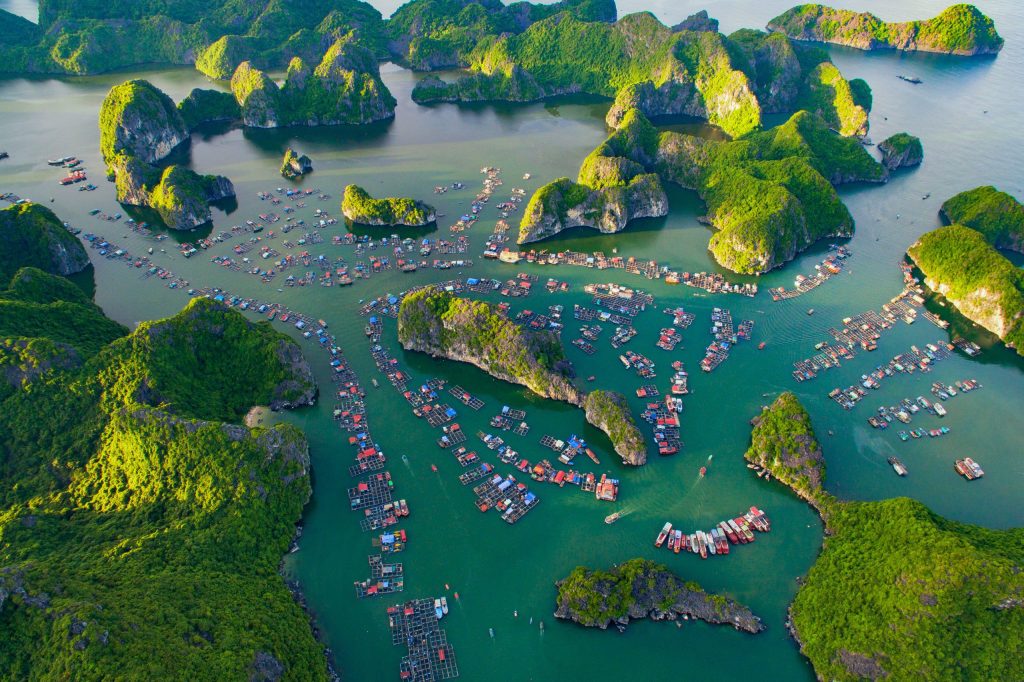
Lan Ha Bay offers luxury cruises in tranquil hidden paradise

The Allure of Lan Ha Bay Luxury Cruises

Luxury cruises on Lan Ha Bay are not simply about sightseeing – they are about immersive travel experiences. The vessels themselves are floating resorts, blending traditional Vietnamese design with modern elegance. Cabins are often designed like boutique hotel rooms, featuring floor-to-ceiling windows, private terraces, and plush bedding. Many cruises even have swimming pools, jacuzzis, and spas onboard, ensuring maximum comfort.

What sets Lan Ha Bay cruises apart is the personalized service. With smaller numbers of passengers compared to mainstream cruises, staff can provide more attentive care. From welcome drinks to turndown services, guests are treated as VIPs. The combination of natural scenery and top-tier hospitality turns every voyage into a once-in-a-lifetime experience.

Luxury Lan Ha cruises deliver immersive comfort, elegance, and personalized service

Highlights of a Luxury Cruise on Lan Ha Bay

Elegant Accommodation

Luxury cruise cabins are designed to rival five-star hotel suites. Expect king-sized beds, modern bathrooms with bathtubs, and panoramic windows overlooking the bay. Some cruises even offer private balconies and duplex suites for ultimate indulgence. Waking up to sunrise over limestone mountains right outside your window is an experience like no other.

Gourmet Dining

Onboard restaurants focus on both international cuisine and authentic Vietnamese flavors. Multi-course fine dining meals often feature fresh seafood such as lobster, squid, and giant prawns, paired with premium wines. Many cruises also host themed dinners, BBQ parties on sundecks, and even cooking classes where guests can learn to make spring rolls or pho.

Fine dining showcases seafood, Vietnamese cuisine, and culinary experiences

Unique Itineraries

Lan Ha Bay luxury cruises typically last between 2 days/1 night and 3 days/2 nights. Routes often include kayaking in hidden lagoons, swimming at secluded beaches, visiting local fishing villages, and exploring caves. Unlike Ha Long Bay, which can be crowded, Lan Ha Bay itineraries emphasize exclusivity and tranquility.

Lan Ha Bay cruises offer exclusive itineraries, kayaking, beaches, caves

Onboard Activities

From morning Tai Chi sessions on the sundeck to evening squid fishing, cruises offer a mix of relaxation and entertainment. Some vessels have spas offering traditional Vietnamese massages, while others include mini cinemas, wine cellars, or infinity pools. These activities ensure that guests are entertained even when the ship is anchored.

Onboard activities blend relaxation, wellness, entertainment, and unique bay experiences

Comparing Lan Ha Bay and Ha Long Bay Cruises

Travelers often wonder whether to choose Ha Long Bay or Lan Ha Bay. While Ha Long Bay is UNESCO-listed and globally recognized, it can feel crowded, especially during peak tourist seasons. Lan Ha Bay, in contrast, offers a more serene environment with equally spectacular landscapes.

Luxury cruises on Lan Ha Bay emphasize exclusivity, smaller crowds, and intimate experiences. For those seeking a romantic getaway, a honeymoon escape, or simply a peaceful retreat, Lan Ha Bay is often the better choice. Meanwhile, Ha Long Bay remains ideal for first-time visitors who want to see iconic sights like Sung Sot Cave or Titop Island.

Lan Ha Bay suits serenity seekers; Ha Long iconic sights

Top Luxury Cruises on Lan Ha Bay

Orchid Cruise

Known for its elegant design and spacious cabins, Orchid Cruise offers large private balconies, outdoor jacuzzis, and gourmet dining. It is perfect for couples and honeymooners seeking privacy and comfort.

Orchid Cruise offers elegant luxury, privacy, spacious cabins

Stellar of the Seas

One of the most luxurious vessels in the region, Stellar of the Seas features a mini-golf course, infinity swimming pool, fine-dining restaurant, and wine cellar. Its modern yet stylish design appeals to upscale travelers.

Stellar of the Seas delivers modern luxury with premium onboard amenities

Heritage Cruises Binh Chuan

This cruise is inspired by Vietnamese heritage and art. The ship resembles a floating boutique hotel with hand-painted décor, spacious suites, and cultural touches that celebrate Vietnam’s history.

Heritage-inspired cruise blends Vietnamese art, culture, boutique luxury

Paradise Elegance Lan Ha

Offering top-tier hospitality, Paradise Elegance is known for its professional staff, refined interiors, and excellent itineraries. Guests enjoy premium services combined with unique excursions.

Paradise Elegance offers refined luxury, service, and curated excursions

Activities You Can Experience on a Lan Ha Bay Luxury Cruise

Kayaking and Swimming

Exploring hidden lagoons and caves by kayak is one of the highlights. Paddling through emerald waters surrounded by limestone cliffs allows you to connect with nature in a unique way. Many cruises stop at secluded beaches where guests can swim in crystal-clear waters far from the crowds.

Kayaking reveals hidden lagoons, caves, and secluded emerald beaches

Visiting Fishing Villages

Some itineraries include stops at traditional fishing villages where visitors can learn about the local lifestyle. Meeting fishermen, exploring floating houses, and seeing aquaculture farms provide cultural depth to your journey.

Fishing village visits reveal authentic coastal life and culture

Cave Exploration

Lan Ha Bay and nearby Cat Ba National Park are home to fascinating caves with stalactites and stalagmites. Guided tours allow guests to explore these natural wonders safely.

Caves near Lan Ha and Cat Ba amaze visitors

Wellness & Relaxation

Luxury cruises often provide wellness services such as spa treatments, yoga, and Tai Chi. Practicing Tai Chi at sunrise on the deck surrounded by majestic mountains is a serene experience that balances body and mind.

Wellness cruises offer spa, yoga, sunrise Tai Chi serenity

Best Time to Enjoy a Lan Ha Bay Luxury Cruise

Lan Ha Bay is beautiful year-round, but the best time for a luxury cruise is between October and April, when the weather is cool, dry, and comfortable. From May to September, the bay can be warmer with occasional rains, but this is also when the scenery is lush and green. Luxury cruises operate in all seasons, with each period offering its own charm.

Best cruising season October–April; summer lush with occasional rain

Travel Tips for a Perfect Cruise Experience

  • Book in advance during high season to secure the best cabins.
  • Pack smart with light clothes, swimwear, sunscreen, and insect repellent.
  • Bring cash for extra services or tips, as ATMs are not available on board.
  • Choose the right cruise length: 2 days/1 night for a quick getaway, or 3 days/2 nights for deeper exploration.
  • Stay connected: Some luxury cruises offer Wi-Fi, but use the opportunity to disconnect and enjoy nature.

Sustainability and Eco-Friendly Cruising

Luxury cruises on Lan Ha Bay are increasingly committed to sustainability. Many operators adopt eco-friendly practices such as reducing plastic waste, sourcing local ingredients, and supporting conservation projects. By choosing a responsible cruise, travelers contribute to protecting the bay’s fragile ecosystem while enjoying their luxurious escape.

A Lan Ha Bay luxury cruise is more than a sightseeing trip – it is a blend of elegance, comfort, and cultural discovery. With fewer crowds than Ha Long Bay, Lan Ha offers a more intimate and serene journey through breathtaking limestone karsts, emerald waters, and hidden lagoons. Onboard, guests enjoy five-star services, gourmet cuisine, and world-class hospitality, turning every moment into a cherished memory.

Whether you are celebrating a honeymoon, planning a family trip, or simply seeking peace and relaxation, luxury cruises on Lan Ha Bay deliver an unforgettable experience. Combining natural wonders with indulgent comfort, they are the perfect way to explore one of Vietnam’s most beautiful destinations in style.
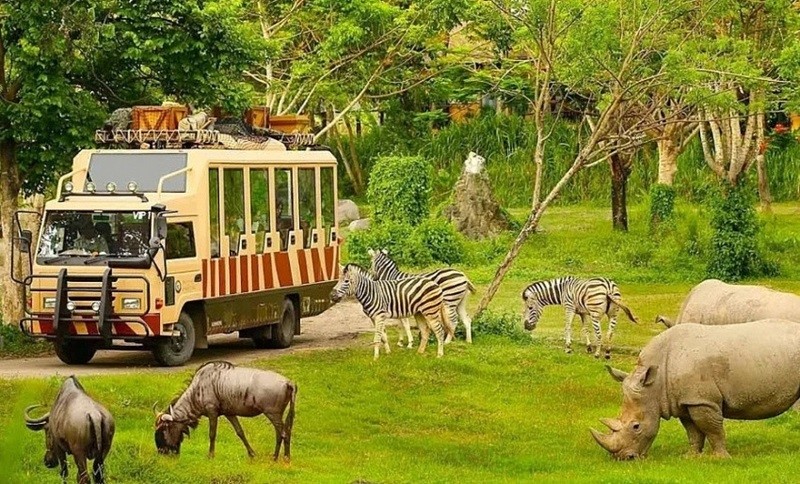
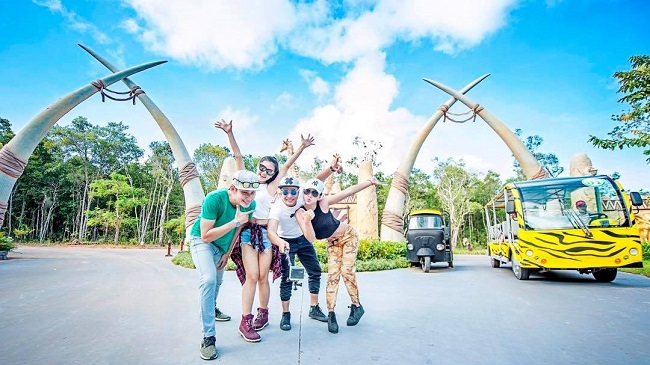
Phu Quoc is not only known for its stunning beaches and luxury resorts but also for being home to one of Vietnam’s most fascinating attractions – Vinpearl Safari Phu Quoc. This massive wildlife conservation park offers visitors a rare chance to step into the world of wild animals, observe them up close, and enjoy educational as well as entertaining experiences. With over 150 species and thousands of animals living in a semi-wild environment, Safari Phu Quoc is truly an exciting animal kingdom that combines conservation, exploration, and family fun.

Introduction: Why Visit Safari Phu Quoc?

Safari Phu Quoc, officially known as Vinpearl Safari Phu Quoc, is the first and largest semi-wild zoo in Vietnam. Covering an area of more than 380 hectares, the park is divided into two main sections: the Open Zoo and the Safari Park. Unlike traditional zoos where animals are kept behind cages, this safari follows the “cage-less” model, where animals roam freely while visitors observe them safely from inside specialized vehicles.

The concept brings a completely new experience to both adults and children. Instead of looking at animals from afar, you can see them behaving naturally in habitats designed to mimic their wild environments. For families, animal lovers, and even photographers, Safari Phu Quoc is a paradise. It is also part of the larger VinWonders Phu Quoc complex, making it a must-visit destination during your trip to the island.

Vinpearl Safari Phu Quoc offers cage-less wildlife adventures

The Open Zoo – A Living Encyclopedia of Wildlife

The first stop for most visitors is the Open Zoo, where animals live in spacious enclosures that closely resemble their natural habitats. Walking through this area feels like stepping into a living encyclopedia of the animal kingdom.

You’ll encounter primates swinging between trees, exotic birds filling the air with their calls, and reptiles basking under the sun. The Open Zoo is carefully designed to balance safety with a sense of closeness. Wooden bridges and glass barriers allow you to watch animals like tigers, lions, or leopards without disturbing them. Meanwhile, deer, flamingos, and pelicans roam freely, sometimes approaching visitors curiously.

What makes the Open Zoo impressive is its educational value. Each zone is labeled with detailed information about the species, their diet, and their natural environment. This helps children and adults alike learn about biodiversity and conservation while enjoying the visit.

Open Zoo offers immersive wildlife encounters and educational experiences

The Safari Park – A Journey Into the Wild

The highlight of Safari Phu Quoc is undoubtedly the Safari Park, where you board a specialized bus and embark on a journey through semi-wild habitats. The experience is often compared to safaris in Africa, though adapted to Vietnam’s tropical climate and environment.

As the bus drives through the gates, you immediately feel transported into another world. Lions bask lazily on rocks, giraffes stretch their necks to nibble leaves, and zebras gallop across open fields. Each section of the Safari Park is dedicated to animals from different continents – Africa, Asia, and South America – creating a global wildlife adventure.

What’s exciting is the unpredictability. Unlike in traditional zoos, animals here behave more naturally. You might suddenly spot a rhino crossing in front of your bus or see a pack of wolves running together. The safari vehicles are built with reinforced glass, ensuring absolute safety for passengers while allowing maximum visibility.

Safari Park delivers African-style wildlife adventure by bus

Animal Highlights at Safari Phu Quoc

Safari Phu Quoc houses over 3,000 animals belonging to 150 species, many of which are rare or endangered. Here are some highlights that captivate visitors:

  • Big Cats: Lions, Bengal tigers, leopards, and jaguars are among the most popular animals, showcasing the raw power of predators.
  • Giraffes and Zebras: Visitors love watching giraffes towering above trees and zebras running in herds, creating a true African savannah vibe.
  • Rhinos and Hippos: These massive animals are both fascinating and intimidating, offering a closer look at creatures usually seen only in documentaries.
  • Bird Kingdom: From colorful parrots and flamingos to majestic peacocks, the bird area is always lively and perfect for photos.
  • Primates: Chimpanzees, gibbons, and langurs amuse visitors with their playful behaviors and social interactions.
  • Reptiles: Crocodiles, tortoises, and snakes add an adventurous twist to the zoo’s diversity.

Each species is part of ongoing conservation efforts, and many of the animals were rescued or bred under protection programs.

Safari Phu Quoc showcases rare animals and conservation diversity

Exciting Shows and Interactive Experiences

Beyond observing animals, Safari Phu Quoc also offers entertaining and educational shows. These performances highlight the relationship between humans and animals, aiming to spread awareness about conservation.

Popular shows include:

  • Animal Performance Shows: Featuring parrots, macaws, and other trained animals demonstrating their intelligence and skills.
  • Bird Shows: Exotic birds flying across the sky, landing on trainers’ hands, or performing synchronized moves.
  • Feeding Activities: At specific times, visitors can feed elephants, giraffes, or deer under supervision. These moments are often unforgettable for children.

The shows are designed not just for entertainment but also to inspire respect for animals and raise awareness of protecting endangered species.

Shows combine entertainment, education, feeding, and conservation awareness

Facilities and Family-Friendly Services

Safari Phu Quoc is not just about animals; it also ensures visitors enjoy a comfortable trip. Inside the park, there are restaurants serving Vietnamese and international dishes, souvenir shops selling stuffed animals and eco-friendly gifts, and rest areas with shaded benches.

For families with children, strollers and electric cars are available for rent. There are also playgrounds and educational corners where kids can learn more about nature. Everything is designed to create a balance between fun, comfort, and learning.

Family-friendly facilities ensure comfort, dining, learning, and fun

Practical Information: Tickets and Opening Hours

To plan your trip smoothly, here is some essential information:

  • Opening Hours: Safari Phu Quoc usually opens daily from 9:00 AM to 4:00 PM. Arriving early ensures you can enjoy both the Open Zoo and Safari Park without rushing.
  • Tickets: Prices vary depending on age and packages. Standard adult tickets often cost around 650,000 – 750,000 VND (approx. $25–30), while children and seniors enjoy discounts. Combo tickets with VinWonders theme park are also available.
  • Getting There: Safari Phu Quoc is located in Ganh Dau Commune, about 30 km from Duong Dong town. Shuttle buses, taxis, or motorbike rentals are common ways to reach the park.
Visitor info covers hours, tickets, prices, transport options

Travel Tips for Visiting Safari Phu Quoc

To make the most of your visit, keep these tips in mind:

  • Wear comfortable clothes and shoes since you will walk a lot.
  • Bring water and sunscreen, as the tropical heat can be intense.
  • Check the show schedule upon arrival to avoid missing popular performances.
  • Respect animals by not feeding them outside designated activities and not making loud noises.
  • Visit on weekdays if possible to avoid weekend crowds.

These small details will ensure you enjoy a safe, smooth, and memorable safari adventure.

Simple tips ensure a safe, comfortable, unforgettable safari visit

Why Safari Phu Quoc is More Than Just a Zoo

What sets Safari Phu Quoc apart is its role as a conservation center. It is not only a tourist attraction but also a sanctuary where endangered species are protected, bred, and reintroduced into the wild. By visiting, you are indirectly supporting wildlife conservation in Vietnam.

Moreover, the experience is immersive. Instead of being a passive observer, you become part of the environment, moving through landscapes that feel alive. The thrill of seeing a tiger walk past your safari bus or watching a giraffe lean down to greet you is something that cannot be replicated by photos or videos.

Safari Phu Quoc blends conservation, immersion, unforgettable wildlife encounters

Safari Phu Quoc is more than an amusement park – it is an exciting animal kingdom where conservation, education, and entertainment blend seamlessly. From the Open Zoo filled with fascinating species to the adventurous Safari Park where animals roam semi-wild, the experience leaves visitors with unforgettable memories. Families, animal lovers, and even solo travelers will find joy and inspiration here.

When planning your trip to Phu Quoc, do not miss the chance to spend a day at Safari Phu Quoc. It is not only a journey into the wild but also a step toward understanding and appreciating the beauty of the natural world. Whether you are feeding a giraffe, watching flamingos dance in the water, or simply enjoying the thrill of a safari ride, one thing is certain – Safari Phu Quoc will stay with you long after your visit.

In northern Vietnam, where limestone mountains rise like ancient sentinels and valleys are wrapped in mist, lies Cuc Phuong National Park—a sanctuary that has stood as a symbol of conservation for more than six decades. As the country’s very first national park, Cuc Phuong is more than a destination; it is a living museum of biodiversity, a cradle of history, and a refuge where human beings can rediscover their bond with the natural world.

Visiting Cuc Phuong is not simply a sightseeing trip. It is an immersion into the wildlife and wilderness of Vietnam, where every step on a jungle trail, every echo of bird calls, and every glimpse of an endangered primate becomes a profound reminder of nature’s resilience.

A Brief History of Cuc Phuong

Vietnam’s First National Park

Cuc Phuong was officially established in 1962, making it the first national park in Vietnam. The decision to protect this forest was groundbreaking for a country emerging from decades of conflict. At the time, environmental awareness was still limited, yet Cuc Phuong was recognized for its unique biodiversity and archaeological value.

The park quickly became a flagship for conservation, inspiring the creation of other protected areas across the country. Today, Cuc Phuong is part of Vietnam’s network of national parks and nature reserves, and it continues to play a leading role in biodiversity preservation, scientific research, and eco-tourism.

Cuc Phuong pioneered Vietnam’s national parks and conservation efforts

Geography and Location

Covering more than 22,000 hectares, Cuc Phuong spreads across the borders of three provinces: Ninh Binh, Hoa Binh, and Thanh Hoa. It lies about 120 kilometers southwest of Hanoi, making it accessible for both day trips and extended eco-adventures.

The landscape is dominated by karst limestone mountains, some rising over 600 meters, interspersed with valleys, rivers, caves, and dense tropical forest. This combination creates diverse habitats that support an extraordinary range of species.

Cuc Phuong spans limestone forests across three provinces near Hanoi

A Tapestry of Biodiversity

Flora – The Ancient Forest

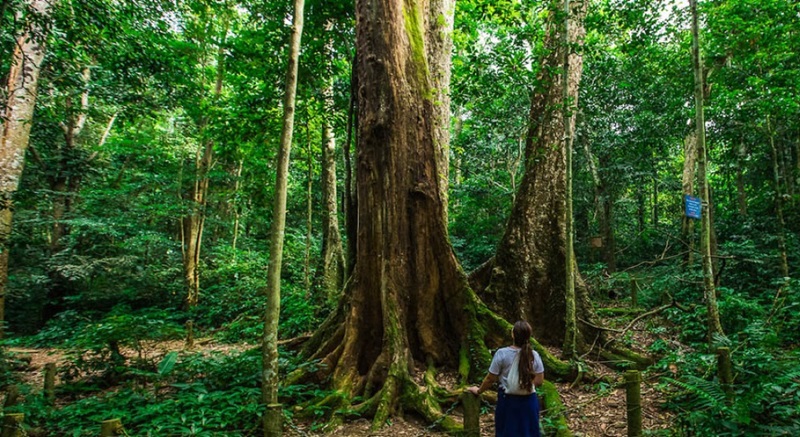
Walking into Cuc Phuong is like stepping into a prehistoric world. The forest is home to over 2,200 species of plants, including towering hardwoods, rare orchids, medicinal herbs, and giant ancient trees. Some highlights include:

  • The thousand-year-old Cho Tree, standing nearly 50 meters tall with a trunk circumference of over 5 meters.
  • The multi-rooted Banyan Tree, with 45 visible roots, creating a surreal labyrinth of natural pillars.
  • Rare medicinal plants, many of which are still used by ethnic communities for traditional remedies.

The limestone ecosystem also supports unique plant species adapted to karst landscapes, many of which are endemic and found nowhere else.

Cuc Phuong flora features ancient trees, rare plants, prehistoric forest landscapes

Fauna – The Wild Inhabitants

Cuc Phuong is often described as a living ark of wildlife. More than 660 species of vertebrates have been recorded, along with thousands of insects. Some notable residents include:

  • Delacour’s Langur – a critically endangered primate with striking white patches on its legs, found only in northern Vietnam.
  • Clouded Leopard and Leopard Cat – elusive predators that patrol the forest.
  • Crested Argus and Silver Pheasant – spectacular birds that captivate birdwatchers.
  • Slow Loris and Flying Squirrels – seen during guided night safaris.
  • Butterflies – each April and May, millions of butterflies fill the forest, creating a magical “butterfly season.”
Cuc Phuong shelters rare wildlife, primates, birds, butterflies, night creatures

Archaeological and Cultural Treasures

Beyond wildlife, Cuc Phuong contains significant archaeological sites. Caves such as Con Moong, Dang Cave, and the Cave of Prehistoric Man reveal evidence of human habitation dating back 7,000 to 12,000 years. Stone tools, pottery, and skeletal remains show how ancient people lived in harmony with the forest.

Cuc Phuong caves reveal ancient human life and archaeology

Conservation and Research

Rescue Centers

Cuc Phuong is home to three internationally recognized wildlife rescue centers:

  1. Endangered Primate Rescue Center (EPRC) – housing over 150 individuals from 15 species, including gibbons and langurs.
  2. Turtle Conservation Center (TCC) – dedicated to breeding and protecting Vietnam’s diverse turtle species, many of which face extinction due to poaching.
  3. Carnivore and Pangolin Conservation Program (CPCP) – protecting small carnivores, civets, and pangolins from the illegal wildlife trade.

These centers not only save animals but also educate visitors about the challenges of conservation in Southeast Asia.

Cuc Phuong hosts global wildlife rescue and conservation centers

Scientific Studies

Cuc Phuong is a hub for scientific research. Botanists, zoologists, and ecologists from around the world conduct studies here, documenting species and experimenting with reforestation. Students and volunteers regularly join programs that combine fieldwork with conservation education.

Cuc Phuong supports global research, education, and conservation science

Immersive Experiences in Cuc Phuong

Trekking and Hiking

Cuc Phuong offers a wide range of trails:

  • Short trails (2–3 km): ideal for casual visitors and families.
  • Medium trails (5–10 km): leading to caves, waterfalls, and ancient trees.
  • Long-distance trails (15–20 km): challenging treks across the forest for experienced adventurers.

Each trail reveals a different face of the forest, from karst cliffs to lush valleys.

Cuc Phuong trails range from easy walks to challenging forest treks

Night Safari

A highlight of any visit is the guided night safari. Armed with flashlights, visitors can witness nocturnal wildlife such as civets, porcupines, owls, and frogs. The atmosphere—silent except for rustling leaves and distant calls—feels both eerie and magical.

Night safaris reveal Cuc Phuong’s mysterious nocturnal wildlife

Butterfly Season

From late April to late May, Cuc Phuong turns into a surreal wonderland as millions of butterflies blanket the forest. Walking through the park at this time is like entering a dream filled with delicate wings of white, yellow, and blue.

Butterfly season transforms Cuc Phuong into a magical living wonderland

Camping and Eco-Stays

Visitors can camp in designated areas or stay in eco-lodges and homestays. Nights in the park are filled with the chorus of crickets, the glow of fireflies, and skies dense with stars—a reminder of the simple beauty of life close to nature.

Camping and eco-stays offer starlit nights and forest serenity

Cultural Encounters

The Muong Ethnic Community

Surrounding Cuc Phuong are villages of the Muong people, one of Vietnam’s largest ethnic minorities. Their traditional stilt houses, rice terraces, and vibrant festivals add a cultural dimension to any trip.

Guests staying in Muong homestays can:

  • Share meals of bamboo rice, mountain chicken, and forest vegetables.
  • Enjoy evenings of gong performances and folk dances.
  • Learn traditional weaving and handicrafts.
Muong culture enriches Cuc Phuong with traditions, cuisine, festivals

Local Handicrafts and Sustainable Tourism

Villagers also create bamboo products, brocade textiles, and herbal remedies. Purchasing these not only provides meaningful souvenirs but also supports sustainable livelihoods tied to conservation.

Local crafts support sustainable livelihoods and conservation traditions

Travel Guide to Cuc Phuong

Best Time to Visit

  • Spring (Feb – Apr): Cool, green, and ideal for hiking.
  • Butterfly Season (Apr – May): The park’s most magical time.
  • Summer–Autumn (Jun – Oct): Warm, great for camping and long treks.
  • Winter (Nov – Jan): Crisp air, fewer tourists, serene atmosphere.
Cuc Phuong offers beauty year-round, each season uniquely rewarding

How to Get There

  • From Hanoi by car/motorbike: about 3 hours via National Highway 1A and Road 477.
  • By bus: Hanoi to Nho Quan (Ninh Binh), then transfer to the park.

Where to Stay

  • Inside the park: guesthouses, bungalows, and eco-lodges.
  • Nearby towns: hotels in Ninh Binh or homestays in Muong villages.

What to Eat

  • Local specialties: Ninh Binh goat meat, burnt rice (com chay), freshwater fish, bamboo shoots, and Muong rice wine.
Cuc Phuong delights visitors with rich local cuisine and ethnic specialties

Tips for Visitors

  • Bring trekking shoes, rain gear, and insect repellent.
  • Hire a local guide for safety and deeper insights.
  • Respect wildlife—observe but never disturb.
  • Support local businesses and avoid single-use plastics.

The Role of Visitors in Conservation

Cuc Phuong’s survival depends not only on government protection but also on the actions of its visitors. Each traveler can make a difference by:

  • Following park rules and leaving no trace.
  • Choosing eco-friendly services.
  • Learning about conservation challenges.
  • Spreading awareness about Vietnam’s biodiversity.

By experiencing Cuc Phuong responsibly, visitors help ensure that the forest, its animals, and its communities thrive for generations to come.

https://images.vietnamtourism.gov.vn/en/images/2021/CucPhuong2.jpg

Cuc Phuong National Park is a place where the boundaries between past and present, nature and culture, dissolve. It is at once a prehistoric forest, a living ark of endangered species, and a vibrant community space.

To walk beneath its towering trees, to lock eyes with a langur, to share rice wine with the Muong people—these are not just travel experiences, but profound encounters with the essence of Vietnam.

For adventurers, scientists, families, and anyone longing for a deeper connection with nature, Cuc Phuong offers an invitation: to come closer, to slow down, and to rediscover the wildlife and wilderness that lie just beside us.

Da Nang is not only well-known for its golden beaches and iconic bridges but also for its lively nightlife. When the sun goes down, the city comes alive with glowing lights, bustling walking streets, and endless food stalls. The combination of culture, entertainment, and cuisine makes Da Nang at night an irresistible attraction. From strolling along the Han River to tasting Mi Quang, grilled seafood, or international dishes in the An Thuong area, experiencing walking streets and night food in Da Nang is a journey every traveler should have at least once.

The Charm of Da Nang at Night

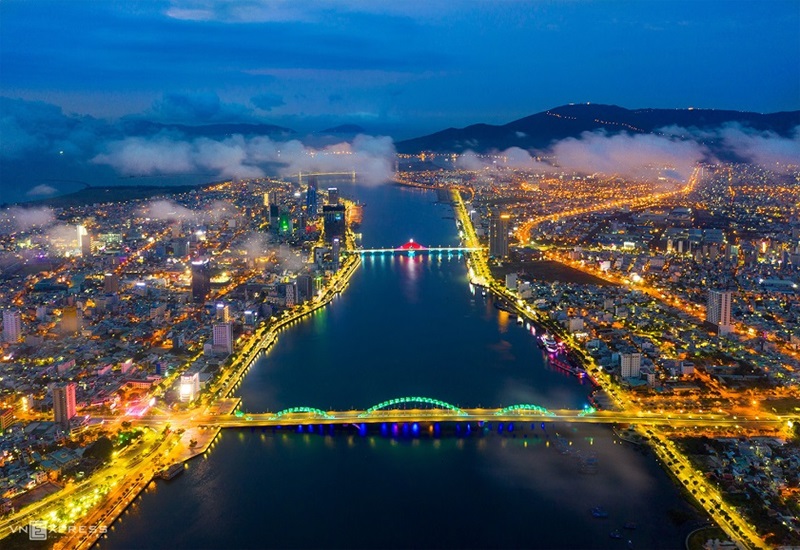
Da Nang has earned the reputation of being Vietnam’s most livable city, and it is easy to see why. During the day, the city greets visitors with clear skies, long stretches of coastline, and architectural wonders like Dragon Bridge and Han River Bridge. Yet, the real transformation happens after sunset. As lights turn on, Da Nang becomes a glowing urban paradise. The reflection of illuminated bridges on the Han River creates a breathtaking scene that captivates both locals and tourists. The night also brings out another side of Da Nang – one that is filled with music, laughter, street performers, and above all, delicious food.

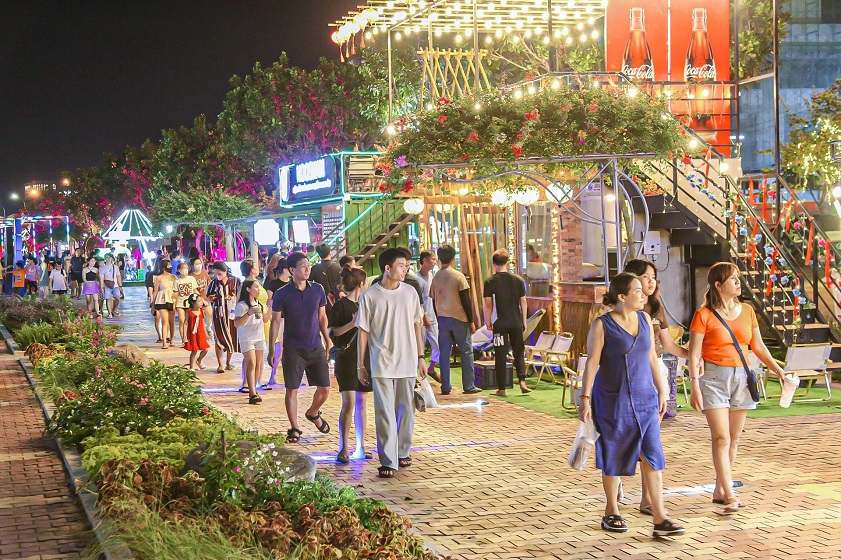
Unlike many other Vietnamese cities, Da Nang’s nightlife is not limited to bars or clubs. Instead, it focuses on creating community spaces where locals and tourists gather. Walking streets become open-air theaters where you can enjoy live music, folk performances, and modern dance shows. Night markets overflow with the aroma of grilled seafood, freshly fried snacks, and simmering broths. This blend of culture and cuisine makes Da Nang nightlife both exciting and unforgettable.

Da Nang nightlife blends glowing bridges, culture, and street food

Famous Walking Streets in Da Nang

Bach Dang Walking Street

Bach Dang Street runs along the western bank of the Han River and is one of the most iconic walking streets in Da Nang. With a long promenade lined with cafés, restaurants, and hotels, it offers spectacular views of Dragon Bridge and Han River Bridge. At night, the area becomes even more lively, with cultural events, street art exhibitions, and acoustic music performances taking place frequently. Visitors love strolling here, snapping photos with glowing bridges in the background, and enjoying the cool evening breeze.

Bach Dang Street offers riverside walks, glowing bridges, night culture

Tran Hung Dao Walking Street

On the opposite bank of the Han River lies Tran Hung Dao Street, another popular walking destination. Unlike the bustling nightlife of Bach Dang, Tran Hung Dao has a more family-friendly atmosphere. The area is decorated with flower gardens, public art installations, and spacious areas where children can run freely. On weekends, it turns into a stage for lion dances, traditional Vietnamese performances, and street music that attract both locals and tourists. It is the perfect place for families who want to experience Da Nang nightlife without the chaos of bars or nightclubs.

Tran Hung Dao Street offers family-friendly walks, culture, river views

An Thuong Area – The Western Quarter

For travelers looking for a more international vibe, the An Thuong area is the place to be. Often referred to as the “Western Quarter,” it is home to a large community of expats and international tourists. At night, An Thuong becomes a lively hub filled with pubs, rooftop bars, and international restaurants serving everything from Italian pizza to Korean barbecue. The area is also dotted with hostels and boutique hotels, making it a convenient base for backpackers. An Thuong is not just about food and drinks – it is about experiencing the cultural exchange between East and West that has shaped modern Da Nang.

An Thuong nightlife blends international culture, bars, cuisine

Da Nang Night Food – A Foodie’s Paradise

Da Nang’s culinary scene at night is nothing short of spectacular. The streets and markets are always filled with the aroma of freshly cooked dishes, from authentic Central Vietnamese specialties to creative fusion snacks. Exploring Da Nang night food is not just about eating – it is about immersing yourself in the city’s culture and lifestyle.

Must-try dishes in Da Nang at night

  • Mi Quang (Quang-style noodles): A signature dish of the Quang Nam region. The golden noodles are topped with chicken, shrimp, or fish, served in a small amount of rich broth, and garnished with fresh herbs and roasted peanuts.
  • Banh trang cuon thit heo (pork rice paper rolls): Thinly sliced boiled pork wrapped with rice paper and fresh herbs, dipped in strong anchovy sauce that perfectly captures the flavor of Da Nang.
  • Bun mam nem (anchovy noodle dish): A powerful combination of rice noodles, anchovy sauce, pork, and herbs – a bold taste for adventurous foodies.
  • Ram cuon cai (fried rolls with mustard leaves): Crispy fried rolls wrapped in fresh mustard leaves, dipped in sweet-and-sour fish sauce.
  • Seafood delights: Grilled squid, shrimp, oysters, and scallops are must-haves at night markets, cooked over open charcoal grills that fill the air with irresistible aromas.
  • Vietnamese sweet soups and desserts: Options like corn pudding, jelly mixes, and coconut-based treats offer a refreshing way to end the night.

This blend of traditional flavors and vibrant night atmosphere makes Da Nang’s night food scene a true paradise for food lovers.

Da Nang night food scene offers rich flavors and street delights

Popular Night Markets in Da Nang

The best way to truly enjoy Da Nang’s night food culture is by exploring its lively night markets. Each market has its own atmosphere, specialties, and unique charm, making them favorite gathering places for both locals and visitors. From the largest food paradise to smaller, authentic markets, every stop offers something different.

Famous Night Markets in Da Nang

  • Helio Night Market: Known as the biggest night market in the city, Helio opens daily from 5:00 PM to 10:30 PM. With over 150 food stalls, it serves everything from Vietnamese street food to international flavors such as Japanese sushi, Korean tteokbokki, and Western fast food. Beyond food, Helio also features live music, shopping booths, and entertainment zones for children, making it a perfect choice for families.
  • Son Tra Night Market: Located near Dragon Bridge, this market is smaller but always bustling, especially on nights when visitors come to watch the bridge’s fire and water show. It is popular for affordable snacks like grilled rice paper, nem lui (grilled pork skewers), and avocado ice cream. Souvenir and handicraft stalls also make it a great spot to shop for gifts.
  • Le Duan Night Market: A favorite among students and young locals, Le Duan Night Market may not be as big or touristy as Helio or Son Tra, but it offers cheap and delicious food, along with fashion items and accessories. Visiting this market gives travelers a chance to experience the authentic nightlife of Da Nang’s youth.
Da Nang night markets offer food, culture, shopping, entertainment

Suggested Night Itinerary in Da Nang

A great way to maximize your night in Da Nang is to follow a simple yet exciting itinerary. Start your evening around 6:00 PM by taking a leisurely walk along Bach Dang Street. As the sun sets and lights begin to twinkle, you will have plenty of opportunities for memorable photos. Around 7:00 PM, make your way to Son Tra Night Market for some light snacks. Grilled rice paper and fried spring rolls are perfect options to start your culinary journey.

At 8:00 PM, head towards Dragon Bridge to witness its spectacular fire and water show, which happens every Saturday and Sunday night. Afterward, around 9:00 PM, continue your adventure at Helio Night Market or the An Thuong area. Here, you can feast on grilled seafood, drink local beer, and soak up the lively atmosphere. Finally, end your night around 10:30 PM at a riverside café or rooftop bar, sipping coffee or cocktails while admiring the glittering skyline of Da Nang.

Memorable Experiences at Night

The highlight of Da Nang nightlife lies not only in its food but also in the experiences it offers. Walking along the Han River at night feels magical, with the shimmering reflections of bridges painting a romantic scene. Street art performances are everywhere, from acoustic music sessions to hip-hop dance battles, often performed by talented young locals. Many of these shows are free, adding to the sense of community spirit.

Interacting with locals is another memorable part of the journey. Da Nang people are known for their warmth and hospitality. They are happy to recommend their favorite dishes or share stories about their city. Above all, the food itself becomes an experience – a blend of flavors that reflect both tradition and modernity.

Travel Tips for Exploring Walking Streets and Night Food

To fully enjoy the experience, a few tips can make your night smoother. Wear comfortable shoes because you will be walking a lot, and bring small cash since many vendors do not accept cards or digital payment. Arrive early, especially on weekends, as night markets can get crowded and some popular dishes sell out quickly. While Da Nang is generally safe, always keep an eye on your belongings in crowded places. Lastly, respect the environment by throwing trash in designated bins, helping to keep the city clean and beautiful.

Da Nang nights combine walking streets, food, bridges, community

Da Nang’s walking streets and night food scene capture the very soul of the city. They combine culture, community, and cuisine in a way that is uniquely Central Vietnamese. A night spent strolling along the Han River, watching Dragon Bridge breathe fire, and tasting local delicacies will create memories that last forever.

By day, Da Nang enchants with its beaches and sunshine. By night, it dazzles with lively streets, glowing bridges, and endless flavors. This dual charm is what makes visitors fall in love with the city and keeps them coming back. If you truly want to understand why Da Nang is called the most livable city in Vietnam, spend an evening walking its streets and savoring its night food – an experience that is both delightful and unforgettable.

Fansipan, standing tall at 3,143 meters above sea level, is the highest mountain in Vietnam and the entire Indochina Peninsula. Revered as the “Roof of Indochina”, it has long been a dream destination for adventurers, nature lovers, and spiritual travelers. Nestled in the majestic Hoàng Liên Sơn mountain range, just 9 kilometers southwest of Sa Pa town in Lào Cai Province, Fansipan is not only a geographical marvel but also a cultural and spiritual landmark.

One of the most magical experiences that draws visitors here is cloud hunting. Imagine standing above a boundless “ocean of clouds,” where white billows roll endlessly below your feet, and you feel as though you’ve stepped into a mythical realm. For many travelers, this is not merely sightseeing but a profound journey of conquest, reflection, and serenity.

This article will guide you through the complete Fansipan cloud hunting experience: the best time to visit, how to get there, the journey to the summit, breathtaking viewpoints, and essential travel tips for an unforgettable adventure.

Fansipan – The Roof of Indochina and Its Enchanting Sea of Clouds

An Introduction to Fansipan

Fansipan is part of the Hoàng Liên Sơn Range, a subrange of the Himalayas. With its peak reaching 3,143 meters, it holds the record as the highest mountain in Vietnam, Laos, and Cambodia. For centuries, this mountain has been considered a sacred natural monument and a symbol of endurance and strength.

In the past, conquering Fansipan was a feat reserved for experienced trekkers, requiring two to three days of arduous hiking through dense forests, bamboo groves, and rugged terrain. Today, thanks to the Sun World Fansipan Legend cable car system, which opened in 2016, visitors of all ages can ascend from Sa Pa to near the summit in just 15 minutes. This makes Fansipan one of the most accessible high peaks in the world, without diminishing its grandeur or allure.

Fansipan rises highest in Indochina, sacred peak, accessible by cable car

Cloud Hunting – An Unmissable Experience

The unique geography and climate of Fansipan make it a perfect place for cloud hunting. Standing on the summit, you are often greeted by a sea of clouds stretching to the horizon, with mountain peaks piercing through like islands in a vast ocean.

This phenomenon occurs when moist air from the valleys rises and condenses into clouds around the mountaintops. At just the right time, you’ll find yourself floating above the clouds, bathed in golden sunlight, with a 360-degree view of this natural wonder.

For many, cloud hunting is more than capturing Instagram-worthy photos. It’s about experiencing the humbling scale of nature, breathing in crisp mountain air, and feeling a deep sense of peace and accomplishment.

Fansipan offers magical cloud hunting above Indochina’s highest peak

The Best Time and Ways to Hunt Clouds at Fansipan

The Ideal Season

  • September to April is considered the golden season for cloud hunting. During autumn and winter, the air is drier, and temperatures drop, creating ideal conditions for sea clouds to form.
  • May to August is the rainy season. Although the mountain remains beautiful, heavy rains and fog may obscure visibility.
Best cloud season September–April; rainy months reduce visibility

The Best Time of Day

  • Early morning (before 9:00 AM): The air is cool, and the clouds are dense, often forming thick blankets below the summit.
  • Late afternoon (around sunset): The sky glows orange and pink, casting dramatic colors over the sea of clouds. Watching the sun sink while clouds swirl beneath you is one of the most enchanting sights imaginable.
Early mornings and sunsets offer Fansipan’s most spectacular cloud views

How to Reach the Summit

By Cable Car: The most popular choice is the Fansipan Legend Cable Car, which holds Guinness World Records for the longest three-rope cable car (6,292.5 meters) and the greatest elevation gain (1,410 meters).

  • Duration: 15–20 minutes.
  • Experience: From your cabin, you’ll glide over valleys, terraced rice fields, and forests before rising into the clouds. It’s like watching a living painting unfold beneath you.

By Hiking: For those who love adventure, trekking to Fansipan remains an iconic experience.

  • Duration: 2–3 days, depending on the route.
  • Challenges: Steep climbs, unpredictable weather, and physical exertion.
  • Rewards: Absolute immersion in nature, from bamboo forests to rhododendron blossoms, and a deeper sense of achievement when reaching the summit.
Fansipan reachable by record cable car or challenging multi-day trek

The Cloud Hunting Journey on Fansipan

The Cable Car Ride into the Clouds

Your adventure begins the moment you step into the cable car cabin. The journey takes you across the Muong Hoa Valley, dotted with villages of the Hmong, Dao, and Tay ethnic minorities. From above, you see patchworks of terraced rice fields, streams glistening like silver ribbons, and thick forests spreading endlessly.

As the cable car climbs higher, clouds begin to swirl around you. The moment your cabin passes into the mist and then emerges above it is unforgettable — it feels as if you’ve crossed a boundary into another world, a world where sky and earth dissolve into one.

Conquering the Summit and Touching the Clouds

From the upper station of the cable car, visitors still need to walk along stone pathways and climb hundreds of steps to reach the peak. Along the way, you encounter sacred temples, pagodas, and monuments that add a spiritual dimension to the journey.

At the summit, marked by the Fansipan landmark at 3,143 meters, travelers often pause to celebrate their victory. Standing there, clouds drift past so close you feel like you can reach out and touch them. The wind is cool and brisk, carrying with it the raw power of the mountains.

This is the highlight of cloud hunting: gazing out over a boundless ocean of white, where distant peaks rise like floating islands. Many describe this moment as standing at the threshold between heaven and earth.

Summit walk blends spirituality, clouds, victory atop Fansipan

Iconic Cloud-Viewing Spots on Fansipan

  • Kim Sơn Bảo Thắng Pagoda: A serene Buddhist temple with traditional architecture, perched among the clouds. It is both a place of worship and a stunning vantage point
  • The Great Buddha Statue: Standing 21.5 meters tall, this bronze statue is one of the largest in Vietnam. Surrounded by drifting mists, it creates a profoundly spiritual atmosphere.
  • Nine-Floor Stupa (Bảo Tháp): An elegant stone tower that offers panoramic views of the surrounding sea of clouds.
  • Observation Decks: Several platforms around the summit are specifically designed for photography and sightseeing. From here, you can take breathtaking shots of the Hoàng Liên Sơn range under the shifting canvas of clouds and light.

Tips for a Perfect Cloud Hunting Trip

Clothing and Essentials

  • Warm clothing: Temperatures on Fansipan can drop to near freezing, especially in the early morning and winter months. Pack a down jacket, scarf, gloves, and a hat.
  • Footwear: Comfortable hiking shoes or sturdy sneakers with good grip are essential for climbing steps and walking on sometimes slippery paths.
  • Other items: Camera or smartphone for photos, extra batteries or power banks, bottled water, and light snacks.
Warm clothes, sturdy shoes, essentials ensure safe Fansipan visit

Other Important Notes

  • Check the weather forecast: While Fansipan often has clouds, too much fog or heavy rain can ruin visibility. Aim for clear but cool days.
  • Health considerations: Walking at high altitude can be tiring. Move slowly, take breaks, and avoid sudden exertion. People with respiratory or heart conditions should consult doctors before visiting.
  • Safety first: When taking photos at crowded areas or near railings, stay cautious. The views are mesmerizing, but safety is paramount.
Weather checks, pacing, and caution ensure a safe Fansipan experience

Cloud hunting at Fansipan is more than just a travel activity — it is a journey into the sublime. Standing on the “Roof of Indochina,” surrounded by rolling seas of white clouds, you cannot help but feel humbled by nature’s grandeur. It is an adventure that awakens the spirit, heals the soul, and creates lifelong memories.

Whether you choose the convenience of the cable car or the challenge of hiking, reaching the summit of Fansipan is a milestone worth celebrating. And when you finally stand at 3,143 meters, gazing across the endless horizon, you will understand why countless travelers describe this as a once-in-a-lifetime experience.

Fansipan is not just about conquering a peak. It’s about embracing nature, discovering peace in the clouds, and carrying that serenity with you long after you descend the mountain. If you’re planning a trip to Vietnam, make sure to include this magical adventure in your itinerary.

When people think of Nha Trang, images of pristine beaches, turquoise waters, and golden sunshine immediately come to mind. But beyond the vibrant coastline and idyllic islands, the coastal city is also famous for another treasure — its mineral-rich mud and hot springs. For decades, mud spas in Nha Trang have become a must-try experience for both domestic and international travelers. This natural therapy not only rejuvenates the body and mind but also nourishes the skin, making it a perfect blend of wellness and beauty.

In this article, we will dive into everything you need to know about mud spas in Nha Trang: the science behind mud baths, their therapeutic benefits, the step-by-step spa experience, the most popular mud spa resorts, and practical tips to maximize your visit.

Nha Trang Mineral Mud – A Gift from Nature

What is Mineral Mud?

Mineral mud is a natural substance formed over thousands or even millions of years from geological sediments, volcanic ash, and weathered rocks. This mud is rich in essential minerals and trace elements such as calcium, magnesium, sodium, potassium, sulfur, and iron. These components make mineral mud highly beneficial for both health and beauty.

Unlike ordinary mud, mineral mud is pure, smooth, and has strong thermal retention properties. Its fine texture adheres easily to the skin, allowing minerals to penetrate more deeply. Because of these unique qualities, mud therapy has long been popular in countries such as Hungary, Japan, Russia, and the United States, where mud baths are considered a natural form of therapy.

In Vietnam, Nha Trang is one of the richest sources of mineral mud, both in quality and quantity. This natural resource has laid the foundation for the city’s flourishing spa and wellness tourism industry.

Mineral mud offers natural health and beauty benefits

The Magical Benefits of Mineral Mud

For Health:

  • Stress relief: Immersing in warm mineral mud calms the nervous system, eases stress, and improves sleep quality.
  • Muscle and joint support: The heat and minerals reduce muscle tension, soothe joint pain, and aid in the treatment of mild arthritis or chronic fatigue.
  • Improved circulation: Minerals stimulate blood circulation and metabolism, helping detoxify the body.
  • Immune system boost: Regular mud therapy strengthens the body’s natural defenses against infections and inflammation.
Mineral mud relieves stress, joints, circulation, immunity

For Skin and Beauty:

  • Natural exfoliation: Mud gently removes dead skin cells, leaving the skin soft and smooth.
  • Deep cleansing: Its absorbing properties draw out impurities, unclog pores, and balance oil production.
  • Anti-aging effects: Trace minerals improve skin elasticity, reduce wrinkles, and promote a youthful glow.
  • Skin therapy: Helps alleviate minor skin conditions like acne, eczema, and mild dermatitis.

With these combined benefits, Nha Trang mud spas offer more than just leisure — they are a holistic approach to wellness, blending relaxation with therapeutic care.

Experiencing a Mud Bath in Nha Trang

The Relaxing Mud Bath Process

A typical mud spa session in Nha Trang follows a carefully designed process to maximize comfort and effectiveness:

  1. Rinse and cleanse: Guests begin by showering with clean water to remove dirt and prepare the skin for mineral absorption.
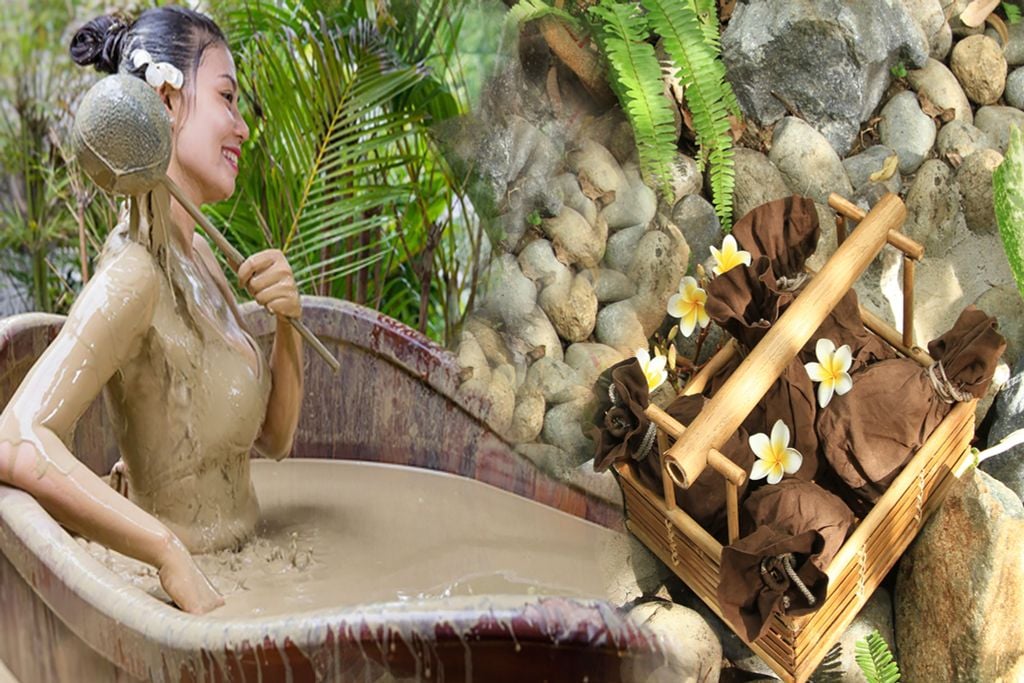
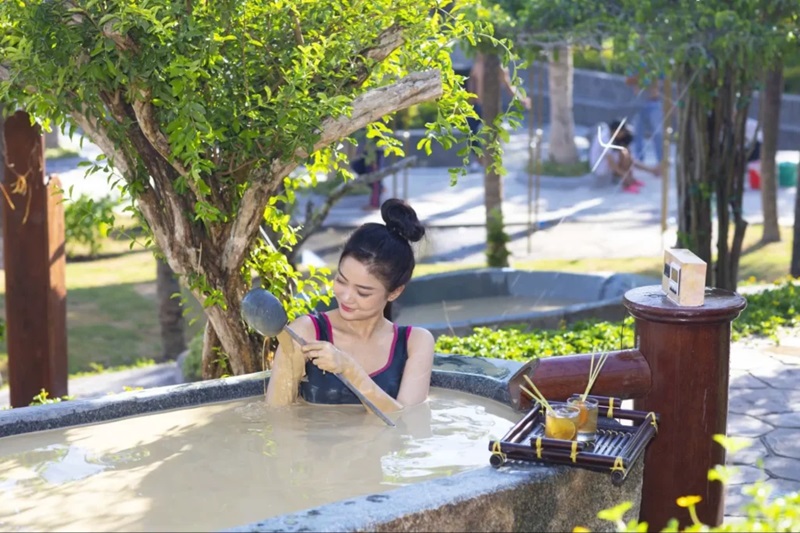
  2. Soak in warm mineral mud: The highlight of the experience. For 20–30 minutes, you submerge yourself in a mud-filled tub. The mud feels smooth and warm, enveloping the body in a comforting embrace. As you relax, minerals seep into your skin, nourishing cells and easing muscle fatigue.
  3. Wash off with hot mineral water: After soaking, you rinse off the remaining mud under streams of hot mineral water. This step cleanses the skin while the warm water continues to relax your muscles and close your pores.
Nha Trang mud spa offers relaxing, therapeutic soaking ritual

Additional Services

Most Nha Trang mud spa resorts don’t stop at mud baths. They offer a full range of wellness services, including:

  • Hydrotherapy massage: Powerful streams of hot mineral water massage the body, relieving stiffness and stimulating circulation.
  • Mineral hot pools: Large pools filled with mineral water where you can soak, swim, or simply float while enjoying the natural surroundings.
  • Massage and herbal steam therapy: Combining modern techniques with traditional Vietnamese herbs to detoxify the body and restore energy.

Together, these treatments create a comprehensive wellness experience that refreshes both body and soul.

Famous Mud Spa Resorts in Nha Trang

I-Resort Nha Trang

  • Features: Nestled in lush greenery and surrounded by natural landscapes, I-Resort is designed to blend harmoniously with nature. Its open-air architecture and scenic environment create a peaceful sanctuary.
  • Highlights: Offers a variety of services, from communal mud baths to private VIP packages. Facilities include swimming pools, children’s play areas, restaurants, and relaxation zones. Perfect for solo travelers, couples, or families.
I-Resort offers nature-inspired mud baths and family-friendly relaxation

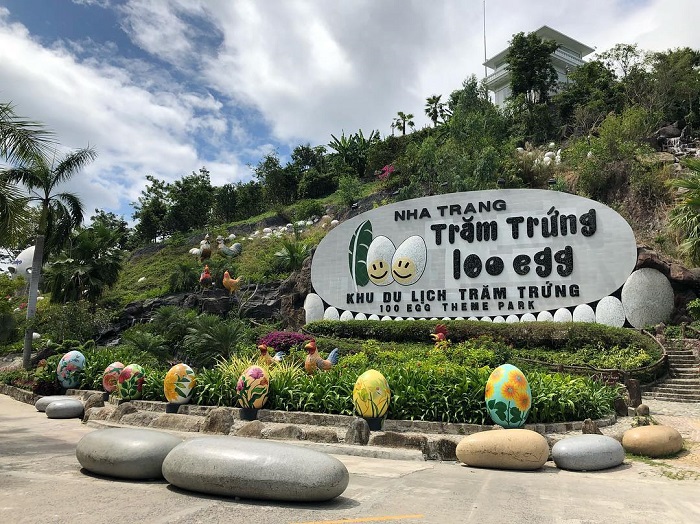
Trăm Trứng (100 Eggs) Tourist Park

  • Features: Known for its unique architecture, with giant egg-shaped mud tubs that create a playful and photogenic atmosphere.
  • Highlights: More than just mud baths, Trăm Trứng is a complex with entertainment facilities, restaurants, gardens, and check-in spots. It’s especially popular among families with children thanks to its fun design and vibrant environment.
Trăm Trứng combines playful egg-shaped mud baths with family entertainment

Tháp Bà Hot Springs Center

  • Features: The oldest and most iconic mud bath destination in Nha Trang, located near the city center for easy access.
  • Highlights: Affordable prices and reliable quality make it the go-to choice for both locals and tourists. Tháp Bà is historically significant as the pioneer of mud bathing services in Vietnam and continues to be a trusted brand today.
Tháp Bà offers iconic, affordable mud baths with historic wellness heritage

Useful Tips for Visiting a Mud Spa in Nha Trang

Best Time to Go

The ideal times are early morning or late afternoon, when the sun is not too strong. This helps avoid heat exhaustion and makes the experience more comfortable. After a morning swim in the sea, a mud bath is also the perfect way to balance your body’s temperature and recover your energy.

Best enjoy mud baths early morning or late afternoon for comfort

What to Bring

  • Swimwear, towels, flip-flops, and other personal essentials.
  • Avoid bringing jewelry or electronics, as they can easily be damaged by mud or water.
  • Book tickets in advance during the high season (summer months) to secure your spot.

Health Considerations

  • Limit soaking to 20–30 minutes per session to avoid fatigue.
  • People with heart disease, high blood pressure, or pregnant women should consult their doctors before trying.
  • Drink plenty of water after the session to rehydrate your body.
Soak moderately, stay hydrated, consult doctors for safe mud therapy

A Nha Trang mud spa is more than just a tourist activity — it is a fusion of relaxation, health care, and natural beauty. From its mineral-rich composition to its therapeutic benefits for skin and body, mud therapy offers a holistic way to rejuvenate yourself during your trip.

Whether you choose the modern facilities of I-Resort, the playful design of Trăm Trứng, or the traditional charm of Tháp Bà, each spa provides a unique experience that reconnects you with nature and revitalizes your spirit.

On your next visit to Nha Trang, don’t miss the chance to immerse yourself in a warm mineral mud bath, feel nature’s healing touch, and leave with glowing skin and renewed energy. It’s not just a spa treatment — it’s a natural gift that blends wellness, beauty, and relaxation into one unforgettable experience.

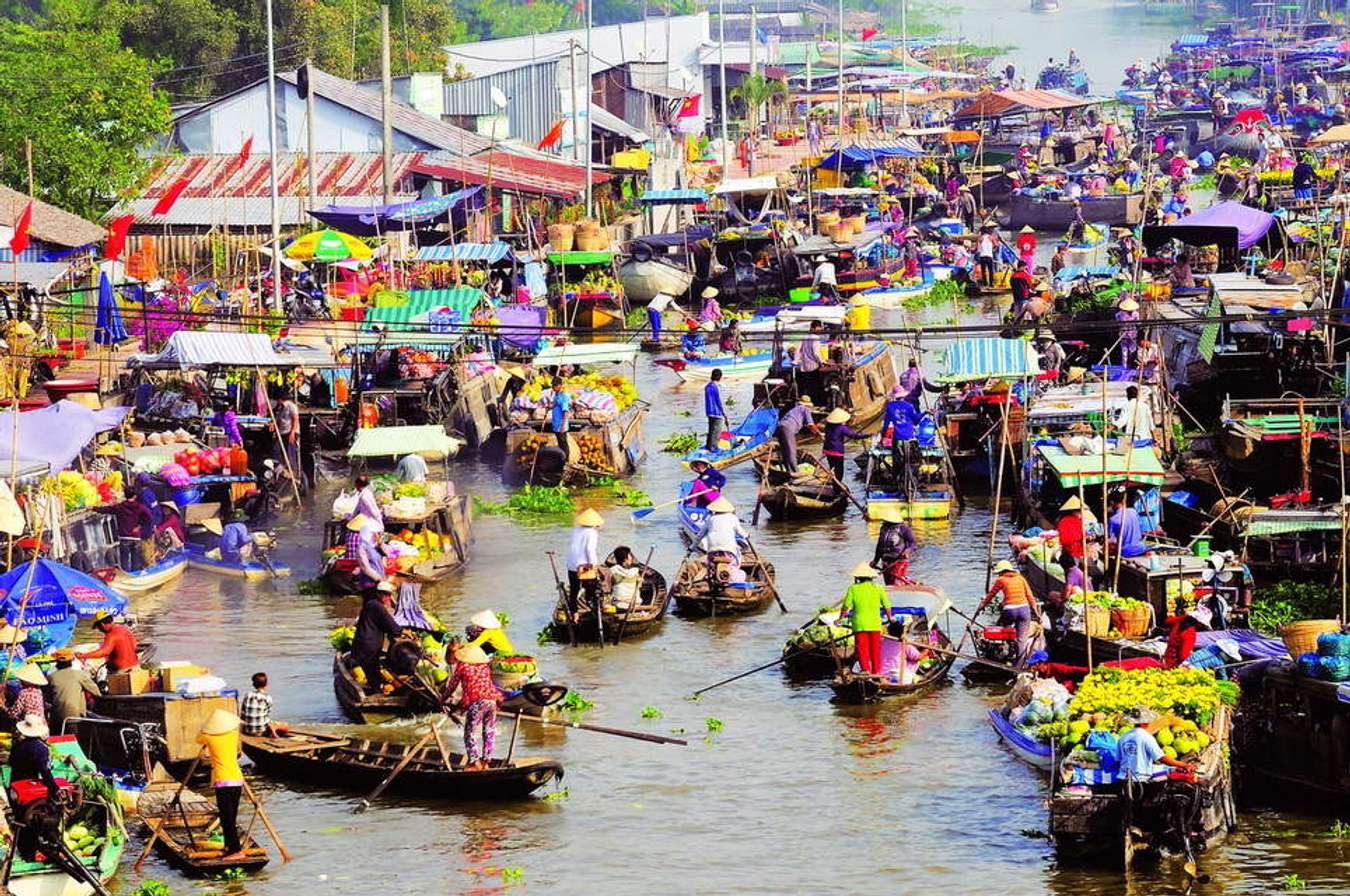
The Mekong Delta in southern Vietnam is often described as a vast tapestry of rivers, canals, rice fields, and lush orchards. Life here has always been closely tied to the waterways, where boats replace cars and rivers become roads. Among the most iconic cultural features of this region are its floating markets, where commerce and community come alive on the river.

And of all the floating markets, Cái Răng Floating Market in Cần Thơ is the most famous. More than just a marketplace, it is a living museum of southern Vietnamese culture, a vibrant hub of trade, and an unmissable destination for travelers. Visiting at sunrise is the best way to witness the market at its most authentic, when dawn light floods the Hậu River and hundreds of boats gather for the day’s trading.

Cái Răng Floating Market – A Unique Cultural Heritage of the Mekong Delta

An Overview of the Floating Market

A floating market is a traditional market where vendors and buyers meet not on streets, but on boats. This tradition arose naturally in the Mekong Delta, where countless rivers and canals connect villages and towns. For centuries, before roads were well-developed, waterways were the lifelines of the region. Farmers transported fruits and rice from their orchards and fields by boat, creating bustling floating markets as natural centers of exchange.

Cái Răng Floating Market, located about 6 kilometers from Cần Thơ’s city center, has existed for more than a century. It is among the largest and busiest floating markets in the Mekong Delta, with hundreds of boats gathering daily. Historically, it functioned as a wholesale market, supplying fruits, rice, and produce to towns and villages across the region. Today, while it continues to serve locals, it has also become a major cultural tourism attraction, recognized by both domestic and international travel magazines as a must-see destination.

Why Visit Cái Răng Floating Market at Sunrise?

The best time to experience the market is from 5:00 to 7:00 AM. This is when the river comes alive: boats loaded with produce arrive, vendors set up their stalls on the water, and buyers begin their rounds. The atmosphere is electric, full of energy yet rooted in tradition.

At sunrise, you can also enjoy the spectacular scenery of the Hậu River. As the sun rises, the sky shifts from deep purple to pink and golden orange, and the water mirrors the morning glow. The scene is magical, filled with the sounds of boat engines, vendors calling out, and the laughter of locals.

Visiting at dawn gives you the chance to witness both the tranquil beauty of nature and the dynamic rhythm of river life — a combination that defines the Mekong Delta’s charm.

A Journey into Cái Răng Floating Market at Dawn

Preparing for the Trip

For an unforgettable experience, preparation is key:

  • Timing: Depart around 5:00 AM to catch both the sunrise and the busiest hours of the market.
  • Transport: Boats depart from Ninh Kiều Wharf. Shared tours cost about 30,000–80,000 VND per person, while private boats (for 6–10 passengers) cost around 300,000–500,000 VND.
  • What to bring: A hat, sunscreen, light jacket, drinking water, and especially a camera or phone for photography.
  • Mindset: Floating markets are rustic and authentic. Don’t expect luxury or polished services; instead, embrace the raw beauty of local life.

Watching the Sunrise on the Hậu River

Leaving Ninh Kiều Wharf in the early morning, the river is calm and blanketed in a thin mist. The cool breeze refreshes you as the first rays of sunlight appear on the horizon. Slowly, the sky transforms into a canvas of colors — deep indigo giving way to pink, orange, and gold.

The moment when the sun rises above the palm trees and lights up the water is breathtaking. The reflection of light on the river, the silhouettes of boats, and the sound of paddles splashing create a scene of peace and serenity. It feels like time slows down, offering a meditative pause before the market’s bustle begins.

Experiencing the Market’s Bustling Energy

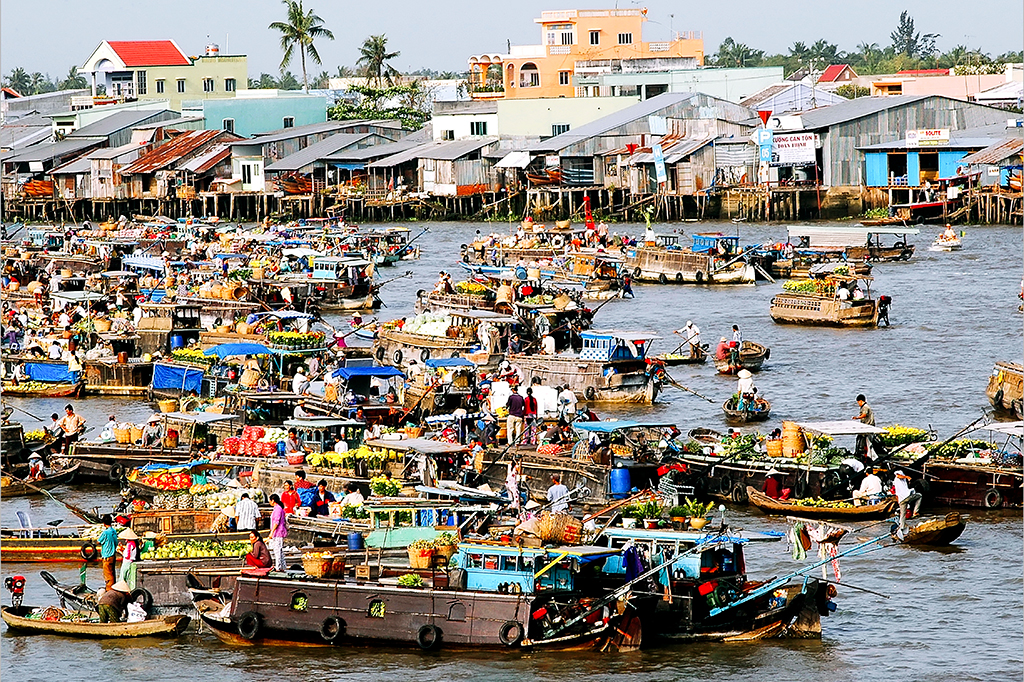
By 6:00 AM, the market is fully alive. Hundreds of boats, big and small, gather in the middle of the river, creating what looks like a floating town. Large boats are piled high with fruits, vegetables, and goods, while smaller boats weave through, selling hot food, drinks, and snacks.

One of the market’s most distinctive features is the bẹo pole — a long bamboo pole fixed to each boat with samples of the goods tied to the top. A boat selling pineapples will hang pineapples; one selling coconuts will hang coconuts. This ingenious yet simple method of advertising makes it easy for buyers to know what’s being sold, even from a distance.

The variety of products is astounding: mangoes, durians, rambutans, longans, jackfruit, papayas, coconuts, rice, vegetables, and fish. Many of these are fresh from the orchards and fields of nearby provinces. Transactions happen quickly, often with just a few words, a smile, or a nod — proof of the trust and familiarity among the river traders.

For visitors, it’s not just about shopping. It’s about soaking in the colors, sounds, and human warmth that make the floating market a symbol of Mekong life.

Enjoying Food and Local Delicacies on the River

Breakfast on the Boat

Perhaps the most unique experience at Cái Răng Floating Market is enjoying breakfast served directly on boats. Small mobile kitchens float among the larger boats, offering steaming hot bowls of local favorites:

  • Hủ tiếu (rice noodle soup): A Mekong Delta classic with pork, shrimp, broth, and quail eggs.
  • Bún riêu (crab noodle soup): Tangy and savory with tomato broth and crab paste.
  • Cháo lòng (pork offal porridge): Hearty, rustic, and comforting.
  • Bánh mì (Vietnamese baguette): Freshly baked and filled with grilled pork or eggs.

The experience of sitting on a rocking sampan, eating hot noodles while surrounded by the bustle of the market, is unforgettable. It’s breakfast with a view — and a story.

Coffee and Shopping on the Water

After breakfast, grab a cup of Vietnamese “floating coffee.” Vendors brew strong black coffee or cà phê sữa đá (iced coffee with condensed milk) in aluminum kettles, serving it with practiced ease. You can also try sugarcane juice, coconut water, or herbal tea.

In addition to food, the market is a great place to buy fresh tropical fruits directly from local farmers at affordable prices. Some boats also sell handicrafts, souvenirs, and everyday items made from bamboo, coconut leaves, or rattan. These make for meaningful keepsakes that reflect the spirit of the Delta.

Useful Tips for Visiting Cái Răng Floating Market

Choosing a Boat and Negotiating Prices

  • Always confirm the price before boarding to avoid misunderstandings.
  • If traveling in a group, rent a private boat for more freedom and flexibility. Solo travelers or couples can join shared tours for a lower cost.
  • Ensure the boat service provides life jackets and follows safety guidelines.

Interacting with Locals and Experiencing Culture

The people of the Mekong Delta are known for their friendliness and hospitality. Smile, greet them warmly, and don’t hesitate to ask questions about their daily life. Many vendors are happy to share stories about their families, their work, and how the market has changed over the years.

These small interactions bring authenticity to your visit, turning a sightseeing trip into a cultural exchange. You’ll leave with not only photos but also stories and connections.

Beyond the Market – Extending Your Cần Thơ Journey

While the floating market is the highlight, a trip to Cần Thơ offers much more:

  • Ninh Kiều Wharf: The departure point for market tours, also a lovely riverside promenade.
  • Bình Thủy Ancient House: A 19th-century French-style villa showcasing colonial architecture.
  • Fruit Gardens: Surrounding Cần Thơ are orchards where you can pick and taste tropical fruits.
  • Cần Thơ Museum: Learn about the region’s history, from ancient times to modern development.

Combining the floating market with these attractions gives you a fuller picture of life in the Mekong Delta.

Visiting Cái Răng Floating Market at sunrise is one of the most memorable experiences you can have in Vietnam. It’s not only about shopping for fruits or taking photos; it’s about witnessing a way of life that has endured for centuries. From the quiet beauty of dawn on the Hậu River to the vibrant chaos of boats trading, from enjoying breakfast on the water to chatting with locals, every moment brings you closer to the heart of the Mekong Delta.

For travelers, the market is both a cultural landmark and a living community. It’s where you see tradition alive, where commerce is inseparable from culture, and where hospitality flows as freely as the river itself.

If you visit Cần Thơ, don’t miss the chance to wake up early and spend a morning at Cái Răng Floating Market. It’s more than a tourist attraction; it’s a journey into the soul of Vietnam’s river culture — one that will stay with you long after you’ve left.

When it comes to beach getaways in Northern Vietnam, Cô Tô Island in Quảng Ninh province always stands out. Famous for its pristine beaches, unspoiled landscapes, and abundant seafood, this island is a dream destination for both nature lovers and food enthusiasts. Among the many experiences Cô Tô has to offer, nothing is quite as memorable as indulging in a seafood buffet. Fresh, diverse, and bursting with local flavors, it’s the ultimate treat for anyone visiting the island.

The Irresistible Charm of Seafood Buffets on Cô Tô Island

A Paradise of Fresh Seafood in Cô Tô

Blessed with rich marine resources, Cô Tô is home to a wide variety of seafood: lobster, crab, mantis shrimp, squid, abalone, clams, oysters, sea urchins, and even rare specialties like sá sùng (peanut worms).

The biggest highlight here is unparalleled freshness. Unlike seafood on the mainland that often requires freezing or long transportation, Cô Tô’s catch is harvested daily and cooked on-site. This ensures every dish retains its natural sweetness, rich flavors, and high nutritional value.

Visitors can even witness fishermen returning from the sea, their boats filled with lively crabs, wriggling squid, and baskets of fish. Within hours, these are turned into steaming hot dishes on your buffet table — an experience that mainland restaurants simply can’t replicate.

A Diverse and Free Dining Experience

Buffets are loved for their freedom of choice. On Cô Tô, seafood buffets let you sample dozens of dishes prepared in different styles:

  • BBQ grills: Grilled lobster, oysters with cheese, squid skewers with chili.
  • Steamed dishes: Crab with lemongrass, mantis shrimp with ginger, clams with beer.
  • Seafood hotpot: Packed with prawns, squid, clams, and fish in a rich broth.
  • Seafood salad: Refreshing dishes like jellyfish salad, clam salad, or fish ceviche.

Whether you’re traveling as a family, a group of friends, or part of a large tour, everyone can find something they love. Buffets are also perfect for trying multiple dishes without worrying about ordering limitations.

Discovering the Best Seafood Buffet Restaurants on Cô Tô

Hoàng Hôn Restaurant – A Romantic BBQ Experience

  • Location: Just by the beach, offering breathtaking sunset views.
  • Highlights: Specializes in outdoor seafood BBQ buffets with tables set directly on the sand. The atmosphere is vibrant, with fairy lights and the sound of waves crashing nearby.
  • Best for: Couples seeking a romantic dinner, or groups of friends who want a lively, energetic evening. Prices range from 350,000 – 500,000 VND per person, making it a memorable experience worth every penny.

Hải Âu Restaurant – Variety and Quality

  • Location: Right in the town center, easy to access from most hotels.
  • Highlights: Offers over 50 seafood dishes with live tanks where you can handpick your seafood before it’s cooked. From grilled squid to steamed crab, from tu hài (penis clam) to mantis shrimp, the menu is extensive.
  • Best for: Families and big groups looking for safe, reliable quality at reasonable prices (300,000 – 400,000 VND per person). A must-visit for those who want the authentic taste of Cô Tô.

Sứa Palace – Luxury and Elegance

  • Location: Inside a large hotel near the beach, with ample parking.
  • Highlights: Modern, air-conditioned dining hall with attentive staff. Seafood is cooked with finesse, beautifully plated, and served in a refined setting.
  • Best for: Travelers who want a premium buffet experience. Perfect for corporate trips, events, or anyone who values comfort and sophistication. Prices range from 450,000 – 600,000 VND per person.

Affordable Buffet Options for Travelers

If you’re on a tighter budget, don’t worry — Cô Tô also has smaller seafood buffet spots along the coast:

  • Buffet Biển Xanh (Blue Sea): Near Vàn Chảy beach, affordable at only 200,000 – 300,000 VND per person. Great for students and backpackers.
  • Hương Biển (Sea Breeze) Restaurant: A cozy venue with excellent crab, squid, and clam dishes.

These local eateries may not have the glamor of big-name restaurants, but they deliver authentic flavors and great value.

Tips for Enjoying Seafood Buffets on Cô Tô

The Best Time to Go

  • Early evening is ideal. You’ll get the freshest seafood while enjoying the magical scenery of sunset and nightfall by the sea.
  • During peak season (May to August), book in advance. Buffets are extremely popular and tables can fill up quickly, especially on weekends.

How to Pick the Freshest Seafood

  • Shrimp, crab, mantis shrimp: Choose ones that are still moving, with firm, strong claws.
  • Clams, oysters, snails: The shells should be tightly closed and feel heavy in hand.
  • Squid: Look for shiny skin, clear eyes, and firm, elastic flesh.
  • Fish: Clear eyes, red gills, and firm body.

By following these tips, you’ll always enjoy the highest quality seafood at your buffet.

Smart Buffet-Eating Tips

  • Start light: Begin with steamed or grilled dishes to savor the natural sweetness of seafood.
  • Take small portions: Buffets allow unlimited refills, so don’t overload your plate at once.
  • Mix it up: Try salads, hotpots, and side dishes to balance flavors and avoid feeling too full.
  • Go in groups: It’s more fun and cost-efficient since you can sample more dishes together.

A seafood buffet on Cô Tô Island isn’t just a meal — it’s a culinary journey into the heart of the sea. With freshly caught ingredients, diverse cooking styles, and unique restaurant atmospheres, it’s an experience that every traveler should try at least once.

Whether you choose the romance of Hoàng Hôn, the variety at Hải Âu, or the elegance of Sứa Palace, you’ll walk away with unforgettable memories and a satisfied palate. And if you’re on a budget, smaller local spots still deliver plenty of delicious options.

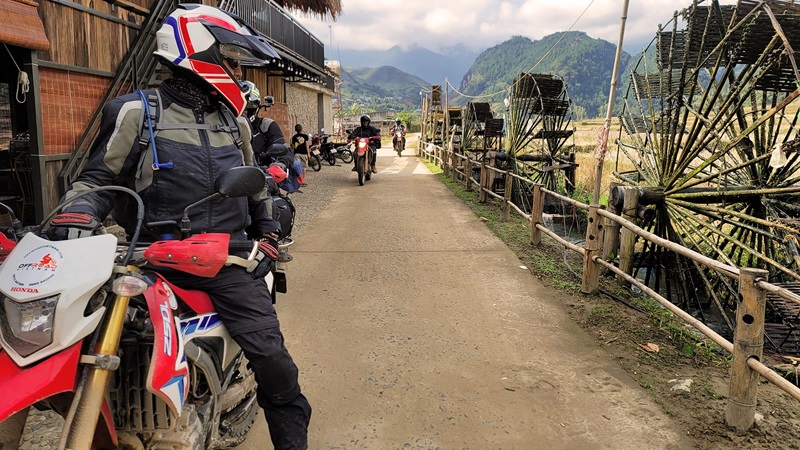
For adventurous souls, there is nothing quite like riding a motorbike across the remote mountains of Northwest Vietnam. Unlike a regular sightseeing tour, a Northwest Vietnam motorbike tour is about freedom, discovery, and immersion. Every turn of the wheel brings you closer to landscapes that defy imagination—towering limestone cliffs, endless terraced rice fields, valleys shrouded in mist, and winding passes that challenge both skill and spirit.

What makes this journey even more meaningful is not just the scenery, but the people. The Northwest is home to dozens of ethnic groups, each with their own language, customs, and traditions. From sharing meals with a H’Mong family in their earthen house to dancing around a Dao bonfire during a festival, the trip becomes a cultural adventure as much as a physical one.

A motorbike tour through this region is not simply a road trip; it is a test of endurance, a meditation in motion, and a story you will carry for life. This article explores why the Northwest calls out so strongly to adventurers, what routes to take, and what unforgettable experiences await.

Northwest Vietnam – A Call to Adventurous Souls

The Northwest has long been regarded as the “roof of Vietnam.” From here, the mountains rise in dramatic ridges, rivers carve deep valleys, and villages cling to slopes in defiance of gravity. Its beauty is wild, untamed, and humbling.

To the Vietnamese, the Northwest is a land of poetry and legend. To travelers, it is a place where every mile tells a story. The region’s reputation among motorbike riders is legendary. Iconic routes such as O Quy Ho Pass, Ma Pi Leng Pass, and Khau Pha Pass are spoken of with reverence. These roads demand focus and courage, with hairpin turns hugging cliffs and breathtaking views that unfold at every bend.

Yet, the Northwest is more than roads. It is the pulse of highland life. On the journey, you’ll meet children walking miles to school, elders weaving hemp cloth by hand, and farmers tending rice terraces that seem to climb into the sky. Each encounter reminds you that resilience is not just about surviving harsh conditions, but about thriving with joy and dignity.

This is why riders describe a motorbike trip here as a promise—a promise they make with themselves to return, again and again. No matter how many times you ride through the Northwest, there will always be a new valley, a new festival, a new friend waiting on the road ahead.

The Adventure Route and Unexpected Discoveries

Preparing for the Journey

Before setting off, preparation is everything. The roads of Northwest Vietnam are beautiful but demanding. Weather changes quickly, fuel stations are sparse in remote areas, and mountain passes can test even the most experienced riders.

  • The Motorbike: A sturdy manual or semi-automatic motorbike is essential. Popular choices include Honda Winner, Yamaha Exciter, or the rugged Honda XR150. Always check brakes, tires, headlights, and carry a repair kit with spare tubes and a mini pump.
  • Clothing and Gear: The climate shifts from valley heat to mountain chill in a matter of hours. Pack lightweight clothing, but also a thick jacket, rain gear, gloves, boots with good grip, and a multipurpose scarf. A quality helmet is non-negotiable.
  • Documents: Bring your driver’s license, motorbike registration, travel insurance, and identification. Foreign travelers should carry an International Driving Permit.
  • Mindset: Above all, bring a spirit of flexibility and openness. Roads may be blocked by landslides, weather may delay progress, and strangers may offer unexpected kindness. It’s all part of the adventure.

Discovering Natural Beauty and Ethnic Identity

Moc Chau – Plateau of Milk and Blossoms

Often the first stop on a Northwest Vietnam motorbike itinerary, Moc Chau Plateau in Son La Province is a land of tea and flowers. Its vast tea plantations roll like green waves across gentle hills, and in spring, apricot and plum blossoms transform the landscape into a white paradise.

Motorbiking through Moc Chau feels like gliding across a natural painting. Along the way, you can stop at Dai Yem Waterfall, Ban Ang Pine Forest, or the iconic Heart-Shaped Tea Hill. The plateau is also famous for dairy farms, where you can try fresh milk, yogurt, and cheese made by local farmers.

Moc Chau offers not just nature, but hospitality. Ethnic Thai families often invite travelers into their stilt houses, serving hot tea and home-cooked dishes such as grilled stream fish and stir-fried veal. Even a short stop here becomes a window into a slower, gentler way of life.

Ha Giang – Where Rocks Bloom with Flowers

If Moc Chau is gentle, Ha Giang is fierce and majestic. Known as the gateway to Vietnam’s far north, Ha Giang captivates with jagged limestone mountains, vertiginous cliffs, and villages that seem to defy gravity.

The Ha Giang Loop, a motorbike circuit through Dong Van, Meo Vac, and Yen Minh, is considered one of the greatest rides in Asia. Each section offers something different: the lunar-like landscape of the Dong Van Karst Plateau, the emerald ribbon of the Nho Que River winding through Ma Pi Leng Canyon, and the rolling pine forests of Yen Minh.

Come in October or November, and Ha Giang wears a softer face. Hillsides burst into bloom with buckwheat flowers, their pink and purple petals spreading across the rocky plateau. Villages hold flower festivals, and highland markets buzz with life as H’Mong, Dao, and Lo Lo people gather in their finest costumes.

Another highlight is the Lung Cu Flag Tower, marking Vietnam’s northernmost point. Climbing to its top, you stand beneath the red flag fluttering in the wind, gazing across mountains that stretch endlessly into China. It is a moment of pride, humility, and connection to the land.

Sapa – Land of Clouds and Rice

Further west lies Sapa, the “city in the clouds.” This mountain town is famous for terraced rice fields, carved into hillsides like giant staircases to the sky. In autumn, the terraces turn golden, creating a sight so magnificent that travel magazines worldwide rank them among the most beautiful on Earth.

Motorbiking through Sapa takes you beyond the town center, into villages like Cat Cat, Ta Van, and Lao Chai. Here, you’ll see H’Mong women weaving hemp, Dao men carving silver jewelry, and children playing barefoot in fields. The blend of natural beauty and cultural richness makes Sapa unforgettable.

In winter, Sapa surprises with snow, a rarity in tropical Vietnam. Mist drifts through valleys, rooftops glisten with frost, and the air smells of pine smoke. It feels like stepping into another world.

Food is also a highlight: thang co (a traditional horse stew), grilled salmon, sticky rice cooked in bamboo, and the sharp flavor of apple wine. In the evening, nothing compares to sitting by a fire in a homestay, sipping corn wine, and listening to the haunting notes of a H’Mong flute.

Unforgettable Experiences

A motorbike journey across Northwest Vietnam is not only about destinations, but also the experiences between them:

  • Crossing Legendary Passes: Conquer the heights of O Quy Ho, Khau Pha, and Ma Pi Leng Pass. Each is a test of skill, but the reward is panoramic views of valleys and rivers below.
  • Staying in Homestays: Sleep in wooden stilt houses or earthen homes. Share meals of sticky rice and smoked buffalo with families who welcome you as one of their own.
  • Joining Festivals: From the Gau Tao festival of the H’Mong to the Fire Dance of the Dao and the Khau Vai Love Market, each celebration reveals resilience, spirituality, and joy.
  • Chasing the Sea of Clouds: At dawn in Ta Xua, Y Ty, or Sapa, the mountains rise above waves of drifting clouds. It is nature’s most poetic gift, rewarding every mile of effort.

A Promise to Return

A Northwest Vietnam motorbike tour is more than a checklist of destinations. It is an intimate journey of connection—with landscapes, with people, and with yourself. The roads challenge you, the mountains inspire you, and the villagers remind you of life’s simple joys.

The region is too vast to explore in one trip and too captivating to see only once. Each season offers a new face: spring with white plum blossoms, summer with green rice terraces, autumn with golden harvests, and late fall with pink buckwheat blooms.

Riders who complete the tour often find themselves planning a return. Perhaps to take a different route, to revisit a homestay family, or simply to feel the wind on their face as the mountains roll by. The Northwest becomes not just a destination, but a calling.

So, if you are searching for an adventure that challenges your spirit, ignites your curiosity, and rewards you with unforgettable beauty, pack your bag, rev up your motorbike, and head north. Freedom, discovery, and the vibrant soul of Vietnam’s highlands are waiting.

Hoan Kiem Lake (also known as Ho Guom) has long been a symbol of Hanoi – a place tied to history, culture, and the vibrant rhythm of the capital. Located right at the city’s heart, Hoan Kiem is not only a popular sightseeing spot but also a hub for food and leisure experiences. Among them, sipping coffee at rooftop cafés overlooking the lake has become a “must-try” activity for both locals and visitors.

From above, Hoan Kiem Lake appears like a poetic painting – shimmering under the morning sun or sparkling with city lights at night. If you are looking for the perfect spot to enjoy coffee with a view, here are 6+ of the best rooftop cafés around Hoan Kiem Lake, Hanoi.

1. The Note Coffee – A Rooftop Filled with Sticky Notes

  • Address: 64 Luong Van Can, Hoan Kiem, Hanoi
  • Highlight: Walls and ceilings covered with colorful sticky notes left by visitors.

The Note Coffee is famous as “the most colorful sticky-note café in Hanoi.” Every visitor leaves a small note with a wish, thought, or memory, making the space vibrant and heartwarming. Its rooftop floor is small but offers a charming view directly toward Hoan Kiem Lake, especially beautiful in the early morning and at sunset.

Signature drinks include egg coffee, lattes, and fresh smoothies. Prices range from 40,000 – 70,000 VND. It is loved by young travelers and international tourists alike, often featured in global travel blogs.

The Note Coffee colorful sticky-note café overlooking Hoan Kiem Lake Hanoi

2. Highlands Coffee (Ham Ca Map) – Direct View of Turtle Tower

  • Address: 1–3–5 Dinh Tien Hoang, Hoan Kiem, Hanoi
  • Highlight: Prime “diamond” location with a straight-on view of Turtle Tower.

Located in the iconic Ham Ca Map (Shark Jaw) building, this Highlands Coffee has one of the most spectacular lake views in Hanoi. From its upper floors, you can see the whole of Hoan Kiem Lake, Turtle Tower in the middle, and the lively Dinh Tien Hoang Street below. At night, the lights from the Old Quarter reflected on the lake create a truly romantic scene.

The space is modern, spacious, and perfect for groups, families, or solo travelers. The menu is diverse, offering Vietnamese phin coffee, frappes, and lotus tea, priced at 40,000 – 65,000 VND.

Highlands Coffee Hàm Cá Mập offers panoramic Hoan Kiem Lake views, modern space

3. The Church Cafe Rooftop – A Peaceful Corner by the Lake

  • Address: 1 Nha Tho, Hoan Kiem, Hanoi
  • Highlight: Small, cozy rooftop near St. Joseph’s Cathedral.

Unlike bustling rooftops, The Church Café offers a calmer vibe. From here, you can glimpse both Hoan Kiem Lake and the grand Gothic architecture of St. Joseph’s Cathedral. Decorated in minimalistic tones of brown and white, the rooftop provides a relaxing, romantic atmosphere.

The café serves hand-crafted coffee, herbal teas, and homemade desserts. Prices range from 50,000 – 80,000 VND. It’s the perfect spot for couples or anyone seeking tranquility in the Old Quarter.

The Church Café offers a tranquil rooftop view of cathedral and lake

4. Eden Coffee – Bohemian Rooftop with Cathedral & Lake Views

  • Address: 2 Nha Tho, Hoan Kiem, Hanoi
  • Highlight: Bright, colorful bohemian-style décor and a panoramic rooftop.

Eden Coffee is one of the most Instagrammable rooftop cafés in Hanoi. Its colorful boho décor, lush greenery, and open-air seating make it a favorite among young people. From the rooftop, you get a close-up view of St. Joseph’s Cathedral and a distant view of Hoan Kiem Lake.

The menu features espresso, cappuccino, mocha, fruit teas, and mocktails. Prices range from 60,000 – 100,000 VND. This café is particularly lively in the evening, when the cathedral and surrounding streets glow with lights.

Eden Coffee features boho rooftop décor, cathedral views, vibrant Instagrammable vibes

5. Cộng Coffee (Ham Ca Map) – Nostalgia with a Lake View

  • Address: 1–3–5 Dinh Tien Hoang, Hoan Kiem, Hanoi
  • Highlight: Vintage “subsidy-era” style décor combined with a direct view of Hoan Kiem Lake.

Cong Caphe is a well-known chain throughout Vietnam, famous for its nostalgic design inspired by the subsidy era. The Ham Ca Map branch has a rooftop overlooking Hoan Kiem Lake, making it an excellent spot to enjoy their signature coconut coffee while watching the hustle and bustle below.

The space is decorated with old radios, typewriters, and retro furniture, offering a cozy, memory-filled atmosphere. Drinks cost around 45,000 – 70,000 VND. It’s a great choice for both locals and tourists who want to combine vintage vibes with beautiful views.

Vintage rooftop café with coffee, Hoan Kiem views

6. Top of Hanoi – The Most Luxurious Rooftop in the City

  • Address: 65th Floor, Lotte Center, 54 Lieu Giai, Ba Dinh, Hanoi
  • Highlight: The highest open-air rooftop in Hanoi, panoramic city views.

Although not located right next to Hoan Kiem Lake (about 3 km away), Top of Hanoi deserves a spot on this list. At over 260 meters high, it offers a sweeping panoramic view of the capital, including Hoan Kiem Lake sparkling at night.

The rooftop bar is stylish and spacious, perfect for romantic dates or upscale dinners. The menu includes cocktails, wine, mocktails, and coffee. Prices range from 120,000 – 300,000 VND per drink. While pricier than average, the experience is worth it for those who want to see Hanoi “from the clouds.”

Luxury rooftop bar with panoramic Hanoi skyline views

7. Rooftop Coffee 4P’s – Italian Dining Meets Hoan Kiem Views

  • Address: Trang Tien Plaza, 24 Hai Ba Trung, Hoan Kiem, Hanoi
  • Highlight: Combines authentic Italian dining with a rooftop café view.

Pizza 4P’s is already famous for its artisan pizzas and pastas, but its rooftop café is a hidden gem. From here, you can see Hoan Kiem Lake and the shimmering lights of Trang Tien Street at night.

The rooftop is modern and elegant, with comfortable seating both indoors and outdoors. Besides coffee, visitors can enjoy gourmet pizzas, creamy pastas, and desserts. Prices average 100,000 – 250,000 VND per person. It’s an ideal choice for those who want to combine dining and sightseeing in one stop.

Rooftop dining combines artisan pizza, lake views, city lights

Tips for the Best Rooftop Coffee Experience

  • Best time to go: Early morning for sunrise or late afternoon for sunset. Evening is also magical with city lights.
  • Weekends are crowded: Hoan Kiem becomes a pedestrian zone on weekends, so book in advance or go early to secure a rooftop spot
  • Photography tips: Sit outdoors with natural lighting, avoid sitting directly under bright lamps for better photos.
Best visit mornings or sunsets; book early, choose outdoor seating for photos

Enjoying a cup of coffee at a rooftop café around Hoan Kiem Lake is more than just drinking coffee—it’s about experiencing Hanoi’s culture and lifestyle from a new perspective. Each café offers something unique: vibrant sticky notes, nostalgic vintage décor, luxurious sky-high views, or lively bohemian vibes.

Whether you’re a traveler exploring the capital or a local looking for a refreshing escape, don’t miss the chance to sit on a rooftop overlooking Hoan Kiem Lake. It’s the perfect way to capture the essence of Hanoi: a city that is both ancient and modern, bustling yet peaceful, and always full of charm.