Vietnam Travel Blog

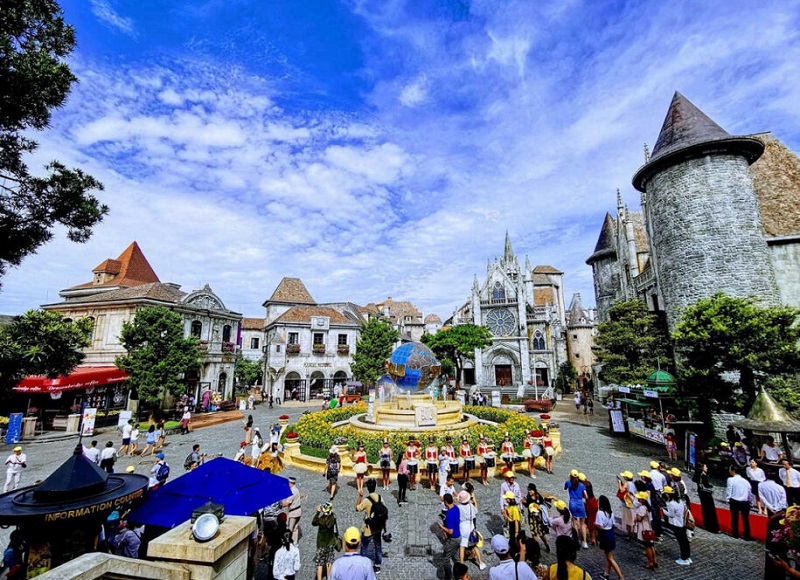
Chances are, you’ve seen the famous photo of a colossal stone hand lifting a gleaming bridge above the mist — that’s the Golden Bridge, perched high in the clouds at Ba Na Hills, Da Nang’s most iconic attraction. From the outside, Ba Na Hills resembles a mountaintop medieval castle, but beyond its gates lie lavish hotels, whimsical villages, and a massive indoor amusement park.

Welcome to your all-in-one guide to Ba Na Hills. We’ll walk you through the must-see attractions, exciting activities, and insider travel tips to make your experience seamless and unforgettable. Whether you’re chasing stunning views, adrenaline-pumping rides, or that once-in-a-lifetime photo, this guide has you covered.

Introduction to Ba Na Hills

Situated at 674.5 meters above sea level, Ba Na Hills is often dubbed the “green lung” of Central Vietnam. Tucked in the mountains, it provides a refreshing escape from the coastal heat. Within a single day, you might experience all four seasons — spring in the morning, summer at noon, autumn by afternoon, and a touch of winter at dusk. It’s no surprise that both locals and visitors are enchanted by it.

Originally developed as a tranquil French colonial resort, Ba Na Hills has evolved into a magical mountain retreat with record-breaking cable cars, fairytale villages, and of course, the world-famous Golden Bridge resting in giant stone hands.

Essential info for planning:

  • Address: An Son Village, Hoa Ninh Commune, Hoa Vang District, Da Nang
  • Tickets: 900,000 VND ($38.50) for adults, 750,000 VND ($32) for kids between 1–1.4 meters, free for children under 1 meter
  • Opening hours: 8:00 AM – 5:00 PM, daily
  • Don’t miss: The Golden Bridge, indoor amusement park, Le Jardin d’Amour gardens, French Village
  • Pro tip: Buy tickets online in advance to skip the queues — and potentially save up to 20%.

Best Things to Do in Ba Na Hills

Discovered by the French in 1901 as a hill station, Ba Na Hills has kept much of its European charm. From quaint buildings to elegant hotels, the influence is still felt today.

Now covering a massive 21,000 square meters, Ba Na Hills is filled with thrilling attractions, themed gardens, and picturesque corners. With so much to see, having a plan or a guide helps you make the most of your adventure.

Ride the Record-Breaking Ba Na Hills Cable Car

A highlight for most visitors, the cable car ride to Ba Na Hills holds several world records, including the longest non-stop cable car and the greatest height difference between two stations — an incredible 1.4 kilometers.

As you ascend, you’ll glide above dense forests, cascading waterfalls, and mist-covered hills. The ride offers jaw-dropping views and a dreamlike atmosphere. With 94 cabins in operation, the ride is both smooth and scenic.

Try Traditional Tea at Tru Vu Tra Quan

Hidden in a serene spot within the Ba Na Hills village lies Tru Vu Tra Quan — a peaceful tea house designed in traditional Vietnamese style. Surrounded by nature and Zen-inspired décor, it’s an ideal spot to relax and recharge.

Guests are invited to experience an authentic Northern Vietnamese tea ceremony, with gentle music and panoramic views that create a sense of harmony. It’s a culturally rich and tranquil escape from the bustling crowds.

Explore the Wax Museum

The Wax Museum at Ba Na Hills is Vietnam’s first, showcasing life-sized statues of 49 famous figures from film, sports, politics, and entertainment. Crafted by Italian artists, the likenesses are stunning — think Angelina Jolie, Steve Jobs, Lady Gaga, and Barack Obama.

There’s also an exhibit detailing how the wax figures are made, highlighting everything from sculpting facial features to matching skin tones. It’s a fun and educational stop, especially for pop culture fans and families.

Stroll Along the Iconic Golden Bridge

Perhaps the most recognized landmark in Ba Na Hills, the Golden Bridge spans across Thien Thai Garden, linking the French Village with the Garden of Love. Designed by TA Landscape Architecture, the giant stone hands supporting the bridge symbolize a mountain god guiding people to paradise.

Named one of TIME Magazine’s World’s Greatest Places in 2018, this 150-meter-long bridge offers breathtaking views. On clear days, it feels like you’re walking through the sky — with mountains below and clouds all around.

Discover Le Jardin d’Amour – The Gardens of Love

Le Jardin d’Amour is a French-style botanical paradise featuring nine uniquely themed flower gardens, each with its own story and atmosphere. Ideal for couples, families, and photography lovers alike, this attraction is full of color and charm.

Highlights include:

  • Suoi Mo Garden: Soft tones of Kim Kim and Aparang flowers
  • Garden of Eden: An ideal sunrise spot with symbolic bellflowers
  • The Mysterious Garden: Tall hedges forming a charming green maze
  • Garden of Lovers: Romantic French-style architecture and décor
  • Reflective Garden: Designed to mimic the calm flow of thoughts
  • Mythological Garden: Inspired by ancient Greek gods and legends
  • Garden of Remembrance: A tribute to the four seasons and memories
  • Sacred Garden: A space for celebrating love and commitment
  • Vineyard Garden: Reminiscent of the vineyards of southern France

Ride the Alpine Coaster

Craving a bit of excitement? Don’t miss the Alpine Coaster. This gravity-powered ride winds through the forest, delivering a fast, thrilling descent through sharp curves and steep slopes.

Set in the French Village, each coaster cart includes a manual brake, giving you control over your speed — up to 40 km/h if you’re feeling bold. Open daily from 8:00 AM to 5:00 PM, it’s a great option for both families and thrill-seekers.

Experience the 4D Death Race

The 4D Death Race Ride is not your average theater experience. Located in Fantasy Park, it simulates a high-speed Formula 1 race using motion-synchronized seats, 3D visuals, and special effects like wind and smoke.

With 28 moving seats and immersive sound, it puts you right in the action. It’s a must-try for adrenaline fans or anyone wanting a cool escape from the heat.

The Drop Tower Adventure

Ba Na Hills’ Drop Tower takes you from the clouds to the depths of the earth in one thrilling plunge. At 29 meters (95 feet), the ride begins with panoramic views through a glass dome before dropping you into a themed underworld inspired by Jules Verne’s Journey to the Center of the Earth.

It’s fast, immersive, and full of fantastical elements — a top attraction for adventure lovers.

Where to Eat at Ba Na Hills

Hungry? You’ll find several excellent dining choices across Ba Na Hills:

  • Arapang Restaurant: The largest buffet on-site, offering a mix of Vietnamese, Asian, and European dishes. The red-brick walls and wooden décor inspired by the Arapang flower make it visually striking.
  • Beer Plaza: Designed like a golden beer mug, this venue offers hearty meals, live music, and energetic performances. A great spot for food and entertainment.
  • La Crique & Café Postal: A Spanish-themed eatery with cozy, vintage vibes — think deep red ceilings, antique furniture, and plush seating.
  • The Louvre Restaurant: A stunning glass tower inspired by Paris’s Louvre. Inside, over 200 authentic Chinese dishes are served, offering a unique take on Vietnamese-Chinese cuisine.

Where to Stay Overnight at Ba Na Hills

Staying overnight allows you to enjoy Ba Na’s full range of moods — sunrise, misty mornings, golden afternoons, and tranquil nights. There are currently only three hotels inside the park:

  • Morin Hotel: A 3-star hotel with Deluxe (30m²) and Suite (65m²) rooms. Features include a modern bar and restaurant serving both Asian and Western cuisine.
  • Debay Hotel: A quieter, more intimate hotel offering Deluxe (23m²), Deluxe Superior (25m²), and Suite (45m²) rooms. Great for those seeking peace.
  • Mercure Ba Na Hills French Village: The top-tier 4-star hotel with elegant rooms facing the village. Facilities include a gym, spa, indoor pool, bar, bakery, and boutique shops.

Getting to Ba Na Hills from Da Nang

Traveling to Ba Na Hills from Da Nang is simple. The distance is about 25 km and the drive usually takes 45 minutes to 1 hour.

By Taxi

  • Cost: 350,000–500,000 VND ($15–$22)
  • Recommended companies: Vinasun, Mai Linh, Tien Sa

By Motorbike

  • Cost: 100,000–170,000 VND/day ($4–$7)
  • Best for experienced drivers with a valid license

By Shuttle Bus

  • First departure: 8:00 AM | Last return: 4:30 PM
  • Round trip: 120,000–150,000 VND (~$5–$7)
  • One way: 100,000 VND ($4.50)

Tip: Many tour companies offer combo packages that include Da Nang–Ba Na–Hoi An transport, cable car tickets, meals, and guides for a worry-free experience.

Best Time to Visit Ba Na Hills

The ideal time to visit depends on your preferences. From April to August, Vietnamese families often take summer vacations, making it the busiest season — lively, bustling, and perfect if you enjoy energy and crowds.

Prefer a quieter experience? Travel between September and March when fewer tourists visit, but the scenery is just as magical.

Ba Na’s weather is famously unpredictable — and charming. Expect spring-like mornings, sunny afternoons, breezy evenings, and cool nights — all in a single day. Dress accordingly and pack layers!

If you’re planning a trip to Vietnam and want to explore the central region, Hue should definitely be on your itinerary. This former imperial city, nestled along the Perfume River, is a UNESCO World Heritage Site celebrated for its grand mausoleums, royal tombs, and historic palaces from the Nguyen Dynasty. But how exactly do you travel from Hanoi to Hue?

Fortunately, there are multiple ways to make the journey — each offering a unique experience and perspective of Vietnam. Here’s a straightforward guide to the most popular ways to travel from Hanoi to Hue:

1. Flying from Hanoi to Hue

The fastest way to reach Hue from Hanoi is by plane. The two cities are about 720 km apart, and flying takes just over an hour.

Airports:

  • Noi Bai International Airport (Hanoi): Around 28 km from the city center; you can get there in 35–50 minutes.
  • Phu Bai International Airport (Hue): Approximately 15 km from downtown, with a travel time of 25–30 minutes.

Airlines:

Vietnam Airlines and VietJet Air both operate direct flights between Hanoi and Hue. A typical one-way flight lasts about 1 hour and 15 minutes.

Ticket prices usually range from €30 to €100, depending on the season and how far in advance you book. Prices can be higher during national holidays.

Which Airline to Choose?

  • Vietnam Airlines: Known for reliable service and comfort, though slightly more expensive.
  • VietJet Air: More budget-friendly and frequent, but occasional delays are possible.

2. Taking the Train from Hanoi to Hue

For a more scenic and laid-back experience, the train is a great option. The route offers stunning views of Vietnam’s countryside, including mountains, coastline, and peaceful rural landscapes.

  • Hanoi Railway Station: Located at 120 Le Duan Street — easily accessible from central Hanoi.
  • Hue Railway Station: Found at 2 Bui Thi Xuan — right in the city center.

The journey takes about 13 to 14 hours, making it a good overnight option to save on accommodation. Tickets can be booked online via Vietnam Railways or directly at the station.

Prices vary from €25 to €75, depending on the seat class (hard seat, soft seat, or sleeper cabin).

3. Traveling by Sleeper Bus from Hanoi to Hue

A popular budget option is the sleeper bus. The trip typically takes 12 to 14 hours and is the cheapest way to get between the two cities, with tickets costing around $10 to $15 USD.

Queen Cafe is a well-known bus company that operates this route, with a pickup point at 208 Tran Quang Khai, near Hanoi’s Old Quarter. Many hotels also offer booking assistance for added convenience.

4. Limousine Bus from Hanoi to Hue

For added comfort on the long journey, a limousine bus might be your best bet. These premium buses are more spacious and often include Wi-Fi, snacks, and personal entertainment screens.

Thuy Ngan Limousine and Nhat Tuan Limousine are two top-rated providers known for their quality service. A one-way ticket typically costs about $20 USD. Booking ahead is recommended to ensure availability.

5. Travel Tips for Getting from Hanoi to Hue

  • Arrive early:
    • For trains/buses: Aim to arrive at least 30 minutes before departure.
    • For flights: Check in at least 1 hour early or do it online in advance.

  • Book wisely: Use reputable booking websites or apps for transportation tickets.
  • Pack essentials: Bring snacks, water, and your identification or travel documents — especially useful for long train or bus rides.
  • Protect your belongings: Be mindful of your luggage, especially in crowded terminals or stations.
  • Plan your timing: Choose a departure time that aligns well with your hotel’s check-in time in Hue.

Hue is a must-visit destination in Vietnam — especially for history enthusiasts or anyone seeking a peaceful, romantic atmosphere. Whether you prefer the speed of a flight, the charm of a train ride, or the budget-friendliness of a bus, thoughtful planning will make your trip smoother and more enjoyable.

Take in the incredible scenery along the way, prepare your essentials, and choose the travel method that fits your needs. You’re all set to explore the cultural treasures of Hue. Safe travels!
As Vietnam’s former imperial capital, Hue offers more than just beautiful architecture and ancient monuments—it invites you to experience a cuisine steeped in tradition and elegance. Here, history lives on in the vibrant local eateries, time-honored street food stalls, and, most notably, in the city’s famous royal cuisine.

Every corner of Hue’s culinary scene reveals a unique flavor, with restaurants proudly serving their signature specialties. If you truly want to explore the rich tapestry of Hue’s food culture, knowing the right places to eat is essential.

Wondering where to sample the very best of Hue’s flavors? Read on to uncover the top dining destinations for an unforgettable food journey through this charming city.

Experience Hue’s Exquisite Royal Cuisine

Hue’s royal cuisine is among Vietnam’s most refined culinary traditions. Originally prepared for the emperors of the Nguyen Dynasty, these meals were designed not just to nourish but to impress—balancing flavors, textures, and presentation in stunning harmony. With more than 1,700 documented dishes, this cuisine blends savory and sweet, utilizing fresh, seasonal ingredients and meticulous techniques passed down through generations.

Today, you can enjoy this regal legacy at Hue’s royal cuisine restaurants, where skilled chefs faithfully recreate historic recipes. These elegant venues often go beyond just serving food—they offer an immersive experience. You can explore displays of antique utensils and royal artifacts, admire traditional artwork, and even take part in cooking classes to learn the secrets behind these majestic dishes.

To elevate your visit, many restaurants also invite guests to dress in royal costume for a memorable photo session—bringing history to life in the most delicious way possible. It’s an unmissable cultural and culinary experience that captures the spirit of Hue like no other.

1. Ancient Huế Gallery Cuisine

  • Address: 104/47 Kim Long, Ancient Hue Garden Houses, Hue
  • Opening Hours: Daily, 10:00 AM – 10:00 PM

Nestled in the historic village of Phu Mong – Kim Long, not far from Linh Mu Pagoda, Ancient Hue Gallery Cuisine offers a tranquil and immersive dining experience by the serene Kim Long River. Set within traditional wooden houses dating back to the 19th century, the restaurant combines classical Hue architecture with lush gardens, creating a peaceful retreat where you can enjoy authentic royal cuisine in a setting rich with heritage.

2. Cung Dinh Hue Restaurant

  • Address: 03 Nguyễn Sinh Sắc, Vĩ Dạ Ward, Hue
  • Opening Hours: Daily, 11:30 AM – 9:00 PM

Step into the refined world of Vietnam’s imperial past at Cung Dinh Hue Restaurant. Designed to reflect the grandeur of the Nguyen Dynasty, this elegant venue serves a fusion of traditional Vietnamese, Asian, and European dishes. Royal specialties such as banh khoai (Hue-style pancakes) and intricately presented soups are accompanied by live performances of traditional Hue music, enhancing the cultural ambiance of your meal.

3. Cung Dinh Restaurant – Huong Giang Hotel Resort & Spa

  • Address: 51 Lê Lợi, Huong Giang Hotel Resort & Spa, Hue
  • Opening Hours: Daily, 10:00 AM – 10:00 PM

Located within the Huong Giang Hotel Resort & Spa, Cung Dinh Restaurant boasts stunning views of the Perfume River and a regal dining atmosphere. Guests are treated to a full imperial banquet experience, where dishes are artfully presented in the style of ancient royal feasts. With refined flavors and meticulous preparation, this is an ideal setting for those seeking a taste of Hue’s courtly traditions, accompanied by live Hue music.

4. Không Gian Xưa Restaurant

  • Address: 98 Minh Mạng, Thủy Xuân, Hue
  • Opening Hours: Daily, 9:00 AM – 9:00 PM

Spanning over 2,000 square meters, Không Gian Xưa combines old-world charm with modern sophistication. Its expansive space, reminiscent of an ancient royal villa, sets the tone for an elevated dining experience. The menu features both Hue classics and luxurious offerings such as lobster and abalone. Highlights include tôm hấp hình lan—steamed shrimp crafted in the shape of orchids. With personalized service and thoughtful recommendations, every meal here feels like a royal occasion.

Top Family-Friendly Restaurants in Hue for a Memorable Meal

1. Cơm Niêu Chạn

  • Address: 1 Nguyễn Thái Học, Phú Hội, Hue
  • Opening Hours: Daily, 10:00 AM – 10:00 PM

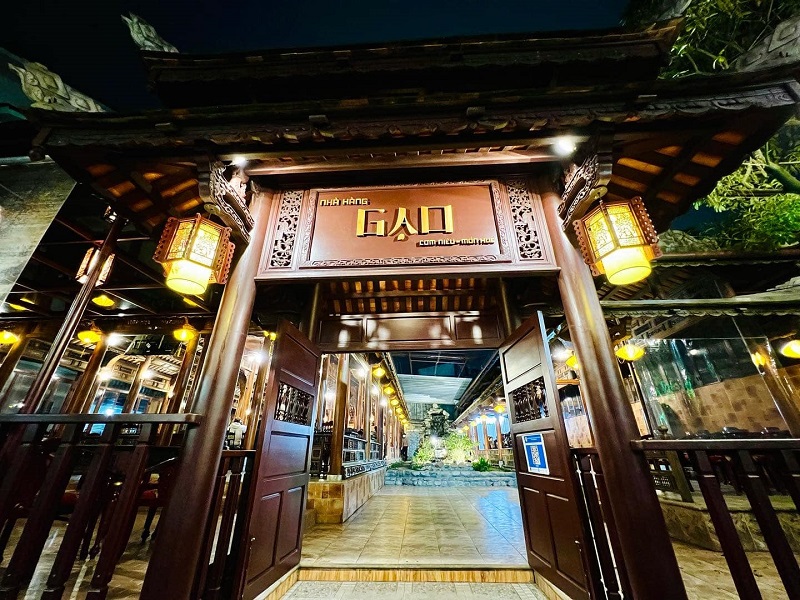
Taking inspiration from the traditional Vietnamese chạn—a wooden kitchen cabinet used for food storage—Cơm Niêu Chạn offers diners a nostalgic culinary experience. Known for its comforting home-style dishes, the menu features flavorful highlights such as shrimp simmered in coconut sauce (tôm rim nước dừa), braised goby fish with coconut (cá bống kho dừa), and stuffed tofu in rich tomato sauce. With its cozy ambiance and traditional decor, this is an excellent spot for a warm family meal.

2. Bánh Gánh Restaurant

  • Address: 51A Võ Thị Sáu Street, Phú Hội Ward, Hue
  • Opening Hours: Daily, 8:00 AM – 10:30 PM

Bánh Gánh is a modern-meets-traditional restaurant that excels in serving Hue’s iconic rice cakes alongside hearty Vietnamese family-style fare. The spacious, stylish interior and attentive service make it a top pick for families looking to enjoy authentic Hue cuisine in a comfortable and relaxed setting. Dishes are beautifully presented and priced reasonably, making it popular among both tourists and locals.

3. Thanh Liễu Vegetarian Restaurant

  • Address: 50 Nguyễn Công Trứ, Hue
  • Opening Hours: Daily, 7:00 AM – 8:00 PM

Thanh Liễu is a haven for vegetarians and those looking to enjoy a light, flavorful meal in Hue. The menu creatively reinterprets local favorites like cơm chay (vegetarian rice platters) and bánh bột lọc filled with mushrooms. Simple yet inviting, the space makes for a peaceful family stop, especially if you’re seeking a break from heavier fare without sacrificing taste.

4. An Tâm Restaurant

  • Address: Kiệt 33 Nguyễn Công Trứ, Group 14, Hue
  • Opening Hours: Daily, 9:00 AM – 9:00 PM

Tucked away in a quiet alley, An Tâm is a hidden gem known for its lineup of authentic Hue street food favorites like bánh nậm, bánh lọc, bánh ram ít, and bánh bèo chén. Prices are affordable, portions are generous, and the ingredients are always fresh. Add in the friendly staff and clean, casual environment, and you’ve got a great family-friendly option for those wanting to try a little bit of everything.

5. SALA Hue Restaurant

  • Address: 48-50 Nguyễn Lương Bằng, Hue
  • Opening Hours: Daily, 9:00 AM – 11:30 PM

For those seeking nutritious vegetarian food, SALA Hue is the perfect family destination. This modern restaurant emphasizes healthful, well-balanced dishes made from fresh, local ingredients. Its tranquil atmosphere and thoughtful presentation make it an inviting place to unwind and enjoy a satisfying meat-free meal in the heart of Hue.

Scenic Dining: Restaurants in Hue with Stunning Views and Timeless Charm

1. Les Jardins de la Carambole

  • Address: 32 Đặng Trần Côn, Thành phố Huế, Vietnam
  • Opening Hours: Daily, 7:00 AM – 11:00 PM

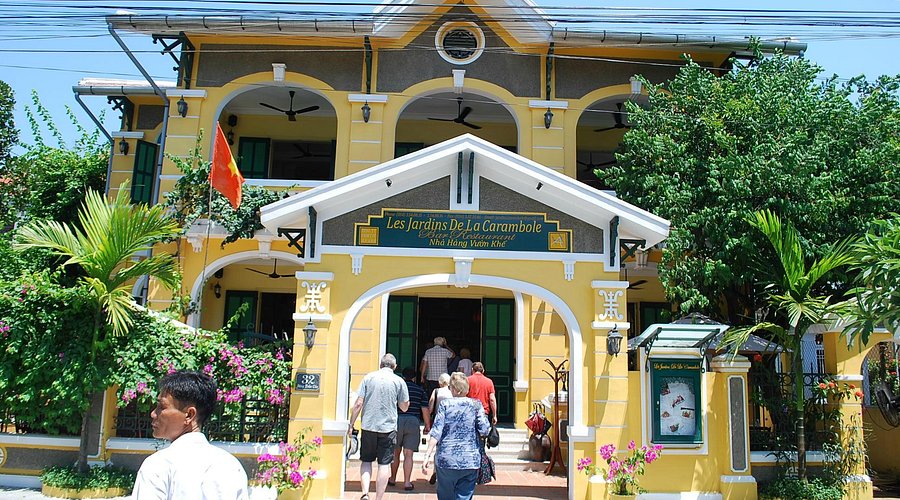
Nestled in a tranquil neighborhood just steps from the Imperial Citadel, Les Jardins de la Carambole offers an elegant fusion of French and Vietnamese cuisine. Set inside a beautifully restored colonial villa, this restaurant evokes the sophistication of a bygone era while serving an impressive menu that includes vegan and gluten-free options. With its lush garden, quiet ambiance, and commitment to detail, it’s a top choice for travelers seeking a refined yet relaxed meal with a view steeped in history.

2. Tịnh Gia Viên Restaurant

  • Address: 7K/28 Lê Thánh Tôn, Hue
  • Opening Hours: Daily, 11:00 AM – 10:00 PM

Tucked away behind a shaded lane, Tịnh Gia Viên is more than a restaurant — it’s a cultural and botanical sanctuary. Operated by descendants of the Nguyen royal family, this charming garden house offers a full royal dining experience. Surrounded by over 400 bonsai trees, some more than a century old, the setting is as exquisite as the cuisine. Guests can also take part in cultural activities such as cooking classes and bonsai workshops, making it one of Hue’s most immersive culinary destinations.

3. Vỹ Dạ Xưa Restaurant

  • Address: 131 Nguyễn Sinh Cung Street, Hue
  • Opening Hours: Daily, 11:30 AM – 9:00 PM

Inspired by the nostalgic beauty of the famous Vietnamese poem “Vỹ Dạ”, this restaurant transports diners to the serene elegance of old Hue. Known for its signature cơm niêu (clay pot rice) and traditional Vietnamese coffee, Vỹ Dạ Xưa is set within a tranquil garden estate. Whether sipping royal tea or enjoying local specialties, guests are treated to a peaceful, verdant setting perfect for a slow, soulful meal away from the city’s bustle.

4. Tĩnh Garden Vegetarian

  • Address: 140 Phan Bội Châu, Trường An, Hue
  • Opening Hours: Mon–Sat: 7:00 AM – 11:00 PM; Sun: 7:00 AM – 11:30 PM

Tĩnh Garden is a serene vegetarian haven nestled in a traditional home-style setting. With a strong focus on fresh, premium ingredients, the restaurant brings Hue’s plant-based culinary heritage to life through a thoughtful menu and peaceful ambiance. Whether you’re a committed vegetarian or just looking for a wholesome, beautiful meal, Tĩnh offers a refreshing escape and scenic surroundings to enjoy mindful dining at its best.

Where to Enjoy the Best Street Food in Hue

1. Dong Ba Market

  • Address: 2 Trần Hưng Đạo Street
  • Opening Hours: Daily, 3:00 AM – 8:30 PM

As the largest and most iconic market in Hue, Dong Ba Market is a must-visit for street food lovers. Surrounding the market, dozens of food stalls serve up Hue’s most beloved dishes—from bánh bèo and bún bò Huế to chè (sweet soup desserts). It’s a culinary treasure trove where you can experience the true flavors of the city, all in one vibrant, bustling space.

2. Nguyen Dinh Chieu Walking Street

  • Address: Nguyen Dinh Chieu Street, Phú Hội Ward
  • Opening Hours: Monday to Saturday: 4:00 PM – 10:00 PM / Sunday: Open all day

Stretching alongside the scenic Perfume River, Nguyen Dinh Chieu Walking Street comes alive in the evenings with food stalls, street performers, and a lively local crowd. This pedestrian-only area is one of Hue’s most atmospheric spots for trying street food in a relaxed setting—perfect for families, couples, and curious foodies alike. From grilled skewers to sweet snacks, the variety here reflects the heart of Hue’s street culture.

3. An Cuu Market

  • Address: 89 Hùng Vương Street, Hue City, Vietnam
  • Opening Hours: Daily, 6:00 AM – 9:00 PM

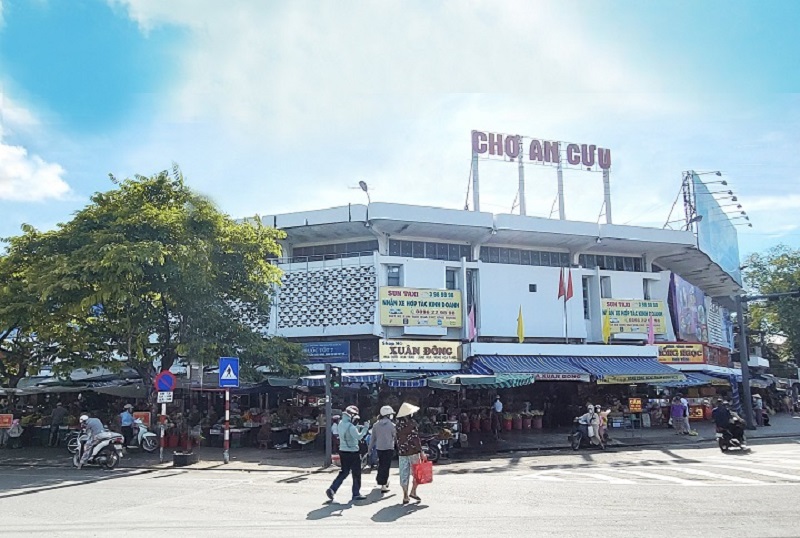
Quieter and more local than Dong Ba, An Cuu Market offers an authentic window into Hue’s daily life. This lesser-known spot is ideal for those looking to explore beyond the tourist trail. Here, you can taste hearty local favorites like bánh ram ít (crispy sticky rice dumplings with shrimp) or bún hến (spicy clam noodle soup), all prepared by seasoned vendors who’ve been perfecting their craft for years.

Dining on the Huong River: A Must-Try Hue Experience

1. Moon River Cruise’s Dinner

  • Address: Bến Thuyền số 05 Lê Lợi, Huế City, Vietnam
  • Phone/WhatsApp: +84 966 098 000

Embark on a magical evening aboard the Moon River Cruise, where history, cuisine, and scenery blend into an unforgettable experience. As the boat gently glides along the iconic Huong (Perfume) River, guests are treated to a thoughtfully curated dinner featuring regional specialties.

What sets this experience apart is the storytelling. The staff share rich tales of Hue’s imperial past, weaving a narrative that enhances every bite and every view. Rain or shine, the river holds its timeless charm, especially when paired with live traditional folk music and the breathtaking backdrop of a Hue sunset.

2. Dinner with Thuyền Rồng Huế (Hue Dragon Boat)

  • Phone/WhatsApp: +84 914 731 914

Step into Hue’s royal legacy with a dinner cruise aboard a traditional dragon boat — once reserved for emperors and nobility. These elaborately decorated vessels, complete with dragon heads and tails, now offer visitors a chance to dine as royalty once did.

As the Perfume River sparkles under the night sky, you’ll enjoy a meal of Hue delicacies while being serenaded with ca Huế—classical songs deeply rooted in the city’s cultural soul. The cruise also includes an art performance, making it not just a dinner, but a cultural event steeped in elegance and heritage.

Hue’s culinary scene extends far beyond its well-known royal dishes and tourist-favorite spots. These hidden gems offer a more personal, authentic taste of the city — whether through time-honored family recipes, peaceful garden settings, or creative takes on traditional flavors. By stepping off the beaten path and exploring these lesser-known restaurants, you’ll uncover a deeper layer of Hue’s charm — one that’s rich in flavor, culture, and heartfelt hospitality.

Exploring a night market in Vietnam is more than just an evening stroll — it’s a journey into the heart of Vietnamese culture. Night markets are a quintessential part of daily life here, where commerce and community meet in a festive, open-air atmosphere. Whether you’re shopping for unique local products, watching street performances, or savoring mouth watering street food, these markets offer a sensory-rich experience. Vietnamese street cuisine, celebrated globally for its freshness, inventiveness, and bold flavors, is reason enough to make night markets a highlight of your trip.

1. Hanoi Old Quarter Night Market

  • Address: Hang Dao Street, Old Quarter, Hanoi
  • Opening Hours: Friday to Sunday, 6:00 PM – 11:00 PM

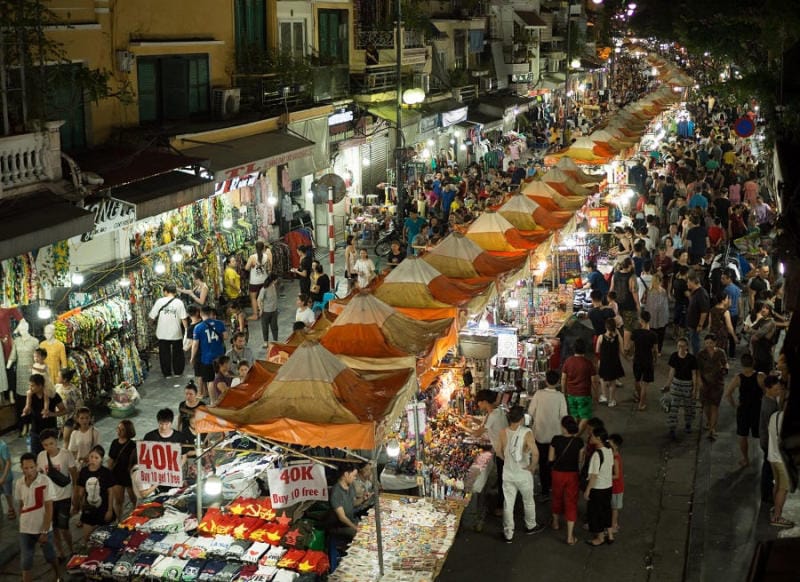
Located just a short walk from Hoan Kiem Lake, the Hanoi Old Quarter Night Market stretches along Hang Dao Street to the entrance of Dong Xuan Market. Every weekend, the area transforms into a pedestrian-only zone packed with stalls selling everything from traditional handicrafts and souvenirs to trendy clothes and accessories.

But it’s not just about shopping — the streets come alive with folk music, dance performances, and an enthusiastic crowd soaking in the vibrant atmosphere. With a wide selection of street food vendors, charming cafés, and buzzing bars, this market is one of the best places to experience Hanoi’s nightlife and taste some of the finest street food in Southeast Asia.

2. Quang Ba Flower Market, Hanoi

  • Address: Nghi Tam Embankment, Tay Ho District, Hanoi
  • Opening Hours: Daily, 12:00 AM – 6:00 AM

For a completely different kind of night market experience, head to Quang Ba Flower Market. As Hanoi sleeps, this bustling wholesale flower market springs to life on the Nghi Tam embankment, welcoming vendors and buyers from midnight until dawn.

Florists and traders gather to stock up on fresh blooms sourced from surrounding villages and flower-growing regions like Dalat. The colorful display of roses, orchids, lilies, and daisies makes it one of the most visually stunning places to visit in Hanoi after hours. Whether you’re a photographer, an early riser, or simply curious, Quang Ba offers a rare glimpse into the nocturnal economy of the capital city.

Throughout the night, small vendors come and go, gathering fresh flowers to resell at local markets, storefronts, or from their bicycles on the streets of Hanoi. The atmosphere becomes especially vibrant in the lead-up to Tết, when the market overflows with color and fragrance. Families flock here to buy blooms for decorating their homes and altars, creating a vivid, lively, and beautifully chaotic snapshot of Hanoi’s festive energy.

3. Long Bien Night Market – Hanoi’s Midnight Wholesale Hub

  • Address: Red River Embankment, under Long Bien Bridge, Ba Dinh District, Hanoi, Vietnam
  • Hours: Open daily from 11:00 PM to 5:00 AM

Situated beneath the iconic Long Bien Bridge, this market serves as Hanoi’s largest wholesale distribution center for fresh produce, supplying up to 80% of the city’s fruits, vegetables, and fish. From late evening to early morning, it turns into a hive of activity as trucks unload crates and porters navigate the alleys with shoulder poles. The scene is chaotic yet fascinating, with food vendors fueling workers and buyers with steaming bowls of noodles and snacks throughout the night.

4. Hoi An Night Market – Lanterns and Local Treasures

  • Address: Nguyen Hoang Street, An Hoi Island, opposite the Japanese Covered Bridge, Hoi An, Quang Nam
  • Hours: Daily, 5:00 PM to 10:00 PM

Set on An Hoi Island, just across the iconic Japanese Covered Bridge, this night market is a beloved attraction in the ancient town of Hoi An. It stretches along Nguyen Hoang Street, lined with dozens of stalls selling colorful lanterns, embroidered purses, handmade jewelry, and traditional ceramics. In the warm glow of lantern light, you’ll also find plenty of street food—perfect for snacking as you browse and soak up the town’s heritage.

5. Nha Trang Night Market – Souvenirs by the Sea

  • Address: Nguyen Thi Street, off Tran Phu Boulevard, Nha Trang City, Khanh Hoa Province
  • Hours: Nightly, around 6:00 PM to 11:00 PM (timing may vary)

Located just steps from the beach, Nha Trang’s night market is a lively area filled with over 100 stalls offering everything from grilled seafood to handcrafted souvenirs. It’s a top spot for picking up silk scarves, lacquerware, and ceramics, all while enjoying the ocean breeze from nearby Nha Trang Bay—considered one of the most stunning bays in the world.

6. Da Lat Night Market – A Mountain Town Classic

  • Address: Near Nguyen Thi Minh Khai Street, city center, Da Lat, Lam Dong Province
  • Hours: Daily, 5:00 PM to 10:00 PM

Cool evenings in Da Lat are best spent strolling through its bustling night market. Locals and tourists alike gather here to browse for warm clothes, sample local street food, or simply enjoy the lively atmosphere. Must-try dishes include grilled corn, sweet potato, crispy rice paper “pizza,” and skewered meats—all perfect for the cool mountain climate.

7. Ben Thanh Night Market – Saigon’s Central Hotspot

  • Address: Around Ben Thanh Market, Le Loi Street, District 1, Ho Chi Minh City
  • Hours: Every night, 6:00 PM to 11:00 PM

After the indoor market closes, the surrounding streets of Ben Thanh transform into a vibrant night market full of energy and local flavor. You’ll find everything from clothes and accessories to sizzling food stalls offering Southern Vietnamese specialties like bánh xèo (crispy pancakes), grilled seafood, and fresh fruit smoothies. It’s a convenient stop for both shopping and dining in the heart of the city.

8. Phu Quoc Night Market – Seafood Paradise on the Island

  • Address: Vo Thi Sau Street, Duong Dong Town, Phu Quoc Island, Kien Giang Province
  • Hours: Daily, 5:00 PM to 11:00 PM

Duong Dong Night Market is the culinary soul of Phu Quoc after dark. It’s best known for its fresh seafood—you can pick live crab, lobster, clams, or shrimp and have them grilled or steamed on the spot. Besides seafood, the market also offers tropical fruits, souvenirs, and local specialties like Phu Quoc pepper and fish sauce. A must-visit for any food enthusiast exploring the island.

Exploring Vietnam’s night markets offers far more than shopping and dining — it’s a deep dive into the country’s cultural heartbeat. Whether you’re wandering through lantern-lit lanes in Hoi An, sampling sizzling street food in Ho Chi Minh City, or bargaining for fresh produce under Hanoi’s midnight sky, each market brings a unique flavor of local life. These vibrant scenes reflect Vietnam’s energy, creativity, and warmth — a perfect way to connect with the soul of each city after the sun goes down. So don’t miss the chance to venture out at night — the real magic often begins when the streets light up.

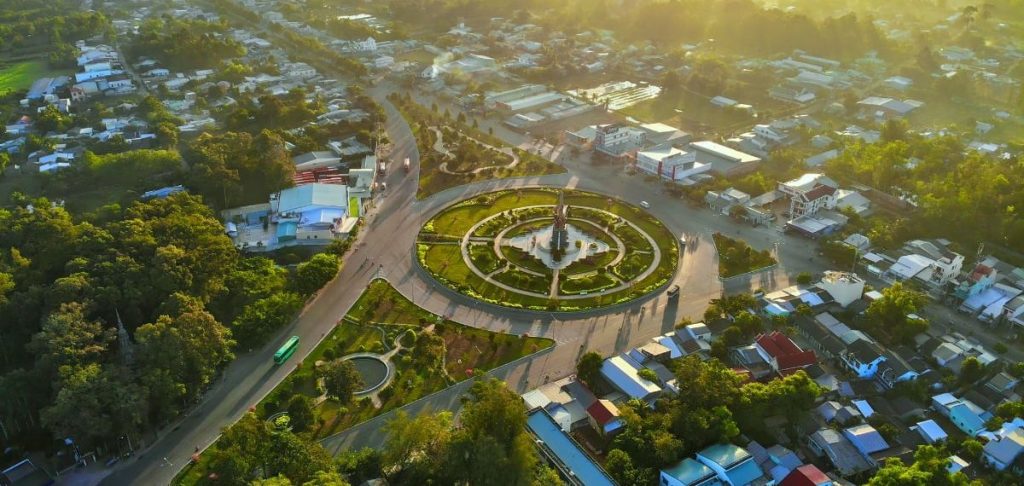
Trà Vinh is a tranquil province nestled in the heart of the Mekong Delta, widely recognized for its deep-rooted Khmer heritage and serene rural charm. Here, you’ll come across quiet hamlets, ancient pagodas, and flavorful yet humble local cuisine. What truly sets Trà Vinh apart from other destinations is its lush landscapes and refreshingly clean atmosphere. In fact, Trà Vinh is considered one of the cities with the best air quality in Vietnam and was ranked 3rd among the 15 cleanest cities in Southeast Asia by IQAir in 2024. Join us as we uncover the peaceful beauty of this hidden gem in the delta, complete with practical travel tips to make the most of your journey.

Where is Trà Vinh?

Trà Vinh is located in the southeastern region of the Mekong Delta, nestled between the Tiền and Hậu rivers — the two main branches of the mighty Mekong River. Unlike many tourist-heavy areas, Trà Vinh remains low-key and authentic, offering visitors a rare opportunity to experience the rhythms of traditional Vietnamese countryside life.

Beyond its natural charm, Trà Vinh plays a key cultural role as one of Vietnam’s major centers of Khmer influence. The province is home to a wide array of Khmer temples and spiritual sites that add to its peaceful atmosphere. The city’s rich cultural identity, combined with a canopy of age-old trees and minimal urban development, makes it truly stand out. Its exceptional air quality and abundance of greenery have earned Trà Vinh a reputation as one of Vietnam’s most livable places — and a remarkable third-place ranking on IQAir’s 2024 list of Southeast Asia’s cleanest cities.

Ideal Time to Explore Trà Vinh

Like most provinces in the Mekong Delta, Trà Vinh experiences two primary seasons: the wet season and the dry season. However, what sets Trà Vinh apart is its cooler, more comfortable climate. Compared to the often intense heat of nearby cities like Cần Thơ or Hồ Chí Minh City, Trà Vinh offers a much more pleasant atmosphere for travelers.

  • Rainy Season: May to October
  • Dry Season: November to April

Thanks to its milder temperatures and refreshing breezes, Trà Vinh remains an appealing destination year-round, but the dry season is especially ideal for cultural exploration and outdoor activities.

Major Festivals and Cultural Events in Trà Vinh

April – Chol Chnam Thmay (Khmer New Year)

As the most significant event for the Khmer community, Chol Chnam Thmay is held annually in April. This festive Khmer New Year celebration includes traditional music, joyful dances, sacred rituals, and communal festivities. Families gather to honor ancestors, cleanse past misfortunes, and embrace a new beginning with offerings, blessings, and games that fill the temples and streets with a joyful spirit.

May – Nghinh Ông (Whale Worship Festival)

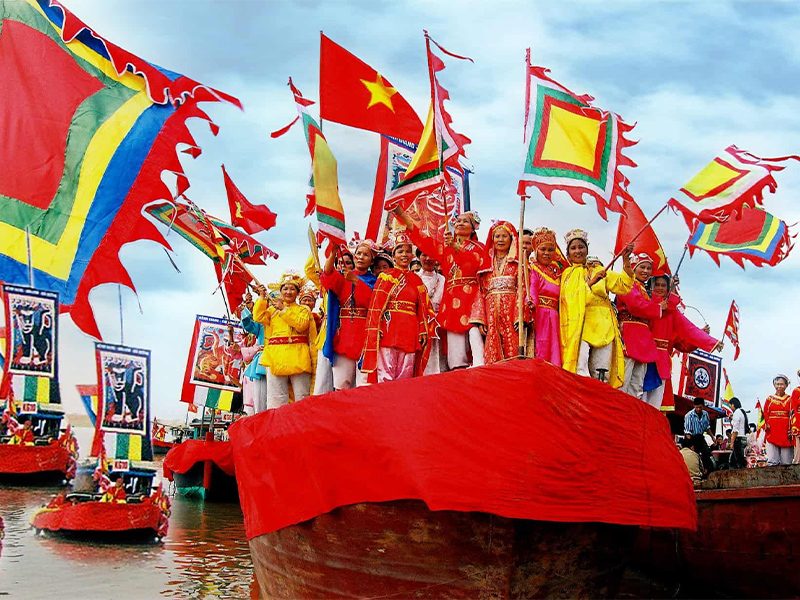
Observed in May (according to the lunar calendar), the Nghinh Ông Festival is an important spiritual event for Trà Vinh’s coastal and fishing communities. Devoted to honoring the sea deity, this festival features vibrant parades, traditional offerings, and ceremonies by the waterfront, where fishermen express gratitude and pray for a safe and fruitful season on the water.

September/October – Kathina Robe Offering Festival

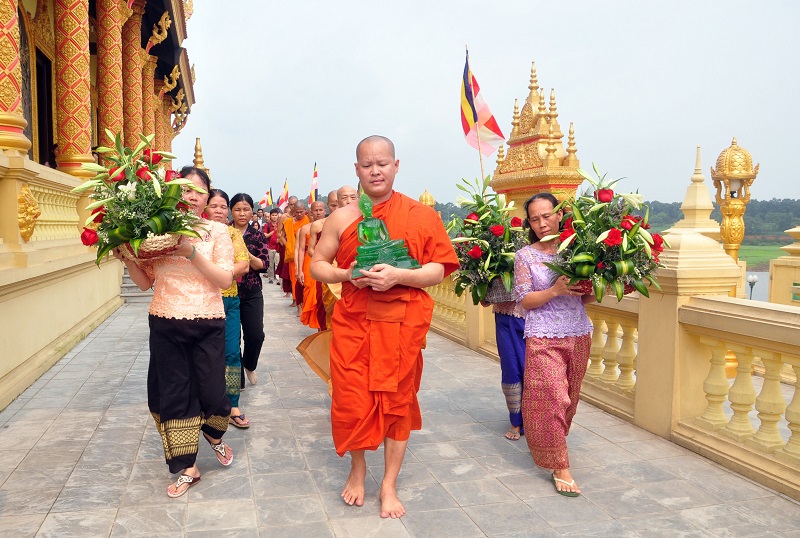
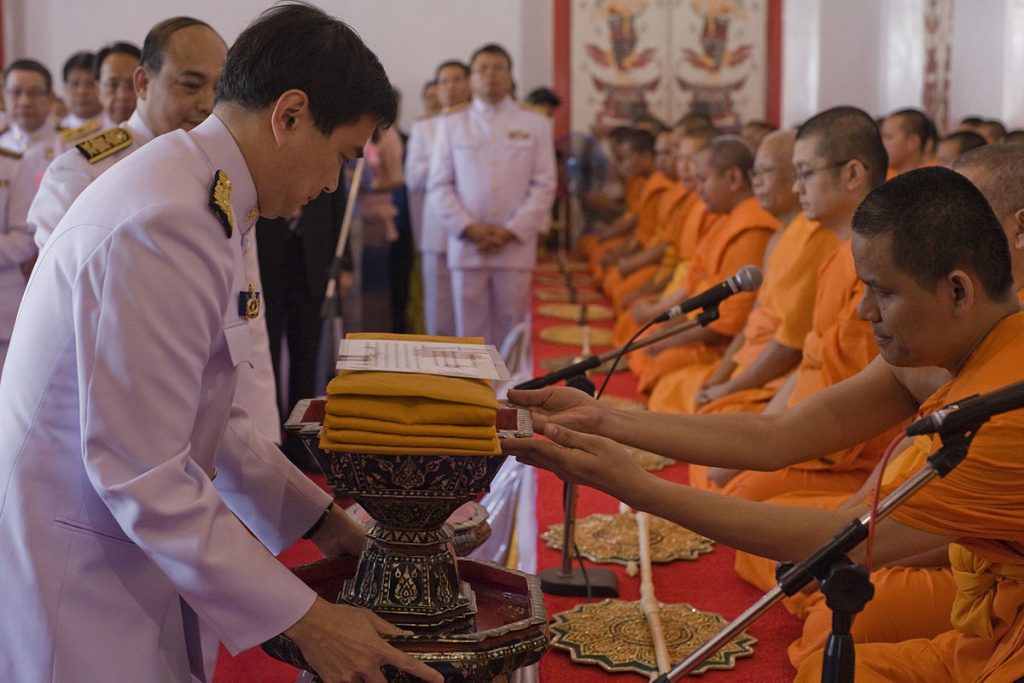
Celebrated between September and October (lunar calendar), Kathina is a vital Buddhist event in Khmer culture. Spanning two days, it involves giving robes and daily necessities to monks. The first day is typically spent preparing offerings at home, while the second culminates in a ceremonial procession to the pagoda. This meaningful occasion is enriched by folk performances, spiritual rituals, and an atmosphere of joy and reverence.

November – Ghe Ngo Boat Racing Festival

Taking place in November, the Ghe Ngo Boat Race is one of Trà Vinh’s most vibrant cultural showcases. Featuring long, dragon-like boats manned by synchronized teams, this high-energy event brings spectators from across the delta. Beyond the spectacle, the festival highlights the strong connection between the Khmer people and the waterways that define their daily life.

How to Reach Trà Vinh

Trà Vinh does not have its own airport, so travelers must rely on nearby major cities for access. The closest airports are Tân Sơn Nhất International Airport in Ho Chi Minh City and Cần Thơ Airport.

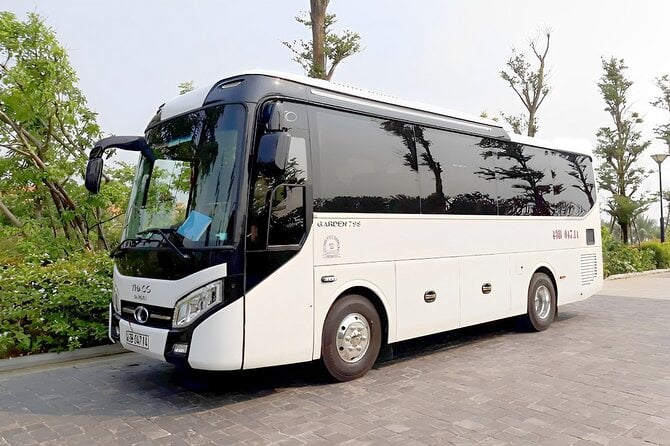
  • From Ho Chi Minh City: You can either rent a private car or travel to the Western Bus Station (Bến xe Miền Tây) and board a coach heading to Trà Vinh. The journey covers roughly 130 km and takes about 2.5 hours.

  • From Cần Thơ: Regular buses are available from the local station, with a travel time of approximately 1 hour 45 minutes over a distance of 80 km.

To ensure a convenient and comfortable experience, our agency also offers custom tours with private vehicles and drivers. Feel free to contact us for assistance in planning your visit.

Must-See Attractions in Trà Vinh

Trà Vinh is best known for its abundance of spiritual landmarks—ranging from ancient pagodas to sacred temples—and the vibrant cultural traditions of its Khmer population.

Ang Pagoda

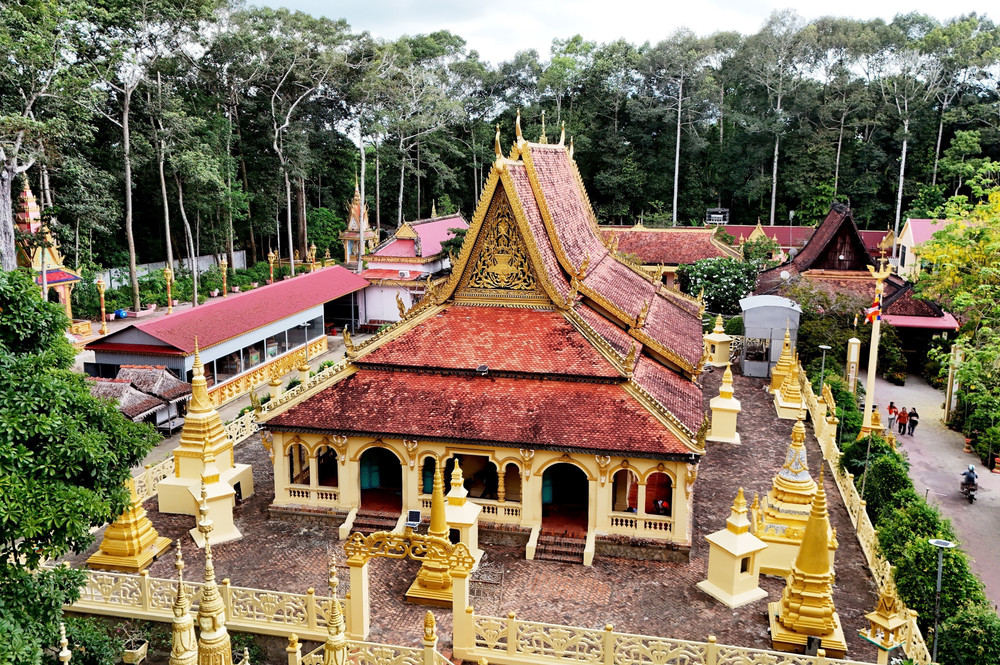
Among the 143 Khmer pagodas scattered across the province, Ang Pagoda is the most ancient and historically significant. Constructed over a millennium ago, it not only serves as a spiritual center but also as a cornerstone of Khmer cultural identity in the region.

The pagoda represents the Theravada Buddhist tradition practiced by the Khmer people, with its distinctive architecture: tiered roofs, intricate golden embellishments, and detailed carvings that mirror Cambodian temple design. Nestled in lush surroundings, the pagoda offers a serene atmosphere perfect for those seeking cultural immersion and quiet reflection. Inside the complex, there is also a classroom where Khmer language and spiritual teachings are shared with younger generations.

Ba Om Pond

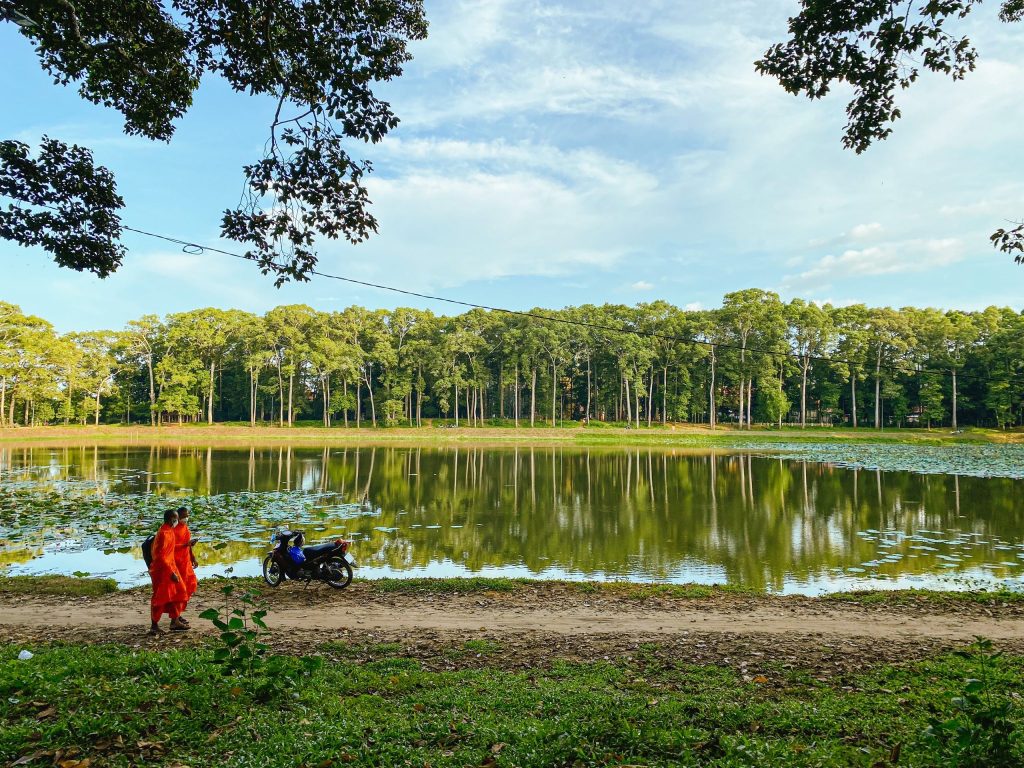
Just a short walk from Ang Pagoda lies Ba Om Pond, a picturesque natural site covering more than 300 hectares. It includes three key elements: the pond itself, surrounding embankments, and a grove of centuries-old trees. The surface of the water glistens with lotus flowers and water lilies, while towering roots from ancient trees create a mystical ambiance. The landscape is peaceful, making it a perfect spot for a stroll or quiet contemplation.

Vàm Ray Pagoda

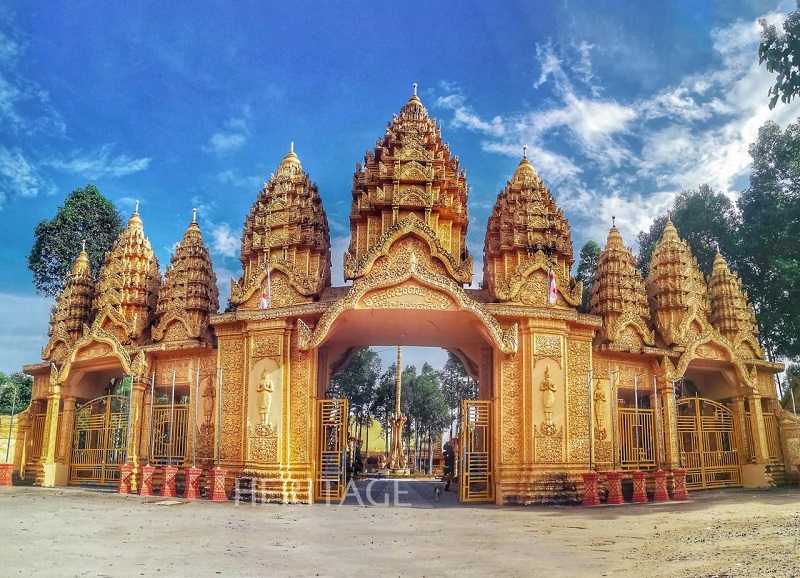
As the largest Theravada Buddhist temple in Vietnam, Vàm Ray Pagoda is a spectacular representation of Khmer religious architecture. Opened in 2010, the pagoda features an awe-inspiring blend of golden ornamentation and Angkor-style structure.

Upon entering the complex, visitors are immediately struck by the grandeur of gold that adorns every surface—from façades to carved details. The main sanctuary features four doors, with the eastern entrance being the primary one, in accordance with Khmer customs. In the center of the courtyard stands a ceremonial pillar guarded by naga figures with five heads—a powerful symbol of protection and spiritual guidance.

Each doorway is intricately carved, combining sacred Buddhist themes with Khmer folk art. For the Khmer community in Trà Vinh, Vàm Ray is more than a place of worship—it is a cultural emblem and architectural marvel that no visitor should miss.

Ba Động Beach

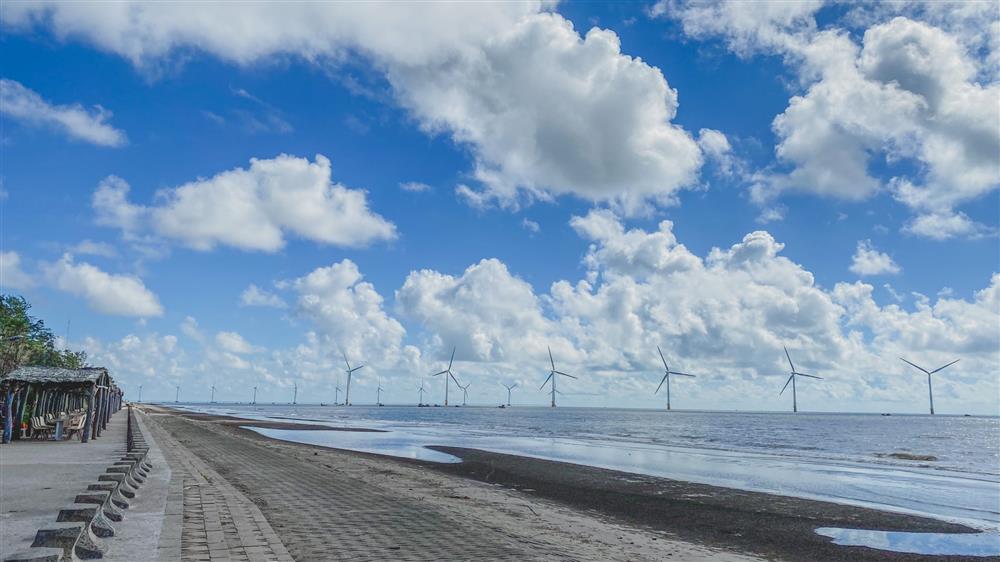
Yes, Trà Vinh has a beach! While it may not be the best location for a classic beach getaway due to the cloudy water—caused by silt carried by the Mekong River—it offers a different kind of charm.
Ba Động Beach is ideal for experiencing local coastal life and sampling fresh, affordable seafood. Visitors can watch fishermen haul in their catch, mend nets, and go about their daily routines. Though it may not have crystal-clear waters, the authentic local flavor and relaxed atmosphere make it worth a visit.

Is It Worth Staying Overnight in Trà Vinh?

In all honesty, Trà Vinh currently offers limited options when it comes to high-end accommodation. Most available stays fall into the budget or mid-range category, with few luxury choices. While you might be able to find something comfortable depending on your travel preferences, Trà Vinh is generally more suited for a half-day or full-day visit rather than an overnight stay. Its highlights can be explored within a few hours, making it a great stop rather than a long stay.

What Destinations Pair Well with Trà Vinh?

Compact and serene, Trà Vinh is a perfect addition to a broader journey through the Mekong Delta. It brings a unique cultural flavor—particularly with its Khmer heritage—that complements other destinations in southern Vietnam. Below is a suggested 3-day itinerary beginning in Ho Chi Minh City:

  • Day 1: Ho Chi Minh City → Bến Tre
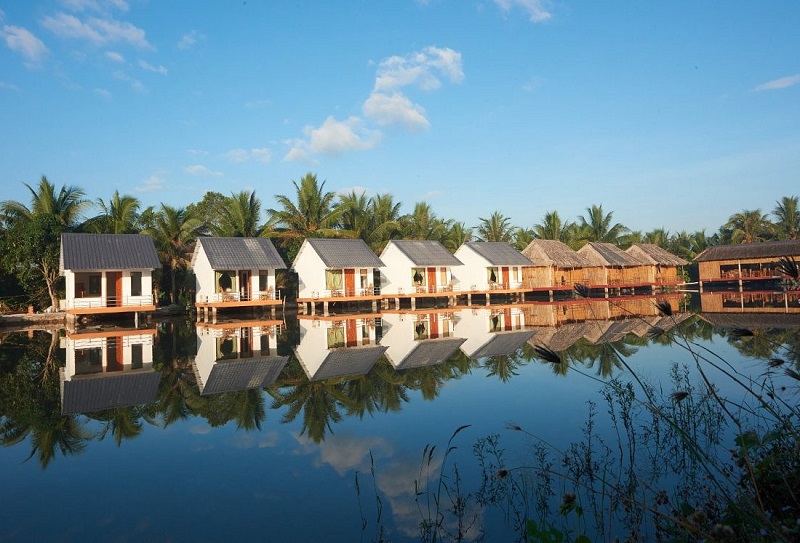
    Start your journey in Bến Tre, famed for its lush coconut groves and peaceful river life. Enjoy a scenic boat tour along the Mekong River and a traditional sampan ride through tree-lined canals. Spend the night at a charming riverside homestay or eco-lodge.
  • Day 2: Bến Tre → Trà Vinh → Cần Thơ
    After a morning cycle through quiet rural paths in Bến Tre, make your way to Trà Vinh to discover its distinctive Khmer culture and ornate pagodas. Then continue your journey to Cần Thơ, the Mekong Delta’s largest city, for your overnight stay.
  • Day 3: Cần Thơ → Ho Chi Minh City
    Wake up early to visit the vibrant Cái Răng Floating Market, where boats loaded with fruits and vegetables gather at dawn. After exploring the market and nearby canals, return to Ho Chi Minh City by late afternoon.

Local Flavors You Must Try in Trà Vinh

Waxy Coconut – A Rare Delicacy

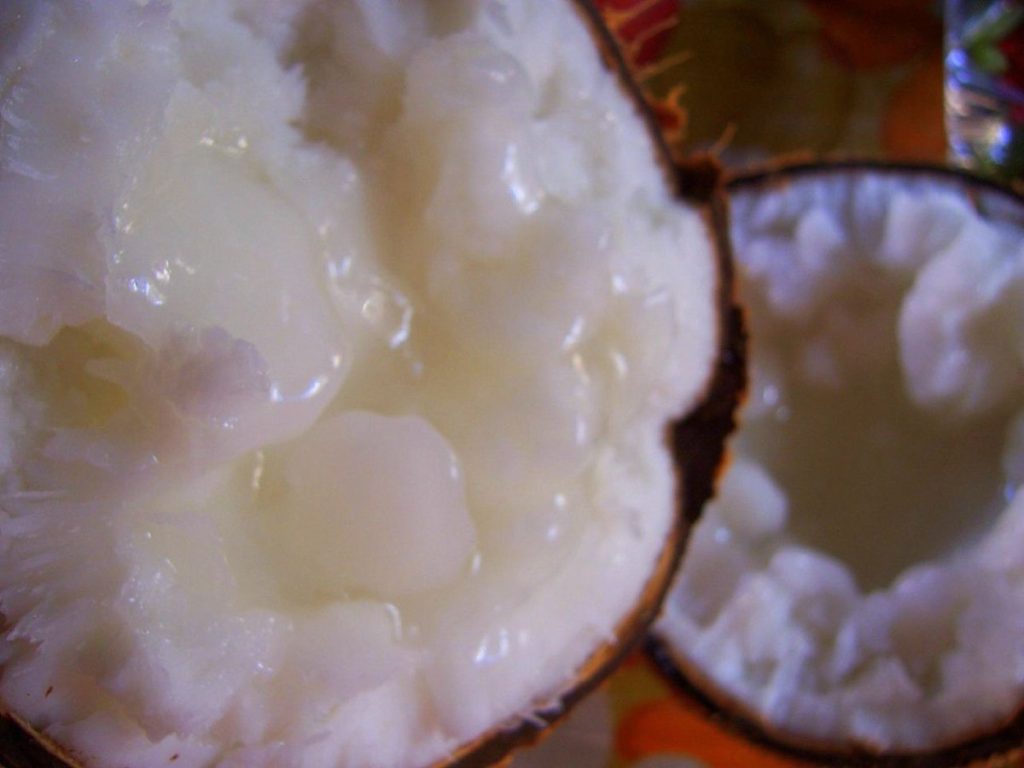
Known locally as the waxy coconut or cream coconut, this variety is prized for its exceptionally rich and soft flesh—far creamier than a typical coconut. Unlike standard coconuts that contain plenty of water, this rare fruit has minimal liquid, with much of it transformed into a smooth, custard-like interior.

Only found in specific microclimates in Trà Vinh, the waxy coconut is incredibly scarce, making it a luxury item that can cost up to ten times more than a regular coconut. A true local treasure, it’s a must-try for curious foodies.

Bánh Tét – Sticky Rice Cake with a Khmer Twist

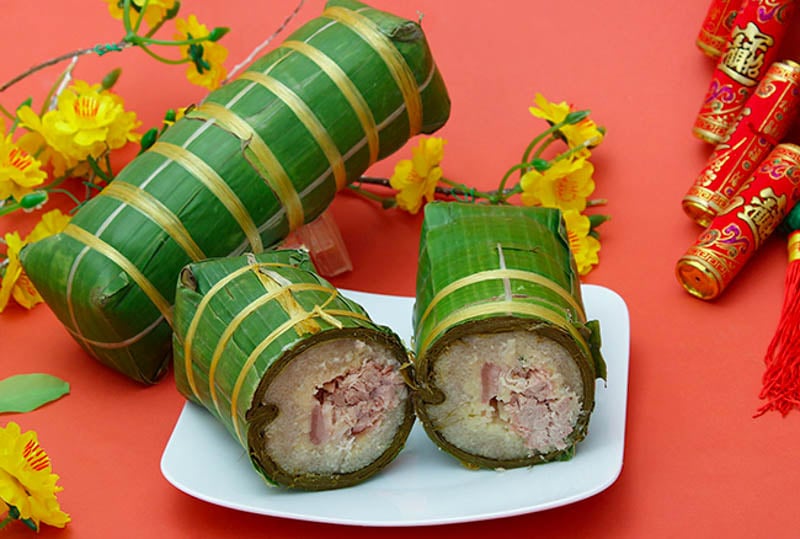
Bánh Tét, a beloved festive dish, is a staple in Trà Vinh during celebrations such as Lunar New Year. Here, the cake is often crafted using fragrant glutinous rice and colored naturally with extracts from local plants, resulting in vibrant hues and a delightful texture.

Traditionally wrapped in banana leaves, the cake is filled with layers of mung bean, savory pork, and salted egg, creating a perfect harmony of sweet and savory. This version of Bánh Tét is a unique reflection of the province’s Khmer-Vietnamese culinary fusion.

Why Visit Trà Vinh?

With its peaceful setting, striking Khmer pagodas, and rare local dishes, Trà Vinh is a rewarding detour in any Mekong Delta itinerary. While it may not require an overnight stay, its cultural richness makes it well worth a visit. Whether you’re cycling through quiet countryside lanes or sampling a spoonful of creamy coconut, Trà Vinh offers moments of authenticity that enrich your southern Vietnam journey.

Leave Sapa town’s hustle behind: once you turn off Cầu Mây Street onto Mường Hoa Street, Lao Chải opens up like another world. If tranquility and natural beauty are what you’re after, this is the perfect place. Having visited many times, I can confidently say that Lao Chải is among the most peaceful and picturesque spots in Northern Vietnam. Here’s a guide to help you discover its charm and make the most of your visit.

Where is Lao Chải, Sapa?

  • Location: Lao Chải Commune, Sapa Town, Lào Cai Province
  • Getting There: By motorbike or car
  • Recommended Stay: 1–2 days
    Lao Chải is located 8–10 km southeast of Sapa town—about a 20-minute drive. Together with Tả Van, the villages span over 29 km² and are home to H’Mông and Red Dao communities. Although close by, each village offers distinct cultures and experiences—so visit both!

How to Get from Sapa to Lao Chải

  • Motorbike: Ideal for stopping and enjoying views. Rentals are ~100–150 k VND/day, or you can grab a xe ôm.
  • Car: Suitable for families or groups.
  • Entrance Fees: Adults 150 k VND; children (6–12) 100 k VND; under‑6s free.
  • Route: Sapa town → Cầu Mây Street → Muong Hoa Street → Provincial Road 152 → turn right by Thuận Duyên → Mường Hoa Valley.

First Impressions on Arrival

The winding mountain road opens into a landscape that feels handcrafted—fresh air, terraced fields, and subtle hues far from Instagram filters. Living in Hanoi, I’m struck by the clean air and panoramic views of mountains like Fansipan on clear days.

H’Mông houses perch on slopes to avoid floodwaters. In the valley, rice crowns the flatlands, while corn clings to the hillsides. Small stalls sell local vegetables and bamboo crafts. The lifestyle is rustic and undeveloped—basic but sincere. Few locals speak Vietnamese compared to Sapa town, yet they’re incredibly welcoming.

I saw H’Mông women heading to fields or selling crafts without insistence. A gentleman, Mr. A Lung, even shared stories about harvests and festivals.

I brought candies and small cakes, and local children—often in socks without shoes—eagerly accepted them. Money wasn’t expected; respect and gesture were enough for a shy, touching interaction.

Experiencing Life in Lao Chải: What to Do and See

What I share here is based on my personal journey, but consider it just a starting point. Use these suggestions to craft your own adventure by discovering the highlights and activities that resonate with you. A Google Maps link is included at the end to help you better navigate and plan your route.

Trekking through the Mường Hoa Valley

Locals often recommend visiting between September and April, when the terraced rice fields glow golden under the sunlight—and it’s easy to see why. Situated in the heart of the breathtaking Mường Hoa Valley, Lao Chai offers a serene escape often described as the “paradise” or “muse” of Northern Vietnam. The gentle curves of the terraces and the calm flow of the Muong Hoa stream create an unforgettable landscape.

Suggested trekking routes:

  • Route 1: Sapa → Y Linh Ho → Lao Chai → Ta Van (2 days)
  • Route 2: Ta Van → Giang Ta Chai → Sapa (1 day)
  • Route 3: Sapa → Y Linh Ho → Lao Chai → Tả Van (2 days)

Entrance fees:

  • Adults: 150,000 VND
  • Children (6–12 years): 100,000 VND
  • Children under 6: Free

Cultural Discovery Through Local Markets

Lao Chai’s community-driven tourism offers access to authentic cultural experiences I never anticipated. I had the chance to observe Hmong artisans skillfully weaving brocade, their hands moving gracefully over vivid threads, and I gained insight into their age-old fabric dyeing techniques that transform simple textiles into intricate masterpieces.

The village markets are a treasure trove of handmade items—colorful brocade shawls, finely embroidered pillowcases, and traditional instruments like the khèn and đàn môi. Most vendors are villagers themselves. While they may only speak basic Vietnamese or limited English, a bit of patience goes a long way in building connections—and in supporting their small, heartfelt businesses.

Experiencing Local Life Through a Homestay in Lao Chai

One of the most memorable parts of my journey was spending the night with a local family. We connected over meals featuring bold, unfamiliar flavors—so tasty that I couldn’t resist having second helpings. As the temperature dropped in the evening, we huddled around a small fire, sipping homemade corn wine, and shared stories that made us forget the chill outside.

The accommodation itself was modest—basic mattresses with mosquito nets—but what truly stood out was the genuine warmth and kindness of the Ho family, which turned a simple stay into an unforgettable experience.

Create Your Own Batik Art

Batik—an intricate fabric-painting technique—is deeply woven into the cultural identity of the Black H’Mong people in Lao Chai. Under the soft glow of firelight, local artisans skillfully apply melted beeswax to linen, crafting delicate patterns of spirals, geometric shapes, and flowing curves with remarkable precision.

Once the cloth is dyed in natural indigo and boiled, the wax disappears, revealing vivid, detailed designs that speak volumes about H’Mong heritage. If you’re interested in trying this craft, simply ask your homestay hosts—they’ll happily introduce you to the process and help you make your very own Batik creation.

Visit Y Linh Ho Dam

Located near the Lao Chai San 2 bridge, the Y Linh Ho Dam stretches across a serene stream, quietly generating electricity for the remote communities scattered throughout the Mường Hoa Valley. While unassuming in size, it plays a vital role in local life.

During the rainy season, when the water levels rise, the dam becomes a striking sight as it releases a torrent of water, creating a scene reminiscent of a natural waterfall. Seamlessly blending into the rugged surroundings, this humble structure stands as a quiet testament to human resilience and ingenuity.

Tả Van Maiden Temple

Perched on a small hill between Lao Chai and Tả Van, the Tả Van Maiden Temple is dedicated to Mường Và—also referred to as Móng Và or Princess Hải Long—an important figure in Vietnam’s Mother Goddess belief system. With a scenic backdrop of mountains and a peaceful view of the water ahead, this spiritual site is perfect for those seeking a quiet place to reflect or pray for good fortune.

If you visit during Tết or during local celebrations, you may witness the colorful and energetic hầu đồng ritual—a traditional ceremony featuring music, dance, and spirit invocation that vividly showcases local culture.

Savor Local Cuisine in Lao Chai

A visit to Lao Chai wouldn’t be complete without indulging in its authentic mountain cuisine, prepared from fresh produce grown right in the village. Local specialties include Mường Hum-style grilled stream fish, Bắc Hà-style carried pork, the distinctive Thắng Cố from Mường Khương made with horse meat, grilled free-range chicken, and the vibrant five-colored sticky rice from Văn Bàn.

Since formal restaurants are rare in Lao Chai, most meals are enjoyed at homestays, where hosts often serve homemade dishes and may invite you to taste traditional rice wine. Though it’s a warm gesture, feel free to decline politely if it’s not to your taste.

If you’re looking to expand your dining options, consider these local restaurants for more variety:

  • A Phủ Local Restaurant
    Location: About 100 meters from the Lao Chai suspension bridge
    Phone: +84 962329795

  • Mường Hoa Restaurant
    Location: Inside Laxsik Ecolodge, Ly Hamlet, Lao Chai
    Phone: +84 2143892999

  • Cloud Boat Coffee – Restaurant
    Location: 8V7G+PH7, Lao Chai
    Phone: +84 948856336

Exploring Neighboring Villages

Surrounding Lao Chai are several charming villages that offer distinct cultural experiences and breathtaking landscapes. If you’re already in Lao Chai, consider extending your journey to include these nearby gems:

  • Tả Van: Only 5 km away (about 15 minutes by vehicle), Tả Van enchants visitors with its sweeping rice terraces and the peaceful daily life of the Giay ethnic group. Be sure to try their signature dish—salmon hotpot—while taking in the view.

  • Hầu Thào: Situated approximately 8 km (a 20–25-minute drive) from Lao Chai, Hầu Thào is a great destination for sunrise lovers. This highland village often reveals a stunning sea of morning clouds, making it ideal for early risers and photographers.

  • Tả Phìn: Located 12 km east of Lao Chai (roughly 30 minutes by car), Tả Phìn is well-known for its Red Dao herbal baths, which are believed to rejuvenate the body and remove negative energy. The village is also a hub for handwoven brocade, showcasing the Red Dao’s intricate textile traditions.

Recommended Travel Itinerary from Sapa

Day 1: Hanoi – Sapa – Cát Cát or Hầu Thào – Lao Chai (Lunch, Dinner)

Start your journey early from Hanoi, soaking in the mountain scenery along the way. Upon arriving in Sapa, enjoy a local lunch and check into your accommodation.

In the afternoon, head to either Cát Cát or Hầu Thào village to learn about the daily life and traditions of the H’mong people. Later, continue to Lao Chai village to discover terraced rice fields and immerse yourself in the rhythms of rural life.

Overnight stay at a local homestay in Lao Chai.

Day 2: Lao Chai – Tả Van – Hanoi (Breakfast, Lunch)

After a traditional breakfast, take a short trip to Tả Van village. Walk through the terraced fields, admire ancient stone carvings, and cross the iconic bamboo bridge that spans the river.

Return to Lao Chai for lunch before departing back to Hanoi, ending your memorable exploration of Sapa’s lesser-known villages.

Practical Tips for a Rewarding Journey

Where to Stay in Lao Chai?

Rua’s House Mountain Hamlet

  •  Address: Ý Linh Hồ, Lao Chai
  •  Phone: +84 934 451 177
  •  Email: info@ruahouse.com

This homestay is designed in a classic wooden style, with breezy verandas and warm, earthy decor. Small windows open to breathtaking views, and potted plants add to the tranquil ambiance. Guests are welcome to join guided treks through Hmong villages nearby or simply unwind in the calmness of nature.

Maison De Lao Chai

  • Address: Ý Linh Hồ, Sa Pa Town, Sa Pa
  • Phone: +84 912 205 154

Nestled in the picturesque Ý Linh Hồ area, this homestay offers comfort wrapped in cultural authenticity. Rooms feature wooden paneling, soft bedding, and mosquito nets. The views of Muong Hoa Valley are stunning, and the peaceful atmosphere makes it an ideal base for immersing yourself in ethnic minority culture.

Big Tree Hmong Homestay

  • Address: Thôn Hàng, Lao Chai, Sa Pa, Lào Cai, Vietnam
  • Phone: +84 326 888 562

Big Tree Hmong Homestay is perfect for those looking for a family-style experience rooted in local traditions. Depending on when you visit, you might join in seasonal activities like indigo dyeing, music performances, embroidery, or even help with planting rice. The panoramic views of terraced fields and forested hills complete the experience.

Tips for Your Upcoming Trip to Lao Chai

What to Pack:

  • Bring layered clothing, sports shoes, raincoats, and fast-drying outfits suited for changing weather.
  • For jungle hikes, wear anti-leech socks and footwear with good grip. Clothing with pockets and a waterproof, sturdy backpack will be helpful.
  • Don’t forget essentials like fever or cold medicine, digestive pills, pain relievers, antibiotics, plasters, and some vitamin supplements. Pack snacks like nuts, chocolate bars, or energy food like Snickers.
  • If you’re lodging at a local homestay, food is generally provided. If not, consider packing non-perishable items like instant noodles, canned food, bread, or nutrition biscuits.

Additional Notes:

  • A typical trekker can walk 12–15 kilometers daily, so study the routes and download offline maps before setting off.
  • Always hike with others and, if possible, hire a local guide—especially when crossing streams or rough terrain.
  • Choose to sleep in village-based homestays or camp close to inhabited areas where locals can help you cook or offer supplies.
  • When taking photos, avoid zooming in on individuals for long. Due to language limitations, it’s usually best not to ask for photo consent unless in a guided context.

When I left Lao Chai, I didn’t just bring home photos or souvenirs—I carried with me the kindness of the Hmong community, the peaceful rhythm of their lives, and the powerful presence of the valley itself. If you’re looking for something more sincere and grounding than Ta Van or Cat Cat, Lao Chai offers that and more. Stay with local families, share meals, and listen to their stories—you’ll come away with memories richer than anything money can buy.

I hope this guide helps you experience Lao Chai in the most meaningful way. If you’re curious about anything or need extra advice, feel free to drop a comment—I’d be happy to help!

Among Vietnam’s most mesmerizing natural wonders, waterfalls occupy a special place. With over 200 cascading marvels dotting the country—from iconic giants to secluded treasures—they capture the imagination of travelers seeking both adventure and serenity. This comprehensive guide introduces 11 of the most breathtaking waterfalls in Vietnam that deserve a spot on your itinerary.

1. Ban Gioc Waterfall (Cao Bang)

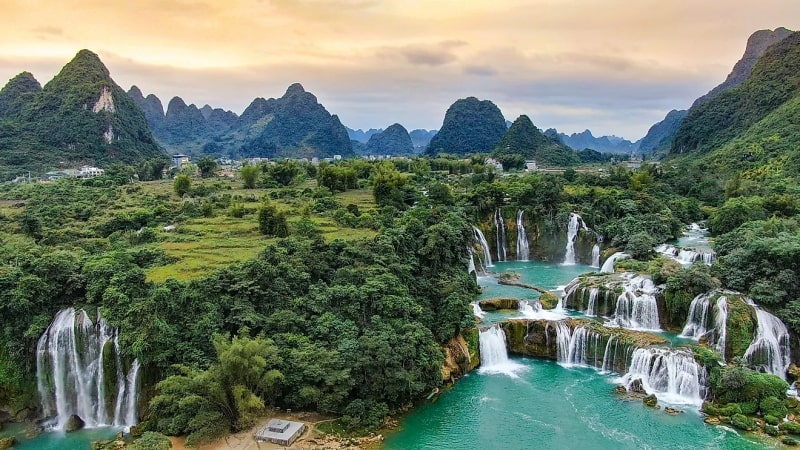
Situated in the remote northeast, Ban Gioc Waterfall (also called Detian Falls on the Chinese side) is not only the largest in Vietnam but also ranks among the biggest transnational waterfalls in Asia. With a majestic width of over 300 meters and a 60-meter drop, it’s a multi-tiered spectacle that thunders into emerald pools below. The surrounding karst landscape adds to its dramatic beauty. Take a bamboo raft for a closer view or enjoy panoramic photos from elevated viewpoints.

Essential Information

  • Google Rating: 4.6/5
  • Location: Quay Son River, Dam Thuy, Trung Khanh District, Cao Bang Province
  • Fees: 45,000 VND entrance | 50,000 VND raft ride | 20,000 VND horse carriage (optional)
  • Ideal Time to Visit: August to October, when water levels are high and rice terraces turn golden
  • Tip: Visit between late morning and early afternoon for the best lighting; hiring a local guide is advised due to proximity to the China border

2. Thac Bac (Sapa)

Located about 12 km from Sapa town along the road to Lai Chau, Silver Waterfall (Thác Bạc) tumbles down a 200-meter-high slope, forming a white ribbon visible from afar. The water crashes into boulders below, creating a thunderous roar, especially during the rainy season. You can climb up steep steps for a closer look and sweeping views of the valley.

Details

  • Google Rating: 4.1/5
  • Entrance Fee: 20,000 VND (adults), 10,000 VND (children)
  • When to Go: October through April for the most forceful flow

3. Love Waterfall (Sapa)

Located just a short distance from Silver Waterfall, Love Waterfall promises a more adventurous trek that appeals to nature lovers and thrill-seekers. Unlike its more accessible neighbor, reaching Love Waterfall requires a scenic hike through dense, lush forest. Though the trail may demand some physical effort, the destination is peaceful and relatively untouched by crowds. Visitors can cool off in the clear water, enjoy a serene picnic or camping session, or extend their journey with a detour to the stunning Tram Ton Pass—renowned for its panoramic mountain views.

  • Rating: 4.5/5 (based on Google reviews)
  • Location: Ton Station – Xe Mountain, San Sa Ho Commune, Sa Pa Town
  • Entrance Fee: 70,000 VND for adults, 30,000 VND for children
  • Best Time to Visit: From October to April, during the dry season when the weather is more stable and the waterfall flows clearly and strongly
  • Travel Tips: Wear supportive hiking shoes and bring water, snacks, and a camera to capture the untouched scenery. If visiting during the rice harvest season (around September to early October), the nearby terraced fields are especially picturesque.

4. Du Gia Waterfall (Ha Giang)

Located in the ethnic Tay village of Du Gia, this lesser-known waterfall is a hidden gem along the Ha Giang Loop. The 6-meter-high falls form a calm pool that’s perfect for a swim. Surrounded by rice paddies and forested hills, it’s a favorite among backpackers looking for an off-the-beaten-path escape.

Quick Facts

  • Rating: 4.8/5
  • Where: TL176, Du Gia Commune, Yen Minh District, Ha Giang
  • Best Time: April to October, when the weather is warm and water is clear
  • Note: Great for group trips, nature photography, and cultural homestays nearby

5. Fairy Waterfall (Thac Nang Tien, Son La)

Tucked away in Son La Province’s northern highlands, Fairy Waterfall plunges nearly 150 meters over three stages into a serene jungle pool. Legend says fairies once bathed here, giving the falls a mystical air. It’s a perfect blend of adventure and folklore.

Visitor Info

  • Google Rating: 4.4/5
  • No Entrance Fee; small raft rental fee if you wish to float close
  • When to Visit: March is ideal, coinciding with plum blossoms and ethnic festivals

6. Hieu Waterfall (Pu Luong Nature Reserve, Thanh Hoa)

Nestled in Pu Luong Nature Reserve, Hieu Waterfall flows down forested hillsides and splits into several clear streams that form natural swimming holes. It’s an ideal stop during multi-day trekking in the area and is surrounded by traditional Thai stilt houses.

Details

  • Google Rating: 4.3/5
  • Location: Co Lung Commune, Ba Thuoc District, Thanh Hoa
  • Best Time: May to October for warm weather and full water flow

7. Dray Nur Waterfall (Dak Lak)

Meaning “female waterfall” in the E De language, Dray Nur is one of Vietnam’s most powerful falls. It plunges more than 30 meters wide over volcanic rock formations, creating a booming soundscape. Behind the curtain of water lies a cave with striking rock formations.

Visiting Info

  • Google Rating: 4.5/5 (7,000+ reviews)
  • Location: Close to Buon Ma Thuot City, Dak Lak
  • Entry Fee: 30,000–40,000 VND
  • When to Go: Dry season (October–April) for easier access; early mornings are best
  • Caution: Swimming discouraged due to unpredictable currents

8. Pongour Waterfall (Lam Dong)

Dubbed the “Queen of Southern Waterfalls,” Pongour is admired for its terraced rock formations. The falls drop 40 meters and span over 100 meters across multiple stone steps. Paths allow visitors to walk behind the falls and explore unique photo angles.

Key Facts

  • Google Rating: 4.7/5
  • Address: Tan Nghia, Ninh Gia, Duc Trong, Lam Dong
  • Hours: 7 a.m.–5:30 p.m.
  • Entry Fee: Adults 20,000 VND | Children 10,000 VND
  • Best Season: Rainy months (July–September) for full effect

9. Elephant Waterfall (Nam Ban, Lam Dong)

Just 25 kilometers from Dalat, Elephant Waterfall (Thác Voi) cascades down 30 meters through dense jungle. A 145-step descent allows you to get up close to the roaring water, with spray misting the surrounding rocks and vegetation.

Details

  • Google Rating: 3.9/5
  • Location: Nam Ban Town, Lam Ha District, Lam Dong
  • Entry Fee: 20,000 VND
  • Note: Avoid visiting after rain—trails can become dangerously slippery

10. K50 Waterfall (Gia Lai)

Also known as Hang En Waterfall, K50 is a secluded and spectacular fall inside the Kon Chu Rang Nature Reserve. It’s over 50 meters tall and flows in a perfect arc into a jungle basin. Getting there requires a challenging jungle trek, often guided by local rangers.

Quick Info

  • Rating: 4.9/5
  • How to Visit: Contact local tour operators for permits and guidance
  • Recommended for: Experienced hikers and adventure seekers

11. Ba Ho Waterfalls (Nha Trang)

Only 25 km north of Nha Trang, Ba Ho (“Three Pools”) is a favorite spot for canyoning, swimming, and cliff jumping. Visitors hike through the forest to reach three cascading falls, each forming a pool. It’s a refreshing day trip from the beach city.

Essential Tips

  • Location: Van Thuan, Ninh Ich, Ninh Hoa
  • Fee: 135,000 VND (adults); kids enter free
  • Google Rating: 4.4/5
  • Ideal Visit Time: April, when the weather is cooler and trails are drier
  • Reminder: Wear grip shoes—the rocks are slippery and remote rescue may be limited

Vietnam’s waterfalls reflect the country’s diverse terrain—from limestone karsts and forested mountains to volcanic plateaus. Whether you’re trekking through a nature reserve or cruising on a raft beneath roaring falls, these 11 destinations offer a mix of natural beauty, cultural stories, and unforgettable adventure. Each waterfall has its own rhythm, inviting travelers to slow down and experience Vietnam from a more refreshing, grounded perspective.

Influenced by centuries of cultural exchange with China, the lanterns of Hoi An hold a unique charm of their own. Crafted with strong bamboo structures and vibrant silk fabrics, these lanterns stand apart from their Chinese counterparts through their elegance and artistry.

By day, Hoi An captivates visitors with its aged yellow walls and meandering alleyways. But as dusk settles, the town transforms into a glowing canvas lit by hundreds of traditional lanterns. In this guide, we’ll uncover the origins of Hoi An’s iconic lanterns, how they’re created, where to craft your own, and more.

How Lanterns Arrived in Vietnam

Lantern-making in Vietnam has been deeply shaped by Chinese settlers over generations. Lanterns originated in China over 1,800 years ago during the Han Dynasty, where they became central to festivals, particularly during the full moon in the first lunar month.

As the lantern tradition traveled south, it left a permanent mark on Vietnamese culture. Unlike the thin paper lanterns seen in China, Vietnamese lanterns, especially those in Hoi An, are wrapped in silk. Today, they’ve become one of the most recognizable cultural emblems of the old town. As night falls in Hoi An, electric lights dim, and homes are lit by the warm glow of lanterns, keeping an old tradition alive.

Lanterns During Hoi An’s Golden Age

Back in the 1500s and 1600s, Hoi An—then called Faifo—was a bustling international port welcoming traders from Japan, China, and Europe. It was during this period that lanterns were introduced by the Chinese diaspora.

Initially used to light the entrances of Chinese homes, lanterns soon became widespread in the community. Traditionally, families hung two lanterns bearing their surname on either side of the balcony. Over time, these glowing orbs came to define the city’s identity, casting a nostalgic ambiance through the narrow streets.

The Craft Behind Hoi An Lanterns

Two materials are essential for crafting these lanterns: flexible bamboo and high-quality silk. Bamboo is soaked in salted water for up to two weeks to prevent warping, then left to sun-dry before being trimmed into the desired shape.

The silk, typically sourced from Van Phuc, a village famed for its weaving traditions, is carefully stretched over the frame. Artisans finish the lantern with a protective coating, a decorative finial, and a steel hook for hanging.

Lanterns in Hoi An come in a variety of shapes, including lotus, pear, pumpkin, diamond, and even animal motifs like dragons or koi fish. The old town’s traditional homes also feature carved wooden lanterns, hand-painted and often only displayed during festive times.

Where to Find Lanterns in Hoi An

Visitors can explore a wide range of lanterns at the lively Hoi An Night Market. Open daily from 6 PM, it offers countless options in terms of size, color, and pattern. Prices vary, so it’s worth browsing several vendors and bargaining to get the best deal.

Create Your Own Lantern in Cam Chau Village

For a more immersive experience, try a hands-on lantern-making workshop in Cam Chau village. This activity allows visitors to better appreciate the intricate steps behind each creation. Though lantern-making has existed for over four centuries, the process remains novel and inspiring to many travelers today.

Hoi An Lantern

Care Tips for Vietnamese Lanterns

Lanterns make perfect souvenirs but require gentle care. To clean, lightly dust the surface using a small, soft brush. Avoid using water or cleaning solutions, which could damage the silk and painted designs.

If storing them, fold the lantern carefully and place it in a dry, cool space. To prevent damage from termites, occasionally air them out in sunlight for a few hours before packing them away again.

Lantern Festival: When to Visit Hoi An for the Best Experience

The Vietnamese Lantern Festival coincides with the Mid-Autumn Festival (Tết Trung Thu), celebrated on the 15th night of the eighth lunar month. It’s a magical time when Hoi An’s ancient streets glow entirely with lantern light.

Hoi An also hosts smaller full-moon festivals each lunar month, as well as elaborate lantern displays during the Tết holiday, Vietnam’s Lunar New Year, usually held from late January to early February. During these events, electric lights are turned off to allow the lanterns and moonlight to set the atmosphere, evoking a sense of ancient Vietnam at its most romantic.

Hoi An’s lanterns are far more than just decoration—they are a symbol of tradition, community, and artistry passed down through generations. Whether you admire them glowing in the night, purchase one to take home, or craft your own at a local workshop, these lanterns carry the spirit of a town that once lit the way for traders from across the world.


If you’re exploring Vietnam and planning to include Central Vietnam in your itinerary, Hue deserves a prime spot. Nestled along the Perfume River, this former imperial capital is recognized as a UNESCO World Heritage Site, famous for its ancient tombs, palaces, and royal architecture from the Nguyen Dynasty. But how exactly can you get from Hanoi to Hue?

There are various ways to travel between these two cities, each offering a different travel experience through Vietnam’s scenic heartland. Here’s a comprehensive overview of the most efficient and popular ways to reach Hue from Hanoi.

1. Flying from Hanoi to Hue

The fastest and most convenient mode of transportation is flying. The distance between the two cities is about 720 km, and a direct flight will get you to Hue in just over an hour.

Airports to know:

  • Noi Bai International Airport (Hanoi): Located around 28 km from the capital’s center, it takes approximately 35 to 50 minutes to reach the airport by car.
  • Phu Bai International Airport (Hue): Just 15 km from Hue’s downtown area, with a transfer time of around 25 to 30 minutes.

Airlines servicing this route:

  • Vietnam Airlines: Known for its full-service experience and punctuality.
  • VietJet Air: A low-cost carrier offering frequent flights, although delays may occasionally occur.

Flights generally take around 1 hour and 15 minutes. Ticket costs usually fall between €30 and €100 depending on travel season and how early you book. Expect higher prices during Vietnamese public holidays.

Which airline to pick?

  • Vietnam Airlines provides reliable service and comfort at a higher price point.
  • VietJet Air is a budget-friendly alternative with more flexible ticket prices.

2. Train Travel from Hanoi to Hue

If you prefer a leisurely journey with views of Vietnam’s countryside, the train is an excellent option. The ride offers striking landscapes of rice fields, forested hills, and coastal stretches.

Stations:

  • Hanoi Railway Station: Conveniently located at 120 Le Duan Street in the heart of Hanoi.
  • Hue Railway Station: Centrally placed at 2 Bui Thi Xuan, making it easy to reach hotels and attractions.

Train trips take about 13 to 14 hours, which makes overnight trains particularly appealing as they save on accommodation. Tickets can be purchased online via official Vietnam Railways platforms or directly at the station.

Depending on the class (hard seat, soft seat, or sleeper berth), ticket prices range from €25 to €75.

3. Sleeper Bus from Hanoi to Hue

Budget travelers may prefer sleeper buses, which are widely used across Vietnam for long-distance travel. This journey typically lasts between 12 to 14 hours and is one of the most cost-effective ways to travel, with prices between $10 and $15 USD.

Recommended provider:

  • Queen Cafe Bus: A popular choice among foreign visitors. The Hanoi office is located at 208 Tran Quang Khai, close to the Old Quarter. Most hotels can help you reserve seats if needed.

While not as comfortable as trains or flights, sleeper buses are convenient for backpackers and those traveling on a tight budget.

4. Limousine Bus for Added Comfort

For a more upscale and relaxed road journey, consider booking a limousine bus. These vehicles are more spacious than regular buses and offer added perks such as Wi-Fi, USB ports, bottled water, and entertainment systems.

Top-rated companies:

  • Thuy Ngan Limousine
  • Nhat Tuan Limousine

A one-way trip typically costs around $20 USD. These services are ideal for families or travelers who want a bit more comfort on the long haul. Booking in advance is recommended to ensure seat availability.

5. Helpful Travel Tips for Your Journey

Here are some useful tips to help make your trip from Hanoi to Hue smooth and enjoyable:

  • Arrive early
    • Trains and buses: Get there at least 30 minutes before departure
    • Flights: Aim to arrive at the airport 1 hour in advance or check in online

  • Book smart: Use reliable platforms or trusted agencies to purchase your tickets.
  • Pack essentials: Carry snacks, a reusable water bottle, ID or passport, and any personal items needed for long trips.
  • Stay alert: Be mindful of your belongings, particularly in crowded train stations or bus terminals.
  • Time your arrival: Choose a travel schedule that aligns well with hotel check-in times in Hue to avoid long waiting periods.
Travel Tips

Why You Should Visit Hue

Hue is one of Vietnam’s most culturally rich cities, ideal for travelers interested in history, architecture, and traditional cuisine. Whether you opt for a quick flight, a scenic train ride, or a budget-friendly sleeper bus, traveling from Hanoi to Hue can be an enjoyable part of your Vietnamese adventure.

Make sure to plan ahead, choose the option that suits your comfort level and schedule, and you’ll be set to explore Hue’s ancient beauty with ease.

Vietnam boasts a diverse selection of luxury accommodations that beautifully merge contemporary comfort with rich cultural heritage. These upscale hotels are set in some of the country’s most stunning natural settings—ranging from misty mountain valleys to sun-kissed coastal stretches—making them ideal for travelers in search of relaxation, authenticity, and beauty.

To help you plan your trip, here’s a curated list of the finest luxury hotels in Vietnam, organized by region.

1. Top Luxury Hotels in Northern Vietnam

Sofitel Legend Metropole Hanoi

This iconic five-star hotel, established in 1901, stands as one of the oldest and most prestigious in Hanoi. Known for hosting prominent figures and dignitaries, it exudes French colonial charm fused with traditional Vietnamese touches. Guests can indulge in gourmet dining at Le Beaulieu or Spice Garden and unwind at the serene Bamboo Bar.

Avana Retreat, Mai Chau

Tucked away in the tranquil landscapes of Mai Chau, Avana Retreat is enveloped by lush valleys and cascading rice fields. Inspired by traditional H’mong architecture, it provides a deep cultural experience and a peaceful haven for nature lovers and those seeking a retreat from urban life.

Tam Coc Garden Resort, Ninh Binh

Situated amidst limestone cliffs and emerald rice paddies, this resort showcases the authentic beauty of Ninh Binh’s countryside. It offers scenic access to natural wonders such as the Tam Coc caves and Ngo Dong River, along with views from the iconic Mua Cave.

P’apiu Resort, Ha Giang

Positioned in the remote highlands of Ha Giang, P’apiu Resort is tailored for couples seeking seclusion. Designed with influences from ethnic minority cultures, it features themed villas with panoramic views of nearby villages, terraced fields, and waterfalls. The resort promotes cultural connection and a serene atmosphere.

2. Top Luxury Hotels in Central Vietnam

Victoria Hoi An Beach Resort & Spa

This elegant beachfront resort lies close to the heart of Hoi An’s historic town. With its charming Indochine-style architecture, ocean views, an outdoor pool, spa services, and exceptional cuisine, Victoria Hoi An provides a refined coastal retreat.

TIA Wellness Resort, Da Nang

TIA Wellness Resort is designed for guests seeking a holistic escape. Located along a pristine beach, it offers wellness-centered experiences such as yoga, meditation, detox programs, and spa therapies in a minimalist, luxurious environment.

Ancient Hue Garden Houses

Inspired by the grandeur of the Nguyen Dynasty, this boutique hotel immerses guests in the elegance of imperial Hue. Located near the Citadel, it blends classical architecture with modern luxury. The tranquil garden setting and royal-style suites enhance the historical ambiance.

3. Top Luxury Hotels in Southern Vietnam

Hotel Continental Saigon

Founded in 1880, this historic hotel sits in the heart of Ho Chi Minh City’s bustling downtown. Featuring French colonial design and a legacy of literary and political guests, the hotel offers both modern amenities and easy access to major attractions.

The Reverie Saigon

Set in a prestigious skyscraper, The Reverie Saigon is one of the city’s most luxurious hotels. With opulent interiors, floor-to-ceiling views, gourmet restaurants, and exclusive services such as chauffeur-driven cars, it caters to discerning travelers.

Azerai Can Tho

Accessible only by boat, Azerai Can Tho is nestled on a private island in the Mekong Delta. The resort features minimalist design, tranquil gardens, riverside villas, and an emphasis on wellness and quietude. It’s ideal for those seeking an immersive nature experience.

The Secret Con Dao

Located on the quiet shores of Con Dao, this eco-conscious resort offers private villas with panoramic sea views. With a blend of contemporary design and natural harmony, the resort includes high-end dining, a beachside pool, and quiet ambiance ideal for relaxation.

Ocean Bay Resort & Spa Phu Quoc

Positioned on one of Phu Quoc’s most picturesque beaches, this luxury resort delivers an idyllic tropical escape. Guests can unwind in well-appointed rooms, lounge by the expansive pool, or explore nearby cultural attractions such as Dinh Ba Temple and local markets.

From the misty highlands in the north to the sun-drenched shores of the south, Vietnam offers a wide array of luxury stays tailored to every kind of traveler. These premier hotels bring together comfort, culture, and scenery—whether you’re seeking a romantic hideaway, a wellness journey, or a stylish family holiday. Your unforgettable adventure begins with the right place to stay.