Vietnam Travel Blog

Vietnam is a country where every corner tells a story. From the bustling streets of Hanoi to the tranquil mangroves of Ca Mau, each region holds unique beauty, history, and character. In today’s era of smartphones and social media, traveling is not only about seeing but also about capturing and sharing experiences. That is why the “National Selfie Tour” has become a trend: a journey designed to highlight Vietnam’s most photogenic spots, where travelers can take meaningful selfies that represent both personal memories and the country’s soul.

This tour spans the entire nation, moving from Hanoi in the north down to Ca Mau in the south. Along the way, travelers can capture ancient citadels, UNESCO heritage sites, colorful lantern towns, bustling floating markets, and the symbolic southern cape. Each selfie is more than a snapshot — it is a way of preserving the traveler’s connection to Vietnam, one frame at a time.

Hanoi – Ancient charm meets modern rhythm

The adventure begins in Hanoi, a city that perfectly blends tradition and modernity. Every corner of the capital presents a photo opportunity.

Walking around Hoan Kiem Lake, travelers find reflections of the Turtle Tower surrounded by willow trees. A selfie here at sunrise captures not only the scenery but also the calm spirit of the city. Just a few steps away, the Ngoc Son Temple and the bright-red Huc Bridge make iconic backdrops.

The Old Quarter is a maze of 36 streets, each specializing in a traditional craft. Selfies here burst with color: lanterns hanging above narrow streets, vendors carrying baskets of fruit, and the constant motion of motorbikes.

At the Temple of Literature, with its courtyards and pavilions, travelers can pose at the “Constellation of Literature Pavilion,” symbolizing Vietnam’s respect for learning. Meanwhile, Long Bien Bridge, designed by Gustave Eiffel, provides panoramic views of the Red River — a dramatic setting for wide-angle selfies.

Hanoi selfies embody the city’s dual identity: a place where ancient temples and modern cafés stand side by side.

Hanoi selfies capture timeless tradition, vibrant streets, iconic landmarks, and modern life

Halong Bay – A natural masterpiece

Leaving Hanoi, the journey heads to Halong Bay, a UNESCO World Heritage Site. Known for its emerald waters and thousands of limestone islands, Halong is a paradise for photography.

Onboard a cruise, travelers take selfies with towering karsts rising behind them. Kayaking through hidden lagoons offers adventurous angles, while drone shots (for those equipped) reveal the grandeur of the bay. At sunset, the golden glow across the water makes every picture cinematic.

Even the activities — like cooking classes or squid fishing on the boat — become memorable selfie moments. In Halong, nature itself frames every shot, making the bay a highlight of the selfie journey.

Halong Bay selfies: emerald waters, limestone islands, golden sunsets

Hue – Imperial elegance

The next stop is Hue, Vietnam’s imperial capital for more than a century. Here, history breathes through walls, gates, and palaces.

Inside the Imperial Citadel, travelers can pose with ornate gates or walk along the Flag Tower courtyard, surrounded by ancient architecture. At the Perfume River, selfies on a dragon boat or beside the iconic Truong Tien Bridge add poetic touches.

The Thien Mu Pagoda, with its seven-tiered tower rising above the river, is one of Vietnam’s most photographed landmarks. Travelers often frame selfies with the tower behind, capturing both spiritual depth and scenic charm.

Hue selfies radiate elegance, reflecting the city’s poetic and regal atmosphere.

Hue selfies reflect imperial elegance, poetic rivers, ancient palaces, timeless beauty

Da Nang – Modern vibes and natural wonders

Moving south, Da Nang surprises visitors with its dynamic mix of urban innovation and natural beauty.

The star attraction is the Golden Bridge at Bà Nà Hills. Supported by giant stone hands, the bridge has become one of the world’s most famous selfie spots. Sunrise or sunset photos here look otherworldly, with clouds swirling below.

At My Khe Beach, selfies at dawn capture golden light reflecting on soft waves. In the city, the Dragon Bridge steals the show: at night, selfies with the dragon breathing fire and water create dramatic images.

Da Nang selfies showcase Vietnam’s spirit of modernity and creativity.

Da Nang selfies blend modern creativity, iconic bridges, beaches, and vibrant cityscapes

Hoi An – Lantern-lit heritage town

Next is Hoi An, often called the most photogenic town in Vietnam.

During the day, yellow ancient houses and bougainvillea create stunning selfie backgrounds. The Japanese Covered Bridge, built in the 16th century, adds historical depth. But the real magic happens at night: the lanterns glow along the streets and riverside, creating a romantic, colorful ambiance.

Travelers can take selfies on boats floating down the Thu Bon River, with candles drifting in the water. Hoi An’s night markets also provide vibrant scenes of food, crafts, and lights.

Hoi An selfies capture timeless heritage, charm, and romance.

Hoi An selfies capture timeless heritage, glowing lanterns, romance, ancient charm

Nha Trang – Coastal paradise

Heading further south, Nha Trang offers sunshine, beaches, and seafood.

At the Fishing Village Market, travelers snap selfies while choosing live lobsters and crabs, experiencing authentic coastal culture. Hon Mun Island provides snorkeling opportunities, where underwater selfies with coral reefs and fish become unique highlights.

On the beach, sunsets over the East Sea create glowing backdrops. Dining on seafood by the sea, with waves as music, adds flavor to the photos.

Nha Trang selfies reflect joy, relaxation, and the freshness of the ocean.

Nha Trang selfies show sunny beaches, fresh seafood, coral reefs, joyful ocean life

Da Lat – Romantic highlands

The journey then turns inland to the Central Highlands, where Da Lat offers cool air and romantic landscapes.

Selfies at Xuan Huong Lake often capture morning mist and swan boats gliding peacefully. In flower gardens, roses and hydrangeas add color to portraits, while tea plantations stretch endlessly, offering serene green backdrops.

The old Da Lat Railway Station, with its vintage charm, is perfect for retro-style selfies. Coffee shops hidden in pine forests provide cozy, artistic atmospheres for lifestyle shots.

Da Lat selfies are about romance, creativity, and the charm of Vietnam’s highlands.

Da Lat selfies capture misty lakes, blooming flowers, pine forests, romantic highland charm

Ho Chi Minh City – The bustling metropolis

At the southern end of Vietnam’s urban spectrum lies Ho Chi Minh City, a vibrant blend of tradition and modernity.

At the Notre Dame Cathedral and Central Post Office, travelers capture French colonial elegance. On Nguyen Hue Walking Street, selfies at night include fountains, skyscrapers, and street performers.

For panoramic shots, the Bitexco Tower Skydeck provides sweeping views of the city. Meanwhile, the bustling Ben Thanh Market offers colorful backdrops of souvenirs, food, and local life.

HCMC selfies radiate energy, diversity, and cosmopolitan flair.

HCMC selfies radiate energy, diversity, modern skyline, vibrant street life

Mekong Delta – Rivers of life

Heading into the Mekong Delta, travelers experience a different pace of life.

At floating markets like Cai Rang, selfies capture boats loaded with tropical fruits and flowers. In orchards, travelers take playful shots among mangoes, rambutans, or coconuts. Village canals, shaded by palm trees, create peaceful selfie settings.

Workshops producing coconut candy or rice paper add interactive photo opportunities. Unlike cities, selfies here reflect simplicity, abundance, and connection to nature.

Mekong Delta selfies reflect river life, floating markets, orchards, peaceful nature

Ca Mau – The southernmost point

The journey concludes at Ca Mau Cape, the final landmark of Vietnam.

At the GPS national marker, selfies symbolize reaching the end of the country. Surrounding mangrove forests provide lush, green backgrounds, while sunsets over the sea offer dramatic, meaningful shots.

For many travelers, a selfie here represents not just a travel memory but also personal pride in completing a journey from north to south.

Ca Mau Cape selfies mark journey’s end, mangroves, sunsets, national pride

Tips for a perfect selfie journey

  • Use natural light: mornings and sunsets are ideal.
  • Keep equipment handy: phones or compact tripods help capture steady shots.
  • Engage with locals: selfies with fishermen, vendors, or performers add authenticity.
  • Experiment with angles: reflections in lakes or creative framing make photos stand out.
  • Stay respectful: always ask before photographing people up close.

Why the selfie journey matters

The National Selfie Tour is more than a photography trend. It is a way to connect with Vietnam deeply, documenting its diversity in personal ways. Each selfie reflects not only places but also emotions, encounters, and stories.

Sharing these photos online spreads awareness of Vietnam’s beauty, while keeping personal travel memories alive. It becomes both a cultural exchange and a digital diary.

Conclusion – A personal map of Vietnam

From Hanoi’s Turtle Tower to Ca Mau’s southern cape, the “National Selfie Tour” captures the entire spirit of Vietnam. Every region contributes a unique scene: imperial citadels, golden bridges, lantern-lit towns, coral reefs, misty highlands, bustling cities, and tranquil rivers.

For modern travelers, selfies are not superficial — they are storytelling tools. Each image is a reminder of Vietnam’s richness, its hospitality, and the traveler’s personal journey across the nation. Completing the selfie tour from Hanoi to Ca Mau is like drawing a personal map of Vietnam, full of faces, places, and unforgettable moments.

Known as Vietnam’s coastal paradise, Nha Trang is famous for its long beaches, crystal-clear waters, and diverse seafood culture. Among the many ways to enjoy local cuisine, few experiences are as authentic as visiting the Fishing Village Market (Chợ Làng Chài). Here, visitors don’t just order from a menu — they choose seafood directly from fishermen’s baskets or tanks, negotiate prices, and watch their catch cooked right before their eyes.

From lobsters and crabs to clams, squid, and sea snails, the variety is endless. Eating at the Fishing Village Market isn’t just about food; it’s about connecting with local life, feeling the vibrancy of the coastal community, and tasting the ocean’s freshness in its purest form.

Nha Trang – Vietnam’s seafood paradise

Nha Trang is not only one of Vietnam’s most visited beach cities but also a culinary treasure. Its coastline stretches for over 500 kilometers, dotted with islands and fishing villages that have thrived for generations. Thanks to the warm currents and nutrient-rich waters, the area supports a huge diversity of marine life.

Visitors will find lobsters considered the pride of Khanh Hoa Province, squid famous for its sweetness, and countless species of clams and snails harvested daily. Unlike seafood in big cities, what you taste in Nha Trang often comes directly from the sea that morning, guaranteeing unbeatable freshness. The combination of nature’s abundance and the skills of local fishermen has made Nha Trang a true seafood capital of Vietnam.

Nha Trang seafood shines fresh ocean flavors coastal heritage

The Fishing Village Market – Where sea meets land

The Fishing Village Market is unlike any other market in Vietnam. Located near small fishing harbors, it usually consists of floating platforms or stalls set up right by the sea. Early in the morning, as fishing boats return after a night on the water, the market bursts into life.

Visitors are greeted by a scene of vibrant chaos: fishermen unloading baskets filled with wriggling fish, women calling out prices, children running along the docks, and the salty scent of the sea filling the air. Unlike supermarkets or polished seafood restaurants, the Fishing Village Market retains a raw, authentic charm that draws travelers who want to experience the real life of coastal Vietnam.

Fishing Village Market showcases raw coastal life, fresh catch, vibrant mornings

Choosing seafood – A hands-on experience

At the market, visitors become part of the action. Instead of sitting at a restaurant table and flipping through a menu, they walk among rows of baskets, tanks, and plastic tubs where the seafood is still alive.

Picking a lobster or crab directly and seeing it weigh in your hands creates a sense of excitement. Bargaining, though simple, is also part of the fun. Local vendors are often friendly, willing to chat, and even explain how to best cook certain items. For travelers, this process feels empowering — they know exactly where their food comes from and can be sure of its freshness.

It is not uncommon for tourists to take photos with their chosen lobsters or fish before sending them to nearby kitchens for cooking. The entire process, from sea to market to plate, happens within a matter of hours, ensuring that the flavors are at their peak.

Choosing live seafood creates excitement, freshness, authentic coastal market experience

Cooking on the spot – Authentic coastal flavors

What makes the Fishing Village Market unique is not just buying seafood but also having it cooked immediately by local chefs. Small eateries and family-run stalls are set up around the market, specializing in turning freshly bought seafood into delicious dishes.

For example, lobsters are often split in half and grilled with garlic butter until golden, releasing an aroma that drifts across the shore. Crabs may be steamed with lemongrass and dipped into salt-pepper-lime sauce, highlighting their natural sweetness. Clams are stir-fried with chili and basil, while squid is tossed in a tamarind sauce that balances sweet, sour, and savory.

The cooking style is usually simple, focusing on preserving the natural taste of the sea. This simplicity, combined with the setting, makes the meal unforgettable.

Freshly bought seafood cooked instantly, simple flavors, unforgettable coastal dining

Dining by the sea

Eating at the Fishing Village Market is not about luxury but about atmosphere. Wooden tables and plastic chairs are placed just a few meters from the water’s edge. Waves lap gently against the shore as diners crack open crab shells or sip seafood soup.

The soundscape is just as special: the laughter of fishermen, the sizzling of grills, the cry of seabirds circling overhead. There is no air conditioning, no fancy décor, just the ocean as your dining room. For many travelers, this rustic environment is far more charming than polished restaurants.

Rustic seaside dining atmosphere, waves, grills, laughter, authentic coastal charm

Cultural immersion with locals

Beyond the food, the Fishing Village Market offers a chance to interact with the people who depend on the sea for their livelihoods. Fishermen and their families are often open and curious about visitors, eager to share stories.

Some may tell you about their nightly fishing trips, braving rough seas and unpredictable weather. Others explain how different seafood species are caught, farmed, or cooked. These conversations reveal the resilience, pride, and traditions of Vietnam’s coastal communities. By sharing a smile, a drink of rice wine, or a story, visitors gain not just a meal but also a connection to the human side of the sea.

Fishing Village Market connects travelers with fishermen, stories, traditions, coastal life

Best time to visit

The timing of your visit can greatly shape the experience.

  • Early morning (5–8 am): freshest catches and busiest market atmosphere.
  • Midday: quieter, better for those who prefer a relaxed meal without the hustle.
  • Evening: in some fishing villages, seafood dinners are offered right by lantern-lit shores, adding a romantic feel.

For photographers, the morning is ideal, while for couples, evenings can be magical.

Travel tips for the perfect seafood feast

To enjoy your experience fully, consider the following:

  • Bring small denominations of cash: vendors rarely accept cards.
  • Ask locals for cooking tips: they know the best ways to enjoy each dish.
  • Be adventurous: try clams, sea snails, or even sea urchin for new flavors.
  • Arrive early: not only for freshness but also to avoid crowds
  • Travel light: sandy, wet areas are not ideal for heavy luggage.

A little preparation ensures the experience is smooth and enjoyable.

Prepare simply for a smooth, authentic Fishing Village Market experience

Why travelers love the Fishing Village Market

Visitors often list the Fishing Village Market as a highlight of their trip to Nha Trang.

  • Unbeatable freshness: seafood moves from ocean to plate in less than an hour.
  • Immersive culture: you witness the real life of fishermen and their families.
  • Unique setting: eating by the sea under palm trees is unforgettable.
  • Good value: prices are often lower than in tourist-centered restaurants.

The blend of authenticity, flavor, and atmosphere makes it a memory that travelers carry long after leaving.

Fishing Village Market delivers freshness, culture, value, unforgettable seaside memories

Conclusion – A true taste of the sea

Dining at Nha Trang’s Fishing Village Market is not simply about eating seafood. It is about embracing the entire journey: watching fishermen unload their catch, choosing your lobster or crab, having it cooked right before your eyes, and sharing stories with locals as waves crash nearby.

For food lovers, it is the ultimate expression of freshness. For cultural travelers, it is a direct window into the life of Vietnam’s coastal communities. Together, these experiences make the Fishing Village Market an essential stop in Nha Trang, a place where the ocean’s bounty and the warmth of its people come together in one unforgettable feast.

At the heart of Phu Quoc Island lies Grand World, Vietnam’s first “sleepless city,” where shops, shows, and cultural performances light up day and night. Covering 85 hectares with themed areas, art installations, and entertainment complexes, the site is vast — making exploration on foot both tiring and time-consuming. That is why renting an electric car has become the most modern and convenient way to explore. Quiet, comfortable, and eco-friendly, these vehicles let travelers glide through colorful streets, stop at key attractions, and enjoy the city’s beauty without hassle. For families, couples, and groups, an electric car tour turns discovery into a relaxed yet unforgettable journey.

Grand World Phu Quoc – Vietnam’s sleepless city

Grand World is designed as a massive entertainment hub operating 24/7.

  • Scale: 85 hectares within the Phu Quoc United Center complex.
  • Concept: a non-stop entertainment city with culture, shopping, and nightlife.
  • Highlights: Venice Canal, Bamboo Legend, Teddy Bear Museum, Urban Park, and the Quintessence of Vietnam Show.

Its size and diversity make convenient transportation essential — and electric cars fit the role perfectly.

Grand World Phu Quoc entertainment hub needs convenient electric transportation

Why rent an electric car in the Grand World?

Exploring the Grand World with an electric car offers both comfort and modernity.

  • Eco-friendly: reduces noise and emissions, protecting Phu Quoc’s environment.
  • Time-saving: helps visitors cover large areas efficiently.
  • Flexible stops: allows easy access to every attraction.
  • Family-friendly: suitable for children, elderly, and groups.
  • Comfortable rides: shaded seating and smooth operation.

Rather than rushing or tiring walks, visitors can enjoy a stress-free journey.

Electric cars offer comfortable, eco-friendly, flexible, time-saving Grand World exploration

Attractions to explore with electric cars

Grand World’s attractions are spread across different themed zones.

  • Venice Canal: gondola rides and colorful European-style houses.
  • Bamboo Legend: the world’s largest bamboo architecture, symbolizing Vietnam’s heritage.
  • Teddy Bear Museum: fun for families with children.
  • Urban Park: green landscapes and modern sculptures.
  • Quintessence of Vietnam Show: grand outdoor performance retelling Vietnamese history.
  • Shopping and dining streets: filled with boutiques, cafés, and souvenir stalls.

An electric car makes it easy to see them all in one trip.

Electric cars connect Grand World zones quickly, comfortably, conveniently

The ride experience

Travelers often describe the electric car journey as part of the fun.

  • Daytime: vibrant with bustling shops and cultural activities.
  • Evening: dazzling lights transform Grand World into a fairytale setting.
  • Night rides: perfect for enjoying the 24/7 nightlife atmosphere.

Smooth, quiet rides give travelers more energy to enjoy performances and shopping.

Electric car rides add fun, comfort, magical day-night experiences

Practical information for renting

Electric car rentals are widely available inside Grand World.

  • Rental locations: at main gates and busy zones.
  • Pricing: charged by hour or route; daily packages also available.
  • Capacity: 4–6 passengers for small cars; 8–12 for larger vehicles.
  • Booking: direct at rental spots, through hotels, or tour operators.
  • Guided options: some rentals include drivers who double as local guides.

Flexible services ensure accessibility for every traveler.

Electric car rentals provide flexible access, guides, comfort, convenience

When to take the electric car tour

Different times offer different vibes.

  • Morning: cooler weather, fewer crowds.
  • Afternoon: busy, lively atmosphere.
  • Evening: most magical, with colorful lights and shows.
  • Late night: best for nightlife lovers exploring Grand World’s energy.

Most visitors recommend evening tours for the full “sleepless city” experience.

Evening electric tours best capture Grand World’s sleepless magic

Tips for first-time visitors

To maximize your tour:

  • Plan attractions to visit before renting.
  • Share larger cars with groups to save costs.
  • Carry water and snacks.
  • Bring a camera for photo opportunities.
  • Check show schedules in advance.

Preparation ensures you won’t miss any highlight.

Why the electric car option is unforgettable

Visitors often prefer electric cars for these reasons:

  • Unique perspective: viewing Grand World’s streets from an open car.
  • Inclusive: elderly and children can join without difficulty.
  • Relaxing: no exhaustion, just pure enjoyment.
  • Stylish: matches the modern theme of the sleepless city.

It is more than transportation — it is part of the Grand World experience itself.

Conclusion – A modern journey through Grand World

Exploring Grand World Phu Quoc is already a once-in-a-lifetime experience, but renting an electric car makes it even better. Blending eco-friendliness, comfort, and convenience, electric cars allow travelers to see more, enjoy more, and fully embrace the sleepless city’s vibrancy.

From cultural shows to iconic landmarks, every stop becomes accessible and stress-free. Whether you are a family, a group of friends, or a couple seeking a romantic night ride, the electric car tour ensures that your journey through Grand World is modern, memorable, and truly complete.

Ha Long Bay, with its emerald waters and thousands of limestone karsts, is one of the most breathtaking natural wonders in the world. Recognized as a UNESCO World Heritage Site, this destination is not just about daytime sightseeing. The most magical way to truly experience its charm is by spending a night aboard an overnight cruise ship.

As the sun sets behind the towering cliffs, the bay transforms into a tranquil paradise. Gentle waves rock the boat, lanterns glow softly, and travelers drift into a dreamlike journey. An overnight cruise on Ha Long Bay combines luxury, relaxation, and adventure — from kayaking through hidden lagoons to enjoying fine Vietnamese cuisine under the stars. It is more than a trip; it is an immersion into the soul of northern Vietnam’s most iconic landscape.

Ha Long Bay – A natural wonder of the world

Before stepping onto the boat, it’s important to understand why Ha Long Bay is considered a global treasure.

  • Geography: covering 1,553 km², with nearly 2,000 limestone islands.
  • Formation: millions of years of geological evolution shaped its karsts and caves.
  • Recognition: UNESCO World Heritage status in 1994 and 2000.
  • Legends: folklore says dragons descended from heaven to protect Vietnam, creating the bay.

These elements give Ha Long Bay both natural and mythical significance, making it a bucket-list destination for travelers worldwide.

Ha Long Bay blends geology legends UNESCO beauty into world heritage treasure

The overnight cruise experience

Unlike day trips, an overnight cruise allows travelers to truly embrace the beauty of Ha Long Bay.

  • Slow exploration: more time to discover hidden caves, lagoons, and fishing villages.
  • Romantic nights: starlit skies reflected on calm waters create unforgettable memories.
  • Full immersion: enjoy sunrise, sunset, and everything in between on the bay.

From modern luxury liners to traditional wooden junks, the variety of boats ensures that every traveler finds their perfect floating home.

Overnight cruises offer immersive, romantic, slow Ha Long Bay exploration

Life on board – comfort and style

Overnight cruises offer a blend of tradition and modern luxury.

  • Cabins: private rooms with large windows, some with balconies overlooking the sea.
  • Dining: multi-course meals featuring fresh seafood and Vietnamese delicacies.
  • Entertainment: cooking classes, squid fishing, and cultural performances.
  • Relaxation: sundecks, spas, and lounges provide spaces for rest.

Each boat is designed to make travelers feel both pampered and connected to the natural beauty outside.

Overnight cruises blend luxury comfort, tradition, relaxation, scenic Ha Long Bay

Activities during the cruise

The highlight of any overnight cruise is the variety of activities included.

  • Kayaking: explore lagoons and caves unreachable by larger boats.
  • Swimming: dive into crystal-clear waters near secluded beaches.
  • Cave exploration: visit Sung Sot (Surprise Cave), Thien Cung (Heavenly Palace), and Dau Go Cave.
  • Cooking demonstrations: learn how to prepare Vietnamese spring rolls or seafood dishes.
  • Squid fishing at night: a fun and traditional experience under the stars.

These activities make the journey dynamic, combining adventure with cultural learning.

Overnight cruises feature kayaking, caves, cooking, squid fishing adventures

The magic of sunrise and sunset on the bay

One of the most unforgettable parts of an overnight cruise is witnessing the bay’s transformation at different times of day.

  • Sunset: the karsts glow golden, casting long shadows over the water.
  • Night: the bay quiets down, lanterns reflect gently on the waves.
  • Sunrise: mist lifts from the water, birds soar between cliffs, and the day begins with peace.

These moments are best enjoyed from the deck, coffee or tea in hand, as the bay awakens or winds down.

Sunrise sunset night transform Ha Long Bay magically

Encounters with local culture

Ha Long Bay is not only about nature; it is also home to traditional floating villages.

  • Cua Van Fishing Village: residents live on floating houses, sustaining their lives through fishing and aquaculture.
  • Cultural exchanges: visitors can learn about local lifestyles, traditions, and challenges.
  • Handicrafts: villagers produce pearls and crafts that reflect their deep connection to the sea.

Meeting locals provides an authentic layer to the experience, reminding travelers that Ha Long Bay is a living, breathing community.

Floating villages reveal living culture within Ha Long Bay

Cuisine on the cruise

Food is central to the overnight cruise experience. Chefs combine freshness with artistry, turning each meal into a highlight.

  • Seafood specialties: prawns, squid, clams, and crab directly sourced from the bay.
  • Vietnamese classics: pho, banh cuon, and spring rolls.
  • Fusion options: Western dishes and vegetarian meals for diverse tastes.
  • Special dinners: some cruises organize cave banquets or deck-top BBQs under the stars.

The combination of flavors and scenery creates a dining experience like no other.

Overnight cruise dining blends fresh seafood flavors with scenic beauty

Types of overnight cruises

Travelers can choose from a wide range of boats based on budget and style.

  • Luxury cruises: 5-star service, spacious cabins, fine dining, and spa facilities.
  • Mid-range junks: balance of comfort and affordability, with modern amenities.
  • Traditional wooden boats: rustic charm, smaller groups, authentic atmosphere.
  • Private charters: tailor-made itineraries for couples or families seeking exclusivity.

Each option provides a unique perspective of Ha Long Bay, but all share the same magical scenery.

Cruise options suit every budget, style, experience in Ha Long Bay

Practical travel tips

To make the most of the experience, travelers should prepare well.

  • Best season: October to April offers cool weather and clear skies.
  • Duration: most cruises last 2 days/1 night, though 3-day options are available.
  • Packing: light clothing, swimwear, sunscreen, and a jacket for cooler evenings.
  • Booking: reserve in advance, especially during peak tourist seasons.
  • Budgeting: prices vary widely, from budget-friendly to luxury experiences.

With the right planning, every visitor can enjoy the perfect overnight cruise.

Proper planning ensures perfect Ha Long Bay overnight cruise experience

Why overnight cruises are unforgettable

Travelers often describe their Ha Long Bay overnight cruise as a once-in-a-lifetime memory.

  • Romance: ideal for honeymooners and couples.
  • Adventure: kayaking, caving, and fishing add excitement.
  • Culture: music, cooking, and village visits deepen understanding.
  • Scenery: endless opportunities for photography and relaxation.

It is not just a trip but a floating journey through one of the most beautiful landscapes on Earth.

Conclusion – A dream on the water

To drift on an overnight cruise in Ha Long Bay is to experience Vietnam at its most enchanting. From luxury cabins and seafood feasts to kayaking adventures and cultural exchanges, every moment offers a new discovery.

As the boat glides between limestone towers and the sky fills with stars, travelers realize they are part of a timeless scene — one that poets, painters, and dreamers have admired for centuries. More than sightseeing, an overnight cruise is an invitation to pause, breathe, and embrace the romance of Vietnam’s greatest natural wonder.

Nestled in the heart of Vietnam’s Central Region, Hue is famous not only as the former imperial capital but also as a city of poetry and music. Central to its identity is the Sông Hương , a waterway that has witnessed centuries of dynasties, traditions, and artistry. For visitors, a cruise on the Sông Hương is not merely a touristic activity; it is a window into the soul of Hue.

Drifting on a dragon boat, travelers can admire iconic landmarks, listen to the melodies of ca Huế chamber music, release floating lanterns into the water, and savor local delicacies on board. With misty mornings, golden sunsets, and lantern-lit nights, the Sông Hương becomes the perfect stage for romance and cultural immersion. This experience brings together the timeless elegance of the imperial city and the gentle rhythm of life that continues to flow along its banks.

The Sông Hương – Symbol of Hue’s soul

The Sông Hương is considered the lifeline of Hue. It not only nourished agriculture and trade but also shaped the cultural identity of the city.

  • Geography: stretching 80 kilometers, the river flows through forests before reaching Hue and finally merging with the East Sea.
  • Etymology: the name comes from legends of fragrant flowers drifting downstream in autumn.
  • Historical significance: it was the setting for imperial processions, religious rituals, and daily life during the Nguyen Dynasty.

Unlike other rivers that define cities by their economic role, the Sông Hương is remembered for its aesthetic and emotional meaning. It has been described in countless works of poetry, music, and painting as a symbol of Hue’s gentle, romantic charm.

Sông Hương shapes Hue’s culture, history, poetry, gentle romantic soul

Cruising as a poetic journey

A river cruise offers travelers a unique way to discover Hue’s beauty. Unlike rushing tours, the boat allows time to admire details and breathe in the quiet atmosphere.

  • Tranquility: the calm water reflects clouds, mountains, and bridges like a giant mirror.
  • Romance: couples often choose sunset cruises as a symbolic experience of love.
  • Immersion: the journey is not just sightseeing but also a chance to feel Hue’s rhythm of life.

Travelers often compare it to stepping back in time, drifting slowly through centuries of culture.

Sông Hương cruise reveals Hue’s tranquility, romance, timeless cultural rhythm

Landmarks along the Sông Hương

A boat trip reveals Hue’s most famous attractions.

  • Thien Mu Pagoda: the seven-story tower stands proudly on a hill, considered a spiritual guardian of the city.
  • The Imperial Citadel: from the river, one can imagine the grandeur of emperors traveling by boat to ceremonies.
  • Royal tombs: the resting places of emperors such as Minh Mang and Tu Duc lie along the riverbanks, blending with pine forests.
  • Truong Tien Bridge: designed by Gustave Eiffel, this bridge glitters with lights at night, connecting past and present.

Each landmark tells a story, adding historical depth to the cruise.

Perfume River cruise showcases Hue’s pagodas, citadel, tombs, iconic bridge

Dragon boats – Hue’s floating heritage

No experience is complete without a ride on the dragon boat, the most iconic vessel on the river.

  • Design: shaped like mythical dragons with colorful heads and scales.
  • Symbolism: dragons in Vietnamese culture represent power, prosperity, and protection.
  • Tradition: once reserved for royalty, dragon boats are now shared with visitors as a way of preserving heritage.

Boarding such a boat feels like joining the emperors of the past on their journey across the river.

Dragon boat rides embody Hue’s royal heritage, symbolism, timeless river tradition

Night cruises with ca Huế music

Among the highlights of the Sông Hương cruise is the chance to experience ca Huế, a UNESCO-recognized art form.

  • Music and lyrics: songs are based on royal court traditions and folk culture, performed in a soulful style.
  • Instruments: đàn tranh (zither), đàn nguyệt (moon lute), and bamboo flutes create hauntingly beautiful sounds.
  • Atmosphere: lanterns flicker, casting soft reflections on the water as the music fills the night.
  • Interactive moments: guests often release floating lanterns, making wishes as they drift downstream.

This combination of music and river scenery creates one of the most magical experiences in Vietnam.

Ca Huế music cruise blends heritage, lanterns, river magic beautifully

Culinary experiences on the water

Some river tours include meals on board, turning the cruise into a sensory feast.

  • Bún bò Huế: the iconic spicy beef noodle soup.
  • Bánh bèo, bánh nậm, bánh lọc: delicate steamed rice cakes.
  • Lotus tea: fragrant and symbolic of Hue’s refinement.
  • Sweet soups (chè): colorful desserts that delight the senses.

Dining on the Sông Hương, with the cool evening breeze, is as memorable as visiting the city’s monuments.

Perfume River dining delights flavors, breeze, culture, unforgettable nights

Best times to enjoy the Sông Hương

The river’s charm changes with the time of day.

  • Early morning: mist rises from the water, creating a dreamlike scene.
  • Afternoon: bright sunlight reveals details of temples, bridges, and gardens.
  • Sunset: golden reflections turn the river into a painting.
  • Night: lanterns, music, and cool air make for a magical ambiance.

Each moment offers a different lens through which to appreciate Hue’s beauty.

Perfume River transforms daily, offering misty mornings, golden sunsets, magical nights

Sông Hương in literature and art

Few rivers in Vietnam are as celebrated in culture as the Sông Hương.

  • Poetry: countless Vietnamese poets, including Tố Hữu, wrote verses praising its romantic flow.
  • Music: songs such as “Ai ra xứ Huế” immortalize the river as a symbol of longing and nostalgia.
  • Painting: artists have depicted its bridges, boats, and reflections in works that capture the essence of Hue.

For locals, the river is not just water — it is a living muse that continues to inspire.

Sông Hương inspires poetry, music, art, Hue’s romantic soul

Travel tips for a perfect cruise

To make the most of the experience:

  • Book early: especially for evening music cruises.
  • Choose the right route: some tours are short (30 minutes), while others include stops at tombs and pagodas.
  • Bring small cash: for snacks, souvenirs, or tips for performers.
  • Dress comfortably: light clothing during the day, a jacket for the cool night breeze.
  • Camera ready: the light and reflections offer endless photo opportunities.

Cultural significance of the river cruise

For Hue residents, river cruises are not just tourism but a way to keep traditions alive.

  • Ca Huế performances: support local artists and preserve heritage.
  • Dragon boats: sustain craftsmen who maintain traditional boat designs.
  • Community pride: tourism showcases the beauty of Hue to the world.

By joining a cruise, visitors contribute to the preservation of this cultural ecosystem.

River cruises preserve Hue traditions, artists, boats, community pride

Conclusion – A timeless river of romance

The Sông Hương is the heartbeat of Hue. To float along its waters is to experience the city’s poetry, history, and elegance in their purest form. From sunrise mists to lantern-lit nights, from dragon boats to imperial tombs, every detail of the cruise reflects the romance of Vietnam’s most artistic city.

For travelers, it is not just a boat trip but an immersion into Hue’s soul. Whether you are a history lover, a culture seeker, or simply someone in search of beauty, a Sông Hương cruise will leave you with memories as timeless as the flow of the river itself.

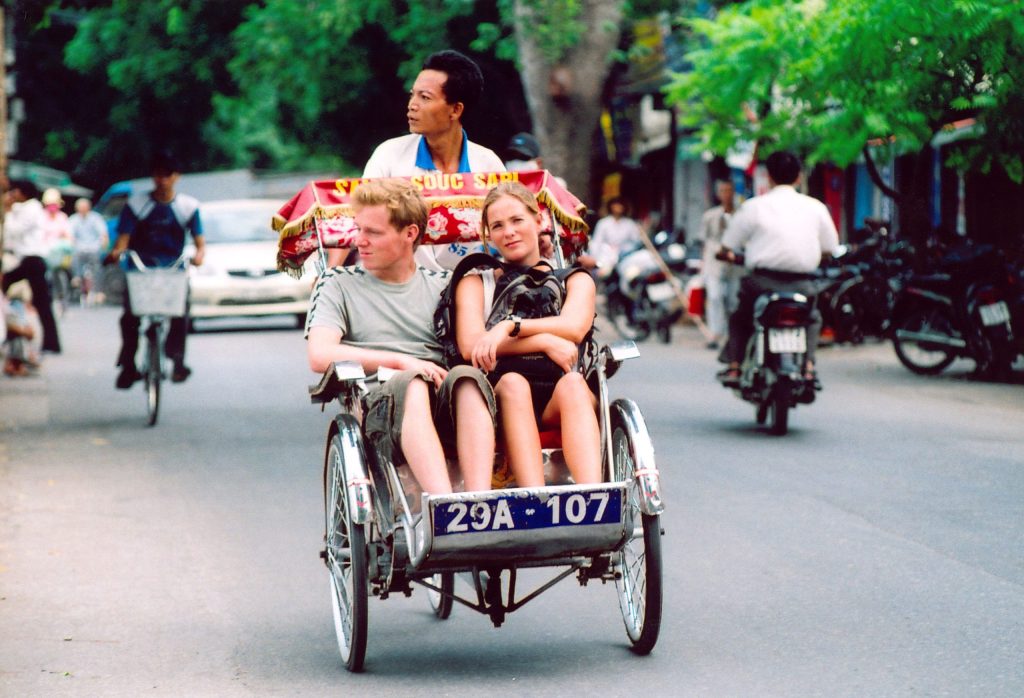
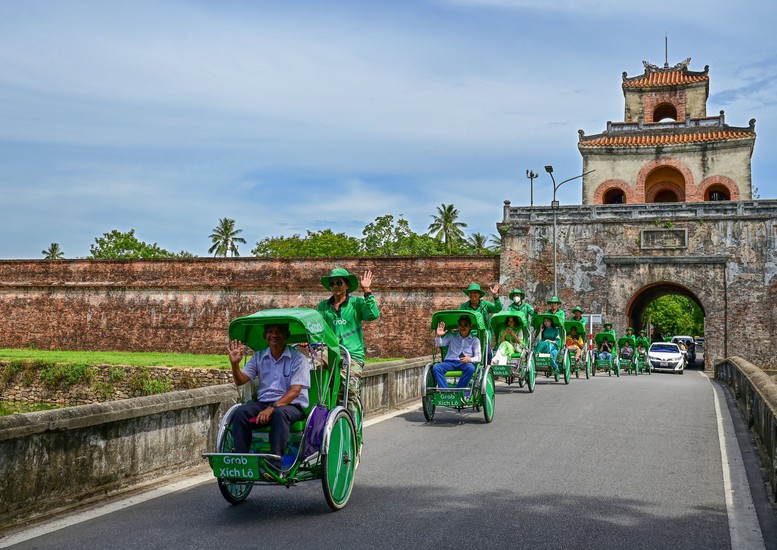
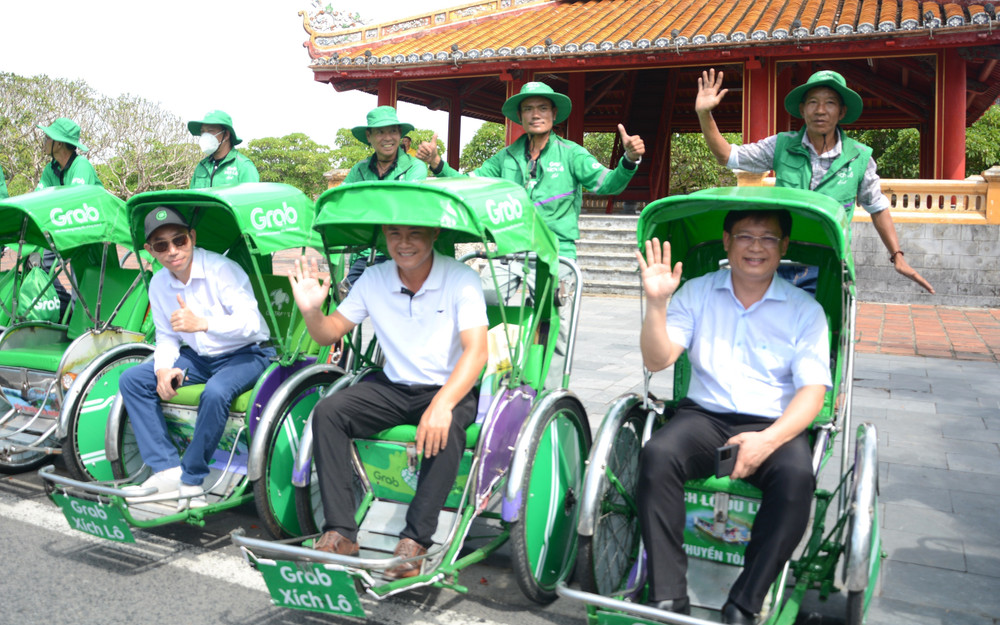
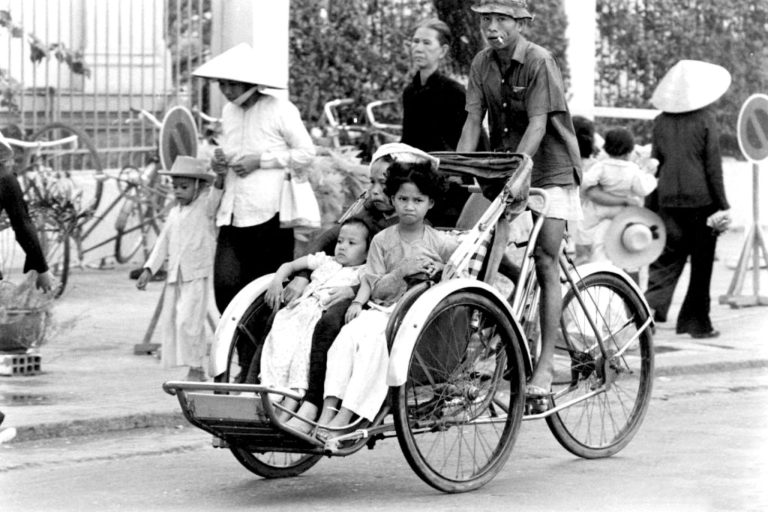
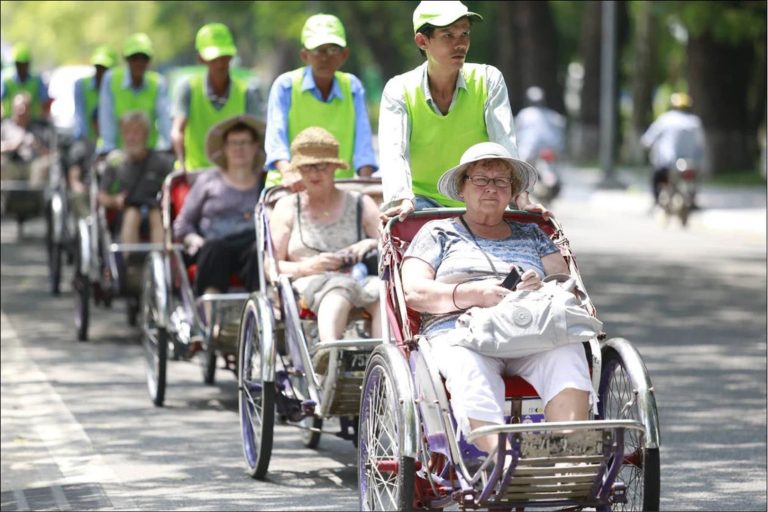
In the heart of central Vietnam lies Hue, the former imperial capital and a city that still whispers stories of dynasties, emperors, and timeless culture. While modern vehicles rush along busy streets, there is one way to experience Hue in its most authentic form: the cyclo ride. These traditional three-wheeled rickshaws, once a common mode of transport across Vietnam, remain iconic in Hue. A leisurely journey on a cyclo is not just about transportation — it is about reliving Hue of the past, embracing its slow rhythm, and discovering hidden corners that cars and buses often miss.

A cyclo ride offers more than sightseeing. It is a cultural journey, an immersion into daily life, and a chance to see Hue through the eyes of locals. From the grandeur of the Imperial Citadel to the quiet alleys where time seems frozen, the cyclo allows travelers to feel history unfold in every turn of the wheel.

Hue and the cultural significance of cyclos

To understand why cyclos remain iconic in Hue, one must first appreciate the city’s heritage.

  • Imperial legacy: Hue was the capital of the Nguyen Dynasty for over 140 years.
  • Cultural identity: the city’s slow pace of life aligns with the unhurried rhythm of a cyclo ride.
  • Symbol of nostalgia: the cyclo, with its simple structure and gentle movement, mirrors the city’s atmosphere of elegance and tranquility.

Unlike bustling Ho Chi Minh City or Hanoi, where cyclos have largely disappeared, Hue preserves them as part of its living culture, especially for tourists who want to experience its historical charm.

Cyclos symbolize Hue’s imperial heritage, nostalgia, slow elegant rhythm

The cyclo itself – design and experience

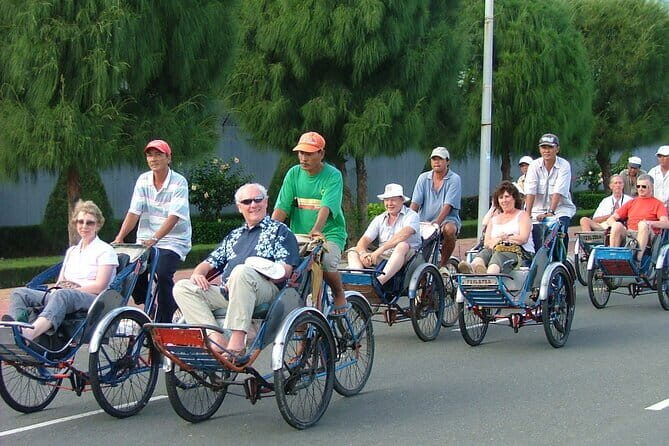
A cyclo is a three-wheeled vehicle with a large front seat for passengers and a driver pedaling behind. It may seem modest, but every detail contributes to the ride experience.

  • Comfortable seating: padded cushions and shade protect passengers from the sun.
  • Open design: allows panoramic views and easy photography.
  • Slow pace: perfect for absorbing details of Hue’s ancient architecture, streets, and daily life.

Travelers often describe the ride as meditative, a refreshing contrast to the rush of modern transportation.

Cyclo rides offer comfort, slow pace, open views, meditative Hue experience

Highlights of a cyclo journey through Hue

Cyclo tours typically cover Hue’s most iconic landmarks, offering a slow but immersive way to see the city.

  • The Imperial Citadel: passing through the grand gates and moats gives a regal perspective.
  • Perfume River (Sông Hương): cruising along its banks reveals poetic landscapes.
  • Dong Ba Market: the bustling energy contrasts with the calm pace of the cyclo.
  • Truong Tien Bridge: the historic bridge designed by Gustave Eiffel connects modern Hue with the past.
  • Hidden alleys: quiet neighborhoods showcase everyday life and the warmth of locals.
Cyclo tours reveal Hue landmarks, river life, markets, hidden alleys

Photography opportunities on a cyclo

The cyclo is not just transportation — it is also a moving photography platform.

  • Street life: vendors, students, and locals going about their day.
  • Colonial and imperial architecture: viewed from the unique low angle of a cyclo seat.
  • Natural scenery: flowers, trees, and reflections along the Perfume River.
  • Portraits: candid shots of cyclo drivers and smiling locals create authentic memories.

The slow pace ensures you never miss the small details.

Cyclo rides create slow-motion photography of Hue life

When and how to enjoy a cyclo tour

Planning your cyclo experience ensures comfort and authenticity.

  • Best time: early morning or late afternoon when the weather is cool and streets are lively.
  • Duration: tours range from 1 hour to half a day, depending on the route.
  • Cost: usually affordable, negotiated before the ride, or booked through tour agencies.
  • Dress code: light, comfortable clothes, and a hat for sun protection.
  • Booking: cyclos can be found near tourist attractions, hotels, or booked in advance.
Plan cyclo rides wisely for comfortable, authentic Hue exploration

Cultural preservation through cyclo tourism

Beyond tourism, the cyclo plays a role in preserving Hue’s cultural heritage.

  • Supporting livelihoods: many cyclo drivers are older men who rely on this work to support their families.
  • Keeping traditions alive: maintaining the cyclo ensures this cultural symbol does not vanish.
  • Sustainable tourism: cyclos are eco-friendly, contributing to greener travel experiences.

Choosing a cyclo ride means supporting both culture and community.

Cyclo rides preserve heritage, livelihoods, sustainability, Hue community culture

Why travelers love the cyclo experience

Visitors often highlight several reasons why a cyclo ride in Hue feels unforgettable:

  • The slowness allows true immersion in the city.
  • The nostalgic charm connects them to the Hue of the past.
  • The personal interaction with drivers adds depth and authenticity.
  • The unique perspective makes even familiar landmarks feel new.

For many, it is the most intimate way to connect with the city’s history and rhythm.

Cyclo rides offer slow immersion, nostalgia, personal connections, unforgettable Hue memories

Conclusion – A timeless journey through Hue

To experience Hue in its truest form, one must slow down, breathe in its history, and let the city reveal itself gently. A cyclo ride offers exactly that. Beyond the iconic images of emperors and palaces, it is the simple rhythm of the wheels, the warm smiles of drivers, and the glimpses of daily life that create the most lasting impressions.

Through the cyclo, travelers rediscover Hue of the past — elegant, tranquil, and poetic. More than just a ride, it is a cultural journey, a reminder that sometimes the best way to move forward is to slow down and look back.

In the heart of Vietnam’s Central Highlands lies Buon Ma Thuot, often called the country’s coffee capital. Every year, this vibrant city hosts the Coffee Conference, a dynamic event where tradition meets innovation. For travelers and coffee enthusiasts, the conference is not just about sipping a cup of coffee — it is about immersing in culture, meeting farmers, learning from experts, and understanding why Vietnamese coffee has become one of the most distinctive flavors in the world.

The Buon Ma Thuot Coffee Conference is more than a trade event. It is a cultural festival, an educational workshop, and a sensory journey rolled into one. From the aroma of freshly roasted beans to the insights of seasoned growers and roasters, the event offers a complete coffee experience that blends history, knowledge, and passion.

Buon Ma Thuot – Vietnam’s coffee capital

The story of the Buon Ma Thuot Coffee Conference cannot be told without first understanding the city itself.

  • Location: situated in Đắk Lắk Province, Central Highlands.
  • History: coffee was introduced here by the French in the late 19th century.
  • Reputation: now the largest coffee-producing region in Vietnam, responsible for a significant share of the world’s robusta supply.

Buon Ma Thuot’s identity is inseparable from coffee. The fertile basalt soil, high altitude, and favorable climate create ideal conditions for robusta beans that are bold, strong, and full-bodied.

Buon Ma Thuot defines Vietnam’s robusta heart, culture, global coffee power

What the Coffee Conference is all about

The Buon Ma Thuot Coffee Conference serves multiple purposes: promoting the local coffee industry, creating cultural connections, and educating both professionals and consumers.

  • Showcasing Vietnamese coffee to the world.
  • Sharing knowledge through workshops and seminars.
  • Building connections among farmers, traders, roasters, and baristas.
  • Celebrating culture with performances, exhibitions, and traditional music.

It is where the pride of local farmers meets the curiosity of global visitors.

Buon Ma Thuot Coffee Conference connects farmers, culture, knowledge, global coffee community

Coffee tasting – experiencing the flavors

One of the highlights of the conference is the opportunity to taste different varieties of coffee.

  • Robusta from Buon Ma Thuot: bold, bitter, and strong, perfect for traditional Vietnamese phin coffee.
  • Arabica blends: smoother, aromatic, often grown in nearby highlands.
  • Specialty coffee: experimental micro-lots with unique fermentation techniques.
  • Signature brews: from cà phê sữa đá (iced milk coffee) to egg coffee and even modern cold brew.

Visitors not only taste coffee but also learn how factors such as altitude, soil, and processing methods influence flavor.

Coffee tastings reveal robusta strength, arabica nuance, specialty innovation

Workshops and learning opportunities

The conference is an educational hub for anyone interested in coffee, whether a farmer, roaster, barista, or casual drinker.

  • Brewing workshops: learn to use phin filters, pour-over, espresso machines, and siphons.
  • Roasting demonstrations: see how beans transform from green to aromatic brown.
  • Barista competitions: talented baristas showcase latte art and signature drinks.
  • Sustainability talks: experts share insights on fair trade, organic farming, and eco-friendly practices.

Each session provides a deeper appreciation for the effort behind every cup of coffee.

Conference educates farmers, baristas, roasters, drinkers through coffee knowledge

Meeting the farmers – stories behind the beans

Perhaps the most inspiring part of the Coffee Conference is meeting the farmers who dedicate their lives to coffee cultivation.

  • Farmers share personal stories about generations working the land.
  • Visitors learn about the challenges of climate change, fluctuating prices, and sustainable farming.
  • Tasting coffee directly from the grower builds a sense of authenticity and respect.

These encounters remind everyone that coffee is not just a beverage — it is a livelihood and a cultural heritage.

Meeting farmers reveals coffee as livelihood, heritage, human dedication

Cultural performances and local traditions

The Coffee Conference is not only about trade and education; it is also a celebration of the Central Highlands’ culture.

  • Gong performances: UNESCO-recognized gong music echoes through the festival grounds.
  • Traditional dances: ethnic Êđê and M’nông groups perform in colorful attire.
  • Handicraft stalls: bamboo weaving, wood carving, and textile displays.
  • Food stalls: visitors enjoy highland specialties such as grilled meat, sticky rice, and rice wine.

These activities transform the conference into a living festival where culture and coffee are inseparable.

Coffee Conference blends trade, learning, and vibrant Central Highlands culture celebration

Networking and international connections

As one of Vietnam’s most significant coffee events, the Buon Ma Thuot Coffee Conference attracts international participants.

  • Traders and buyers explore new sourcing opportunities.
  • Exporters and importers negotiate deals.
  • Researchers and academics present studies on cultivation and market trends.
  • Travelers and bloggers document and share the experience globally.

The event bridges local farmers with the international market, boosting Vietnam’s reputation as a leading coffee powerhouse.

Buon Ma Thuot Conference connects Vietnam coffee with global markets

Why travelers should not miss the Coffee Conference

For tourists, the conference is more than an industry event — it is a unique travel experience.

  • Immersive culture: unlike typical tourist attractions, this event offers authentic engagement with local life.
  • Unique souvenirs: freshly roasted beans, handmade phin filters, and coffee-inspired crafts.
  • Hands-on experiences: try roasting, brewing, and tasting like a professional.
  • Photographic opportunities: colorful markets, performances, and vibrant costumes make for striking images.

Travel tips for attending the Coffee Conference

If you are planning to attend, here are some useful tips:

  • Best time: the conference is usually held in March, coinciding with the Coffee Festival.
  • Location: Buon Ma Thuot city center, with events spread across exhibition halls and outdoor venues.
  • Accommodation: book hotels early as the city gets crowded.
  • Transport: fly to Buon Ma Thuot Airport from Hanoi or Ho Chi Minh City, then use taxis or motorbikes to move around.
  • Packing: bring light clothes for the day, but a jacket for cool evenings in the highlands.

The significance of Buon Ma Thuot Coffee Conference

The event has a far-reaching impact beyond tourism.

  • Promotes local pride: farmers feel recognized and supported.
  • Boosts the economy: coffee sales and tourism generate income for the region.
  • Strengthens global branding: positions Vietnam as a serious player in the specialty coffee market.
  • Encourages sustainability: raises awareness of eco-friendly and ethical practices.

By connecting culture, trade, and education, the conference becomes a symbol of Vietnam’s ambition to share its coffee heritage with the world.

Conference boosts pride, economy, sustainability, global Vietnamese coffee branding

Conclusion – More than coffee, a cultural celebration

The Buon Ma Thuot Coffee Conference is more than an exhibition — it is a sensory and cultural journey. From tasting bold robusta beans to learning brewing skills, from meeting farmers to enjoying gong performances, the event offers an unparalleled experience for anyone who loves coffee and culture.

Visiting Buon Ma Thuot during the conference means immersing yourself in the aroma of freshly roasted beans, the rhythm of traditional gongs, and the warmth of highland hospitality. It is a reminder that coffee is not just a drink — it is history, community, and identity.

For travelers, this is not only a chance to enjoy a world-class beverage but also to connect with the heart of Vietnam’s Central Highlands. The next time you sip Vietnamese coffee, you will remember the people, stories, and culture that make every cup extraordinary.

In the mountainous regions of Northern Vietnam, far away from the bustling cities, lie the authentic markets of the Tày and Mường ethnic groups. These weekly or monthly gatherings are more than simple trading hubs — they are cultural festivals where communities connect, exchange stories, celebrate traditions, and keep ancient practices alive. To travelers, experiencing a Tày or Mường market means stepping into a living museum of colors, sounds, and flavors. From vibrant costumes and handmade crafts to rustic mountain delicacies, these markets offer an intimate look at the daily life of ethnic minorities while providing an atmosphere of hospitality and warmth that no urban shopping district could replicate.

The unique atmosphere of ethnic markets

Unlike urban markets, Tày and Mường ethnic markets are not only about buying and selling goods. They are community events. People from neighboring villages travel long distances, often walking or riding motorbikes for hours through mountain passes, to gather on market day.

  • Bustling energy: markets begin at dawn with traders setting up colorful stalls.
  • Laughter and chatter: friends and relatives meet after weeks apart.
  • Cultural showcase: traditional attire, music, and rituals bring vibrancy to the scene.

For first-time visitors, the atmosphere feels like a celebration, blending commerce with culture.

Ethnic markets blend commerce, culture, community, mountain celebrations

Traditional attire and cultural identity

One of the highlights of visiting a Tày or Mường market is seeing the people in their traditional costumes.

  • Tày women often wear indigo-dyed clothing with simple but elegant embroidery, reflecting harmony with nature.
  • Mường women wear bright skirts decorated with geometric patterns, silver jewelry, and headscarves that reflect their cultural pride.

These costumes are not only daily wear for older generations but also symbols of identity proudly displayed on market days. Tourists often find themselves drawn to photographing these moments, capturing the richness of Vietnam’s ethnic diversity.

Traditional costumes showcase Tày Mường identity, elegance, vibrant ethnic diversity

Handicrafts and local products

Markets are treasure troves of handmade goods and unique products that reflect the craftsmanship of mountain communities.

  • Woven fabrics: handloom textiles, scarves, and skirts with intricate motifs.
  • Bamboo crafts: baskets, mats, and fishing traps made from locally harvested bamboo.
  • Wood carvings: simple household items carved with skill and creativity.
  • Herbal remedies: medicinal plants and forest herbs that have been used for centuries.

Purchasing these items not only brings home authentic souvenirs but also supports local artisans and sustains traditional crafts.

Ethnic markets offer handmade crafts, herbs, textiles, authentic mountain heritage

A culinary journey at the market

Food is at the heart of every market, and Tày and Mường markets are no exception. Here, visitors can sample rustic mountain dishes rarely found elsewhere.

  • Grilled stream fish: marinated with wild herbs and cooked over charcoal.
  • Sticky rice in bamboo (cơm lam): a staple dish symbolizing mountain life.
  • Buffalo meat hung over the kitchen fire (thịt trâu gác bếp): smoky, rich, and deeply flavorful.
  • Wild vegetables: gathered from the forest and cooked simply but deliciously.
  • Homemade rice wine: served in bamboo cups, often offered as a gesture of friendship.

Sharing a meal or a drink at the market is not just about food; it is a ritual of bonding and hospitality.

Ethnic market food showcases rustic flavors, hospitality, mountain traditions

Social and cultural exchanges

Markets are where traditions are renewed. For Tày and Mường people, these gatherings are more than economic exchanges — they are social lifelines.

  • Young people meet potential partners during singing sessions or group activities.
  • Elders exchange news about crops, weather, and family.
  • Travelers are welcomed into conversations, often invited to join meals or try local rice wine.

This social aspect makes every market a festival, strengthening ties within and beyond the community.

Markets renew traditions, connect generations, foster community bonds

Music and performances

In many markets, especially during festive seasons, you may encounter traditional performances:

  • Then singing by the Tày, accompanied by the đàn tính (a traditional lute).
  • Mường folk songs that tell stories of daily life, farming, and love.
  • Dance performances that blend nature-inspired movements with community storytelling.ê

These performances are not staged for tourists alone; they are genuine expressions of identity, carried proudly through generations.

Traditional performances express Tày Mường identity through song, dance

Best times to visit ethnic markets

For travelers planning a trip, timing is crucial.

  • Weekly markets: usually held on specific days in district towns.
  • Lunar calendar markets: some occur once or twice a month, aligned with traditional customs.
  • Festivals: the Lunar New Year (Tết) or harvest celebrations bring extra vibrancy, with larger crowds and more performances.

Visiting during these times ensures a richer cultural experience.

Right timing unlocks vibrant ethnic markets, festivals, cultural depth

Practical travel tips

To make the most of your visit, here are some helpful guidelines:

  • Respect local customs: ask before photographing people.
  • Bring small cash: many vendors do not accept digital payments.
  • Dress modestly: respect traditions by wearing simple clothing.
  • Try local foods: don’t miss the chance to sample mountain delicacies.
  • Arrive early: markets are busiest in the morning and quiet down by noon.

Contribution to sustainable tourism

Visiting ethnic markets also contributes to sustainable tourism. By supporting local artisans and farmers, travelers help preserve traditional crafts and encourage younger generations to continue their heritage. Responsible tourism ensures that the beauty of these markets will remain for future visitors.

Conclusion – A living cultural treasure

Experiencing the Tày and Mường ethnic markets in Northern Vietnam is a journey into authenticity. It is where colorful textiles, smoky flavors, and heartfelt music weave together into an unforgettable cultural tapestry. Beyond shopping or photography, these markets provide a glimpse into the resilience and warmth of mountain communities.

For travelers seeking a deeper connection with Vietnam, beyond beaches and cities, a trip to these ethnic markets is an immersion into heritage. It is here, amid laughter, flavors, and traditions, that you feel the true heartbeat of the northern mountains.

High above the bustling city of Da Nang, nestled in the cool mist of the Truong Son Mountains, lies one of the most spectacular architectural marvels in Southeast Asia — the Golden Bridge at Bà Nà Hills. Since its unveiling in 2018, this golden walkway has not only captured the imagination of millions of travelers but has also become a global sensation, appearing on magazine covers and international news outlets. With its design featuring giant stone hands lifting a glittering pathway, the bridge is the ultimate backdrop for breathtaking photos and an iconic “check-in” spot in Vietnam.

But the Golden Bridge is far more than a photo opportunity. It embodies a vision of harmony between nature and human creativity, blending modern design with cultural symbolism. Visiting the Golden Bridge means immersing yourself in cool mountain air, spectacular views, and the magical feeling of walking above the clouds. For photographers, influencers, families, and adventurers alike, this destination promises not only stunning visuals but also lasting memories.
The Golden Bridge – How it became a global icon

When the Golden Bridge opened in June 2018, few could predict how quickly it would capture worldwide attention. Within months, images of its distinctive design went viral, sparking international recognition.

The concept came from the desire to create a landmark that blended seamlessly with nature while offering visitors a unique vantage point. Measuring 150 meters long and 5 meters wide, the Golden Bridge is designed as a golden ribbon stretching across the mountaintops. What makes it truly extraordinary are the two massive stone hands that appear to lift the bridge from the earth, symbolizing the hands of the gods holding up a precious gift to mankind.

  • Architectural style: modern yet symbolic, designed by TA Landscape Architecture.
  • Material: the bridge is steel-framed, with gilded balustrades and weathered stone textures for the giant hands.
  • Global recognition: featured by TIME, CNN, BBC, and The Guardian as one of the world’s most unique bridges.

The combination of its unique design and breathtaking location has turned the Golden Bridge into a must-see for anyone visiting central Vietnam.

Golden Bridge blends divine design, mountain scenery, global fame, architectural wonder

Walking above the clouds – The visitor experience

One of the most enchanting aspects of the Golden Bridge is its location. Set at an altitude of over 1,400 meters, the bridge often appears to float in the sky. The climate here is cooler than in Da Nang city, with temperatures averaging 15–20°C, making it a refreshing escape from the coastal heat.

When you step onto the bridge, you are immediately enveloped by a mystical atmosphere:

  • Mornings often come with fog and clouds rolling across the pathway, creating an ethereal, dreamlike setting.
  • Midday brings clearer skies, allowing panoramic views of the Truong Son Mountains, Da Nang city, and even glimpses of the coastline.
  • Evenings cast golden hues across the bridge, enhancing the already magical scene.

Every step feels like walking through a natural wonder infused with artistic imagination.

Golden Bridge floats among clouds, cool climate, mystical mountain scenery

The Golden Bridge as a photography paradise

For travelers, influencers, and professional photographers, the Golden Bridge is more than a sightseeing stop — it’s a photography paradise.

Best times for photos

  • Sunrise: soft light and rolling mist create magical images with natural golden tones.
  • Sunset: dramatic skies with orange and pink hues offer romantic and cinematic shots.
  • Cloudy days: the bridge seems to float in a “sea of clouds,” producing dreamlike effects.
Sunrise, sunset, clouds make Golden Bridge endlessly photogenic and magical

Iconic photography angles

  • Straight-on walkway shot: captures the length of the golden ribbon with visitors walking in the distance.
  • Wide-angle from below: highlights the massive stone hands as if they are truly lifting the bridge.
  • Panoramic drone shots: for professional photographers, drone views reveal the full grandeur of the bridge against the mountain landscape.
  • Candid lifestyle shots: couples, friends, or solo travelers striking poses in traditional Vietnamese attire such as the áo dài add cultural depth to the photos.
Golden Bridge shots range from iconic perspectives to cultural, lifestyle photography moments

Instagram-worthy poses

  • Sitting on the edge of the bridge rail (safely) with clouds as the backdrop.
  • Walking hand-in-hand across the bridge with the hands rising behind you.
  • Standing in the center of the bridge at sunrise with a flowing dress for dramatic effect.

Beyond the bridge – Exploring Bà Nà Hills

While the Golden Bridge is the highlight, the surrounding Bà Nà Hills resort offers a full-day (or even multi-day) experience.

The French Village

A replica of a medieval European town, complete with cobblestone streets, Gothic-style churches, and castle-like towers. Visitors often feel transported to another continent.

European-style village evokes medieval charm, castles, cobblestones, timeless atmosphere

Le Jardin D’Amour Gardens

A collection of nine themed gardens filled with roses, lavender, sunflowers, and tropical plants, offering endless photography opportunities.

Debay Wine Cellar

Built by the French in 1923, this underground wine cellar provides a glimpse into colonial history and a chance to sample local wines.

Fantasy Park

One of the largest indoor amusement parks in Asia, perfect for families with children. Attractions include rides, games, and interactive entertainment.

Spiritual highlights

The Linh Ung Pagoda and a towering statue of Buddha offer a peaceful space for reflection, balancing the fun of modern attractions with traditional Vietnamese spirituality.

Linh Ung Pagoda offers serenity, spirituality, balance amid modern attractions

Travel tips for the Golden Bridge

To ensure the best experience, travelers should plan ahead.

  • Best season to visit: March to September, when the weather is dry and skies are clear.
  • Transportation: from Da Nang, it takes about 45 minutes by car or taxi. Shuttle buses are also available from the city center.
  • Tickets: entrance to Bà Nà Hills costs around 750,000 VND (subject to change), including the cable car ride and access to the Golden Bridge.
  • Cable car experience: the cable car ride to Bà Nà Hills itself is a world record-holder for length and elevation gain, offering stunning aerial views.
  • What to wear: light clothing for summer, but carry a jacket as temperatures can drop in the mountains. Bright colors and flowing fabrics make photos stand out.
Plan ahead for perfect Bà Nà Hills visit, weather, transport, tickets

Culinary delights at Bà Nà Hills

After exploring the bridge, visitors can enjoy a wide variety of food options in the resort.

  • Vietnamese specialties: phở, bún chả, mì Quảng, and fresh seafood.
  • International cuisine: French pastries, Italian pasta, Korean BBQ, and Japanese sushi are available at themed restaurants.
  • Buffet options: large dining halls offer buffets with over 100 dishes, catering to international tastes.

Dining on the mountain while overlooking breathtaking views makes the culinary experience just as memorable as the sightseeing.

Cultural symbolism of the Golden Bridge

The Golden Bridge is not just a modern attraction — it carries deeper cultural meanings. The stone hands symbolize the hands of gods lifting Vietnam into the future, while the golden walkway represents prosperity, connection, and harmony.

This symbolism resonates with visitors, making the bridge not only a place to admire but also a reminder of Vietnam’s ambition to connect tradition with modernity. It reflects the country’s growing importance on the global tourism stage.

Golden Bridge symbolizes prosperity, divine protection, tradition meeting modern Vietnam

International recognition and awards

The Golden Bridge has been hailed as one of the most unique architectural wonders of the decade.

  • TIME Magazine: listed as one of the World’s 100 Greatest Places in 2018.
  • CNN and BBC: praised it as a “must-see” destination in Asia.
  • The Guardian: included it in the list of top bridges with extraordinary design.
  • Architectural awards: honored for its creativity and engineering excellence.

These accolades continue to draw international attention, putting Da Nang on the global travel map.

Stories from travelers – Voices from the bridge

Visitors often describe their emotions when standing on the Golden Bridge:

  • Families: amazed at the scale of the design and the excitement of children seeing “giant hands holding the sky.”
  • Photographers: praise the ever-changing atmosphere — from sunny clarity to foggy mystery.
  • Couples: cherish it as a romantic spot for wedding and engagement photos.
  • Backpackers: see it as a symbol of adventure, adding it to their Southeast Asian bucket list.

These shared stories contribute to the Golden Bridge’s reputation as not only a tourist attraction but also a place of inspiration and memory.

Practical challenges and future plans

While immensely popular, the Golden Bridge also faces challenges:

  • Overcrowding: during peak seasons, the bridge can become crowded, making photography difficult.
  • Weather conditions: fog and rain may obstruct views, though some visitors find the mist adds to the magic.
  • Sustainability: maintaining the natural environment while accommodating millions of visitors is an ongoing effort.

Future plans for Bà Nà Hills include expanding attractions, improving facilities, and developing eco-friendly tourism strategies to preserve the mountain’s pristine beauty.

Conclusion – Capturing magic above the clouds

The Golden Bridge at Bà Nà Hills is more than a tourist attraction — it is a symbol of modern Vietnamese creativity, a global icon, and a photography paradise. From its awe-inspiring design to its breathtaking mountain setting, the bridge offers a unique experience that combines art, culture, and nature.

For those seeking the perfect “check-in” spot, the Golden Bridge delivers. But beyond photos, it leaves visitors with a sense of wonder, reminding them of humanity’s ability to dream and build connections between earth and sky. Whether you are a traveler, a photographer, or simply someone chasing beauty, a visit to the Golden Bridge is an unforgettable journey above the clouds.

Amid the lively rhythm of Hanoi’s Old Quarter, where each street whispers a trade’s story, lies a hidden gem that carries the scent of clay and the glow of porcelain—Phố đồ gốm, sứ Hà Nội. For centuries, this street was the beating heart of the city’s ceramic and porcelain trade, where artisans, merchants, and families shaped not only clay but also the cultural identity of Vietnam’s capital. Today, while modern shops and new lifestyles have arrived, the street still breathes with nostalgia, preserving memories of a golden time when ceramics were more than products—they were treasures of artistry and pride. Exploring this street is like walking into a living museum where tradition and history are layered into every vase, teacup, and tiled roof.

Hanoi’s Old Quarter and the identity of craft streets

Hanoi’s Old Quarter is a cultural map where each street once specialized in a single craft, and the ceramic street stands out as one of the most fascinating examples. Here, guilds of artisans who migrated from famous pottery villages like Bat Trang and Phu Lang established a thriving trade community. In its golden days, porcelain was not just for daily use—it was also a sign of refinement, spirituality, and social status. That legacy is still present today, hidden behind shop fronts and preserved in the names of the streets.

  • Artisans created guilds to ensure quality and reputation.
  • Streets such as Hàng Gốm and Hàng Sứ took their names from the products sold.
  • Ceramics once symbolized both everyday utility and aristocratic taste.
Hanoi ceramic street reflects artisan guilds, heritage, refined Old Quarter culture

The artistry of ceramics and porcelain in Hanoi’s memory

The street was not merely a commercial hub; it was a gallery of artistry, where each ceramic piece was a blend of craftsmanship and symbolism. From household teacups to large temple vases, the products embodied cultural values that continue to resonate.

  • Everyday ceramics included bowls, plates, and tea sets.
  • Decorative items like incense burners, altars, and dragon vases adorned temples and homes.
  • Jade green, cobalt blue, and ivory white glazes reflected Vietnam’s artistic identity.
  • Symbols such as dragons, lotuses, and bamboo told stories of prosperity and resilience.
Ceramic street showcased symbolic artistry, craftsmanship, colors, and timeless Vietnamese values

A walk down Hanoi’s Ceramic Street today

Walking the street today is like experiencing both past and present. The atmosphere carries a mix of nostalgia and modern vibrancy, where old traditions meet new demands.

  • Shops display ceramics stacked high, glowing under sunlight.
  • Household products sit side by side with high-end collectibles.
  • Souvenirs blend traditional motifs with contemporary design.
  • Some families continue to source directly from Bat Trang artisans.
Ceramic street blends nostalgia and modern life, tradition meeting contemporary demand

Stories of artisans and merchants

Behind every shop are the stories of people who dedicated their lives to ceramics. Many shops are still family-owned, with knowledge passed down through generations.

  • Multi-generational families preserve firing and painting techniques.
  • Some owners are artisans themselves, producing unique hand-painted designs.
  • Challenges come from industrial products, but cultural pride sustains them.
Family-owned ceramic shops preserve heritage, skills, pride through generations

Cultural and historical significance of the ceramic street

The street is not only a market but a living cultural landmark that reflects the golden age of Hanoi’s craftsmanship.

  • During feudal times, ceramics symbolized refinement and cultural sophistication.
  • Families treasured porcelain as heirlooms passed through generations.
  • Today, tourists see the street as part of the Old Quarter’s charm and heritage.
Ceramic street embodies Hanoi craftsmanship, heritage, timeless Old Quarter charm

Festivals, rituals, and ceramics in Hanoi culture

Ceramics are inseparable from Hanoi’s cultural and spiritual life, and the street is where people find essential items for rituals and ceremonies.

  • Family altars rely on incense burners, candleholders, and vases.
  • Tet holidays and festivals use ceramic dishes for symbolic foods.
  • Weddings still include porcelain tea sets as traditional gifts.
Ceramics support Hanoi rituals, festivals, weddings, spiritual traditions

The role of Bat Trang ceramics in Hanoi’s ceramic street

Bat Trang, Vietnam’s most famous pottery village, has always been the backbone of the ceramic street. Its artisans and merchants supplied Hanoi for centuries, and the connection remains unbroken.

  • Bat Trang products dominated trade in the Old Quarter.
  • The street served as the urban showroom for rural craftsmanship.
  • Today, Bat Trang ceramics still fill many shop displays.

Photography and cultural exploration on the ceramic street

For modern travelers, the street is not only for shopping but also for cultural discovery and photography.

  • Rows of vases and bowls create vibrant, colorful displays.
  • Elderly shopkeepers arranging shelves tell silent stories of tradition.
  • Visitors can sometimes try hand-painting or decorating small ceramic items.
Ceramic street offers culture, photography, tradition, hands-on artisan experiences

Practical tips for exploring Hanoi’s ceramic street

To enjoy the experience fully, visitors should plan carefully and approach the street with curiosity.

  • Best visited in spring or autumn for comfortable walks.
  • Morning visits are quiet, while evenings are livelier.
  • Recommended purchases include tea sets, incense burners, and vases.
  • Bargaining is common but done politely and with respect.
Plan visits well to enjoy ceramic street culture, shopping, atmosphere

Hanoi’s ceramic street as a bridge between past and present

This street is a place where tradition and modernity meet in harmony. The shops and artisans preserve centuries-old practices while also embracing new styles for a global market.

  • Elderly artisans maintain traditional motifs and glazes.
  • Young designers experiment with contemporary aesthetics.
  • The street itself is like a living museum, linking past and present.

Conclusion – Walking into memories of clay and fire

Visiting Hanoi’s ceramic street means walking into layers of history. Each piece of porcelain embodies not only beauty but also resilience, spirituality, and memory. In the rush of modern Hanoi, the street continues to shine with the warmth of clay and fire, reminding visitors that traditions still endure. For travelers seeking both culture and authenticity, this street is not just about shopping but about touching the soul of a city’s golden age.