Vietnam Travel Blog

If Ha Giang is the jewel of Vietnam’s northern frontier, then Dong Van is the beating heart of its karst plateau. This borderland does not only impress visitors with its jagged limestone peaks, perilous mountain passes, and endless fields of buckwheat flowers, but also captivates with its intimate cultural experiences. Among them, staying at a Dong Van homestay offers travelers the chance to slow down, breathe in the rhythm of the mountains, and connect with the warmth of local life. Here, a journey is not just about sightseeing but about “staying” and becoming part of the land.

Returning to Dong Van and Dreams on the Karst Plateau

Dong Van lies in northernmost Ha Giang, within the UNESCO-recognized Dong Van Karst Plateau Geopark, renowned for its geological, scenic, and cultural values. The plateau is a vast canvas of limestone mountains, deep gorges, terraced fields, and valleys ablaze with seasonal flowers. Every viewpoint reveals a postcard-worthy landscape.

It is also home to diverse ethnic groups such as the H’Mong, Lo Lo, Tay, Dao, and Nung, each contributing unique traditions, rituals, and cuisine. To truly experience this diversity, there is nothing better than staying in a homestay.

Unlike hotels, which offer comfort but can feel detached, a homestay brings intimacy, warmth, and authenticity. You share meals with the host family, listen to their stories about village life, walk through their cornfields, or learn to weave fabric and cook local dishes. In a homestay, you are not an outsider—you are treated as part of the family. That connection transforms a trip into an unforgettable journey.

Dong Van homestays offer authentic culture, landscapes, heartfelt connections

Discovering the Beauty of Homestays and Unique Experiences

Architectural Charm and Homestay Atmosphere

Most Dong Van homestays are converted from traditional earthen houses (nhà trình tường) of the H’Mong people. Their thick rammed-earth walls, often 60–80 cm wide, keep interiors cool in summer and warm in winter. The roofs are made of yin-yang tiles, weathered with age, sometimes moss-covered, giving the houses a timeless character.

Inside, the décor is simple yet evocative: rustic wooden furniture, handwoven brocade blankets, a H’Mong flute hanging on the wall, black-and-white family photos. The glow of a small lamp through wooden windows creates a cozy, homely feel.

Equally special is the location of these homestays. Many are nestled in valleys, perched on hillsides, or hidden in small villages. From the porch, you might overlook ripening rice terraces, jagged mountains, or winding paths leading to nearby hamlets. Waking up here, surrounded by clouds and peaks, is an experience in itself.
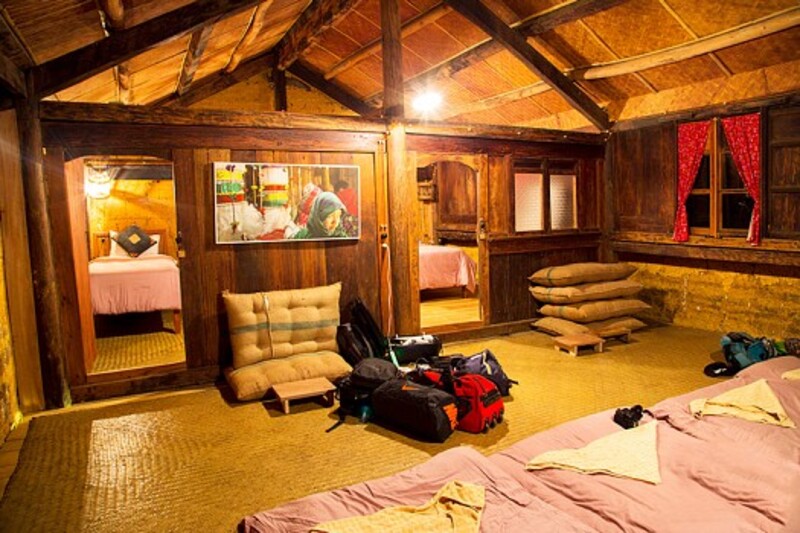
Dong Van homestays feature traditional earthen houses, cozy interiors, mountain views

Unforgettable Experiences When Staying in a Homestay

Homestays in Dong Van are not just about lodging—they are about immersion and memory-making.

  1. Cultural Exchange with Locals

The highlight of any homestay stay is sharing life with your hosts. A family meal featuring dishes like men men (steamed ground corn), smoked buffalo meat, forest vegetables, and corn wine is unforgettable. Conversations over dinner reveal customs, festivals, and local legends.

Some homestays even organize cooking sessions where guests learn to prepare thang co (a traditional horse stew), five-colored sticky rice, or men men. Cooking with the family and tasting your own creation adds depth to the experience.

Homestays offer shared meals, stories, cooking, deep cultural immersion
  1. Exploring the Villages

Renting a bicycle and pedaling through the villages is a favorite activity. Small dirt paths lead past cornfields, streams, and earthen houses. Each turn brings a new scene—children laughing, farmers tending fields, friendly greetings from villagers.

If your stay coincides with the weekend, don’t miss the Dong Van Sunday Market. This vibrant gathering draws ethnic groups from across the plateau. People trade livestock, produce, textiles, and more, but the market is as much about meeting friends, courting, and celebrating community as it is about commerce. Immersing in this colorful, noisy, and joyful atmosphere is like stepping into the soul of highland culture.

Village cycling and Dong Van Market reveal vibrant highland community life
  1. Spaces for Relaxation

Evenings in Dong Van homestays are pure tranquility. When the sun dips behind limestone peaks, the sky unfurls a blanket of stars untouched by city lights. Sitting on the porch with a cup of corn wine, listening to the mountain breeze and smelling the faint aroma of wood smoke, you’ll feel time slow down. The fresh air and quiet serenity are the perfect balm for weary souls.

Dong Van evenings offer starlit silence, mountain peace, timeless serenity

Choosing the Right Homestay

Homestay Styles

Homestays in Dong Van cater to different preferences:

  • Traditional Homestays: Best for cultural immersion. They preserve original architecture and lifestyle, offering simple bedding, shared meals, and authentic daily life.
  • Modernized Homestays: Designed for travelers seeking comfort. These retain traditional exteriors but are renovated with private bathrooms, soft mattresses, and Wi-Fi—ideal for families or groups.
Dong Van homestays blend tradition, comfort, cultural immersion

Recommended Homestays in Dong Van

  • A Pao Homestay: Famous for its original earthen-house architecture, peaceful setting, and terrace views of the valley.
  • Moc Mien Homestay: A balanced blend of tradition and comfort, loved for its warm, family-like hospitality.
  • Old Quarter Homestay: Located in Dong Van’s ancient quarter, perfect for those wanting easy access to the market and town attractions.
  • Ban Tha Homestay: Near the town center yet serene, offering stilt-house architecture typical of the Tay people.
op Dong Van homestays showcase culture, comfort, scenic locations

Each homestay has its own character. Cultural explorers may prefer traditional earthen homes, while families often choose modernized options for convenience.

Homestays – More Than Just a Place to Sleep

A night in a Dong Van homestay is a cultural journey. You don’t just rest; you live the rhythm of the highlands. You eat, laugh, listen, and learn. You feel the warmth of family and community, even as a traveler.

Homestays are bridges—connecting visitors with nature, traditions, and themselves. They provide perspective, reminding us that travel is not only about sights but also about bonds and stories.

So when you plan a trip to Ha Giang, don’t just conquer mountain passes or take photos of buckwheat fields. Stay at a homestay in Dong Van. Only then will you truly “live” the plateau, carrying home not only images but emotions and memories that endure.

Dong Van homestays embody the charm of simplicity and sincerity. Amid rugged mountains, earthen houses, family meals, and stories by the fire, you will discover the essence of the land. It’s not just accommodation—it’s an invitation into the lives and hearts of the highland people.

If you seek an experience that is different, meaningful, and unforgettable, a homestay in Dong Van is the perfect choice. Try it once, and you’ll see that the karst plateau is not only spectacular but also poetic, soulful, and deeply inspiring.
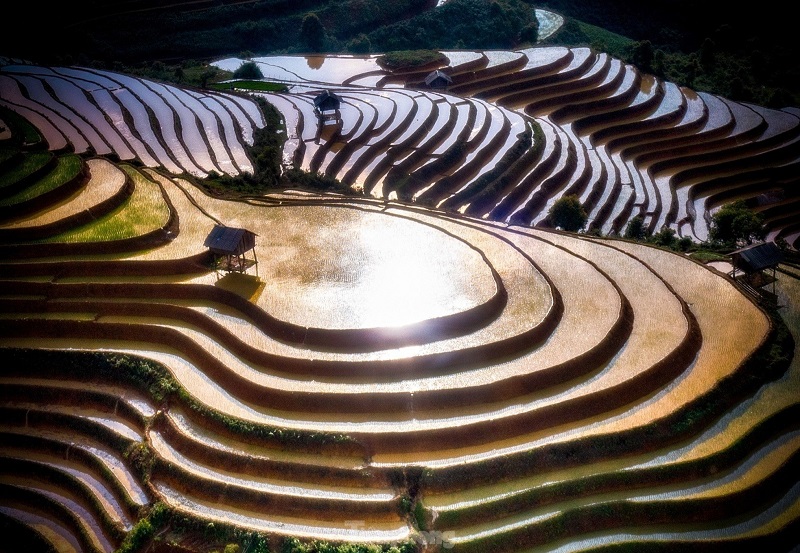
Nestled amidst the majestic mountains of Northwest Vietnam, the Mu Cang Chai rice terraces have long been a symbol of the creativity and resilience of the local ethnic people. Stretching across hillsides and curving along mountain slopes, these terraces are not only a means of cultivation but also a colossal work of art shaped by both humans and nature. Each season paints the fields in different hues, leaving visitors spellbound as if they have stepped into a fairyland.

A Fairytale Landscape in the Heart of Northwest Vietnam

Mu Cang Chai, located in Yen Bai Province about 300 km from Hanoi, is one of the most celebrated destinations in Vietnam’s Northwest. The road to Mu Cang Chai itself is already spectacular, with dramatic mountain passes such as Khau Pha – among the “Four Great Mountain Passes” of Vietnam. But what truly defines this land are the rice terraces – the ingenious creations of the H’Mong people.

From above, the terraces unfold in layered steps, winding gracefully around the hillsides like the natural fingerprints of the earth. At any time of year, the scenery is breathtaking – both majestic and poetic. No wonder the Mu Cang Chai rice terraces have been recognized as a National Special Monument and hailed by international travel magazines as “among the most beautiful rice terraces in the world.”

Standing amidst the crisp mountain air, watching the sunlight dance on the terraced fields, visitors feel as though they’ve entered a dreamlike world where humans and nature live in perfect harmony.

Mu Cang Chai terraces harmonize humans and nature

The Changing Beauty of Mu Cang Chai Rice Terraces

What makes Mu Cang Chai truly magical is its seasonal transformation. With every stage of the rice plant, the valleys take on a new look, ensuring that no two visits are ever the same.

The Water Pouring Season – Beauty of New Beginnings (May – June)

From May to June, as the rains begin, farmers channel water from the mountain streams into the terraces to prepare for a new crop. The fields resemble giant mirrors reflecting the sky and clouds, creating a shimmering, ethereal scene.

At sunset, golden rays glisten on the water’s surface while silhouettes of farmers transplanting seedlings stand out against the reflective backdrop. It is the season of beginnings – of sowing faith and hope for a bountiful harvest.

Water season mirrors hope across mountain terraces

The Green Season – The Color of Life (July – August)

By July and August, the young rice plants have grown lush and green. The entire landscape of Mu Cang Chai transforms into an endless emerald carpet, with terraced fields rolling like soft waves across the mountainsides.

Walking along village paths, visitors are enveloped in the fresh scent of young rice, accompanied by the whisper of the wind sweeping through the fields. It is a time of vitality, when nature bursts with energy, and trekking here offers not only scenic beauty but also moments of serenity and renewal.

Emerald rice waves bring vitality, serenity, and renewal

The Golden Harvest Season – Endless Fields of Gold (September – October)

The most enchanting time to visit Mu Cang Chai is the harvest season in September and October. By then, the terraces turn into a vast golden sea, glowing brilliantly under the autumn sun.

From the vantage point of Khau Pha Pass, the sight is overwhelming – a valley of golden waves stretching as far as the eye can see. This is when Mu Cang Chai draws throngs of visitors, photographers, and nature lovers. Beyond being the harvest, it is a season of joy and abundance, when the year’s hard work is rewarded with full, ripe grains.

Golden harvest seas reward labor, joy, and abundance

Unmissable Experiences in Mu Cang Chai

Best Viewpoints for Sightseeing

To fully appreciate the grandeur of the terraces, there are several iconic spots every traveler should visit:

  • Khau Pha Pass: One of the most dramatic viewpoints, offering sweeping views of valleys drenched in golden hues during harvest.
  • La Pan Tan Commune: Famous for its most spectacular terraces, often described as “man-made wonders of Northwest Vietnam.”
  • Che Cu Nha and De Xu Phinh: Known for their tightly layered terraces curving gracefully around the mountainsides.

Each viewpoint reveals a unique angle, ensuring endless fascination for visitors.

Iconic viewpoints reveal endless beauty of Mu Cang Chai

Discovering Local Culture and Cuisine

Beyond the terraces, Mu Cang Chai captivates with its rich ethnic culture and unique highland cuisine. The region is home to ethnic groups such as the H’Mong, Thai, and Dao, whose traditions remain deeply rooted in daily life.

Visiting a local market is an experience in itself: colorful brocade costumes, the lively sound of khèn (H’Mong flute), and the vibrant atmosphere of trade and social exchange. These markets are not just for commerce but also for community bonding.

Highland cuisine is equally alluring:

  • Five-colored sticky rice: A vibrant dish symbolizing prosperity and harmony.
  • Smoked buffalo meat: Richly flavored and slightly spicy, a specialty loved by visitors.
    Buckwheat cakes and maize wine: Distinctive flavors of the highlands, reflecting the creativity of the locals.

Every meal is a cultural journey, offering a taste of both tradition and hospitality.

Ethnic culture and cuisine enrich Mu Cang Chai journey

Mu Cang Chai Rice Terraces – A Testament to Perseverance and Creativity

The rice terraces of Mu Cang Chai are more than just scenic landscapes; they are monuments to human ingenuity and perseverance. On steep mountain slopes, the H’Mong people carved out “stairways to the sky” that sustain generations.

Each terrace is a product of sweat, toil, and deep harmony with nature. They embody perseverance – the will to tame rugged mountains. They also embody creativity – transforming barren hillsides into fertile, life-giving fields.

Today, the terraces are not only vital sources of food but also treasures of tourism, drawing travelers worldwide to admire their timeless beauty. They stand as living art, a blend of human labor, cultural heritage, and natural splendor – a priceless gift of Northwest Vietnam.

Mu Cang Chai terraces embody ingenuity, perseverance, timeless beauty

The rice terraces of Mu Cang Chai are living proof of the profound bond between people and nature. Whether you come during the water season, the green season, or the golden harvest, each brings a unique beauty that stirs the soul.

A journey to Mu Cang Chai is more than sightseeing. It is a cultural immersion, an encounter with resilience, and an appreciation of life’s simplicity amid grandeur. If you seek a destination that is both majestic and poetic, where landscapes shift with the seasons and ethnic traditions thrive, then Mu Cang Chai is an experience you simply cannot miss.

Ha Giang – Vietnam’s northernmost province, where majestic mountains meet rich ethnic culture – has long been a dream destination for adventurers. With its rugged mountain trails, breathtaking landscapes, and hidden villages veiled in mist, trekking Ha Giang is not just a test of endurance but also a journey of the spirit. It is here, amid pristine nature, that travelers find freedom, peace, and unforgettable moments of self-discovery.

Ha Giang – A Promise of Legendary Routes

Mention Ha Giang, and most will immediately picture winding mountain passes carved into cliffs, towering limestone peaks, and deep valleys. The land is blessed with some of Vietnam’s most dramatic scenery – sharp karst mountains, plunging canyons, and emerald rivers weaving through rugged terrain.

Trekking in Ha Giang is far from a gentle stroll. It means pushing your limits across steep slopes, rocky paths, and remote villages. Yet it is precisely this hardship that makes every step worthwhile. Each bend in the road, each climb up the mountain rewards you with vistas so stunning they take your breath away.

Ha Giang is more than a destination. It is an unspoken promise, a call to all who long for adventure. Once you trek through its legendary routes, you realize that some beauty cannot be captured in photos or books – it must be lived, breathed, and felt with every step.

Ha Giang trekking calls adventurers beyond all limits

Unmissable Trekking Routes in Ha Giang

Ma Pi Leng Pass – Touching the Sublime

Ma Pi Leng, one of Vietnam’s “Four Great Mountain Passes,” is the ultimate symbol of Ha Giang’s grandeur. Trekking along this pass, you’ll be surrounded by sheer limestone cliffs, with the jade-green Nho Que River snaking through the gorge far below.

The trail winds like a silk ribbon across the mountains, each sharp bend offering a mix of thrill and awe. Standing at the summit, with the wind sweeping past and an endless sea of peaks stretching into the horizon, you will feel both humbled and empowered by nature’s raw magnificence.

Ma Pi Leng embodies Ha Giang’s raw magnificence

Trekking to Lung Cu Flag Tower – The Pride of Vietnam

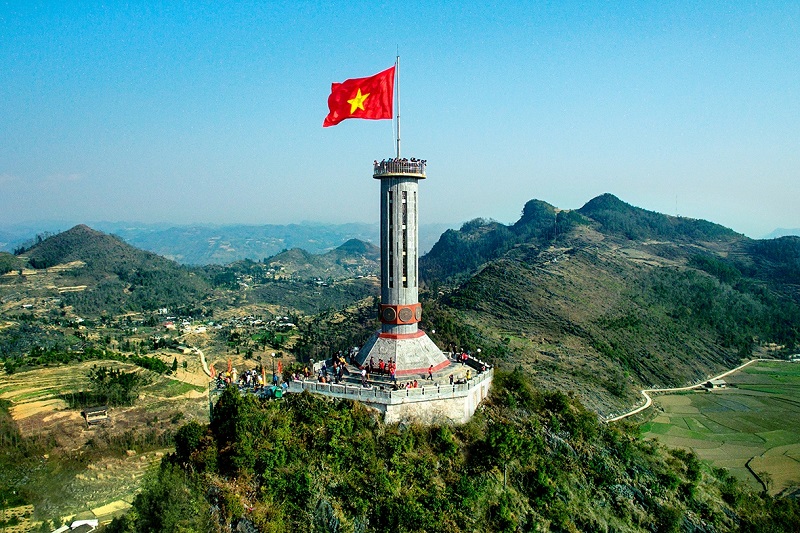
No trekking journey in Ha Giang is complete without climbing to the Lung Cu Flag Tower – the northernmost point of Vietnam. The hike up Dragon Mountain is not overly long but filled with symbolism. Each stone step carries with it a sense of history and patriotism.

At the top, the giant red flag with its golden star flutters proudly against the deep blue sky. From this vantage point, you can gaze over the Dong Van Karst Plateau, with its scattered villages and endless mountains. Trekking to Lung Cu is more than a physical challenge – it’s a spiritual moment of connection with the homeland.

Lung Cu trek inspires patriotism, pride, and connection

Hoang Su Phi – A Living Painting of Terraced Rice Fields

While Ma Pi Leng stuns with rugged majesty and Lung Cu inspires patriotic pride, Hoang Su Phi enchants with its poetic charm. Here, terraced rice fields cascade down the mountainsides like golden stairways to the sky.

Trekking Hoang Su Phi, especially during harvest season (September–October), is a feast for the senses. The golden rippling fields, the laughter of farmers harvesting rice, and the rustling mountain breeze create a lively, harmonious scene. It’s a trek not just for challenge, but for immersion in rural tranquility and the rhythms of mountain life.

Hoang Su Phi terraces offer poetic trekking harmony

Culture and Cuisine After the Trek

The Unique Cuisine of Ha Giang Highlands

After a day of trekking through mountain trails, Ha Giang’s cuisine offers the perfect reward. The food here reflects the ingenuity and traditions of highland communities, blending simplicity with rich flavors.

  • Thang Co: A traditional H’Mong dish made from horse meat, slow-cooked with herbs and spices, rich in both flavor and heritage.
  • Smoked buffalo meat: A specialty preserved by firewood smoke, savory, slightly spicy, and often brought home as a gift.
  • Buckwheat cake: Made from the seeds of the buckwheat flower – Ha Giang’s iconic bloom – with a nutty and aromatic taste.
  • Five-colored sticky rice: A colorful dish symbolizing prosperity and unity, often served at festivals.

Each dish is not only delicious but also tells a story of resilience, creativity, and a deep bond with nature.

Ha Giang cuisine rewards trekkers with heritage flavors

Immersing in Local Culture

Ha Giang’s charm lies as much in its people as in its landscapes. After trekking, spending time with local ethnic communities offers insights into a world both humble and vibrant.

At highland markets, you’ll encounter bright brocade costumes, the echo of H’Mong flutes, and the warm laughter of locals exchanging goods. These markets are more than commerce – they are cultural gatherings that weave communities together.

Staying in a homestay adds another layer of experience. Sharing a meal around the fire, listening to folk songs, and waking up to mountain mist are moments that stay with you long after you leave. It is here you feel the hospitality and sincerity of Ha Giang’s people – the soul of the land itself.

Ha Giang people embody warmth, culture, and mountain soul

Trekking Ha Giang – More Than Just a Journey

Trekking Ha Giang is not only about conquering difficult trails. It is a journey of discovery – of breathtaking landscapes, diverse culture, and your own inner strength. Each step through Ha Giang is a lesson in humility and resilience, a reminder that happiness often comes from the simplest things: a mountain breeze, a smile from a villager, or a moment of silence atop a towering peak.

Ha Giang is not just a place you visit; it is a place that transforms you. For trekkers, it becomes a pilgrimage of sorts – a journey of body and soul. And once you have set foot on its rugged paths, you will carry with you not only the memory of majestic mountains but also a quiet vow: to return, again and again, to this mesmerizing land at the top of Vietnam.

Hoi An Ancient Town has long been one of the must-visit destinations in Vietnam for both domestic and international travelers. By day, Hoi An enchants visitors with its rustic beauty, moss-covered tiled roofs, and narrow alleys filled with history. But when night falls, the town transforms into a dreamlike wonderland, shimmering with thousands of colorful lanterns reflected on the Hoai River. The combination of tranquil atmosphere, ancient architecture, and vibrant nightlife makes Hoi An at night a magical experience you should not miss. Many travelers often say: “If you haven’t seen Hoi An at night, you haven’t truly experienced Hoi An.”

The Beauty of Hoi An at Night

Hoi An Lanterns – The Soul of the Ancient Town

Lanterns are the eternal symbol of Hoi An. Every corner of the old town is decorated with lanterns of different shapes, sizes, and colors. More than just ornaments, lanterns carry cultural significance, symbolizing happiness, prosperity, and peace.

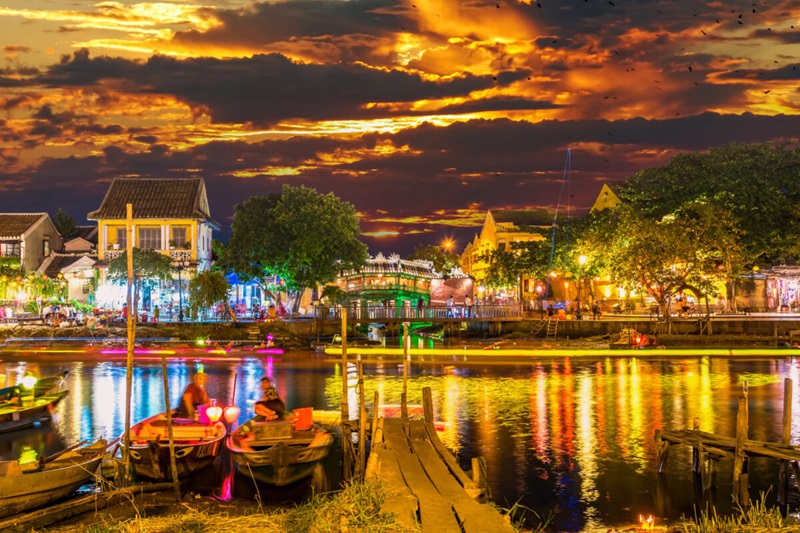
As night descends, thousands of lanterns light up simultaneously, painting the town in hues of red, yellow, green, and purple. Their glow reflects off the ochre-colored walls and wooden houses, creating a mesmerizing scene that feels almost surreal. Travelers often share that standing on Nguyen Thai Hoc or Bach Dang Street, surrounded by lantern light, fills their hearts with serenity and joy.

The monthly Lantern Festival on the 14th day of the lunar calendar is the highlight of Hoi An nightlife. On that evening, electric lights are turned off to give way to the magical glow of lanterns, transforming the town into a fairytale realm.

Hoi An lanterns illuminate nights with timeless serenity

The Shimmering Hoai River

The Hoai River, a gentle tributary of the Thu Bon River, is considered the lifeline of Hoi An. During the day, it carries boats filled with goods, but at night, it becomes a giant mirror reflecting the sparkling lanterns of the town.

A boat ride along the river offers a truly romantic experience. As you drift downstream, you’ll see rows of ancient houses lit by golden lamps and colorful lanterns. The gentle paddling, cheerful chatter of vendors, and laughter of tourists weave together into a poetic, unforgettable memory.

Adding to the charm are the floating paper lanterns released onto the water. Watching hundreds of glowing lights bobbing along the river is a deeply moving experience that symbolizes hope and peace.

Hoai River reflects lantern dreams, romance, and peace

Ancient Architecture Bathed in Golden Light

Hoi An is famous for its centuries-old architecture, blending Vietnamese, Chinese, and Japanese influences. While the wooden houses and mossy rooftops look rustic during the day, they become even more enchanting at night under the warm yellow glow of street lamps and lanterns.

Strolling down the cobblestone streets, you’ll notice intricate wooden doors, tiled roofs, and historic landmarks such as the Japanese Covered Bridge. The soft lighting enhances the town’s timeless charm, as if time itself has slowed down to preserve this heritage site.

Hoi An architecture glows timelessly beneath lantern-lit nights

Unique Experiences in Hoi An at Night

Releasing Flower Lanterns – A Spiritual Tradition

One of the most cherished experiences in Hoi An at night is releasing floating lanterns (hoa đăng) on the Hoai River. Each lantern is a small paper box in vibrant colors, holding a candle inside. Locals and visitors alike release these lanterns while silently making wishes for health, happiness, and good fortune.

As the lanterns drift away, the river becomes a sea of glowing lights. The atmosphere is both spiritual and peaceful, making this activity more than just tourism—it is a cultural ritual that reflects the beliefs and hopes of the people of Hoi An.

Floating lantern wishes bring peace, hope, and blessings

Savoring Hoi An Street Food

Hoi An’s nightlife is not complete without indulging in its world-famous street food. At night, the streets come alive with food stalls, roadside vendors, and small eateries offering an irresistible variety of local dishes.

Some must-try specialties include:

  • Cao Lau: A signature dish with chewy yellow noodles, slices of char siu pork, crispy rice crackers, and fresh Tra Que herbs.
  • Mi Quang (Quang noodles): Originating from Quang Nam but with its own Hoi An twist, rich in flavor and topped with shrimp, pork, or chicken.
  • Banh Mi Phuong: Once crowned by The Guardian as the world’s best bánh mì, this shop attracts long lines of hungry travelers.
  • Che Bap (sweet corn pudding) and Banh Dap Hen Xao (rice crackers with stir-fried clams): Affordable yet delicious local snacks that leave lasting impressions.

Despite their modest setups, these vendors serve food that captures the authentic taste of Hoi An, leaving visitors craving for more.

Hoi An street food delights nights, unforgettable flavors

Walking and Shopping in the Old Town

Hoi An is best enjoyed on foot. At night, wandering through the quiet alleys and lantern-lit streets is an experience in itself. The town becomes a vibrant marketplace, with souvenir shops, tailor boutiques, and handicraft stalls open until late.

Visitors can find a wide range of unique products: silk lanterns, wooden carvings, ceramics, paintings, and more. Especially famous is Hoi An’s express tailoring service, where skilled tailors can create custom-fit clothes within just 24 hours. Shopping here is not just about buying things—it’s about experiencing the artistry and craftsmanship of the locals.

Tips for a Perfect Night in Hoi An

  • Best time to visit: The dry season (February to August) is ideal, with less rain and pleasant evenings.
  • Explore on foot or by bicycle: Motorized vehicles are restricted in the ancient town, so walking or cycling is the best way to soak in the atmosphere.
  • Bring cash: Many small vendors and food stalls do not accept cards, so carry small bills for convenience.
  • Safety first: If you join a boat ride to release lanterns, choose licensed services and always wear life jackets.
  • Protect the environment: Dispose of trash properly and avoid releasing non-biodegradable items into the river.
  • Check prices beforehand: While most locals are friendly and fair, confirming prices in advance helps avoid misunderstandings.
Practical tips ensure safe, enjoyable Hoi An nights

Hoi An at night is where heritage meets romance. From the vibrant glow of lanterns and the shimmering Hoai River to the rich street food culture and unique shopping experiences, every corner of the town tells a story. It is a place where history breathes through architecture, where traditions live on in festivals, and where every visitor can find a sense of peace and joy.

Whether you are seeking a tranquil evening by the river, a culinary adventure, or simply a stroll under lantern-lit skies, Hoi An will capture your heart. Make sure to dedicate at least one night of your trip to wandering through its enchanting streets—you will leave with unforgettable memories and an irresistible desire to return.

If Hanoi is known for its old charm and quiet mornings, Saigon (Ho Chi Minh City) is celebrated for its non-stop energy. This southern metropolis never truly sleeps. From sunrise until the middle of the night, the city pulses with activity, laughter, honking motorbikes, sizzling food stalls, and dazzling lights.

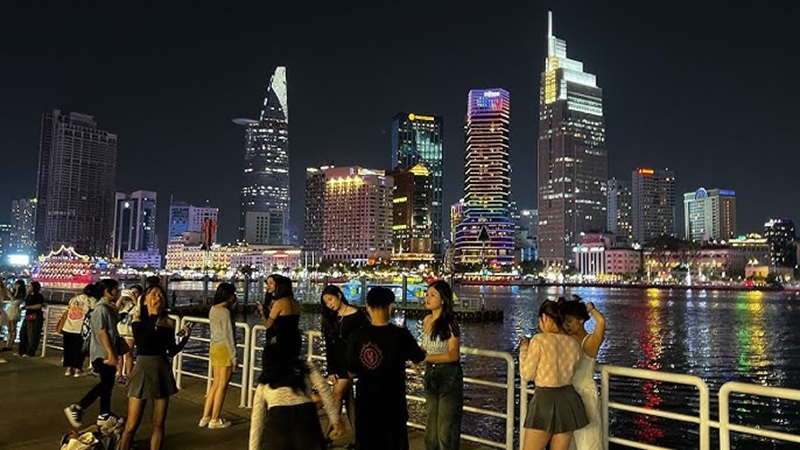
But Saigon transforms after sunset. The chaotic traffic softens, neon signs glow across the skyline, and the aroma of grilled meat, coffee, and fresh herbs drifts through the air. Streets become dining rooms, sidewalks turn into social clubs, and every corner tells a story of a city that thrives in the dark.

What defines Saigon at night? Two things above all: its incredible street food culture and its vibrant urban nightlife. Together, they create the soul of the city—an irresistible combination of flavor, rhythm, and spirit that keeps locals and visitors coming back for more.

Saigon’s Street Food Paradise

Diversity and Abundance

The beauty of Saigon street food lies not just in the flavors, but in its accessibility and variety. You don’t need a fancy restaurant to experience the best of Vietnamese cuisine. A small alley, a roadside cart, or a bustling corner market will do.

Some must-visit food areas include:

  • Nguyen Hue Walking Street: Surrounded by stalls and cafés, perfect for a quick bite while people-watching.
  • Phan Xich Long Street (Phu Nhuan District): Famous for hotpots, BBQ, and trendy tea shops.
  • District 4 Alleys: A haven for seafood lovers with affordable grilled snails, clams, and crabs.
  • District 10 Hems (alleys): Packed with local snacks, desserts, and authentic family-run eateries.

In Saigon, food isn’t just nourishment—it’s a way of life.

Saigon street food celebrates variety, accessibility, everyday life

Signature Street Dishes

  • Grilled Skewers and Seafood: Pork skewers, marinated chicken wings, and fresh squid grilled over charcoal, brushed with scallion oil.
  • Snack Favorites: Bánh tráng trộn (rice paper salad with herbs, peanuts, and quail eggs), gỏi cuốn (fresh spring rolls), stir-fried corn with butter (bắp xào), or aromatic beef offal stew (phá lấu).
  • Main Dishes: Bánh mì—the iconic Vietnamese baguette stuffed with pate, pickles, and meats; cơm tấm (broken rice with pork chops and egg); and late-night hủ tiếu gõ noodle carts, known for their signature tapping sounds.
  • Drinks: Fresh sugarcane juice, tropical smoothies, milk tea, and of course, the quintessential iced Vietnamese coffee (cà phê sữa đá).

Each dish tells a story of migration, adaptation, and creativity—an edible timeline of the city itself.

Saigon street dishes tell stories of migration, adaptation

The Street Food Experience

What makes Saigon street food unforgettable is not only the taste but the atmosphere. Imagine sitting on a tiny plastic stool, at a metal table barely big enough for two dishes, surrounded by locals chatting and laughing. Motorbikes weave by, the vendor flips skewers on a smoky grill, and the air buzzes with life.

Vendors are usually friendly, happy to explain dishes or even recommend their personal favorites. Prices are incredibly affordable, allowing you to feast like royalty on just a few dollars.

To eat in Saigon at night is to share a cultural heartbeat—simple, communal, and endlessly satisfying.

Saigon street food nights pulse with lively communal spirit

Saigon’s Sleepless Urban Life

Entertainment Hotspots

  • Nguyen Hue Walking Street: The city’s most famous pedestrian street comes alive at night. Families stroll, couples share ice cream, teenagers practice dance routines, and street performers captivate crowds with music, magic, or fire shows. It’s free, fun, and full of energy.
  • District 1 and District 3: The heart of Saigon nightlife. Here, you’ll find bars, pubs, and lounges ranging from backpacker-friendly spots on Bui Vien Street to upscale rooftop bars with skyline views. Music thumps, cocktails flow, and the energy is contagious.
  • Starlight Bridge (Cầu Ánh Sao, District 7): A romantic LED-lit bridge perfect for an evening walk. Its colorful lights reflecting on the water create a magical escape from downtown chaos.
Saigon nightlife blends energy, romance, vibrant urban life

Nighttime Lifestyle of Saigonese

Life in Saigon doesn’t slow down after dark—it simply changes rhythm.

  • Late-Night Work & Convenience: From 24-hour convenience stores to cafés that serve until 2 a.m., the city caters to night owls, freelancers, and insomniacs.
  • Sports and Recreation: Parks and open spaces buzz with groups playing badminton, soccer, or simply jogging. Street corners host impromptu dance practices and exercise routines.
  • Cultural Gatherings: Acoustic cafés, live music performances, and open-air art events keep the creative spirit alive. Meanwhile, young people gather at roadside coffee spots to chat, play guitar, or debate everything from football to philosophy.

This is Saigon’s secret: its nights are as active, creative, and social as its days—perhaps even more.

Saigon nights thrive with creativity, energy, connection

The Unique Charm of Saigon Nights

To experience Saigon at night is to understand the essence of the city: flavor and rhythm. From smoky grills in crowded alleys to neon-lit walking streets, from the sweetness of a sugarcane juice to the beat of a rooftop DJ, the city offers something for every sense.

Saigon at night is not just about eating or partying. It’s about connection—between people, between tradition and modernity, between the city and its visitors.

Saigon nights unite flavor, rhythm, people, connections

So when you come to Vietnam, don’t just explore Saigon by day. Stay awake with the city. Wander its streets, sit on its plastic stools, raise a glass on its rooftops, and let yourself be carried away by its nocturnal heartbeat. Only then will you truly understand why Saigon is a city that never sleeps—and never stops loving life.

Nestled in the Gulf of Thailand, just off the coast of Vietnam and Cambodia, Phu Quoc Island has long been called the “Pearl Island.” With its powdery white beaches, turquoise waters, golden sunshine, and mild climate year-round, Phu Quoc is one of the most beautiful island destinations in Southeast Asia.

In recent years, Phu Quoc has rapidly developed into an international tourist hub, with luxury resorts, casinos, and modern infrastructure. Yet beyond the glamorous hotels and bustling night markets, the island still keeps its untouched corners—pristine beaches, small fishing villages, and lush national parks waiting to be explored.

This article is not about the glamorous side of Phu Quoc. Instead, it takes you on a journey to discover the wild, authentic, and natural Phu Quoc—a paradise for those who want to reconnect with nature and experience island life as it truly is.

The Untouched Beauty of Phu Quoc

1. Secluded and Pristine Beaches

Sao Beach – White Sand Like Cream

Among Phu Quoc’s many beaches, Sao Beach (Bãi Sao) is perhaps the most famous. Stretching over seven kilometers, its sand is powdery white like cream, soft under your feet, and often compared to the Maldives. Despite its popularity, Sao Beach still has tranquil corners, especially in the early morning, when the sea is calm and the sun paints golden reflections on the turquoise water.

Sao Beach shines with powdery sand, turquoise calm

Khem Beach – An Exclusive Charm

Khem Beach (Bãi Khem) is less crowded but equally stunning. Its sand is fine and silky, shaped like a crescent moon, with palm trees leaning gracefully over emerald-green waters. In the distance, small fishing boats sway with the waves, completing the picture of serenity. Visit in the early morning or at sunset for an atmosphere of absolute peace—perfect for travelers seeking privacy and exclusivity.

Khem Beach offers crescent sands, serenity, exclusive escape

Ong Lang Beach – The Hidden Gem for Sunsets

While Sao and Khem Beaches attract attention, Ong Lang Beach (Bãi Ông Lang) remains a hidden treasure. This quiet stretch of coast is the best spot on the island to watch the sunset. As the sun slowly dips below the horizon, the sky bursts into hues of orange and purple, casting reflections across the calm water. Far from crowds, Ong Lang feels like your own private paradise.

Ong Lang Beach reveals hidden sunsets, private paradise

2. Exploring Small Islands and Natural Ecosystems

The An Thoi Archipelago – A Paradise Underwater

South of Phu Quoc lies the An Thoi Archipelago, a cluster of 15 small islands and islets, each with its own charm. This is the best spot for snorkeling and scuba diving in Phu Quoc. The coral reefs here are vibrant and diverse, home to colorful fish, sea urchins, and starfish.

Highlights include:

  • Hon Gam Ghi: Famous for its large coral gardens, perfect for underwater photography.
  • Hon Mong Tay (Nail Island): With its palm-lined beach, clear waters, and shallow snorkeling spots.
    Hon May Rut: A paradise for swimming, kayaking, and enjoying a seafood BBQ on the beach.

Another authentic experience is joining night squid fishing trips with local fishermen. Sitting on a small boat under the starlit sky, casting lines into the dark water, you’ll gain insight into island life beyond tourism.

An Thoi islands offer snorkeling, reefs, authentic sea life

Phu Quoc National Park – The Green Lung of the Island

Covering more than half the island, Phu Quoc National Park is a treasure trove of biodiversity. The park preserves dense primary forests, waterfalls, and rare wildlife species. Trekking through the jungle trails, you’ll hear the sound of tropical birds, spot orchids, and maybe even catch a glimpse of macaques swinging in the trees.

Natural highlights include:

  • Tranh Stream (Suối Tranh): A gentle waterfall surrounded by lush greenery.
  • Da Ban Stream: With its giant flat rocks perfect for picnicking.
  • Da Ngon Stream: Ideal for more adventurous trekkers.

This park is not just a destination—it’s the soul of Phu Quoc’s wilderness.

Phu Quoc National Park preserves biodiversity, jungle wilderness

Rach Vem Fishing Village – The Kingdom of Starfish

To the north of Phu Quoc lies Rach Vem Fishing Village, a rustic settlement where wooden houses stand on stilts above the water. What makes this village unique is its title as the “kingdom of starfish.” Between November and April, thousands of bright red starfish appear in the shallow waters, creating a surreal, magical scene.

Visitors can take a boat to floating seafood restaurants, enjoy freshly caught crabs, sea urchins, or squid, and marvel at starfish shimmering beneath crystal-clear water. This is Phu Quoc at its most authentic and photogenic.

Rach Vem starfish village reveals authentic island magic

3. Experiencing Culture and Local Life

Ham Ninh Fishing Village – A Glimpse into the Past

Located on the eastern coast, Ham Ninh Fishing Village is one of the oldest and most traditional villages in Phu Quoc. Life here seems unchanged for decades: fishermen heading out at dawn, women sorting seafood by the pier, and children playing barefoot on the sand.

The highlight of Ham Ninh is its fresh crab—small but incredibly sweet and firm. Eating steamed crab with salt and lime while sitting on a wooden pier, watching the horizon, is one of those simple yet unforgettable experiences.

Ham Ninh village offers timeless life, sweetest crab

Fish Sauce Factories – The Flavor of Phu Quoc

Phu Quoc is world-renowned for its fish sauce (nước mắm), a condiment so famous it has been granted a Protected Designation of Origin (PDO) in the EU. Visiting a traditional fish sauce factory gives you a look at giant wooden barrels where anchovies are fermented for months, producing the island’s signature flavor.

Here, you’ll learn about the history of this craft, taste different varieties, and understand why Phu Quoc fish sauce is considered the best in Vietnam.

Phu Quoc fish sauce embodies heritage, flavor, global fame

Dinh Cau Night Market – Street Food and Lively Vibes

At night, Phu Quoc comes alive at Dinh Cau Night Market. This bustling street is lined with stalls selling everything from grilled seafood to souvenirs. You can try local dishes like “bun quay” (a unique noodle soup where diners mix their own broth), “banh khéo” (sweet pastries), and tropical fruits.

The market is more than just food—it’s the heartbeat of the island, a place where locals and tourists mingle, laugh, and enjoy the vibrant atmosphere.

Dinh Cau Night Market pulses with island nightlife

An Island for Nature Lovers

Phu Quoc today is often associated with luxury resorts and international tourism. But if you look beyond the polished resorts, you’ll find a side of the island that is still wild, authentic, and deeply connected to nature.

Phu Quoc hides wild authenticity beyond luxury resorts

From pristine beaches like Sao, Khem, and Ong Lang to the hidden wonders of An Thoi Archipelago, Phu Quoc National Park, and fishing villages like Rach Vem or Ham Ninh, the island offers more than just leisure—it offers a chance to reconnect with life’s simplicity.

If you love nature, culture, and authentic experiences, come to Phu Quoc now—before its untouched corners transform forever. Here, you will find peace, beauty, and inspiration in every sunrise, every wave, and every smile.

Tucked away in a green valley of Hoa Binh Province, just a few hours from Hanoi, Mai Chau has long been known as a peaceful retreat from city life. With its rice paddies stretching endlessly, mountains embracing the horizon, and villages dotted with traditional stilt houses, Mai Chau is more than just a scenic destination. It is a living cultural space, home to the Thai ethnic group, whose traditions, crafts, and hospitality remain deeply rooted in everyday life.

Unlike many other tourist spots, Mai Chau has become a model for community-based tourism. Here, travelers do not only come to see and take photos. They are welcomed into homes, share meals, join dances, and listen to stories told by local villagers. A trip to Mai Chau is not just sightseeing—it is about becoming part of a community and learning how culture and nature blend into a way of life.

Experiencing Deeply Rooted Community Tourism in Mai Chau

1. Unique Living Space and Architecture

Stilt Houses – The Soul of Thai Villages

The first impression visitors often have of Mai Chau is its rows of traditional stilt houses. Built high above the ground on sturdy wooden pillars, these houses reflect the Thai people’s harmony with nature. The elevated floors keep the living space dry, safe from floods and animals, while underneath the house is used for storing tools or raising livestock.

The architecture itself is simple but practical: bamboo floors, palm leaf roofs, wide open spaces inside, and woven mats that cover the floor. These houses are not only shelters but also places of gathering, where families and neighbors come together for meals, celebrations, and rituals.

Mai Chau stilt houses embody harmony, community, tradition

Staying Overnight in a Stilt House

Spending a night in one of these homes is a highlight of visiting Mai Chau. Forget luxury hotels—here you sleep on a mattress laid on bamboo floors, under mosquito nets, with the soft sound of crickets outside. The warmth comes not from air-conditioners or thick blankets, but from the hospitality of your hosts, who treat you as part of their family.

As you wake up in the morning, you look out from the wooden balcony and see fields of rice paddies shimmering in the mist. Children ride bicycles to school, farmers head to the fields, and the entire valley slowly comes alive. It feels authentic, intimate, and grounding.

Mai Chau homestays offer authentic warmth, peaceful awakening

2. Immersing in the Spiritual and Cultural Life

Traditional Weaving

One of the most beautiful traditions in Mai Chau is the art of brocade weaving. You’ll find women seated by wooden looms, moving their hands skillfully to create intricate patterns. Each design tells a story—mountains, rivers, daily life, or ancient symbols of fertility and prosperity.

Visitors are often invited to try weaving themselves. It may look easy, but after a few minutes you realize how much patience and precision it requires. By the time you manage to create even a small line of colored thread, you begin to admire the artistry and dedication of Thai women who have passed this craft down for generations.

Mai Chau brocade weaving preserves stories, patience, heritage

Folk Performances and Campfire Nights

At night, villages often organize cultural shows for visitors. It’s not staged entertainment but rather a joyful gathering where everyone—locals and travelers alike—sits around a bonfire. The music of bamboo flutes and drums fills the air, while young men and women in colorful costumes perform xoe dances (a circle dance) or the lively bamboo pole dance.

What makes it special is the invitation: you will be asked to join in. Soon, you find yourself holding hands with strangers, moving in circles, laughing, and realizing how music and dance can erase all barriers. The campfire nights often end with folk songs, rice wine, and heartfelt conversations.

Mai Chau nights unite dance, music, heartfelt community

Traditional Festivals

If you visit during the right season, you may witness a local festival such as the Xen Muong or Cha Chieng. These are not tourist shows but genuine community events where villagers give thanks for harvests, honor ancestors, and strengthen bonds among families. For travelers, it’s a rare chance to see living traditions that remain vibrant despite modern changes.

Mai Chau festivals preserve living traditions, gratitude, unity

3. Tasting the Local Flavors

Food in Mai Chau is simple but unforgettable, reflecting both the abundance of the land and the creativity of its people.

  • Com lam (bamboo sticky rice): Sticky rice cooked inside bamboo tubes, infused with a smoky, fragrant taste.
  • Grilled fish from streams: Marinated with local herbs like mac khen and grilled over charcoal until golden.
  • Hill chicken: Free-range chicken, marinated and roasted until crispy outside, juicy inside.
  • Pork steamed in banana leaves: Soft, aromatic, and eaten with spicy cham cheo dipping sauce.

One of the best parts is joining your host family to prepare the meal together. You might be asked to help pound spices, wash vegetables, or grill fish over an open fire. Later, everyone gathers around a low wooden table, sharing food, drinking rice wine through long bamboo straws, and enjoying laughter that transcends language.

In Mai Chau, food is never just food—it is hospitality and community spirit served on a plate.

Mai Chau cuisine shares hospitality, simplicity, communal warmth

4. Activities of Exploration and Interaction

Cycling Through Villages

The flat valley of Mai Chau makes it perfect for cycling. Renting a simple bicycle, you can ride along narrow paths between rice fields, past stilt houses, and through villages like Lac, Van, and Pom Coong. Along the way, you might see women carrying baskets of vegetables, children waving hello, or farmers guiding buffaloes. Every turn of the wheel is a new postcard-worthy scene.

Cycling Mai Chau reveals peaceful villages, postcard landscapes

Trekking to Natural Wonders

For adventurous travelers, Mai Chau also offers trekking routes to nearby waterfalls, caves, and hills. The trek to Go Lao Waterfall, for instance, takes you through small hamlets and lush forests before reaching the cool cascade. Climbing to Chieu Cave means tackling hundreds of stone steps, but once inside, you’re rewarded with stalactites glittering under torchlight and a panoramic view of the valley below.

Mai Chau trekking rewards waterfalls, caves, valley views

Daily Conversations and Learning

But perhaps the most valuable part of visiting Mai Chau is the conversations with local people. Sitting on the porch with an elder, listening to stories of how the village changed over decades; or chatting with young people about how they balance tradition with modern life—these moments bring depth to the journey. They remind you that Mai Chau is not just a destination; it’s a community with its own heartbeat.

A journey to Mai Chau is more than a weekend getaway. It’s a chance to experience culture, nature, and humanity in harmony. Staying in stilt houses, learning to weave, joining folk dances, tasting local dishes—all these experiences weave together into a tapestry of authenticity that leaves lasting memories.

Mai Chau journey blends culture, nature, human harmony

But beyond enjoyment, community-based tourism in Mai Chau also plays a crucial role in preserving traditions and improving local livelihoods. Every overnight stay, every handicraft purchased, every meal shared contributes directly to the community.

For travelers, the best way to give back is to practice responsible tourism: respect customs, ask before taking photos, minimize waste, and appreciate the culture with genuine curiosity. By doing so, we ensure that Mai Chau remains not only a peaceful valley today, but also a thriving cultural treasure for generations to come.

If there is one experience in Vietnam I would gladly relive again and again, it’s a cruise on Halong Bay. More than just a sightseeing trip, a Halong cruise is a journey through time – from the simplicity of wooden boats decades ago to today’s floating palaces with five-star services.

Halong Bay itself needs no introduction. Recognized by UNESCO as a World Natural Heritage Site, the bay is home to nearly 2,000 limestone karsts and islets rising majestically from emerald waters. But the way travelers experience this wonder has changed dramatically. Once, cruising Halong meant sharing meals with local families on small wooden junks; now it can mean sipping champagne in a private balcony suite aboard a steel mega-yacht.

In this story, I’ll take you through both worlds – the nostalgic charm of “old” Halong cruises and the polished sophistication of modern ones.

My Memory of “Old Halong Cruises” – Simplicity and Serenity

Wooden Boats and Family Hospitality

My very first trip to Halong Bay was over a decade ago. Back then, cruises were not yet the industry they are today. Most vessels were small wooden junks, run by local families. They had a few modest cabins, creaky fans, and basic bedding. Bathrooms were shared, and meals were served on deck at a wooden table.

It wasn’t glamorous, but it was authentic. Boarding those boats felt like stepping into someone’s home rather than a commercial service. The owners doubled as captains, cooks, and guides, making the journey warm and personal.

Early Halong cruises felt authentic, intimate, family-run

Spontaneous Journeys, Close to Nature

Cruises had no fixed itineraries then. Routes depended on weather or guest requests. Sometimes we stopped at a tiny beach to swim, sometimes we paddled bamboo boats into quiet caves like Sung Sot (Surprise Cave) before they became crowded.

What I remember most is the silence – no engines humming loudly, no hordes of boats around. Just the sound of oars dipping into water and seabirds echoing off limestone cliffs. It felt like we had the entire bay to ourselves.

Halong Bay once offered silence, freedom, untouched wonder

Rustic Meals and Local Flavors

One evening, the family grilled squid right on deck, added a plate of boiled crabs, and served it with a bowl of homemade fish sauce. We sat together under lantern light, eating with our hands and sharing stories. The food was simple, but it tasted like the sea itself – fresh, salty, and unforgettable.

Simple deck meals captured Halong’s salty soul

Strengths and Weaknesses

Looking back, those cruises offered:

  • Strengths: Privacy, authenticity, affordable prices, and closeness to nature.
  • Weaknesses: Minimal facilities, inconsistent safety standards, and very limited entertainment.

Still, that rustic charm was magical in its own way.

Returning to Halong “Today” – Modern Comforts and Luxury

Fast forward to my recent return to Halong Bay, and I could hardly believe my eyes. The humble junks of the past still exist, but now they share the water with multi-deck steel cruise ships, some rivaling five-star resorts.

Professional and Structured Itineraries

Unlike the spontaneous journeys of old, modern cruises follow well-organized itineraries. When I booked, I received a full schedule: kayaking at Luon Cave, visiting Ti Top Island, cooking classes in the afternoon, squid fishing at night, tai chi at sunrise. Everything was carefully planned and timed.

At first, I thought I would miss the unpredictability of the old days, but I soon realized that structure has its benefits: you can experience more in less time, and nothing feels rushed.

Modern Halong cruises balance structure, comfort, rich experiences

Floating Hotels with Full Amenities

Stepping aboard my five-star cruise felt like entering a luxury hotel lobby: marble floors, chandeliers, and uniformed staff offering welcome drinks. The ship had a restaurant, spa, jacuzzi, gym, even a small pool on deck.

My cabin was larger than many city hotel rooms, with a plush bed, glass-walled bathroom, and private balcony overlooking the bay. At night, I fell asleep to gentle waves while wrapped in crisp white sheets – worlds apart from that wooden bed years ago.

Luxury Halong cruises redefine comfort on emerald waters

Activities Beyond Sightseeing

The real surprise was how interactive cruises have become:

  • Morning tai chi classes on the sundeck as the sun rose over karsts.
  • Kayaking into hidden lagoons and caves.
  • Visits to fishing villages, where locals still mend nets and row bamboo coracles.
  • Evening cooking lessons, where we learned to make fresh spring rolls.
  • Nighttime squid fishing, with laughter as much as actual catch.

Each activity added layers to the journey, making it not just sightseeing but an immersive experience.

Modern Halong cruises offer immersive, interactive layered journeys

Fine Dining on the Water

Meals are no longer just seafood caught that morning. On board, I was treated to buffets with Vietnamese specialties alongside sushi, pasta, and steak. One night, we had a fine dining dinner with multiple courses served under candlelight – all while drifting through one of the most scenic bays in the world.

I’ll admit: I sometimes missed the smoky grilled squid of the past, but the quality, variety, and presentation today are hard to beat.

Modern Halong dining blends global flavors, floating elegance

Strengths and Weaknesses

  • Strengths: Luxury amenities, professional service, international standards of safety, and diverse activities for all ages.
  • Weaknesses: Higher costs (some cruises rival city hotels), and during peak season, the bay can feel busy with dozens of ships.

Balancing Modernization and Authenticity

Experiencing Halong Bay on both “old” and “new” cruises has taught me something important: each era has its charm. The old days offered raw beauty, privacy, and rustic authenticity. The present offers luxury, convenience, and variety.

Modernization has undoubtedly helped Halong Bay attract international travelers and upscale markets, bringing economic growth to the region. But I believe it’s equally important to preserve the bay’s soul: the silence, the local culture, the natural heritage.

For me, the perfect Halong experience would blend the two: the authenticity and simplicity of the past, combined with the comfort and safety of the present.

Halong Bay – A Journey Through Time

Cruising Halong Bay has been, and always will be, a highlight of traveling in Vietnam. Whether it’s sipping tea on a wooden junk with local fishermen or raising a glass of wine on a five-star balcony, the essence remains the same: Halong Bay is breathtaking.

Halong Bay cruising remains timeless, breathtaking, unforgettable

The limestone karsts haven’t changed, the emerald waters are still there, and the sunrise is just as magical. What has changed is how we experience it – and both versions, past and present, are worth cherishing.

As Halong Bay continues to grow as a global destination, I hope it will maintain that delicate balance between development and preservation. Because once you’ve seen the sun rise over Halong, from any kind of boat, you’ll understand why it’s called one of the most beautiful bays in the world.

Sunrise is one of nature’s purest gifts. The moment the first light peeks above the horizon, painting the sky with shades of gold, pink, and orange, the world seems to pause. Everything becomes quieter, calmer, and more meaningful. Watching the sunrise is not only a chance to admire nature’s beauty but also an experience that renews the soul, offering clarity and inspiration for the day ahead.

Vietnam, blessed with diverse geography, offers countless sunrise spots. From majestic mountains and misty highlands to tranquil rivers and pristine beaches, each location delivers a unique scene that captures the essence of the country. Whether you’re a traveler chasing perfect photographs or simply someone looking to immerse yourself in natural beauty, Vietnam has something to offer.

In this guide, we’ll take you through the Top 10 Best Sunrise Spots in Vietnam. These destinations aren’t just about watching the sun rise — they’re about culture, history, adventure, and unforgettable moments.

1. Da Lat – Cloud Hunting and Sunrise on Tea Hills

Da Lat, often called the “city of eternal spring,” is famous for its cool climate, pine forests, and romantic landscapes. Yet, one of its most magical experiences is sunrise.

The Magic of Cloud Hunting

Cloud hunting (“săn mây”) is a special activity in Da Lat. Before dawn, travelers hike or drive up to higher elevations, where the temperature difference creates seas of floating clouds. As the sun rises, the sky gradually turns from pale blue to radiant orange, and the clouds glow softly beneath your feet — an ethereal scene that feels straight out of a dream.

Best Spots for Sunrise

  • Cau Dat Tea Hill: Famous for its endless rows of tea plants. When the sunlight filters through mist and clouds, the green tea hills look surreal.
  • Thien Phuc Duc Hill: Located near the city, this is a peaceful spot where you can combine sunrise views with local photography.
  • Langbiang Peak: For adventurous travelers, a hike or jeep ride to Langbiang is a must. From the top, you can witness both the sunrise and panoramic views of Da Lat’s landscapes.

Travel Tips

  • Go between October and March, when the air is cooler and clouds are thicker.
  • Wear warm clothes; mornings in Da Lat can be as low as 12–15°C.
  • Arrive by 4:30–5:00 AM to catch the full transformation.
Da Lat sunrise reveals clouds, light, timeless spring magic

2. Phu Quoc – A Fiery Sunrise Over the Sea

Phu Quoc, Vietnam’s “Pearl Island,” is the largest island in the country, located in the Gulf of Thailand. It is famous for white sandy beaches, turquoise waters, and vibrant marine life.

The Sunrise Experience

Sunrise in Phu Quoc is a masterpiece of light and reflection. The sun slowly emerges from the horizon, turning the calm sea into a shimmering mirror. The combination of waves, sky, and fishing boats creates an idyllic scene that leaves lasting memories.

Best Spots for Sunrise

  • Sao Beach (Bãi Sao): Known for its powdery white sand and calm waters, it’s one of the most picturesque spots for sunrise photography.
  • Khem Beach (Bãi Khem): Slightly quieter than Sao Beach, this is a hidden gem for those seeking tranquility
  • Fishing Villages: Ham Ninh fishing village is particularly famous. Watching local fishermen return with their catch as the sun rises adds cultural richness to the moment.

Extra Activities

Many visitors join night squid fishing tours or fishing trips, staying out at sea to witness the sunrise directly from the boat — a unique and unforgettable experience.

Phu Quoc sunrise paints pearl island with calm magic

3. Ha Long Bay – Sunrise in a Natural Heritage Wonder

Ha Long Bay, a UNESCO World Heritage Site, is perhaps Vietnam’s most iconic natural destination. With over 1,600 limestone islands and islets rising from emerald waters, it is breathtaking at any time of day. But sunrise here is truly extraordinary.

Sunrise Among Limestone Karsts

When the sun slowly rises from behind the jagged limestone mountains, its light reflects off the water, creating an interplay of shadows and golden hues. The bay, usually busy with boats, feels peaceful and timeless in the early hours.

Best Spots for Sunrise

  • Cruise Ships: Spending the night on a cruise is the best way to experience sunrise in Ha Long Bay. Watching the first rays of light from the deck is magical.
  • Titop Island: A short hike up to the viewpoint offers a panoramic view of the bay at dawn.

Travel Tips

  • Visit between September and November or March and May for clear skies.
  • Bring a wide-angle camera lens — the scenery is vast and best captured fully.
Halong Bay sunrise gilds karsts, timeless emerald calm

4. Hoi An – Tranquil Sunrise by the Hoai River

Hoi An, the ancient town and UNESCO World Heritage Site, is known for its lanterns, architecture, and riverside charm. Sunrise here feels different — calmer, slower, more poetic.

Sunrise in the Ancient Town

As the sun rises, the golden light highlights the ochre walls of historic houses, lanterns still hanging from the night before, and the serene Hoai River flowing gently. Unlike busy daytime hours, sunrise in Hoi An is peaceful, almost meditative.

Best Spots for Sunrise

  • Japanese Covered Bridge: Iconic and atmospheric, especially with the early morning light.
  • Hoai Riverbank: Sit on the banks and watch as the sun reflects on the water
  • Small Boat Ride: Hire a local boat and drift along the river — a perfect way to soak in the tranquility.

Why It’s Special

Hoi An’s sunrise is not just a natural view; it’s about experiencing history, culture, and serenity combined in one timeless moment.

Hoi An sunrise blends history, serenity, riverside charm

5. Sapa – Sunrise on the Roof of Indochina

Sapa, in the northern mountains, is home to terraced rice fields, ethnic minority villages, and the famous Fansipan Mountain — the highest peak in Indochina at 3,143m.

Sunrise on Fansipan

Standing on the summit of Fansipan at dawn is a once-in-a-lifetime experience. The first rays of sunlight break through layers of mist, illuminating the majestic Hoang Lien Son range. Beneath your feet is a “sea of clouds,” rolling endlessly.

Getting There

  • Cable Car: The Fansipan cable car offers quick access, with only a short climb to the summit.
  • Hiking: For adventurers, a 2–3 day trek is an incredible challenge with rewarding views.

Tips

  • Best months: September to November or March to May.
  • Bring warm clothing — temperatures can drop below 5°C.
Fansipan dawn reveals sea of clouds, sacred majesty

6. Ha Giang – Sunrise on the Dong Van Karst Plateau

Ha Giang, Vietnam’s northernmost province, is famous for rugged landscapes, winding mountain passes, and rich ethnic culture.

Sunrise in the Highlands

At dawn, Ha Giang’s rocky plateaus glow under the golden light. Terraced rice fields shimmer, while mist covers valleys and small villages. It’s a raw, untouched beauty that feels both wild and serene.

Best Sunrise Spots

  • Ma Pi Leng Pass: Known as one of the “Four Great Passes” of Vietnam, it offers dramatic sunrise views over the Nho Que River.
  • Lung Cu Flagpole: The northernmost point of Vietnam, symbolic and breathtaking.
  • Dong Van Old Quarter: A blend of history and scenery at dawn.

Extra Charm

The sunrise here is enhanced by the cultural presence of H’Mong, Tay, and Dao ethnic groups, whose daily life begins with the first light.

Ha Giang sunrise glows wild plateaus, culture, serenity

7. Mui Ne – Sunrise on the Flying Sand Dunes

Mui Ne, in Binh Thuan Province, is famous for its sand dunes, giving it a desert-like appearance.

The Sunrise Effect

When the sun rises, the sand dunes shift in color — from cool gray to warm gold, then fiery orange. It’s like watching a painting change in real time.

Activities

  • Sand Sliding: Rent boards and slide down the dunes for fun.
  • ATV Rides: Explore the vast sandy landscape.
  • Photography: The changing colors make for perfect shots.

Best Time

Visit between November and April for dry, clear mornings.

Sunrise paints sand dunes with ever-changing fire

8. Nha Trang – Sunrise on the Pearl Islands

Nha Trang, a coastal city, is often called the “Riviera of the South China Sea.” Beyond its vibrant nightlife and beaches, the sunrise here is spectacular.

Best Sunrise Spots

  • Hon Tre Island: Home to Vinpearl Resort, but also a great natural viewpoint.
  • Hon Mun Island: Known for coral reefs, it’s ideal for combining sunrise with snorkeling.
  • Tran Phu Beach: Right in the city center, convenient yet stunning.

Why It’s Special

Nha Trang’s waters are crystal-clear, so when the sun rises, the entire sea glows turquoise and gold. Fishermen returning from the sea add authentic cultural flavor to the view.

Nha Trang sunrise glows turquoise seas, fishermen return

9. Con Dao – Sunrise on a Sacred Island

Con Dao is known for its pristine beaches and historical significance. Once a site of prisons during colonial times, it is now a paradise of natural beauty.

The Sunrise Experience

At Bai Nhat or Bai Dam Trau, the sun rises peacefully over untouched beaches. The waves are calm, the air is fresh, and the island feels sacred.

Cultural Significance

Con Dao is also a spiritual destination, with memorial sites for national heroes. Watching sunrise here combines natural beauty with a sense of history and reflection.

Con Dao sunrise blends serenity, history, sacred reflection

10. Phu Yen – Sunrise in the Land of “Yellow Flowers and Green Grass”

Phu Yen, in central Vietnam, is still relatively undiscovered compared to other tourist hotspots. This makes sunrise experiences here more authentic and intimate.

Best Sunrise Spots

  • Bai Mon – Mui Dien: Known as the first place on Vietnam’s mainland to welcome sunrise. The sight of the sun emerging from the East Sea is unforgettable.
  • Ganh Da Dia: Unique basalt rock formations make this a dramatic setting for sunrise photography.

Extra Experiences

After sunrise, explore Phu Yen’s fresh seafood markets or enjoy local dishes such as “bánh hỏi lòng heo” (vermicelli with pork innards) and grilled lobster.

From misty Da Lat tea hills and majestic Fansipan to pristine Con Dao beaches and tranquil Hoi An riversides, Vietnam offers countless ways to greet the day. Each sunrise spot is not just about watching the sun rise; it’s about connecting with the land, culture, and spirit of Vietnam.

Phu Yen sunrise awakens untouched coast, authentic spirit

These Top 10 Best Sunrise Spots in Vietnam are perfect starting points for your journey. Yet, beyond them lie many more hidden gems waiting to be discovered.

So pack your bag, wake up early, and let Vietnam’s sunrises inspire you.

The Mekong River, a lifeline for Southeast Asia, undergoes a dramatic and breathtaking transformation each year. As the monsoon rains sweep across the region from September to November, the river swells, breathing new life into the vast Mekong Delta in southern Vietnam. This is not a time of devastation, but a celebrated period known as the “floating season” or “flood season.” It is a time when the delta is reborn, offering a unique and unforgettable travel experience for those seeking to witness nature’s raw beauty and the incredible resilience of the local people. This journey to explore the Mekong River in the flood season, with the expert guidance of a trusted travel partner like Casavietnamtravel, promises an adventure that will immerse you in a world of vibrant colors, rich traditions, and unparalleled natural wonders.

The Allure of the Floating Season: A World Transformed

For many, the term “flood season” might conjure images of hardship and destruction. However, in the Mekong Delta, it is a time of abundance and renewal. The annual floods deposit nutrient-rich silt across the paddy fields, ensuring a bountiful harvest for the coming year. The waterways, the very arteries of the delta, expand, creating a vast, shimmering landscape that is best, and often only, navigable by boat.

Imagine gliding through endless expanses of water, where the line between river and land blurs. The scenery is a painter’s palette of vibrant greens from the lush vegetation, the brilliant pinks and whites of blooming water lilies, and the deep, earthy brown of the silt-laden water. The air is fresh and clean, filled with the gentle sounds of lapping waves, the chirping of birds, and the distant hum of a long-tail boat engine. This is the sensory symphony of the Mekong Delta in its most dynamic state.

Mekong flood season brings abundance, renewal, shimmering waterways

When to Embrace the Waters: Timing Your Mekong Delta Adventure

The floating season in the Mekong Delta typically lasts from September to November. Each month offers a slightly different, yet equally captivating, experience.

  • September: The early days of the flood season see the water levels beginning to rise. The rains can be more frequent, but the landscape is incredibly lush and green. This is an excellent time for photographers looking to capture the dramatic skies and the initial transformation of the delta.
  • October: Often considered the peak of the floating season, October offers the most extensive waterways and the most vibrant landscapes. The water lilies are in full bloom, and the Tra Su Cajuput Forest is at its most magical. This is the ideal time for boat trips and exploring the flooded forests.
  • November: As the floodwaters begin to recede, the delta reveals its newly enriched soil. The weather becomes drier and cooler, making it a pleasant time for a variety of activities, including cycling along the newly accessible village paths.
Mekong floating season unfolds abundance from September November

No matter when you choose to visit during this period, a journey curated by Casavietnamtravel will ensure you experience the very best of what the floating season has to offer.

Must-See Destinations and Unique Experiences in the Floating Season

The Mekong Delta during the flood season is a treasure trove of unique destinations and experiences that are not available at any other time of the year.

Tra Su Cajuput Forest: A Journey into a Submerged Wonderland

Located in An Giang province, the Tra Su Cajuput Forest is a testament to the region’s incredible biodiversity. During the floating season, this vast forest is transformed into a verdant, submerged wonderland. A boat trip through Tra Su is an almost ethereal experience. A motorized boat will first take you through the main channels, before you transfer to a smaller, hand-paddled sampan.

As your guide gently rows you through the narrow waterways, the world around you becomes a tranquil haven. The water is covered in a thick, green carpet of duckweed, parted only by the gentle passage of your boat. The air is filled with the scent of cajuput blossoms and the symphony of countless bird calls. Look out for storks, herons, and a myriad of other bird species that call this forest home. For a panoramic view of this breathtaking landscape, climb the observation tower in the heart of the forest. The sight of the endless green expanse stretching to the horizon is a memory that will last a lifetime.

Tra Su forest becomes ethereal green flooded sanctuary

The Vibrant Pulse of the Floating Markets

The floating markets of the Mekong Delta are a sight to behold at any time of year, but they take on a special vibrancy during the flood season. The Cai Rang floating market, the largest in the delta, is a bustling hub of commerce where locals trade a dazzling array of fresh produce, from tropical fruits and vegetables to freshly caught fish.

To truly experience the market, you must arrive early in the morning as the sun begins to rise. The river is a chaotic yet harmonious ballet of boats of all sizes, each laden with goods. A unique feature of these markets is the “beo,” a tall pole on each boat with a sample of the produce for sale, allowing buyers to see what is on offer from a distance. Grab a delicious breakfast of “hu tieu” (noodle soup) from a floating vendor and sip on a sweet Vietnamese coffee as you soak in the lively atmosphere.

Mekong floating markets burst with flood season vitality

Embracing Local Life: A Glimpse into a Water-Based World

The flood season offers a unique opportunity to witness the remarkable adaptability and resilience of the local people. Life does not stop; it simply adapts to the watery landscape. Houses are built on stilts, and boats become the primary mode of transportation for everything from going to school to visiting neighbors.

A homestay experience during this season is highly recommended. You will have the chance to live with a local family, share their meals, and learn about their daily lives. You can try your hand at fishing with traditional methods, help paddle a sampan through the flooded orchards, and gain a deeper appreciation for the deep connection the people of the Mekong Delta have with the river. Organizations like Casavietnamtravel can connect you with reputable homestays that offer an authentic and respectful cultural exchange.

Mekong flood season showcases resilient life, river harmony

A Culinary Journey: The Flavors of the Flood Season

The flood season brings with it a bounty of unique culinary delights. The abundance of fish and aquatic plants inspires a range of delicious and seasonal dishes that are a must-try for any food lover.

  • Linh Fish Hotpot (Lau Ca Linh): This is the quintessential dish of the flood season. Linh fish, a small, silvery fish that is only available during this time, is cooked in a flavorful and tangy broth with “bong dien dien,” the vibrant yellow flowers of the sesbania plant. The combination of the sweet, fatty fish and the slightly bitter flowers creates a truly unforgettable taste sensation.
Linh fish hotpot defines Mekong flood season flavors
  • Grilled Snakehead Fish (Ca Loc Nuong Trui): A rustic and delicious dish, the snakehead fish is grilled over an open flame until the skin is charred and the flesh is tender and fragrant. It is typically served with rice paper, fresh herbs, and a tangy tamarind dipping sauce.
Grilled snakehead fish captures rustic Mekong flavors
  • Water Lily Salad (Goi Bong Sung): The stems of the water lily are crisp and refreshing, and they are the star of this simple yet flavorful salad. The stems are typically mixed with shrimp, pork, and a sweet and sour dressing.
Water lily salad refreshes flood season Mekong tastes

Exploring the local markets and street food stalls is the best way to discover these and many other seasonal delicacies.

Practical Tips for Your Mekong Delta Flood Season Adventure

To make the most of your journey to the Mekong Delta during the flood season, here are a few practical tips:

  • Pack light and waterproof: Bring lightweight, quick-drying clothes and a good quality rain jacket. Waterproof bags for your electronics and valuables are also essential.
  • Embrace the boat: Be prepared to spend a lot of time on boats of all sizes. If you are prone to motion sickness, bring medication.
  • Stay hydrated: The weather can still be hot and humid, so be sure to drink plenty of water.
  • Be a responsible traveler: The Mekong Delta is a delicate ecosystem. Choose tour operators like Casavietnamtravel that are committed to sustainable tourism practices. Respect the local culture, dispose of your waste responsibly, and support local businesses.
  • Bring your camera: The photo opportunities in the Mekong Delta during the flood season are endless. From the stunning landscapes to the vibrant local life, you will want to capture every moment. For the best light, aim for early mornings and late afternoons. A polarizing filter can help to reduce glare on the water and enhance the colors of the sky and vegetation.
Mekong flood travel tips ensure safe, responsible exploration

A Journey of a Lifetime with Casavietnamtravel

A journey to the Mekong River in the flood season is more than just a vacation; it is an immersion into a unique and vibrant culture that is intrinsically linked to the rhythms of the mighty river. It is a chance to witness the beauty of a landscape transformed by water and to connect with the warm and welcoming people who call this region home.

Planning a trip to this dynamic region can be daunting, which is why partnering with a knowledgeable and experienced local tour operator is invaluable. Casavietnamtravel, with its deep understanding of the region and its commitment to providing authentic and sustainable travel experiences, can help you craft the perfect itinerary. From arranging boat trips through the flooded forests to connecting you with local families for an unforgettable homestay experience, they will ensure that your journey to the Mekong Delta in the flood season is seamless, enriching, and truly unforgettable. Embrace the magic of the floating season and let the Mekong River weave its spell on you.