Vietnam Travel Blog

Vietnam is a perfect choice for a family vacation. It’s a peaceful, welcoming country, offering a unique sense of safety in Asia: no social unrest, no protests, and minimal risk of terrorism. You can travel with peace of mind. But what truly sets Vietnam apart is its universal appeal—it captures the hearts of all family members. Its diverse natural landscapes, rich cultural heritage, and history enchant both children and adults, while its mild, flavorful cuisine delights the entire family.

Below is a sample itinerary from a local agency, along with practical tips and activities suited to kids’ rhythms.

1. Visas and Required Documents for Vietnam Travel

UK citizens may enter Vietnam without a visa for up to 45 days; this exemption is valid until at least March 2028. Travelers from the US, Canada, and Australia must obtain a visa before arrival. The easiest option is the online Vietnam e‑visa (typically valid for 30 days, or 90 days for Australian citizens). Visa on Arrival is available to some nationalities but requires a pre-approval letter and entry by air.

Those without visa exemptions—children and infants included—must have an e‑visa or conventional visa arranged before flying.

Ensure all passports are valid for at least six months and have a digital photo ready for visa applications.

2. Best Time for a Family-Friendly Trip

Vietnam extends over 1,600 km, covering three distinct climate zones, so weather varies significantly by region.

  • North (Hanoi, Sapa, Ha Giang, Ha Long Bay…): Winter (November–March) can be cold in the mountains—bring warm clothing, especially for places like Sapa or Ha Giang. Late August to early September is ideal for viewing golden rice terraces. Spring (March–April) is also pleasant for families.
  • Central (Hue, Hoi An, Da Nang): October and November bring heavy rainfall, so avoid those months. Outside of that, the weather is mild and sunny—great for beaches between April and August.
  • South (Ho Chi Minh City, Mekong Delta, Phu Quoc): The dry season runs from December to April with clear skies and low humidity. Although July–August brings heavy rains, this usually doesn’t hinder travel.

For a comfortable family experience, plan your trip between November and April. Note that late May to early June can be hot—stay hydrated and avoid midday outdoor activities.

3. Sample Family Itineraries

Option A: 15‑Day North-to-South Family Tour

  • Days 1–2 | Hanoi: Arrive and settle in. Explore the Old Quarter and stroll around Hoan Kiem Lake. Try local cuisine and rest from your flight.
  • Day 3 | Hanoi → Ninh Binh (“Halong Bay on Land”): Transfer to Ninh Binh (2 hours). Enjoy a boat ride at Tam Coc or Trang An.
  • Days 4–5 | Ha Long Bay: Cruise on a traditional junk ship, explore caves, kayak, and swim. Stay overnight onboard, with family-friendly activities like night squid fishing.

  • Day 6 | Ha Long → Hanoi → Hue: Return to Hanoi and fly or take a train to Hue (flight recommended).
  • Days 7–8 | Hue: Visit the Imperial City, Thien Mu Pagoda, and royal tombs. Enjoy downtime at your hotel or local markets.
  • Days 9–11 | Hoi An: Travel to Hoi An through the Hai Van Pass. Explore the Old Town, relax at An Bang or Cua Dai beach. Optional family activities: biking, cooking classes, or visiting craft villages.

  • Day 12 | Hoi An → Ho Chi Minh City: Fly to Ho Chi Minh City. Tour Notre Dame Cathedral, Central Post Office, Ben Thanh Market, and more.
  • Days 13–14 | Mekong Delta (Ben Tre): Boat rides, orchard visits, coconut farm tours, and craft workshops.
  • Day 15 | Ben Tre → Ho Chi Minh City → Departure: Return to Ho Chi Minh City, with free time before your flight home.

This relaxed-paced tour includes swimming, beach days, and plenty of rest—perfect for families.

Option B: 21‑Day Panorama from North to South

  • Days 1–2 | Hanoi: Explore the Old Quarter, visit Ho Chi Minh Mausoleum, Temple of Literature, and Hoan Kiem Lake.
  • Day 3 | Hanoi → Sapa (5–6-hour drive): Arrive and relax in the cool mountain air.
  • Days 4–6 | Sapa: Visit ethnic minority villages, hike rice terraces, and stay with locals for cultural immersion.

  • Day 7 | Sapa → Ninh Binh (via Hanoi): Explore limestone caves and valleys at Tam Coc/Trang An.
  • Day 8 | Ninh Binh → Ha Long Bay: Board a cruise, see caves and sunset views. Stay overnight on a junk boat.
  • Day 9 | Ha Long → Hanoi → Hue: Return and fly to Hue.
  • Days 10–11 | Hue: Sightseeing at historic sites at a leisurely pace.

  • Days 12–14 | Hue → Hoi An: Discover Hoi An’s Old Town, ancient houses, temples, and Japanese Bridge. Include child‑friendly activities like biking, cooking lessons, and beach time.
  • Day 15 | Hoi An → Ho Chi Minh City: Fly south. Relax or explore briefly upon arrival.
  • Days 16–17 | Ho Chi Minh City: Tour major landmarks: Notre Dame Cathedral, Central Post Office, and Ben Thanh Market.

  • Days 18–19 | Mekong Delta: Experience boat rides, orchard visits, and rural life workshops.
  • Days 20–21 | Ho Chi Minh City → Departure: Enjoy your last day before flying home.

4. Family-Friendly Activities Across Vietnam

Hanoi

  • Hands-on pottery classes in Bát Tràng village
  • Traditional water puppet performances
  • Fun cooking sessions designed for families

Ha Long Bay

  • Onboard cooking demonstrations aboard a junk
  • Nighttime squid fishing adventures

Pu Luong / Mai Chau / Sapa

  • Overnight homestays to experience local life: rice harvesting, weaving lessons, sharing moments with village children
  • Stream swimming and easy hikes among rice terraces
  • Family bike rides on scenic trails

Hoi An

  • Learn to craft traditional lanterns
  • Join farm activities in Trà Quế: planting and harvesting vegetables
  • Create bamboo crafts at Taboo Bamboo Workshop
  • Participate in cooking workshops
  • Make ceramics in Thanh Hà village

Da Nang

  • Visit Bà Nà Hills theme park
  • Enjoy beach time at My Khe with sandcastle building
  • Explore Asia Park, a kid-friendly amusement destination

Hue

  • Dress in traditional costumes for sightseeing in the Imperial City
  • Attend a conical hat-making workshop

Mekong Delta (Ben Tre / Vinh Long / Cần Thơ)

  • Tour a coconut candy factory
  • Make bánh xèo (Vietnamese pancakes) with locals
  • Simple crafts like broom weaving
  • Early morning boat ride to Cai Rang Floating Market
  • Tropical fruit tasting on orchard tours
  • Try local-style fishing

Phu Quoc

  • Visit Vinpearl Safari for semi-wild animal encounters
  • Enjoy family fun at VinWonders amusement park
  • Explore local pepper plantations
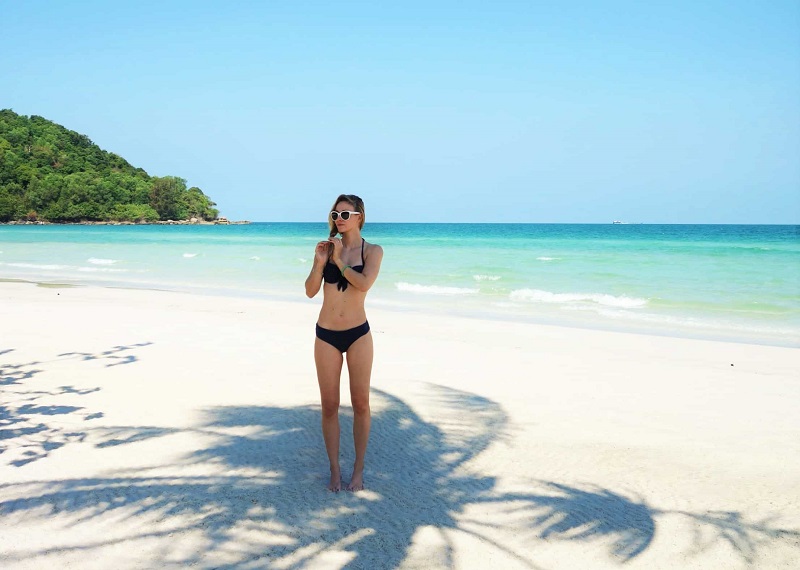
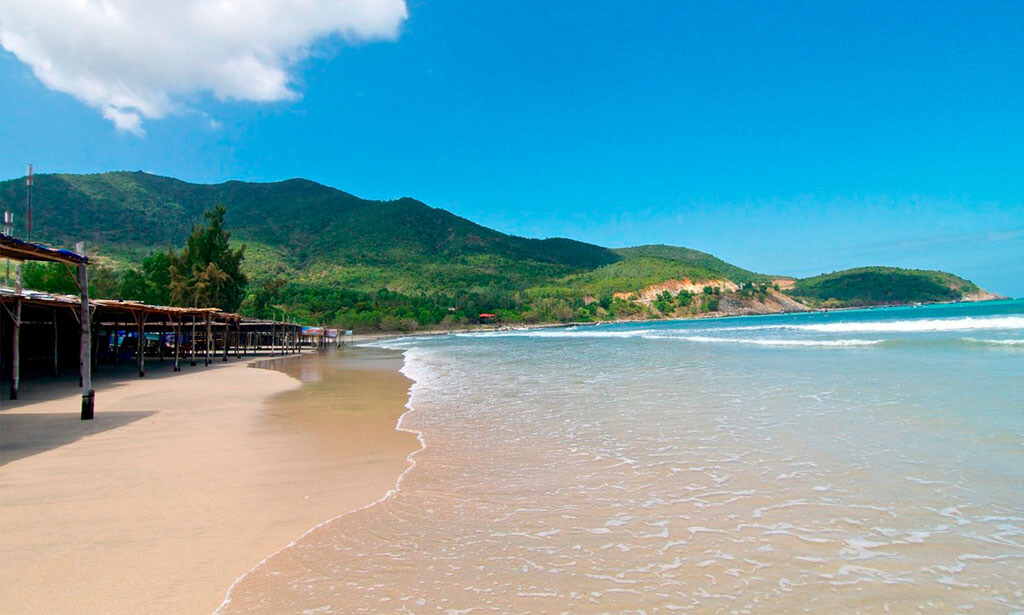
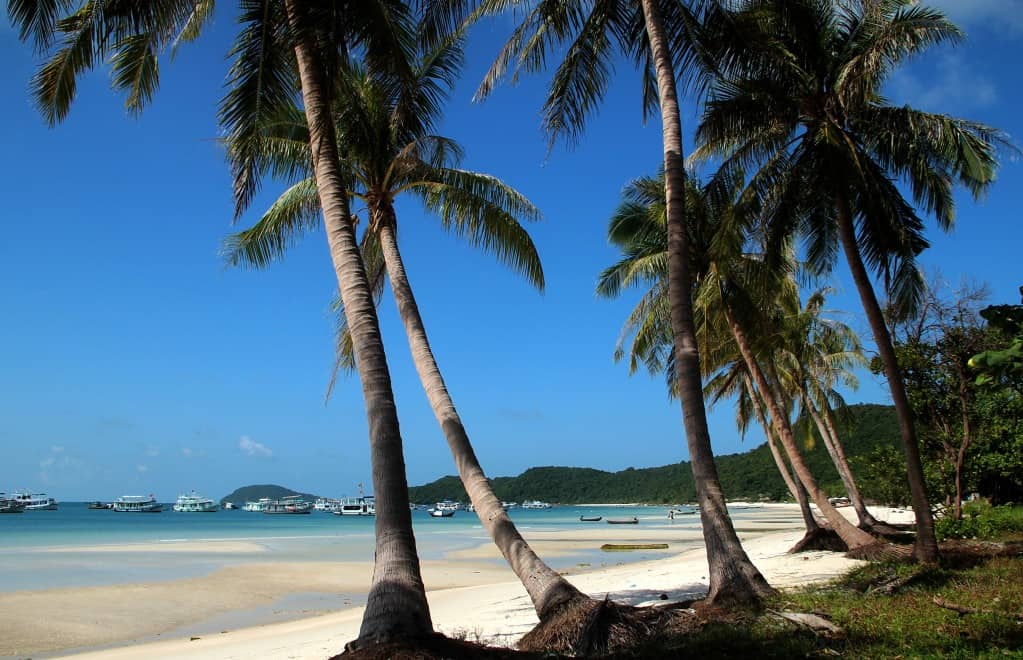
  • Relax on pristine beaches like Sao and Long Beach

5. Getting Around Vietnam: Key Tips

  • Ride-hailing apps: Services like Grab, Be, and Xanh SM are common in major cities—ideal for families, reliable with in-app payment.
  • Private car and driver: Offers families comfort, flexibility, and stress-free travel—favorite for younger children.
  • Tailor-made guided tours: Local agencies can craft optimized routes, family-friendly stays, and age-appropriate activities—perfect for hassle-free journeys.
  • Train and domestic flights: Recommended for longer distances (e.g., Hanoi ➝ Hue ➝ Ho Chi Minh City). Night trains offer fun for kids; flights save time.

6. Health Precautions & Vaccinations

No mandatory vaccines for Southeast Asia from Europe, but recommended shots include hepatitis A/B, typhoid, Japanese encephalitis, and possibly malaria prevention.
Bring basic first-aid supplies: mosquito repellent, paracetamol, bandages, and antiseptic gel. Vietnamese pharmacies are well-stocked for common needs.

7. Budget Expectations for Families

Vietnam is quite affordable; daily expenses depend on accommodation and activities. You can travel economically or upgrade comfort. Check our detailed Vietnam travel cost guide for more insights.

8. Packing Essentials for Family Trips

  • Lightweight, long-sleeve layers (good for evenings and highland areas)
  • Sun gear: hats, sunglasses, and high-SPF sunscreen
  • Reusable water bottles and a small daypack
  • Snacks, travel games, or books to keep children occupied
  • A multifunctional scarf—useful as coverage in temples
  • With hotel laundry services available, pack minimally; you can do laundry on the go

9. Extra Practical Tips

  • Have snacks on hand; meal times may vary
  • Load tablets/phones with offline cartoons for waiting periods
  • Teach kids basic Vietnamese—helps them connect with locals:

    • Hello: “Xin chào”
    • Thank you: “Cảm ơn”
    • Goodbye: “Tạm biệt”

10. What to Do If Your Child Gets Lost

Teach children safety protocols before traveling:

  1. Stay put if they’re separated from you
  2. Carry an ID card with their name, your phone number, and hotel address
  3. Identify helpers like security staff, uniformed employees, police, or other families
  4. Never follow strangers, even if they seem friendly
  5. Practice scenarios at home so they’ll remember what to do calmly

11. Should You Arrange a Tour Through an Agency?

While independent planning is possible, families often benefit from local experts. Agencies handle logistics, documents, and guided assistance—saving time and reducing stress—so you can enjoy the journey with your kids.
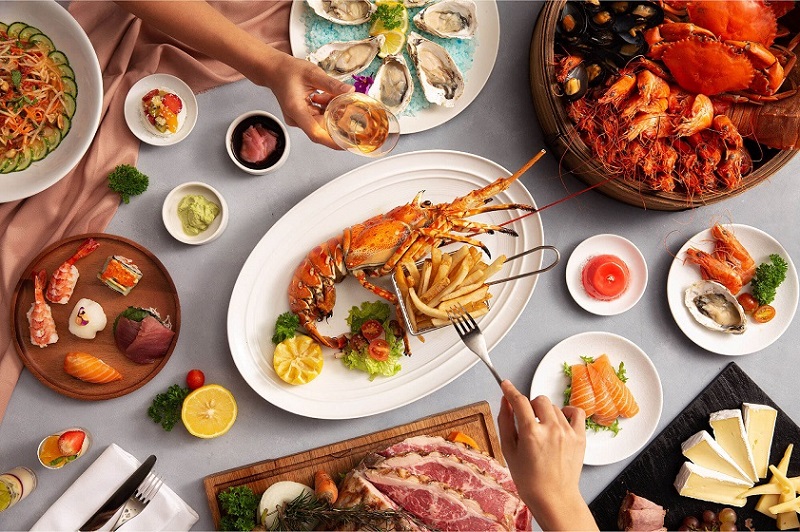
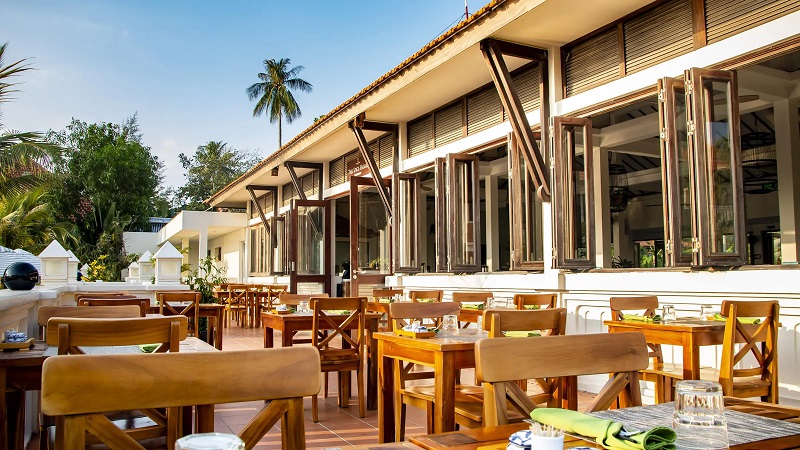
When people talk about Phu Quoc, images of squid fishing trips, flavorful Ham Ninh crabs, and shopping for unique local delicacies often come to mind. As much a food lover’s paradise as a beach destination, Phu Quoc offers a diverse and vibrant culinary scene. Whether you’re craving fresh seafood or traditional Vietnamese dishes, the island has something to satisfy every appetite. Below is a curated list of top-rated restaurants you shouldn’t miss while exploring this tropical haven.

Top Seafood Restaurants in Phu Quoc

The Spice House at Cassia Cottage

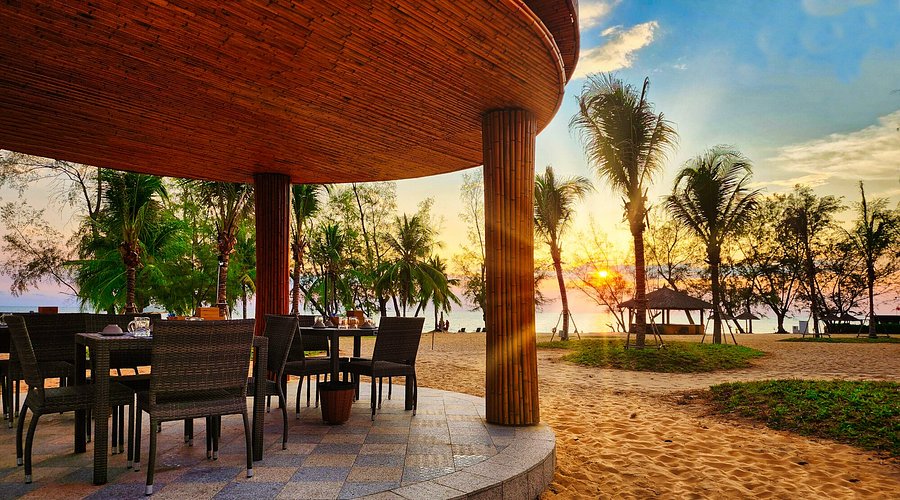
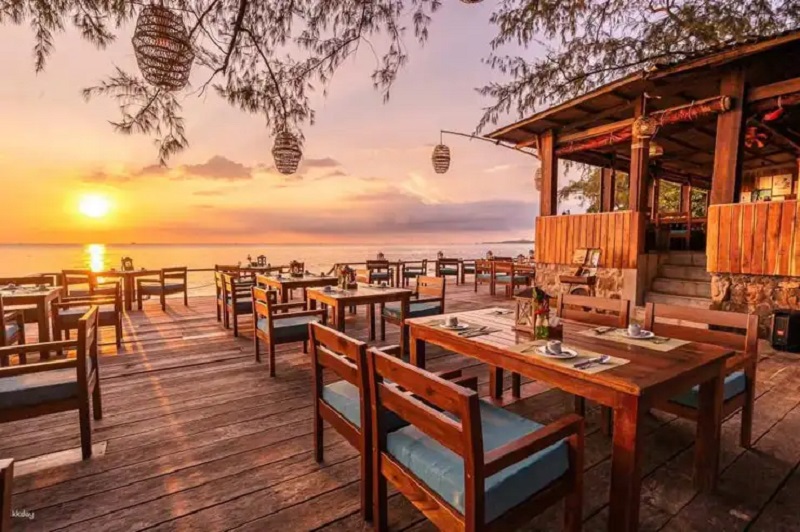
Nestled within Cassia Cottage resort, this beachfront restaurant is celebrated for its fresh seafood and classic Vietnamese recipes. Its cozy setting and ocean views make it a romantic dinner spot, especially at sunset.

  • Location: Cassia Cottage, Duong Dong
  • Hours: 7:00 AM – 10:00 PM
  • Highlight Dishes: Grilled tiger prawns, hotpot with mixed seafood

Huong Bien Restaurant

Situated in central Duong Dong, Huong Bien combines authentic local flavors with scenic seaside dining. It’s a great stop for a midday break with a sea breeze and traditional plates.

  • Location: 127 Tran Hung Dao, Duong Dong
  • Hours: 10:00 AM – 10:00 PM
  • Highlight Dishes: Ham Ninh crab, shrimp sautéed with garlic

Crab House (Nha Ghe Phu Quoc)

A go-to place for crab lovers, this spot delivers a unique Viet-Cajun experience. Their bold sauces and generous seafood portions are best shared with friends or family.

  • Location: 129 Tran Hung Dao, Duong Dong
  • Hours: 11:00 AM – 10:00 PM
  • Highlight Dishes: Signature crab combo, lobster with garlic butter

Authentic Vietnamese Restaurants You Must Try

Bun Quay Kien Xay

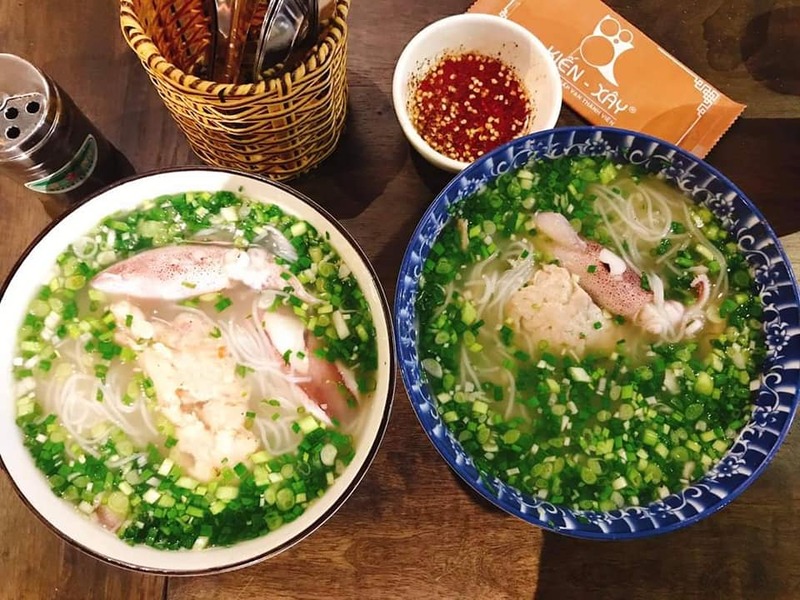
Famous for its namesake dish “bun quay”, this casual eatery offers a hands-on experience where diners mix their own dipping sauces. The broth is rich and flavorful, made with dried fish and coconut.

  • Location: 28 Bach Dang, Duong Dong
  • Hours: 6:00 AM – 10:00 PM
  • Highlight Dish: Bun quay with fresh shrimp and squid

Banh Canh Phung

A local favorite for thick noodle soup packed with seafood goodness. Banh Canh Phung is known for its rich, clear broth and home-style cooking.

  • Location: 70 Tran Hung Dao, Duong Dong
  • Hours: 7:00 AM – 9:00 PM
  • Highlight Dish: Fish cake noodle soup

Hu Tieu Muc Tu Huong

This specialty eatery serves one of Phu Quoc’s most beloved versions of squid noodle soup. The tender squid and fragrant broth create a truly memorable dish.

  • Location: 87 30/4 Street, Duong Dong
  • Hours: 6:30 AM – 8:30 PM
  • Highlight Dish: Squid noodle (Hu Tieu Muc)

Top Sunset Dining Spots by the Beach

Sailing Club Phu Quoc

This beachfront hotspot offers an all-day beach club experience that turns into a vibrant restaurant come evening. Known for fresh seafood and creative drinks, it’s a top spot for sunset views.

  • Location: Sunset Beach, Duong To

  • Hours: 10:00 AM – 12:00 AM
  • Highlight Dishes: Snapper on grill, handcrafted cocktails

Mai Huong Beachfront

This relaxed seaside venue serves up reasonably priced seafood and Vietnamese fare. It’s a favorite among families and travelers on a budget seeking beachfront dining.

  • Location: Long Beach, Duong To
  • Hours: 8:00 AM – 10:30 PM
  • Highlight Dishes: Grilled squid, spicy pork ribs

40 six Beach Haus

A trendy option for those who enjoy beachfront ambiance with a diverse food menu. Enjoy local seafood or Western options with a refreshing drink as the sun goes down.

  • Location: Ong Lang Beach, Cua Duong
  • Hours: 9:00 AM – 11:00 PM
  • Highlight Dishes: Mixed seafood platter, mango mojito

Camia Restaurant

Romantically positioned by the water, Camia is ideal for date nights or peaceful evening meals. Their emphasis on high-quality seafood makes every dish stand out.

  • Location: 118/10 Tran Hung Dao, Duong To
  • Hours: 7:00 AM – 10:00 PM
  • Highlight Dishes: Grilled barracuda, tamarind crab

Top Street Food Destinations

Ham Ninh Fishing Village

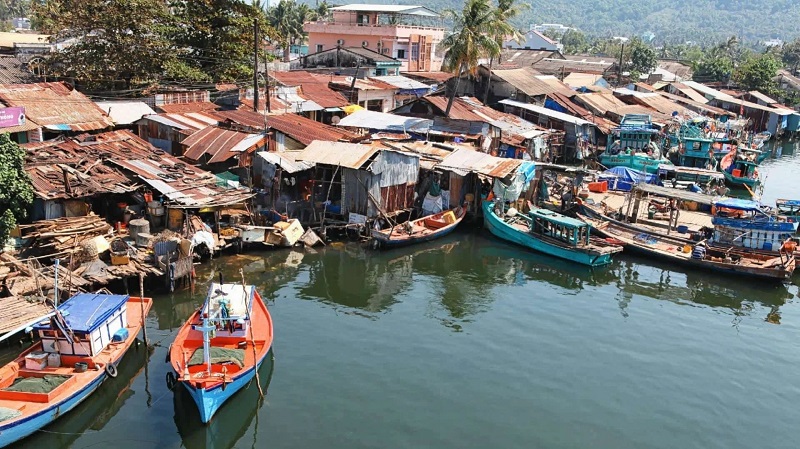
This peaceful fishing community is a seafood haven, known for its simplicity and freshness. Floating eateries serve dishes crafted with just-caught crabs, sea urchins, and fish, often seasoned in traditional Vietnamese style.

  • Location: Ham Ninh, Phu Quoc
  • Opening Hours: Typically 10:00 AM – 8:00 PM (varies by vendor)
  • What to Try: Steamed Ham Ninh crab, roasted sea urchin with scallion oil

Duong Dong Night Market

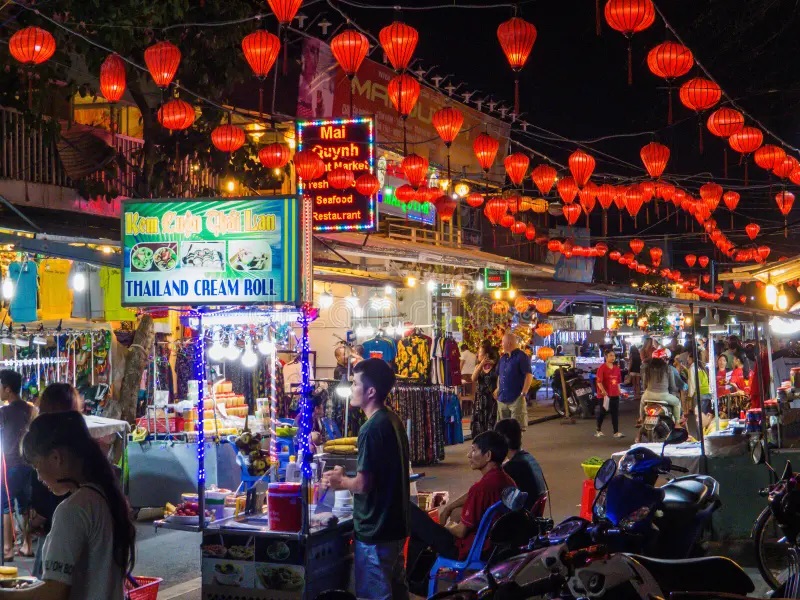
Located in the heart of town, this bustling market is a hotspot for local eats. Wander through stalls offering grilled seafood, tropical fruits, and regional delicacies like goi ca trich (herring salad). It’s the ideal spot to soak in local flavors and lively ambiance.

  • Location: Vo Thi Sau Street, Duong Dong, Phu Quoc
  • Opening Hours: 5:00 PM – 11:00 PM
  • What to Try: BBQ squid skewers, fresh herring salad

Phu Quoc Night Market

Similar in vibe to Duong Dong Market but with a more international flair, this market features a mix of Vietnamese snacks and foreign street food. It’s a great place to try something sweet after dinner, like handmade ice cream rolls or candied squid.

  • Location: Bach Dang Street, Duong Dong, Phu Quoc
  • Opening Hours: 6:00 PM – 12:00 AM
  • What to Try: Caramelized squid (mực rim), myrtle liqueur

Where to Find International Flavors in Phu Quoc

Phu Quoc may be known for its local seafood, but it also offers a variety of international dining options for travelers seeking something a little different. From Western-style cafés to upscale European restaurants, these spots are perfect for changing things up during your stay.

Deep Sea Cafeteria

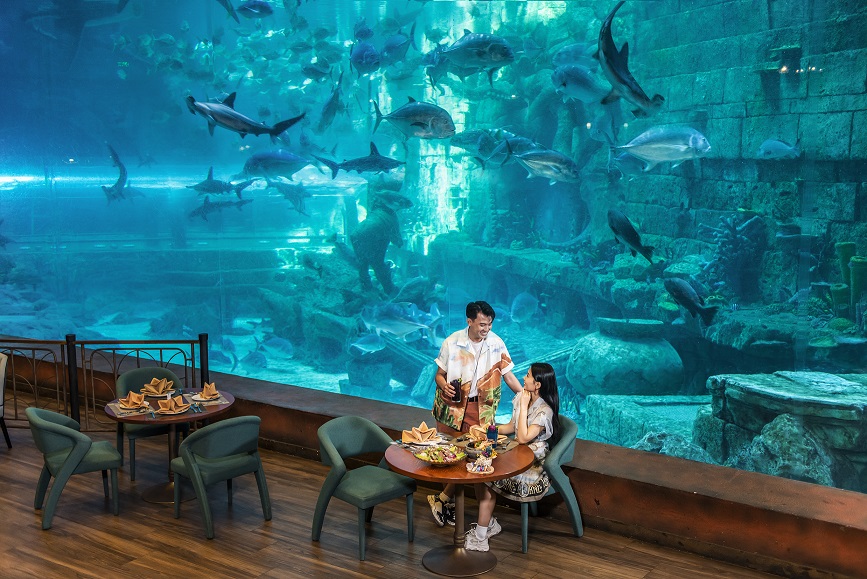
This laid-back restaurant serves comfort food with a Western twist—think fresh salads, burgers, and creamy pastas. What sets it apart is its unique setting inside Vietnam’s first aquarium restaurant, where diners can enjoy a meal surrounded by marine life.

  • Location: 143 Tran Hung Dao, Duong Dong
  • Opening Hours: 8:00 AM – 10:00 PM
  • What to Try: Juicy beef burger, fettuccine alfredo

Il Muro Italiano at Salinda Resort

Located within the luxurious Salinda Resort, Il Muro is a refined Italian restaurant offering wood-fired pizzas and seafood pasta with a Sicilian touch. Hand-painted walls and cozy lighting create a romantic Mediterranean ambiance.

  • Location: Salinda Resort, Cua Lap, Duong To
  • Opening Hours: 6:00 PM – 10:00 PM
  • What to Try: Crab pasta, classic tiramisu

The Peppertree – La Veranda Resort MGallery

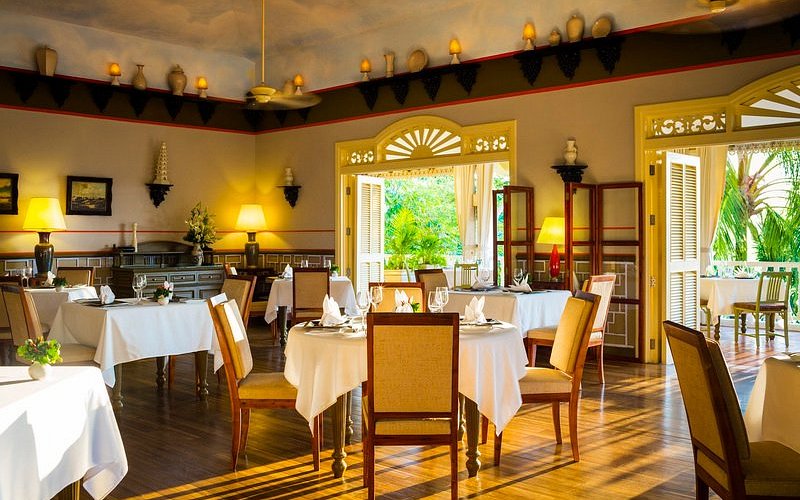
This elegant beachside venue blends French sophistication with Vietnamese ingredients. With its white columns, vintage decor, and ocean-view terrace, The Peppertree is a perfect setting for fine dining in Phu Quoc.

  • Location: La Veranda Resort, Tran Hung Dao, Duong To
  • Opening Hours: 6:30 AM – 10:30 PM
  • What to Try: Grilled lobster, foie gras with mango chutney

Practical tips for dining out in Phu Quoc

  • Always ask for prices per dish or per kilogram for seafood before ordering. Confirm whether the price includes preparation fees.
  • Negotiate at markets or fishing villages, as prices may be higher for tourists.
  • Choose seafood from live tanks or ice displays for the best quality.
  • Carry small VND notes, as many places don’t accept cards.

Phu Quoc’s Must-Try Foods and Where to Taste Them

Phu Quoc isn’t just about beautiful beaches—it’s also a paradise for food lovers. From rich broths to fresh seafood salads, the island offers a distinctive culinary identity shaped by local ingredients and time-honored recipes. Whether you’re a seasoned foodie or a curious traveler, here are the standout dishes you simply must taste—and the best places to find them.
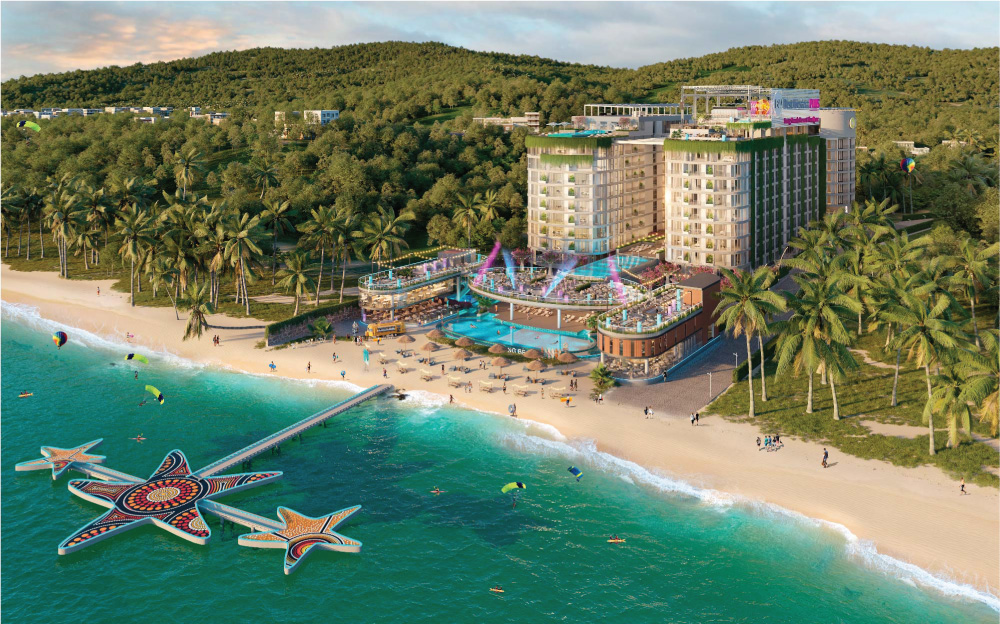
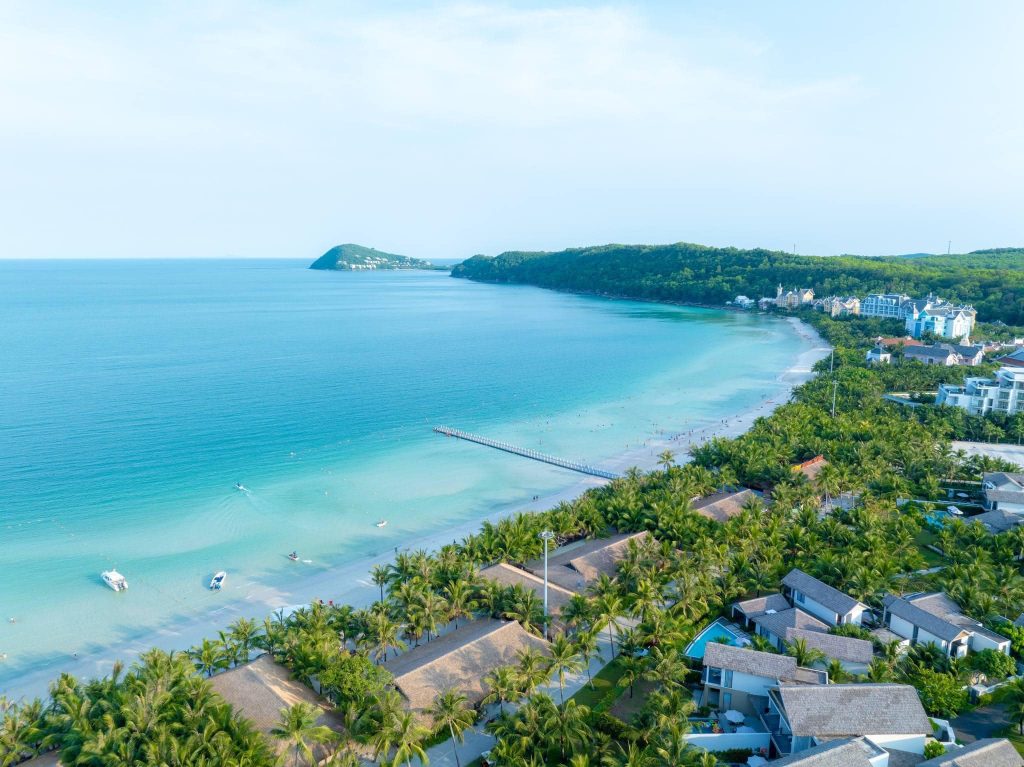
Bún Quậy 

This Phu Quoc signature dish features silky noodles in a broth made from coconut water and dried fish. What makes it special is the DIY sauce—you’ll mix fresh lime, salt, chili, and MSG to suit your taste. The final result? A deeply satisfying, savory, and customizable bowl of noodles.

  • Recommended Spot: Bún Quậy Kiến Xây, 28 Bach Dang, Duong Dong, Phu Quoc
  • Estimated Cost: 50,000–100,000 VND per bowl

Bún Kèn 

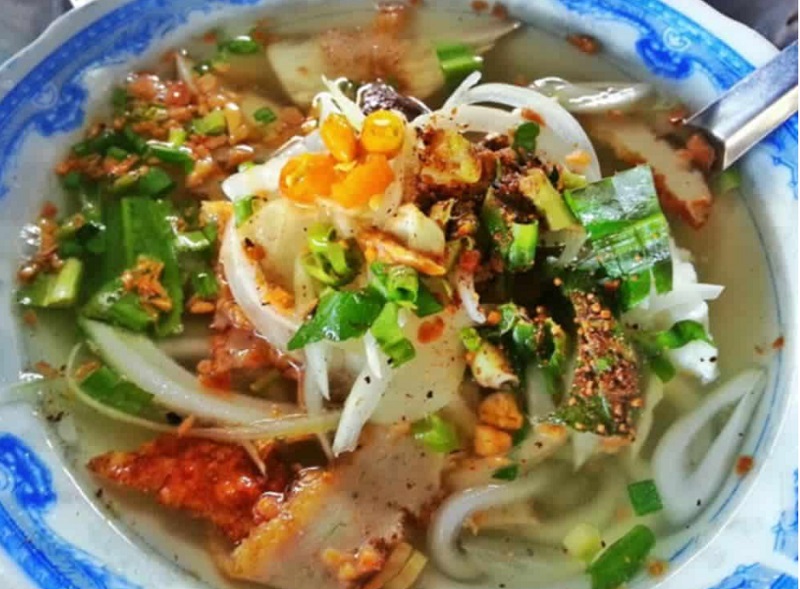
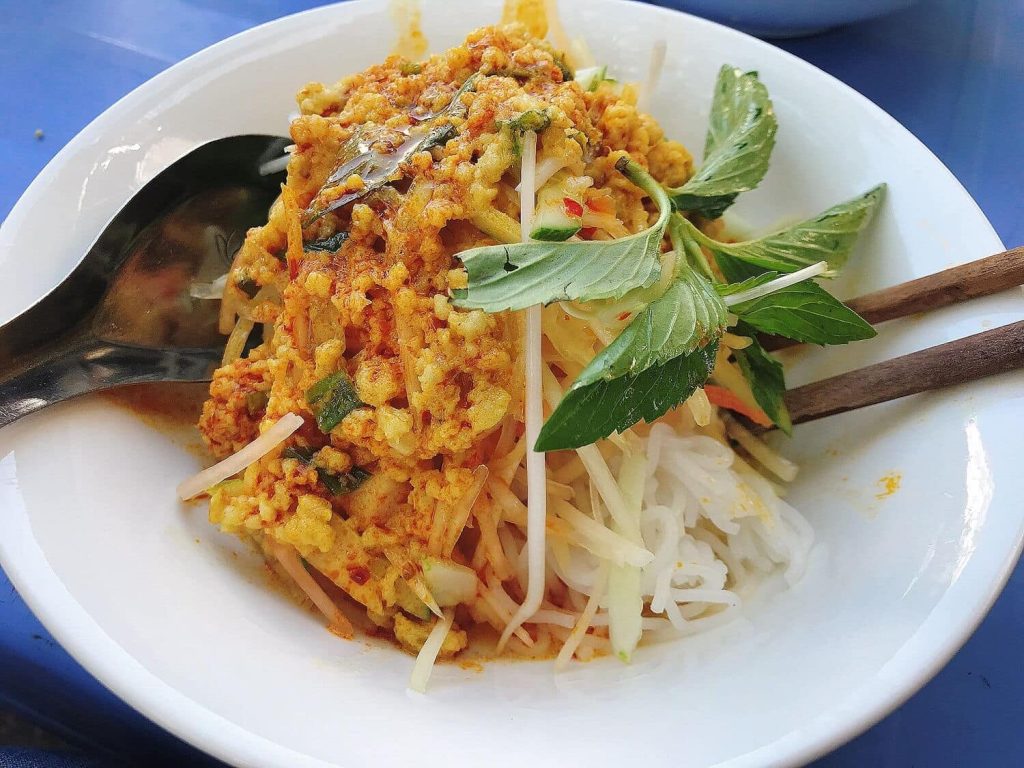
Unique to Phu Quoc, bun ken combines minced fish, crunchy herbs, and a rich, creamy coconut-based broth. It’s a blend of sweet, salty, and spicy that’s hard to find elsewhere in Vietnam.

  • Recommended Spot: Ut Luom Restaurant, 87 30/4 Street, Duong Dong, Phu Quoc
  • Estimated Cost: 60,000–120,000 VND per bowl
bun-ken-ha-tien…

Gỏi Cá Trích 

This refreshing island specialty is made with thinly sliced raw herring, toasted coconut, onions, and fresh herbs—all wrapped in rice paper and dipped in a tangy fish sauce-based dressing. It’s crunchy, zesty, and uniquely local.

  • Recommended Spot: Vuon Tao Restaurant, Cua Lap Hamlet, Duong To, Phu Quoc
  • Estimated Cost: 100,000–150,000 VND per serving

Ghẹ Hàm Ninh 

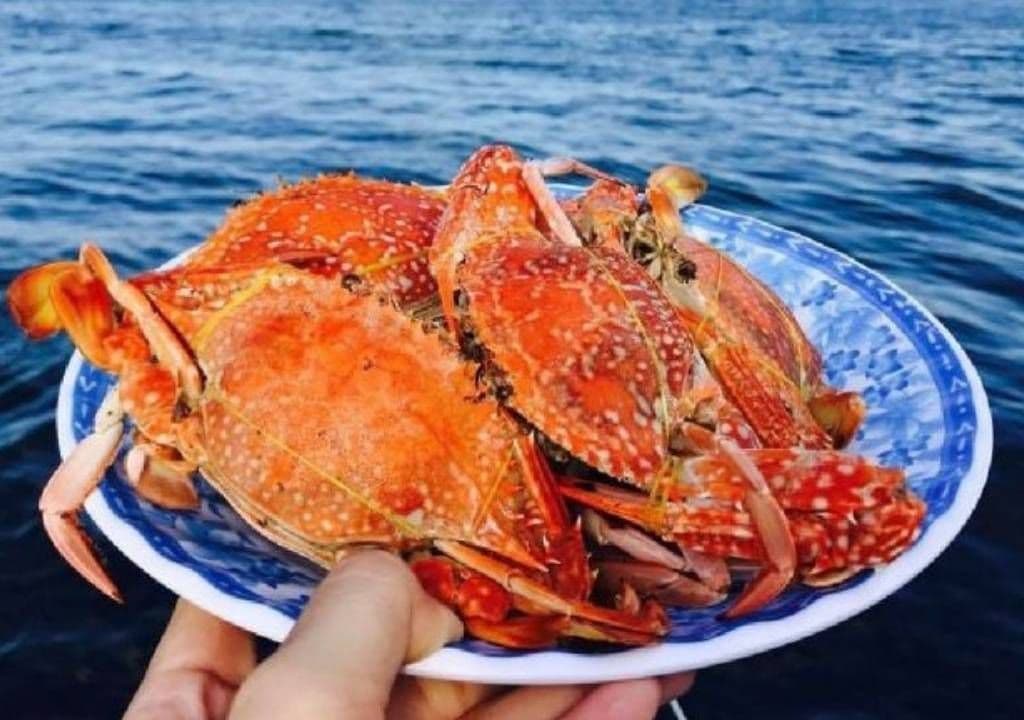
Small but flavorful, these sweet crabs from Ham Ninh are best enjoyed simply steamed and dipped in a mixture of salt, lime, and pepper. A must for seafood lovers.

  • Recommended Spot: Ham Ninh Fishing Village, Ham Ninh, Phu Quoc
  • Estimated Cost: 150,000–250,000 VND per kilogram

Tips for Enjoying Local Cuisine in Phu Quoc

  • Night Market Vibes: Head to the local night markets between 7:00 PM – 10:00 PM for the best street food experience and energetic ambiance. Arrive early (around 5:30 PM) to enjoy the sunset before dinner.
  • Language Hack: If you can’t read the menu, don’t hesitate to use a translation app or point to what others are eating.
  • Dietary Needs: Let staff know if you have food allergies or dietary restrictions. Simple phrases or showing images can go a long way.

Think Phu Quoc’s culinary scene is only about street food? Think again.

A wave of innovative chefs and culinary creatives is redefining the island’s food culture. With international talent settling into the island’s luxury resorts and boutique hotels, you’ll now find trendy bars, fine dining experiences, and contemporary twists on classic dishes across Phu Quoc. From family-run eateries to beachfront restaurants with sunset views, there’s an entire culinary world waiting for you here.

Affectionately known as Vietnam’s “Pearl Island,” Phu Quoc continues to be one of the most beloved travel destinations for both local and foreign visitors. Thanks to its unique geography, the island is home to some of the most mesmerizing beaches in all of Asia. Kampá Tour invites you to explore the most captivating beaches in Phu Quoc that deserve a spot on every traveler’s itinerary.

Best Beaches in Northern Phu Quoc

Ganh Dau Beach

Nestled at the northwestern tip of the island, about 20 kilometers from Duong Dong town, Ganh Dau Beach curves gently into the sea and is framed by pristine forest. This tranquil spot is particularly magical at sunset, when golden rays reflect off the water and reveal coral reefs and rocks beneath the surface.

Getting to Ganh Dau Beach

  • Route 1: Travel north from Duong Dong through a rustic red dirt road that cuts across Phu Quoc National Park, then veer west toward the fishing village.
  • Route 2: Pass through Cua Duong and Cua Van, then take a 20-kilometer forest path. Stop by the nearby Nguyen Trung Truc shrine en route for a cultural detour.

Rach Vem Beach

Tucked away in the island’s northern part, Rach Vem is a peaceful fishing village famed for its shallow, crystal-clear waters and vibrant starfish population during the dry season. Visitors can admire these sea creatures on the seabed — but remember, never place them on hot sand as they are extremely heat-sensitive.

How to Reach Rach Vem Beach

  • From Duong Dong: Head north via the DT973 road — the most convenient option with restaurants and accommodations nearby.
  • From Vinpearl: Drive toward Duong Dong and turn left at the Cua Can Bridge.
  • From Thạnh Thới Ferry Terminal: Head north through Bai Thom and turn at the Suoi Cai junction.

Bai Dai

Stretching 15 kilometers along the island’s northwest coast, Bai Dai spans from Cua Can to Ganh Dau and lies about 24 km from Phu Quoc International Airport. The beach remains largely undeveloped, making it a serene escape with raw, natural charm. Its remoteness makes it especially appealing to nature lovers seeking solitude.

How to Get to Bai Dai

  • Option 1: Follow the main road toward Bai Vung Bau and continue along the coastal route to reach Bai Dai.
  • Option 2: Travel toward Cua Can, take a left near Vinpearl, then follow a smaller path leading directly to the beach.

Hon Doi Moi

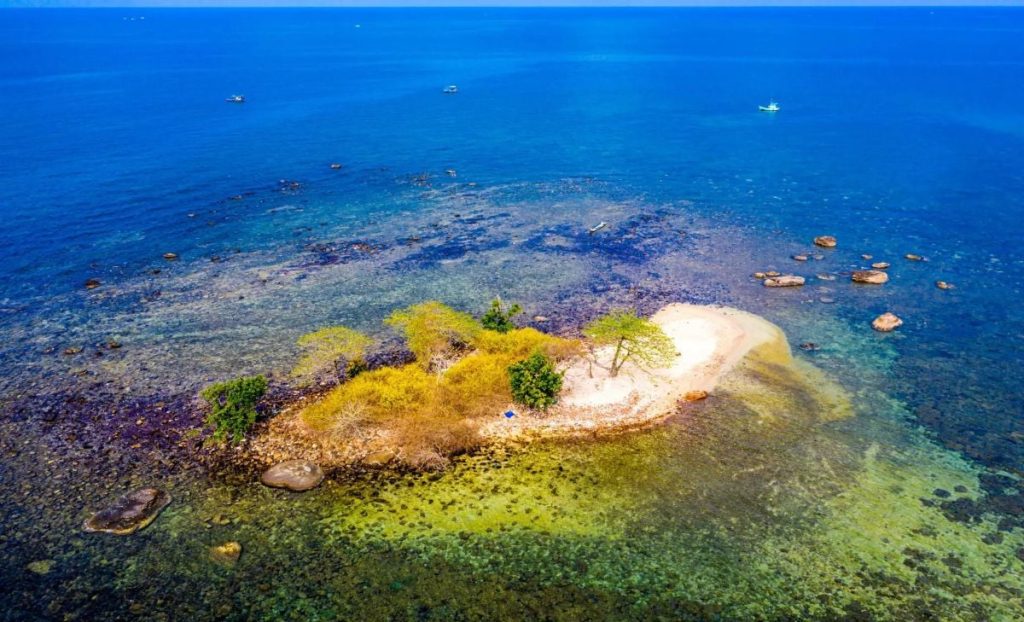
Located just 1 kilometer offshore from Bai Dai, Hon Doi Moi is a small, secluded island near Ganh Dau. It boasts one of the richest coral systems in Phu Quoc, featuring over 17 types of hard and soft corals as well as sea anemones. It’s also an incredible sunset-watching location.

Transportation Options

  • From VinWonders: Take a 10-minute speedboat ride — the most efficient route.
  • From Duong Dong: A scenic two-hour boat journey offering views of the northern coastline.

Hon Mot

Situated off the northeast coast in Bai Thom commune, Hon Mot spans approximately 6.7 hectares and is blanketed with dense greenery. It’s known for its tranquil atmosphere and unique water spinach fields. A narrow footbridge connects the island to the mainland, offering fantastic views, including of nearby Cambodia.

How to Reach Hon Mot

  • Take Nguyen Trung Truc Road to Bai Thom commune from Duong Dong. Alternatively, travel through Ham Ninh fishing village and take the red dirt coastal road.
  • Walk across the wooden footbridge or take a short boat ride from the shore.

Vung Bau Beach

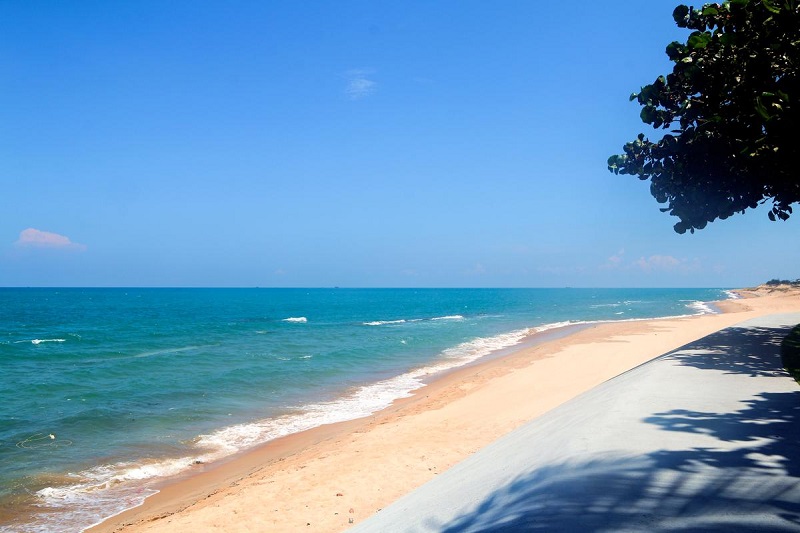
A hidden gem, Vung Bau Beach is known for its marine biodiversity — from sea stars and shells to occasional sea urchins. The gentle sloping seabed makes it safe for children, while the shaded shoreline creates the perfect ambiance for picnics or relaxing under the trees.

How to Access Vung Bau Beach

  • From Duong Dong, head north on DT45 toward Nam Nghi.
    • Paved Road: The smoothest and safest route, leading directly to Nam Nghi.
    • Dirt Path: A shorter but bumpier track past small resorts — not recommended during heavy rains.

Ong Lang Beach

Ideal for those seeking serenity, Ong Lang Beach offers golden sand, gentle waves, and refreshing sea breezes. The tranquil environment, combined with scenic views, makes it a perfect place to unwind and reflect.

Directions to Ong Lang Beach

  • Travel 4.5 km north on Cua Can Road from Duong Dong. Follow signs to Eco Beach Resort, then continue another kilometer to the beach.

Travel Tip

  • Motorbike: Available for rent at 150,000–200,000 VND/day, offering maximum flexibility.
  • Car: Great for families and groups; ample parking is available.

Cua Can Beach

Located around 6 kilometers north of Duong Dong, Cua Can Beach remains relatively untouched and is home to several small fishing villages. The highlight is the meeting point of the river and sea, forming a crescent-shaped sandbar that’s perfect for photography and peaceful walks.

How to Get There

  • From Duong Dong, take Cach Mang Thang 8 Street and merge onto Duong Dong–Cua Can Road. Drive roughly 15 minutes and follow the signs to the beach on the left.

Dinh Cau Temple

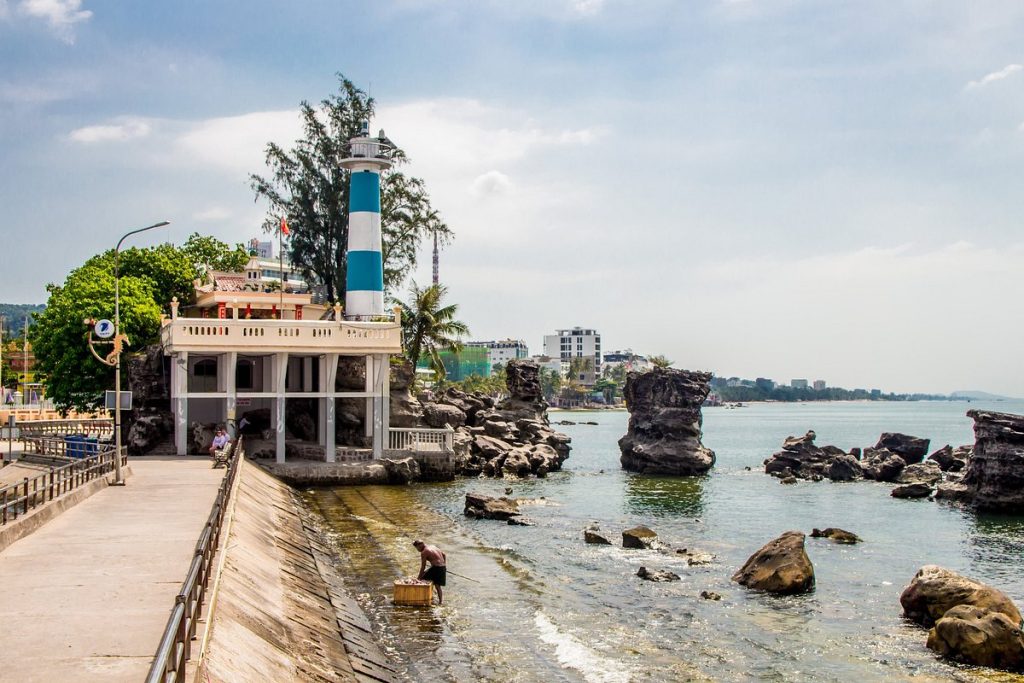
Standing on a rocky outcrop at the western edge of Duong Dong town, Dinh Cau Temple is both a cultural and spiritual landmark. This small temple is where local fishermen often come to pray for safe journeys. The view of the sunset from here is unforgettable.

How to Visit Dinh Cau

  • From the town center, walk along Vo Thi Sau Street until you reach the cape near the night market — the temple entrance is clearly marked.

Whether you’re seeking relaxation, nature, or a blend of both, the beaches in northern Phu Quoc offer a refreshing alternative to the more commercialized parts of the island. From secluded islands and starfish-strewn shores to spiritual landmarks and coral-filled waters, these beaches promise a truly unforgettable coastal escape.

Top Beaches in Southern Phu Quoc You Shouldn’t Miss

The southern coast of Phu Quoc is a haven for beach lovers, offering everything from quiet coves to vibrant beach scenes. Whether you’re in search of peaceful seclusion, family-friendly shores, or tropical adventures, the southern beaches of Phu Quoc deliver. Let Kampá Tour guide you through the must-visit beaches and islands in southern Phu Quoc.

Bai Truong 

Located centrally and stretching along the southwestern coastline, Bai Truong is one of the most accessible and popular beaches on the island — especially among first-time visitors. This lively beach features everything from laid-back lounges and seafood restaurants to energetic beach bars. It’s the ideal blend of activity and relaxation.

As the sun dips below the horizon, Bai Truong becomes the perfect place for a sunset drink. With its golden hour views and upbeat ambiance, it’s no surprise this beach is a favorite among tourists.

How to Reach Bai Truong

Just a quick drive from Duong Dong town or Phu Quoc International Airport, Bai Truong is easily reached by following Tran Hung Dao Street, which parallels much of the beachfront.

Bai Khem 

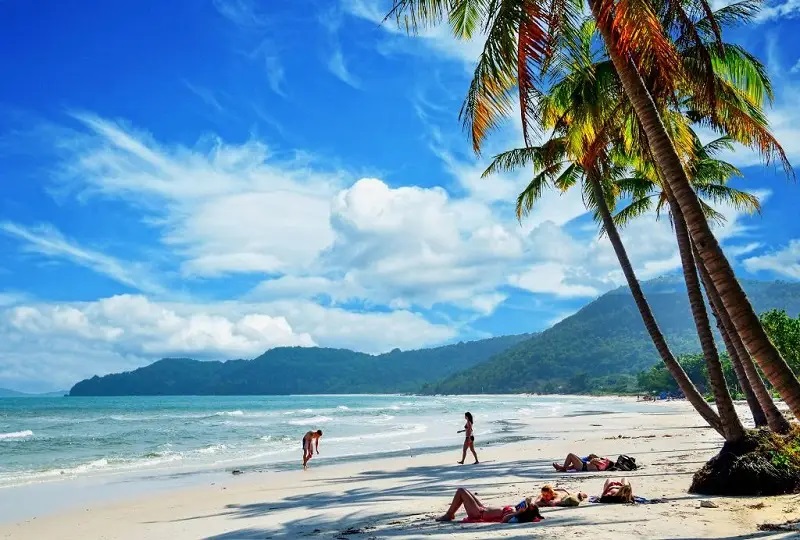
Situated on the island’s southern shore, Bai Khem is a quiet retreat ideal for those seeking peace and pristine nature. The beach is known for its powdery white sand and incredibly clear turquoise water. Unlike other beaches, Bai Khem is tranquil — with no jet skis, beach parties, or crowds — making it a great place to reconnect with nature.

Bai Khem is best enjoyed during the early hours of the day, as it faces east and offers breathtaking sunrises rather than sunsets.

Getting to Bai Khem

From Duong Dong, head south toward the An Thoi area. Bai Khem is located within a more secluded zone, with access through luxury resorts such as Premier Village or New World Phu Quoc.

Bai Sao

Bai Sao is one of the most photogenic and beloved beaches in southern Phu Quoc. Known for its crescent-shaped shore and fine, white sand, Bai Sao offers calm, shallow waters that are ideal for families, couples, and those who just want to float and relax.

This beach offers a slightly more lively experience than Bai Khem, with a selection of beachside cafes, fresh seafood eateries, and shaded areas for lounging. It’s a fantastic choice for a sunny, fun-filled beach day.

How to Get to Bai Sao

Drive approximately 25 kilometers southeast from Duong Dong town toward An Thoi. From there, follow the signs to Bai Sao. The road leading to the beach is narrow and a bit rough, so traveling by motorbike or private car is recommended.

An Thoi Archipelago

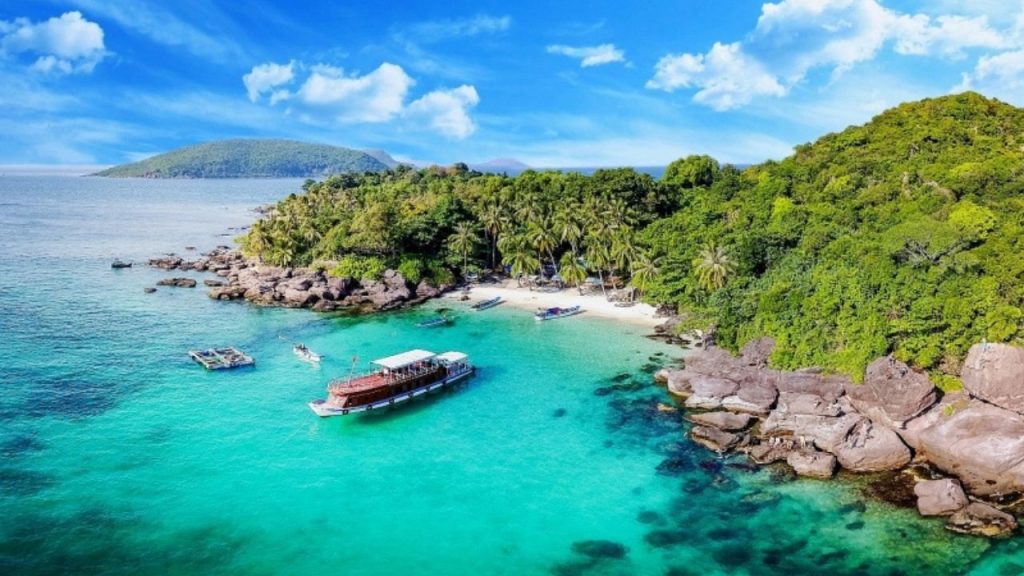
Off the southern tip of Phu Quoc lies the An Thoi Archipelago — a breathtaking chain of over 18 small islands scattered across the Gulf of Thailand. This island cluster is famous for its crystal-clear water, vibrant coral reefs, and secluded beaches untouched by mass tourism.

The most popular islands to explore here include Hon Mong Tay (Fingernail Island), Hon Dam Ngang (Gam Ghi Island), Hon May Rut, and Hon Thom. Each offers unique snorkeling opportunities, pristine shores, and unspoiled natural beauty.

How to Get to the An Thoi Islands

The archipelago is around 26 kilometers from Duong Dong town. Choose one of the following ways to reach the islands:

  • Cable Car: Board the Hon Thom Cable Car at An Thoi Station. This scenic ride crosses the sea, stopping at Hon Dua and Hon Roi before arriving at Hon Thom. It’s one of the longest overwater cable cars in the world and provides spectacular aerial views.
  • Boat: Take a boat or speedboat from An Thoi Port directly to the islands. This is a flexible option for island hopping, snorkeling tours, or organizing private charters.

From buzzing beachfronts to untouched island paradises, the southern part of Phu Quoc offers a remarkable range of coastal experiences. Whether you’re catching a cable car to a remote island, soaking in a sunrise on quiet sands, or sipping cocktails by the sea, the beaches in southern Phu Quoc provide something for every kind of traveler.

Must-Try Water Activities in Phu Quoc

With its warm tropical waters, diverse marine life, and calm coastline, Phu Quoc is a haven for water enthusiasts. From snorkeling and sea walking to high-octane jet skiing and sunset catamaran cruises, this island paradise has something for every kind of traveler. Here are the top water-based experiences you shouldn’t miss during your trip to Phu Quoc.

Snorkeling, Scuba Diving & Sea Walking

Snorkeling is one of the most popular ways to explore Phu Quoc’s underwater world. Ideal for all ages and skill levels, guided tours take you to some of the most vibrant coral reefs around the southern islands. Non-swimmers are often supported with life vests and attentive guides.

Scuba diving offers a deeper experience, with dive sites averaging 6–12 meters in depth, making them perfect for both beginners and experienced divers. Expect to see colorful coral gardens, tropical fish, and maybe even stingrays.

For those who can’t swim, sea walking is a unique and safe way to discover the seabed. At Eco Beach Club on Hon Thom Island, you’ll wear a pressurized helmet that allows you to breathe normally while walking among corals and fish.

Top spots for underwater exploration: Hon Thom, Gam Ghi, Fingernail Island, and Hon Xuong.

Exciting Water Sports

If you’re looking for action-packed activities, Phu Quoc offers a wide range of water sports to get your adrenaline pumping.

Kayaking and paddleboarding are excellent for exploring the calm waters around Khem Beach, the Cua Can River, and the peaceful coastline at Ong Lang Beach. These activities allow you to quietly glide through nature while spotting coral and marine life below.

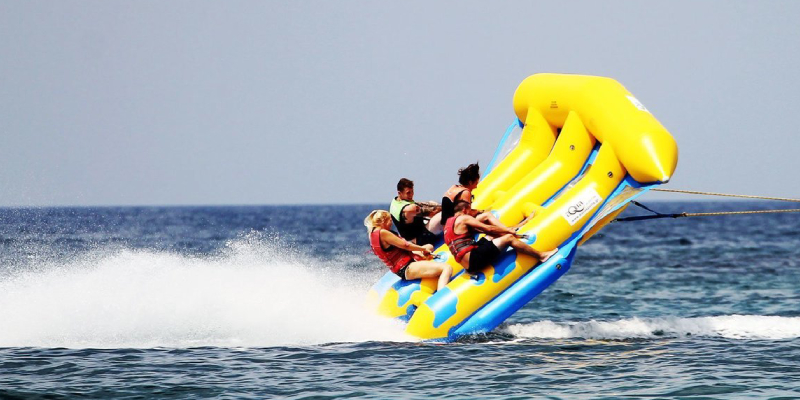
Jet skiing and banana boat rides are perfect for thrill-seekers and families. Available at Long Beach and Bai Khem, they deliver high-speed excitement and are often offered alongside other water games.

Windsurfing and kitesurfing are growing in popularity, especially along the western shores near Long Beach, where steady winds and open water provide optimal conditions.

For a more relaxed experience, sailing trips on luxury catamarans are available, offering panoramic views, refreshments, and the chance to anchor at secluded bays for a swim.

Island Hopping Adventures

Phu Quoc’s southern archipelago, made up of 28 small islands, is perfect for a day of island-hopping. These boat tours combine swimming, snorkeling, sunbathing, and photography into one seamless adventure.

Popular island tour itineraries include stops at:

  • Hon Thom (Pineapple Island) – known for its clear waters and coral reefs
  • Hon Xuong – often called the “Robinson Island” for its remote feel
  • Hon Gam Ghi – ideal for snorkeling
  • Hon May Rut Trong – a private island with picture-perfect scenery

Island-hopping tours are available via speedboat or traditional wooden boats and often include lunch onboard or at a beachside restaurant.

Fishing Excursions

Fishing is a significant part of local life in Phu Quoc, and tourists can get a taste of this culture through immersive tours.

Daytime fishing tours often head toward the southern waters, where you can catch groupers, snappers, and other tropical fish. Many tours provide equipment and light snacks, making it accessible for beginners.

For something different, try night squid fishing — a traditional activity where local fishermen take guests out to sea after sunset. Watch as the ocean lights up with squid lures and enjoy the peaceful night time atmosphere. Some tours even cook your catch on board.

Fishing tours are also an excellent way to learn about Phu Quoc’s famous fish sauce industry, which uses fermented anchovies caught in the surrounding sea.

Water-Based Entertainment Shows

For a different kind of aquatic experience, Phu Quoc offers stunning multimedia water shows that combine performance, music, and cutting-edge technology.

  • Kiss of the Sea: Hosted in Sunset Town, this dazzling show uses water fountains, pyrotechnics, and aerial acrobatics to tell a love story rooted in the sea. It’s a must-see evening attraction for couples and families alike.
  • Tinh Hoa Vietnam (The Quintessence of Vietnam): Also staged in Sunset Town, this performance celebrates Vietnam’s cultural heritage using water effects, live dance, and vibrant visual storytelling. It’s a meaningful way to wind down your day after exploring the island.

From exploring coral gardens to riding waves and catching squid at night, Phu Quoc offers a water activity for every mood and traveler type. Whether you’re here to relax, adventure, or learn something new, don’t miss the chance to dive into the island’s incredible maritime experiences.

Top Coastal Areas to Stay in Phu Quoc

Choosing the right place to stay can transform your beach holiday in Phu Quoc from good to unforgettable. With a coastline stretching over 150 kilometers, the island offers a variety of areas that cater to every travel style — whether you’re seeking lively nightlife, tranquil retreats, or serene waters for swimming and paddleboarding. Here are the best areas to stay along Phu Quoc’s coastline:

Long Beach 

Long Beach, located near Duong Dong town, is the most popular and accessible area for travelers. It’s the island’s main tourism hub, packed with beachfront hotels, trendy beach bars, seafood restaurants, and night markets. The lively vibe makes it perfect for those who enjoy a mix of beach time and vibrant nightlife.

This area is also a great starting point for island-hopping tours, water sports like jet skiing and paddleboarding, and cultural visits to places like Dinh Cau Temple. With its central location, Long Beach provides easy access to the airport and other top attractions across the island.

Best for: First-time visitors, nightlife lovers, and those wanting everything within walking distance.

Khem Beach

Tucked away on the southern coast, Khem Beach is known for its white powdery sand, crystal-clear water, and peaceful atmosphere. This area is home to several luxury resorts and five-star retreats, including exclusive beachfront properties that offer private beaches and world-class amenities.

It’s the ideal setting for travelers looking to escape the crowds and indulge in a more secluded, upscale experience. Activities like kayaking, snorkeling, and romantic sunset dinners make Khem Beach a favorite among honeymooners and couples.

Best for: Luxury seekers, romantic getaways, and those looking for a tranquil setting.

Sao Beach 

Located in the southeast of Phu Quoc, Sao Beach is often celebrated for its untouched natural beauty and gentle, swimmable waters. Though it has gained popularity, it still maintains a more laid-back and less commercialized feel compared to other beaches.

The beach is especially suitable for swimming, paddleboarding, and leisurely picnics. While there are more resorts and guest houses popping up around the area, it remains a top pick for day-trippers and families seeking a relaxed beach atmosphere without the hustle of the main tourist centers.

The Ha Giang Loop has long been a favorite destination for motorbike adventurers, thanks to its extraordinary landscapes, unique cultural encounters, and authentic local lifestyle. Among its many remarkable stops, Dong Van shines as one of the most rewarding. So what makes Dong Van truly stand out on this epic route? Let’s explore all the reasons why this highland gem deserves your time and effort.

Why Dong Van Gate Street Feels So Meaningful

If you’re wondering whether Dong Van Old Quarter is worth visiting, the answer is definitely yes—especially after exploring breathtaking highlights like the Dong Van Karst Plateau or Ma Pi Leng Pass. Save time to fully experience its quiet charm.

For me, the narrow street lined with moss-covered stone houses, red lanterns swaying gently, and the vibrant night market full of H’Mong vendors provides the perfect rest after a long ride. Sipping a hot bowl of thang co (a traditional H’Mong stew) in the cool mountain air truly immerses you in Ha Giang’s essence. Spend a night to enjoy the area fully—but if you’re short on time, visit after the major natural attractions.

What to Do and See in Dong Van

Stroll Through Dong Van Old Town at Night

If someone asks me what to do in Dong Van, I’d say: explore the Old Quarter after sunset. That’s when its beauty comes alive, revealing a captivating blend of history and local life.

Highlights: Spanning 300 meters, Dong Van Old Quarter features over 40 houses dating back to the 19th and 20th centuries, showcasing H’Mong, Tay, and Lo Lo heritage.

Experience: Wander through the glowing lantern-lit streets, enjoy thang co or a hot drink at a rustic café, and visit traditional-style pubs that preserve the ancient architecture with stilt houses and rammed earth walls.

Visit King Meo Palace 

Among the top cultural landmarks in Dong Van, the King Meo Palace is a must-see. This historical site captures the grandeur of a once-powerful H’Mong family.

Highlights: Located in Sa Phin Valley, this 1919 residence combines H’Mong, Vietnamese, and Chinese architecture, once home to Vuong Chi Sinh and his family.

Experience: Tour the intricate interiors, admire carved stone columns, and capture stunning mountain photos in the communal yard. A guided visit provides deeper insight into the region’s UNESCO-recognized heritage.

Conquer the Legendary Ma Pi Leng Pass

A core highlight of the Ha Giang Loop, Ma Pi Leng Pass offers some of the most jaw-dropping scenery in Vietnam.

Highlights: Spanning 20 miles, this pass connects Dong Van with Meo Vac, winding between vertical cliffs and deep valleys.

Experience: Pause at scenic lookouts for sweeping views or take short hikes to better admire the Nho Que River from above.

Cruise the Nho Que River & Explore Tu San Canyon

One of the Ha Giang Loop’s most magical natural wonders lies at the foot of Ma Pi Leng Pass: the emerald Nho Que River cutting through Tu San Canyon.

Highlights: Tu San Canyon is the deepest gorge in Southeast Asia, with sheer cliffs and vibrant turquoise waters of the Nho Que River.

Experience: Take a boat ride to enjoy panoramic canyon views, trek along the riverside for photo ops, or simply marvel at the grandeur of this geological marvel.

Visit the Iconic Lung Cu Flag Tower

Lung Cu Flag Tower marks the northernmost point of Vietnam and is a stirring symbol of national pride.

Highlights: Located atop Lung Cu Mountain at 4,823 feet above sea level, this 108-foot tower flies a massive red flag representing Vietnam’s 54 ethnic groups.

Experience: Climb 839 steps to the top for panoramic views stretching across the plateau. Then visit nearby Lo Lo Chai Village for an authentic cultural experience and try au tau porridge—a warming local delicacy.

Wander Through Buckwheat Flower Fields in Sủng Là

Sủng Là Valley is one of the most photogenic stops near Dong Van, famous for its seasonal buckwheat flower fields.

Highlights: Just 15 miles from Dong Van, the fields bloom from October to November, painting the gray karst plateau with hues of pink, white, and red.

Experience: Walk through the blooming fields, visit Lung Cam Cultural Village to learn about H’Mong traditions, and stop by Pao’s House—featured in the renowned Vietnamese film The Story of Pao. Don’t miss the Buckwheat Flower Festival in mid-November.

Where to Experience Local Life in Dong Van

Dong Van Market

No visit is complete without a trip to Dong Van Market, where the cultures of H’Mong, Tay, and Lo Lo people come to life.

Highlights: Held every Sunday morning, the market overflows with traditional brocade, corn wine, honey, and herbal remedies. On Saturday nights, enjoy cultural shows with Khen dancing and Then singing.

Experience: Enjoy a bowl of thang co or hearty au tau porridge next to a fire, interact with locals, and explore the bustling stalls full of handcrafted goods and highland produce.

Visit Ethnic Minority Villages

The soul of Dong Van lies in its villages. From Lo Lo Chai to Pho La and Lung Tam, each offers a deep dive into highland life.

Lo Lo Chai: Participate in brocade weaving with locals and enjoy the village’s peaceful charm.

Pho La: Try cooking banh cuon (steamed rice rolls) with a local family while learning about mountain culinary traditions.

Lung Tam: Discover linen weaving methods passed down for generations, and shop for eco-friendly handmade products.

Du Gia: Spend the night in a Tay homestay and share local meals, stories, and traditions—an unforgettable cultural experience.

Best Time to Visit Dong Van

For optimal travel conditions, visit Dong Van from October to April, when dry weather and clear skies make trekking and sightseeing ideal. If you prefer lush greenery and rice terraces, plan your trip from June to September—though it’s wise to book accommodation early during this peak season.

Tips for Your Ha Giang Loop Adventure

Finish your Ha Giang Loop journey in Dong Van, a stop full of rich experiences and unmatched beauty. For the safest ride, rent a manual or semi-automatic motorbike in Ha Giang City (around $10–15 per day). Avoid scooters due to the steep terrain. Always fuel up when you find a station, as they’re rare along the route.

Don’t have an International Driving Permit (IDP)? Ask your homestay or hotel to arrange a trusted local driver. Most are happy to assist. Whether it’s the bustling Sunday market, the majesty of Ma Pi Leng Pass, or the peaceful villages, Dong Van offers an authentic and unforgettable conclusion to your Ha Giang Loop adventure.

Just 2.5 to 3 hours away from Ho Chi Minh City, Ho Tram offers the perfect coastal escape for anyone craving tranquility without having to plan an elaborate trip. With its unspoiled shoreline and easy access, it’s a favorite destination for weekenders seeking peace and rejuvenation close to the city.

Where Is Ho Tram and How Does It Differ from Vung Tau?

Ho Tram is a beachside area located in Xuyen Moc District of Ba Ria – Vung Tau Province, around 120 km (75 miles) southeast of Ho Chi Minh City. While it’s often associated with Vung Tau due to geographic proximity, the vibe here is quite distinct.

Unlike Vung Tau’s lively and developed coastal town, Ho Tram remains serene and relatively untouched. Visitors are drawn to its clean waters, soft sands, and quiet ambiance, making it a top pick for those who value peace, privacy, and natural scenery over crowded tourist hotspots. Locals frequently recommend Ho Tram for its calm atmosphere and picturesque sunsets.

Getting to Ho Tram

Traveling from Ho Chi Minh City to Ho Tram is simple, with several convenient transportation options:

  • By Private Car: The most direct route is via the Long Thanh – Dau Giay Expressway and National Highway 51.

  • Resort Transfers: Many resorts in Ho Tram offer complimentary or paid shuttle services from Ho Chi Minh City.

  • Shuttle Buses: Companies like Vie Limousine and Hoa Mai operate comfortable shuttle buses to either Ho Tram directly or to Vung Tau, followed by a brief taxi ride.

To avoid heavy traffic, especially during weekends or holidays, consider starting your journey early in the morning or after rush hour.

What to Do in Ho Tram?

Ho Tram is designed for those seeking slow-paced, relaxing activities rather than high-energy nightlife or cultural excursions. Here are some things to enjoy:

  • Beach Time: Take a dip in clear, calm waters or relax on soft sand without the crowds.

  • Kite Flying: The steady breeze makes it ideal for flying kites along the beach.
  • Resort Leisure: Enjoy private pools, well-kept gardens, and peaceful surroundings offered by many resorts.

  • Walking & Cycling: Explore scenic paths by foot or bicycle near the beach or within resort areas.
  • Wellness & Spa: Most resorts feature tranquil spa zones offering massages, yoga, and meditation sessions.

  • Gentle Outdoor Fun: Try archery, forest walks, or attend open-air movie nights hosted by some properties.
  • Hamptons Pier Promenade: Take a peaceful walk along this oceanfront boardwalk to soak in panoramic views.

The best time to visit Ho Tram is between November and April when the weather is dry and sunny. Note that the area is more about unwinding than immersing in local traditions or adventurous outdoor activities.

Melia Ho Tram – A Signature Stay

Located about 100 km from Ho Chi Minh City (1.5–2 hours by car), Melia Ho Tram is a premier beachfront resort offering a balanced mix of comfort, luxury, and nature. Complimentary shuttle services from the city and Tan Son Nhat Airport are available for guests.

Key Features:

  • Location: 100 km from HCMC and 107 km from Tan Son Nhat Airport
  • Transportation: Free shuttle buses from both locations
  • Main Amenities:
    • Two expansive outdoor pools with ocean views
    • YHI Spa offering premium wellness therapies
    • Paddleboarding, kayaking, and other water activities
    • Kidsdom – a creative and fun space for children
    • Willow’s Farm – where guests can harvest fresh produce and join cooking workshops

Additional Activities:

  • Fitness options: Yoga, Tai Chi, aqua workouts, Tabata, kayaking
  • Sports: Volleyball, tennis, football, basketball, and pickleball
  • Family-friendly activities: Traditional Vietnamese games, arts & crafts
  • Evening entertainment: Outdoor cinema sessions perfect for couples and families
  • Remote work-friendly: Quiet workspaces with good lighting and strong Wi-Fi

More Resorts for a Restful Stay

Besides Melia, Ho Tram is home to a variety of well-reviewed resorts that cater to different preferences:

The Grand Ho Tram Strip

  • Rating: 8.9/10 on Booking.com
  • Highlights: Casino, multiple pools, a golf course, 17 restaurants and bars, night club, free HCMC shuttle
  • Best for: Travelers who enjoy nightlife and a wide range of luxurious activities.

InterContinental Grand Ho Tram

  • Rating: 9.0/10 on Booking.com
  • Highlights: The Bluffs golf course, outdoor pool, spa, excellent dining
  • Ideal for: Families or groups seeking a polished and comfortable beachfront stay.

Sanctuary Ho Tram

  • Rating: 8.2/10 on Agoda
  • Highlights: Secluded beachfront villas with private pools and BBQ setups
  • Best for: Large groups or families looking for a peaceful, self-contained retreat.

Ixora Ho Tram by Fusion

  • Rating: 8.7/10 on Booking.com
  • Highlights: Contemporary design, pool, wellness center, beach access
  • Ideal for: Couples and small families in search of modern amenities close to nature.

For city dwellers seeking a rejuvenating break from the urban grind, Ho Tram beach getaway delivers the perfect mix of nature, quiet, and comfort. Its pristine coastline, spacious resorts, and easy accessibility from Ho Chi Minh City make it ideal for a long weekend or a few restful days before returning to your routine.

Whether you’re lounging at a luxury resort, enjoying a beachside spa treatment, or simply strolling along a quiet shore, this Ho Tram travel guide aims to help you make the most of your visit. Escape the city stress and discover why Ho Tram is one of southern Vietnam’s best-kept coastal secrets.

Cu Lao Cham is a beautiful cluster of islands located just off the coast of Hoi An, Vietnam. With its crystal-clear waters that shimmer in layers of blue and green, soft sandy beaches, and lush hills, Cu Lao Cham offers a tranquil getaway from the crowds of Hoi An’s ancient town.

I’ve had the chance to visit Cu Lao Cham multiple times, most recently in May 2025, and each trip still leaves me impressed by the untouched charm of this marine paradise. Whether it’s your first time or a return visit, here’s everything you need to know to enjoy Cu Lao Cham to the fullest.

Where is Cu Lao Cham?

Cu Lao Cham (Cham Islands) is a small archipelago of eight islands covering about 15 km². It belongs to Tan Hiep Commune in Quang Nam Province and lies roughly 18 kilometers (a 20-minute speedboat ride) from Cua Dai Beach in Hoi An. It’s also just 45 km from Da Nang, making it an easy side trip from either city.

The largest island is Hon Lao, home to most of the local population (around 3,000 residents). The surrounding islands include Hon Kho Me, Hon Kho Con, Hon La, Hon Tai, Hon Mo, Hon Dai, and Hon Ong.

During my last visit in late May, the weather was warm and sunny, but the sea breeze and clear waters made the heat more bearable and refreshing.

How to Get to Cu Lao Cham

From Hoi An

To reach Cu Lao Cham from Hoi An, travel to Cua Dai Port, about 8 km from the city center (15 minutes by car). From there, take a high-speed boat (15–20 minutes) or a traditional wooden boat (slower and less common). Speedboat tickets are available online, at the port, or through local travel agencies.

Due to the short travel time (30–35 minutes total), many travelers include Cu Lao Cham as a day trip while staying in Hoi An.

From Da Nang

From Da Nang, it takes around 1.5 hours to reach Cu Lao Cham. First, drive 30 km to Cua Dai Port, then take the 15 km boat ride. Many tour companies offer full-day packages that include round-trip transport and boat fees.

First Impressions – Is Cu Lao Cham Worth Visiting?

With clear skies and stunning turquoise waters, I immediately felt I made the right decision. Cu Lao Cham turned out to be a highlight of my Hoi An itinerary, providing a much-needed escape from the bustle of the old town.

The speedboat ride was smooth and quick—just 20 minutes across calm morning waves. If you’re prone to seasickness, don’t worry; it’s a gentle ride under normal conditions. Still, it’s wise to carry medication just in case of rough seas.

Although I’d heard Cu Lao Cham could get busy, I was pleasantly surprised. Even on a Sunday, it felt peaceful, especially once I left the main pier behind. Compared to Hoi An’s beaches like An Bang or Cua Dai, this felt like a well-kept secret.

What to Do in Cu Lao Cham 

Arriving at Hon Lao

We docked at Bai Lang, the main pier on Hon Lao. Fishing boats floated lazily nearby, and the sea displayed mesmerizing shades of navy and turquoise. After a short walk, we arrived at the Marine Specimen Conservation Museum, a small but interesting place with displays of marine life, fishing tools, and a model of the islands.

Ancient Champa Well

Next, we stopped at the 200-year-old Champa Well, known as Gieng Xom Cam. Located at a village crossroad, this moss-covered well is part of local legend. The water supposedly never runs dry, and when boiled with herbs, is said to cure seasickness.

Hai Tang Pagoda

We then visited Hai Tang Pagoda, nestled at the base of a green hill. A peaceful courtyard, lotus ponds, and a statue of Guan Yin welcome you. The temple is maintained by villagers and stands out for its “four no’s”: no monks, no abbot, no electricity, and no votive papers.

Snorkeling and Diving

After the cultural stops, we boarded the boat again for snorkeling. Those who opted for diving paid extra, but snorkeling was included in the tour. As a non-swimmer, I was nervous—but the guide gave us life jackets and simple instructions. Floating above colorful coral reefs, watching fish dart through the water, was absolutely magical.

Lunch by the Sea

Once back on land, we had lunch at a beachside restaurant. The seafood—grilled squid, steamed fish, prawns—was fresh and flavorful. For those not into seafood, options like pork stir-fry and omelets were available.

Beach Time at Bai Ong

After lunch, we relaxed at Bai Ong Beach. The water was clear and inviting, and we played volleyball before taking a swim. It was surprisingly quiet, with just a few other tourists and a couple of beach pubs like Sunset Pub. Locals were friendly and spoke enough English to help with small purchases.

Other Beaches to Explore

If you have more time, check out other beaches such as Bai Xep, Bai Bim, or Hon Dai—popular for snorkeling. Bai Huong and Bai Lang offer peaceful village vibes, perfect for a deeper cultural experience.

Travel Tip: Bring a waterproof pouch for your phone and valuables. Seawater can cause serious damage to electronics.

Additional Things to Do on Cu Lao Cham

Tan Hiep Market

Located next to the main pier, this small market is great for buying dried seafood and local souvenirs. Dried squid and fish are popular gifts. Prices are reasonable, and bargaining is common.

Eo Gio Viewpoint 

One of the best sunset spots on the island, Eo Gio is 3 km from Bai Lang. Follow the road past Tan Hiep Market and turn toward Border Post 276. The views are breathtaking—an ideal picnic spot.

Golden Monkeys

You might spot golden monkeys around rocky cliffs. Avoid feeding or approaching them, as they’re wild and unpredictable.

Fishing Tours

For those who love fishing, join a local tour. Fishermen provide equipment and even cook your catch afterward. My friend did this and came back with a good haul of squid and fish.

Island-Hopping by Boat

Besides Hon Lao, the other seven islands include Hon Tai, Hon Mo, Hon Dai, Hon Ong, Hon La, Hon Kho Me, and Hon Kho Con. While it’s hard to explore all in one day, you can visit a few by joining an island-hopping tour.

How Much Does It Cost to Visit the Cham Islands?

Speedboat Fees

A round-trip speedboat ticket to the Cham Islands typically costs between 400,000 and 500,000 VND per person.

In addition, there are two mandatory fees:

  • Entrance fee: 70,000 VND
  • Environmental protection fee: 30,000 VND

Cham Islands Tour Packages

If you want a more organized experience, various travel agencies in Hoi An and Da Nang offer day-trip tours to Cu Lao Cham. These usually include:

  • Round-trip speedboat transfer
  • All required entrance and environmental fees
  • Snorkeling equipment and life jackets
  • Lunch featuring local dishes (usually seafood or vegetarian options)
  • A guide
  • Visits to key island attractions such as Hai Tang Pagoda, Cham Island Museum, ancient well, and beaches

Price Breakdown

  • Group tours: 500,000 – 800,000 VND per person
  • Private tours: From 1,200,000 VND per person, depending on group size and services included

Summary

Visiting Cu Lao Cham independently can end up being more expensive, especially when you factor in transportation, meals, and activities. If you’re short on time or prefer a seamless experience, a day tour offers much better value and convenience.

I chose a group tour since I was traveling with friends, and it turned out to be one of the most enjoyable parts of our trip to Hoi An.

What Should You Eat in Cu Lao Cham?

One of the best things about Cu Lao Cham is the fresh local seafood, some of which you can’t easily find elsewhere in Vietnam.

  • Stone crab: A seasonal delicacy harvested between March and June. These purple crabs are caught from rocky mountain areas and are typically grilled, steamed, or cooked with tamarind for a tangy kick.
  • Vú Nàng conch: Named for its distinctive shape, this rare mollusk is harvested during low tides, especially around full moons. The flesh is firm, slightly sweet, and best when grilled or steamed.
  • Lobster: Usually prepared simply—either steamed with beer or grilled to preserve its natural sweetness.
  • Sun-dried squid: A flavorful snack and a popular gift item you can purchase at the local market.

Don’t skip the wild forest vegetables, picked in spring and served with fermented anchovy or fish sauce. The taste is simple yet deeply connected to the island’s natural environment.

After spending a full day (about eight hours) on Cu Lao Cham, I left the island feeling recharged and deeply connected to nature. It’s not a large place, but its charm, tranquility, and natural beauty make it unforgettable.

While most people come for the beaches, there’s so much more waiting to be discovered: vibrant coral reefs, green hills, local villages, and cultural heritage that adds real depth to the experience.

Even now, Cu Lao Cham remains one of the highlights of my travels in Vietnam. I hope this guide gives you a clearer idea of what to expect and inspires you to plan your own unforgettable island escape to the Cham Islands.

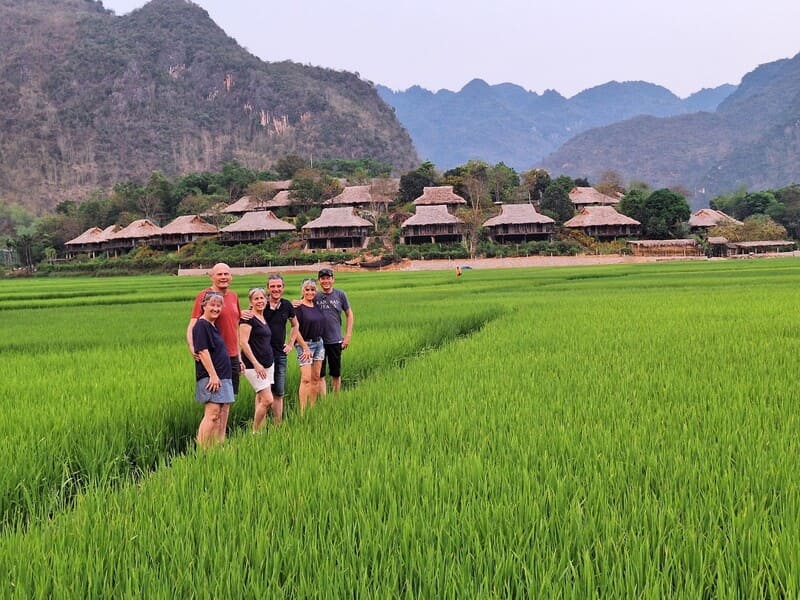
Mai Chau is a captivating destination not only for international travelers but also for local tourists. Nestled in the serene valleys of Hoa Binh Province, Mai Chau lies just 140 kilometers southwest of Hanoi, making it an ideal location for short getaways. It’s a perfect place to escape the hustle and bustle of city life and enjoy lush nature, misty hills, and traditional stilt houses that dot the peaceful countryside.

When you travel to Mai Chau, Vietnam, you’ll discover a tranquil valley inhabited by the Thai ethnic minority, where life flows at a much slower and more peaceful rhythm. For those searching for serenity, simplicity, and authentic rural charm, Mai Chau is an unbeatable destination.

How to Get to Mai Chau from Hanoi?

By Bus: Budget-Friendly But Less Flexible

Traveling from Hanoi to Mai Chau by bus is one of the most economical options, with fares ranging between $5 and $10. Buses usually depart from Hanoi’s major stations such as My Dinh or Giap Bat and take around 3 to 5 hours, depending on traffic and stops.

These local buses can make multiple detours to pick up passengers, which may lengthen the trip. While it’s great for solo travelers on a budget, this method may be less ideal for families or those with large luggage. Bus quality and schedules vary depending on the operator.

By Private Car: Comfortable and Convenient

Renting a private car with a driver is the most comfortable and convenient way to travel to Mai Chau from Hanoi. The trip takes about 3 to 4 hours and costs between $50 and $100 per day. With this option, you have full flexibility to stop for photos, snacks, or sightseeing along the way.

Perfect for families or groups, this option ensures a smooth journey with privacy and safety. Your local driver may also recommend hidden gems along the route, enriching your travel experience.

By Motorbike: For Adventure Lovers

If you’re into adventure, riding a motorbike from Hanoi to Mai Chau is an exciting choice. The journey takes about 3 to 4 hours, and motorbike rentals cost around $10 to $20 per day. You’ll pass scenic mountain roads, rice fields, and charming rural villages.

To stay safe during this thrilling ride:

  • Watch out for trucks on winding roads and avoid overtaking unless it’s completely safe.
  • Avoid traveling at night, as many stretches of road lack proper lighting.
  • Check your bike before departure—ensure brakes, tires, and lights are in good condition. Always wear a quality helmet and bring a raincoat if you’re traveling during the rainy season.

This ride is ideal for seasoned bikers who want to fully enjoy Mai Chau’s landscapes with the freedom of the open road.

Getting Around Mai Chau

Trekking: For Nature Lovers and Explorers

Trekking is one of the best ways to explore Mai Chau’s authentic beauty. With soft trails winding through rice paddies, forests, and traditional villages like Lac and Pom Coong, a 2 to 3-hour hike will immerse you in the rural life of the Thai people.

This travel style is perfect for those seeking slow travel and cultural experiences. If you plan to reach more remote locations, be sure to allocate at least two days for a full trekking experience.

By Bicycle: Eco-Friendly and Flexible

Cycling is increasingly popular among tourists in Mai Chau. It’s environmentally friendly and perfect for navigating the quiet village paths. You can rent a bike and pedal at your own pace, breathing in fresh mountain air and soaking in the tranquil scenery.

Electric Car: Comfortable and Sweat-Free

Electric cars are a newer transportation option in Mai Chau. They’re ideal for those who prefer a relaxed ride without effort. The pace is leisurely, so if you want to go farther, it’s best to negotiate in advance with the driver.

By Scooter: Great for Remote Areas

Scooters are a great choice for reaching more distant locations like Thung Khe Pass or Ba Khan Lake. If you didn’t ride a scooter from Hanoi, you can still easily rent one upon arrival in Mai Chau.

What to Do in Mai Chau?

Pu Luong Nature Reserve

Only 35 kilometers from Mai Chau, Pu Luong Nature Reserve is a top pick for day trips. It features dramatic limestone mountains, stunning rice terraces, clear rivers, waterfalls, and ethnic minority villages. Trekking is the most rewarding way to explore this untouched landscape and immerse yourself in its beauty.

Mai Hich Village

Located 13 kilometers southwest of Mai Chau town, Mai Hich is a hidden gem with 96% of its population being Thai ethnic people. With its bamboo forests, the poetic Xia Stream, and quiet palm groves, this destination offers a peaceful, off-the-beaten-path alternative to the more touristy Lac Village.

Supported by the Center for Public Health and Development (COHED), Mai Hich is becoming a model for community-based tourism. Visitors can bike through rice paddies, join traditional cooking sessions, or go bamboo rafting on the stream. It’s a fantastic way to engage with local life in an authentic and meaningful way.

Pa Co Market: A Sunday Cultural Highlight Near Mai Chau

Every Sunday morning, Pa Co Market transforms into a colorful cultural gathering just 20 kilometers (about a 30-40 minute drive) from Mai Chau, Vietnam. This vibrant market brings together the H’mong people from nearby Moc Chau and the Thai ethnic community from Mai Chau itself.

Wearing their traditional attire, local vendors and villagers come to trade handmade textiles, embroidered clothes, fresh produce, herbs, and other essentials. The atmosphere is bustling and festive, offering visitors a unique opportunity to witness ethnic traditions in action. Unlike the calm, slow-paced weekdays in Mai Chau, Pa Co Market on Sunday is a lively spectacle of sound, color, and culture.

If you’re seeking an authentic Mai Chau experience, this weekly market is a must-see. Arriving early ensures you catch the best moments as the morning energy peaks.

Thung Khe Pass: Scenic Viewpoint and Street Food Stop

Thung Khe Pass, also known as Đèo Đá Trắng (White Rock Pass), is one of the most iconic stops in Mai Chau, Vietnam. Located at around 1,000 meters above sea level, the pass cuts through limestone cliffs and offers panoramic views over lush valleys and winding roads.

A popular photo spot, Thung Khe Pass is often included on motorbike itineraries, and long-distance buses traveling from Hanoi to Mai Chau usually stop here for a short break. The air is fresh, and the dramatic landscape makes it a top highlight of the region.

Don’t miss out on tasting local specialties sold by roadside vendors: grilled corn, hard-boiled eggs, sticky rice cooked in bamboo (cơm lam), and sugarcane sticks. These simple yet flavorful dishes make for the perfect snack with a view.

For the best experience, travel to Mai Chau by scooter or private car so you can linger longer and soak in the majestic scenery at your own pace.

Best Time to Visit Mai Chau, Vietnam

Mai Chau is a year-round destination, but the best times to visit are typically from mid-September to November and March to May. During these months, the weather is pleasantly cool and dry, perfect for outdoor adventures and cultural exploration.

Here’s a seasonal breakdown to help you plan your trip:

  • Harvest Season (May and late September): The golden rice fields make this the ideal time for photographers.
  • Winter (November to February): Expect crisp days with average temperatures around 16°C and colder nights. This is also when peach and plum trees start to bloom, adding a poetic touch to the landscape.
  • Autumn (September): Watch for blooming white bauhinia flowers, adding a dreamy layer to the already scenic valleys.
  • Summer (May to August): While it’s the hottest period, with temperatures ranging from 25–35°C, it’s still worth visiting if you’re prepared. Pack sunblock and a raincoat, as sudden showers are common.

Whether you’re looking for a serene escape, an adventure-filled getaway, or a cultural immersion, Mai Chau, Vietnam offers something beautiful in every season.

In the afternoon, venture beyond the Old Town to discover Hoi An’s tranquil countryside. Just a 30-minute ride away, Tra Que Vegetable Village offers a peaceful retreat with lush organic gardens and traditional farming techniques passed down through generations. Cycling through this village provides a unique opportunity to witness authentic rural life and even participate in farming activities with locals.

From Tra Que, continue your journey to the Cam Thanh Coconut Forest, often referred to as Hoi An’s “green lungs.” Here, the winding canals lined with water palms create a tropical atmosphere reminiscent of the Mekong Delta. It’s an ideal place to stop for a bamboo basket boat ride or simply enjoy the cool shade while pedaling along quiet village paths.

If you’re seeking a breezy end to your bike ride, head toward the coastline. Both An Bang Beach and Cua Dai Beach are easily accessible by bike, offering soft sands, gentle waves, and seaside cafés—perfect for a refreshing dip or sunset drink after a day of exploring.

1. Tam Coc/Ninh Binh – The Ultimate Cycling Experience in Northern Vietnam

Known as “Halong Bay on Land,” Tam Coc in Ninh Binh is one of the most picturesque and bike-friendly destinations in Vietnam. This region is famous for its breathtaking karst landscapes, meandering rivers, and authentic rural life.

Cycling here allows you to ride past lush rice paddies, water-filled ponds, lotus lakes, and vegetable gardens. The flat terrain and peaceful countryside make it ideal for all cycling levels, especially families and casual bikers.

A bike tour in Tam Coc is more than just a ride—it’s a journey through the heart of Vietnamese tradition. You’ll pass through sleepy villages, catch glimpses of daily farming activities, and explore hidden temples and pagodas nestled in the limestone mountains.

Don’t miss: Bich Dong Pagoda, Thai Vi Temple, and a boat ride along the Ngo Dong River. Consider combining your ride with a guided eco-tour for a deeper cultural connection.

2. Cat Ba Island & National Park – A Scenic Coastal Ride with Jungle Vibes 

Located near Lan Ha Bay, Cat Ba Island is a top destination for cycling in Vietnam, especially for nature lovers and adventure seekers. The island offers a unique blend of pristine beaches, limestone peaks, and a lush national park ideal for exploration on two wheels.

Begin your journey with a cruise through Lan Ha Bay, a quieter but equally stunning alternative to Halong Bay. After arriving at Cat Ba, hop on a bicycle to explore the island’s scenic roads, hidden beaches, and tropical forests.

One of the best bike routes takes you to Viet Hai Fishing Village, where you’ll ride along the coast and into the green heart of Cat Ba National Park. This tranquil path is surrounded by forest-covered hills and offers opportunities to spot wildlife and local life in harmony with nature.

Insider tip: Stay overnight at an eco-lodge or homestay for a peaceful retreat and continue your exploration at sunrise when the island is at its most serene.

3. Mai Chau – Explore the Green Valleys and Thai Villages by Bike

Just four hours southwest of Hanoi lies Mai Chau, a lush valley surrounded by rolling hills and dotted with Thai ethnic minority villages. This area is known for its peaceful atmosphere, stilt houses, and stunning rice fields—perfect for slow and immersive bike rides.

Cycling through Mai Chau lets you explore traditional villages such as Pom Coong and Lac Village, where you can see handwoven textiles and observe rural life at a gentle pace. The trails are mostly flat and well-suited for beginner to intermediate cyclists.

The roads wind through golden rice paddies, bamboo forests, and along gentle rivers. A ride here offers not just views but a deep cultural experience.

Suggested activity: Spend the night in a local homestay. Enjoy a traditional dinner, cultural performance, and early morning ride while mist still hangs low over the valley.

4. Hue – A Cultural Cycling Tour Through Vietnam’s Imperial Past

Hue, Vietnam’s former imperial capital, is a city rich in heritage and charm. The city’s flat terrain and peaceful pace make it ideal for a cycling tour filled with both cultural landmarks and tranquil countryside.

Start your route within the historic center, cycling along the Perfume River and visiting the Imperial Citadel, Dong Ba Market, and ancient pagodas. Then, pedal your way to the countryside to discover the Royal Tombs of the Nguyen Emperors, scattered in the hills beyond the city.

Along the way, you’ll see incense-making villages, temple ruins, and fruit gardens. Thuy Bieu Village is especially popular among cyclists for its grapefruit orchards and shady bike paths.

Optional route: Venture further out to Chuon Lagoon and the Thanh Toan covered bridge for panoramic views of wetlands and fishing communities.

5. Hoi An – A Top-Rated Cycling Paradise in Central Vietnam

Regularly voted among the best cycling destinations in Asia, Hoi An offers a unique blend of cultural heritage and scenic countryside. Its compact layout, traffic-calmed streets, and countryside trails make it perfect for exploring on a bike.

Begin your day riding through Hoi An Ancient Town, a UNESCO World Heritage Site filled with well-preserved architecture, colorful markets, and historic sites like the Japanese Covered Bridge and Tan Ky House.

In the afternoon, escape the crowds by cycling to Tra Que Vegetable Village, where you can meet local farmers and learn about organic growing practices.

Extend your ride to Cam Thanh Coconut Forest or continue toward Cua Dai and An Bang Beach for a breezy finish to the day. Every route offers a different perspective of Hoi An’s tranquil charm.

Bonus: Many local tour operators offer guided bike excursions with cooking classes, farming activities, and basket boat rides included.

6. Phong Nha – Ke Bang

Nestled in Quang Binh Province, Phong Nha – Ke Bang National Park is a must-visit for nature lovers and adventure seekers. Recognized twice as a UNESCO World Heritage Site, this park is home to some of Vietnam’s most breathtaking underground landscapes, including the magnificent Paradise Cave, the scenic Phong Nha Cave with its subterranean river, and the world-famous Son Doong Cave, the largest in the world.

Cycling through the park is a fantastic way to explore its beauty at your own pace. You’ll ride along peaceful rural roads, past vibrant rice fields, and sections of the historic Ho Chi Minh Trail. Keep an eye out for buffaloes grazing, flocks of geese, and traditional farms—a glimpse into the daily rhythm of Vietnam’s countryside.

7. Buon Ma Thuot

Located in the Central Highlands, Buon Ma Thuot is the provincial capital of Dak Lak and sits at an altitude of over 500 meters. It’s known as Vietnam’s coffee capital, offering rich brews and a refreshing highland climate that makes it an ideal stop for those seeking scenic, off-the-beaten-path cycling routes.

However, riders should be aware: the terrain here is challenging. With steep hills and rough, uneven roads, it’s a destination best suited for experienced cyclists in good physical condition. But those who take on the ride will be rewarded with panoramic views of rolling highlands, coffee plantations, and encounters with the indigenous cultures of the region.

8. Da Lat

Often dubbed the “City of Eternal Spring,” Da Lat is a cycling paradise with its cool temperatures, pine-covered hills, and nostalgic colonial charm. It’s an ideal place for leisurely rides mixed with cultural exploration.

Begin your morning at the tranquil Xuan Huong Lake or the vibrant Da Lat Flower Gardens, then cycle out through quiet valleys lined with greenhouses, farmlands, and pine forests. Along the way, don’t miss notable landmarks like the historic Da Lat Train Station, the majestic Da Lat Cathedral with its French-stained glass windows, and the Da Lat Golf Club, one of Southeast Asia’s oldest 18-hole courses.

9. Mekong Delta

If you’re seeking a peaceful and immersive cycling experience, the Mekong Delta is one of the best places to go in Vietnam. With its intricate network of rivers, canals, and green islands, the region offers a perfect blend of boat rides and backroad biking.

Start your journey in Ben Tre, one of the Delta’s most charming provinces. From there, take a boat to Mo Cay, a quiet rural area known for coconut processing and trading. Then, hop on your bike and explore the village paths at your own rhythm. You’ll be surrounded by lush fruit orchards, rice paddies, and tranquil river scenes—ideal for photographers and those who love slow, meaningful travel.

Things to Know Before Cycling in Vietnam

Preparation and Equipment

Many accidents can be avoided with the right preparation and appropriate gear. If you’re planning to bring your own high-end bicycle, keep in mind that replacement parts or compatible tools may be hard to find in local Vietnamese repair shops. Make sure to pack essential spares and tools if you’re going off the grid.

For those who prefer renting, Honda scooters and motorbikes are a safe and popular choice across Vietnam. These bikes are well-maintained, easy to ride, and rental shops often offer basic maintenance services—such as brake checks and tire inflation—for a minimal fee. Make sure to test the bike before heading out and check if the rental includes a helmet and reflective gear.

Best Time to Go

The most favorable time for a cycling trip in Vietnam is from October to February, when the weather is relatively cool and dry. These months offer ideal conditions for long-distance riding and countryside exploration. Avoid traveling during the rainy season (May to September), especially in rural or mountainous areas, as slippery roads and poor visibility can make cycling more hazardous.

Wondering when is the best time to visit Vietnam? This period not only suits cycling but also aligns with some of the country’s most beautiful festivals and harvest landscapes, making your trip even more memorable.

Traffic and Road Behavior

Cycling in Vietnam requires mental readiness as much as physical endurance. While the country has a very high number of two-wheelers, the road culture is unlike Western countries. Here are a few key things to know:

  • Honking is not aggressive—it’s a normal way of letting others know someone is approaching. Expect it frequently, and don’t be startled.
  • Larger vehicles have the right of way. Always yield to buses, trucks, and cars. Defensive riding is crucial.
  • Drive on the right is the official rule, but traffic often flows from both directions, especially in narrow streets or during rush hours. Be cautious at intersections and alleys, where motorbikes might come from unexpected directions.

Staying alert, respecting local habits, and riding patiently will help ensure a safe and enjoyable experience.

Did you know there’s a region tucked away in the northern mountains of Vietnam that many travelers overlook—yet it’s one of the most rewarding places to explore in terms of ethnic culture, natural beauty, and revolutionary legacy? Far removed from the bustle of Hanoi, the popular routes in Sapa, or the motorbike trails of the Ha Giang Loop, Cao Bang offers a refreshing and deeply authentic escape.

Recognized in 2018 as Vietnam’s second UNESCO Global Geopark, Cao Bang stands out with its dramatic landscapes and strong local character. Beyond the breathtaking views, visitors are drawn to its distinct local cuisine, slow-paced village life among ethnic minorities (such as the Tay, Dzao, Nung, Lo Lo, H’mong, and San Chi), and a quiet charm that’s rare in more heavily visited areas—making it a perfect choice for both culture lovers and adventure seekers.

1. Where Is Cao Bang in Vietnam?

Located in Vietnam’s northeast, Cao Bang Province sits roughly 300 kilometers from Hanoi—around a five-hour drive. With a backdrop of jagged peaks, lush green hills, and limestone caves, the province offers easier access than many other remote northern destinations, making it surprisingly convenient for travelers seeking off-the-beaten-path experiences.

It’s a good idea to spend your first night in Cao Bang Town, the provincial capital. This peaceful, tidy town is well-equipped with comfortable lodging and diverse dining options, serving as a great base before heading deeper into the countryside to explore the province’s main attractions.

2. When Is the Best Time to Travel to Cao Bang?

Cao Bang experiences two distinct seasons throughout the year: the wet season, which spans from April to September, and the dry season, lasting from November to March.

The ideal window to visit Cao Bang is between September and October. During this time, golden rice paddies are ready for harvest, creating postcard-worthy landscapes. This period also coincides with the peak flow of waterfalls—most notably Ban Gioc—when water volume is high, making for a dramatic and picturesque experience. Outside this period, you’ll find other crops such as corn and sweet potatoes being cultivated across the region.

If you’re drawn to trekking or the rare chance of snow in Vietnam, plan your trip for November through December. The high-altitude Phia Oac National Park, sitting close to 2,000 meters above sea level, delivers sweeping mountain views and occasionally even a dusting of snow, offering a completely different side of northern Vietnam.

3. What to See and Experience in Cao Bang

Ban Gioc Waterfall

Roughly 1.5 hours by road from the center of Cao Bang, Ban Gioc Waterfall is an extraordinary spectacle and one of Southeast Asia’s most impressive cascades. Situated right along the Vietnam–China border (known on the Chinese side as Detian Falls – 德天瀑布), it holds the distinction of being the largest waterfall in Vietnam and the fourth largest transnational waterfall in the world. Measuring over 60 meters in height and 300 meters wide, the waterfall tumbles dramatically down multi-tiered rock layers, throwing up clouds of mist that shimmer in the sunlight.

To truly feel its magnitude, hop on a raft that takes you near the crashing falls—an unforgettable experience that overwhelms the senses.

A short distance from the falls lies the Truc Lam Pagoda, a peaceful Buddhist temple perched on a hill. From the top, you can enjoy panoramic views of the surrounding rice fields and rolling hills, with the sound of the waterfall echoing in the background. Set along the banks of the Quay Son River, Ban Gioc is a must-see natural treasure in Northern Vietnam.

Nearby, the fascinating Nguom Ngao Cave, which formed over 400 million years ago, stretches for more than 2 kilometers and enchants visitors with its surreal landscape of stalactites and stalagmites.

Quick facts about Ban Gioc Waterfall:

  • Rating: 4.5/5 stars from 9,552 Google reviews
  • Admission: 45,000 VND (~$2) per person
  • Raft ride: 100,000 VND (~$4) for 15 minutes
  • Horse ride: 20,000 VND (~$1) for 5 minutes

Nguom Ngao Cave

Recognized as one of Vietnam’s most spectacular limestone caves—second only to the vast caverns of Phong Nha—Nguom Ngao Cave dates back over 300 million years and was officially discovered in 1921. Though its total length is more than 2 kilometers, about 1 kilometer is currently accessible to the public.

Excitingly, a new extension called “Nguom Ngao – Ban Thuon Route” has been introduced, taking adventurous visitors nearly 3 kilometers deeper into the cave. This upgraded journey includes trekking and river navigation, allowing travelers to walk, wade, and raft their way through otherworldly chambers filled with magnificent formations shaped by millennia of dripping water.

The deeper route promises thrilling experiences for those eager to venture beyond the usual paths.

Phong Nam – Ngoc Con Valley

Tucked away in Trung Khanh district, about a 45-minute drive from Ban Gioc Waterfall, the Phong Nam – Ngoc Con Valley remains one of Cao Bang’s most peaceful, lesser-known gems. This dreamy landscape is encircled by towering karst peaks and dotted with rice paddies, winding streams, and traditional stilt homes of the Tay people.

Whether you’re on foot or bike, this valley is a paradise for slow travel enthusiasts looking to breathe in the fresh air and soak up the countryside charm while exploring friendly local villages.

Traditional Handicraft Villages

Cao Bang is not only about natural wonders—it’s also a hub of traditional craftsmanship. In Quang Uyen district, located about 40 minutes from the city center, you’ll find a cluster of five distinctive villages, each famed for a different artisan trade practiced by the Tày and Nùng ethnic minorities:

  • Phia Thap – Traditional incense production
  • Lan Duoi – Expert bamboo weavers
  • Lung Ri – Artisans creating clay yin-yang roof tiles
  • Phuc Sen – Historic blacksmithing village
  • Dia Tren – Makers of handmade traditional paper

These communities are dedicated to preserving their cultural heritage and are ideal for visitors who want a deeper insight into rural Vietnamese life and craft traditions.

Trekking Through the Mountains of Cao Bang

For hiking enthusiasts, Khau Coc Cha Pass, located in Bao Lac district, offers a thrilling challenge. Although it’s not counted among Vietnam’s famous “Four Great Passes” (O Quy Ho, Ma Pi Leng, Khau Pha, and Pha Din), Khau Coc Cha is no less impressive.

This serpentine mountain road boasts 15 sharp ascents and 14 winding bends, each offering stunning views and heart-pounding curves. The final stretch involves a short forest hike (about 30 minutes) that leads to a panoramic viewpoint—ideal for photographers and nature lovers alike.

The route also gives travelers access to remote villages inhabited by H’mong, Tày, Nùng, Dzao, Sán Chay, and Lo Lo people, each with their own unique culture and traditions.

Cultural Homestays with Ethnic Minorities

To truly immerse yourself in local life, spending a night in a homestay in Bao Lac is highly recommended. More than six different ethnic groups reside in this area, and they are known for their genuine hospitality and openness to visitors.

Here, guests can take part in daily activities like cooking traditional dishes, joining farm work, or learning about herbal medicine and cultural customs. Many homes still retain traditional architecture—such as clay-walled H’mong houses or Tay homes roofed with yin-yang tiles—providing a glimpse into centuries-old lifestyles.

Another highlight is the Bao Lac Market, held every five days according to the lunar calendar. This colorful market brings together ethnic communities dressed in traditional attire, creating a vibrant, living showcase of local life in Northern Vietnam.

4. Unusual Things to Do in Cao Bang

Khuoi Ky Stone Village

A hidden gem near Ban Gioc Waterfall, Khuoi Ky Stone Village is one of Cao Bang’s lesser-known attractions. This historic village is home to 14 Tay ethnic families and is believed to be more than 1,000 years old. The standout feature of Khuoi Ky is its remarkable stilted stone houses, which have maintained their original form and rustic charm through the centuries.

The residents hold a deep-rooted belief in the worship of the “stone god,” a tradition passed down over generations. Visiting this village gives you the chance to observe authentic Tay culture, engage in everyday local activities, and enjoy the serene surroundings of lush forests and dramatic limestone mountains.

Ba Quang Burning Grass Hill

Roughly an hour from Khuoi Ky lies Ba Quang Grass Hill, a paradise for trekkers and nature photographers. This area, also called Ba Quang Burnt Grass Hill, showcases expansive grassy slopes that shift in color with the seasons, creating picturesque scenery ideal for hiking and photography.

From May to October, the hills are blanketed in vibrant green, while from October to February, the grass turns into a sea of golden-yellow and burnt-orange hues, making for a stunning natural backdrop. Its untouched beauty and gentle terrain make it an appealing spot for outdoor enthusiasts seeking off-the-beaten-path experiences in Cao Bang.

Mount Mat Than

Located just 24 kilometers from Cao Bang city, Mount Mat Than, also known as God’s Eye Mountain, is a fascinating natural landmark that belongs to the Thang Hen Lake system within the Non Nuoc Cao Bang UNESCO Global Geopark. The area comprises 36 interconnected lakes and provides dramatically different landscapes depending on the time of year.

During the rainy season, waterfalls flow into Nam Cha Lake, creating a shimmering, mirror-like surface reflecting emerald peaks and floating rafts. In contrast, the dry season reveals rolling terrain, peaceful streams, and grassy expanses—perfect for camping, hiking, or biking in a peaceful, untouched setting.

Historical Landmarks in Pac Bo

Pac Bo is a crucial location in Vietnam’s revolutionary history and an essential stop for those exploring historical attractions in Cao Bang. Situated 52 kilometers from the provincial capital, Pac Bo marks the beginning of the Ho Chi Minh Trail, also referred to as kilometer zero (Km 0).

Here, you can hike to milestone 108, which commemorates the return of Ho Chi Minh to Vietnam after 30 years abroad, marking the launch of his leadership in the fight for independence. Visitors can explore significant sites such as the Ho Chi Minh Memorial, Coc Po Cave, Lenin Stream, Karl Marx Mountain, and the stone worktable used by Ho Chi Minh. These landmarks are deeply symbolic of Vietnam’s path to liberation and carry tremendous cultural and national significance.

Cao Bang City Nightlife

After exploring the scenic highlands, waterfalls, and ethnic cultures of Cao Bang, unwind with a taste of its lively city nightlife. Within a short 5-kilometer radius in the city center, you’ll discover bustling restaurants, street food stalls, entertainment venues, and a vibrant night market.

For the most dynamic experience, plan your evening visit from Friday to Sunday, between 6 PM and 11 PM, when the city’s walking street comes alive. This pedestrian-friendly area offers a mix of music, traditional performances, regional cuisine, and opportunities to mingle with both locals and fellow travelers. Unlike major tourist cities, prices here remain reasonable, ensuring an authentic and budget-friendly night out in Cao Bang.

5. How to Get to Cao Bang?

Traveling from Hanoi to Cao Bang

One of the most convenient and economical ways to reach Cao Bang from Hanoi is by bus. Several major bus terminals in Hanoi serve this route, including My Dinh, Giap Bat, Gia Lam, and even pickup points in the Old Quarter. Buses run frequently, offering both day and night options, with fares ranging from 200,000 VND to 400,000 VND (approximately $7 to $15), depending on the bus class and departure time.

Trusted bus companies operating this route include Khanh Hoan, 42, Duc Ngoc, Vinh Dung, and Thanh Ly, all offering safe and relatively comfortable service for travelers heading to the northern mountains.

From Sapa or Ha Giang to Cao Bang

If you’re traveling from Sapa to Cao Bang, the best way is to take a sleeper bus, which is both time-efficient and budget-friendly. The journey between the two locations covers about 531 kilometers and takes around 13 hours, including scheduled stops. Reputable providers like Son Phuong, Tuan Minh, and Duyet Thuy run this long-haul route, with ticket prices starting at around 300,000 VND (approximately $11).

For those coming from Ha Giang, buses are available from the Ha Giang bus terminal, with popular operators such as Ngoc Cuong and 42 offering reliable services. Prices for this journey begin at approximately 250,000 VND (around $7.50), making it an affordable route for backpackers and adventure travelers.

Getting Around Cao Bang Province

Navigating Cao Bang city and its surrounding areas is relatively straightforward, especially compared to the steep, twisting roads of Sapa or Ha Giang. If you hold a valid International Driving Permit (IDP), motorbike rental is a flexible and exciting way to explore the region. Rental rates typically range between $6.40 and $14.90 per day, depending on the type of bike—from automatic scooters to more powerful 155cc off-road models.

Don’t forget to carry your IDP while riding to avoid problems with local authorities. If you’re not eligible to drive or prefer not to, keep in mind that Grab and other ride-hailing apps may be unavailable in remote parts of Cao Bang. But no worries—motorbike taxis (xe ôm) are easy to book through your hotel or homestay, and staff are usually happy to help make arrangements.

Additionally, taxi services like Vinh Dung, Mai Linh, and Xanh SM operate reliably in and around Cao Bang, offering a more comfortable alternative for those who prefer not to travel by motorbike.

6. Where to Stay in Cao Bang?

When planning your trip to Cao Bang, you’ll find that hotels and homestays are the two most common types of accommodation—just like in other scenic destinations across Vietnam such as Mai Chau, Pu Luong, or Mu Cang Chai. If you’re venturing into rural areas or nature-based attractions, opting for a homestay is often the best choice for cultural immersion and a peaceful atmosphere.

In Cao Bang city, some well-reviewed hotel options include Muong Thanh Luxury Cao Bang, Sunny Hotel, and Max Boutique Hotel, all of which offer convenient access to the city’s main sites, restaurants, and transport.

In the Ban Gioc Waterfall region, travelers have the opportunity to stay closer to nature and ethnic communities. Accommodations like Saigon Ban Gioc Hotel provide comfort and incredible views of the surrounding landscape, while local homestays offer a more authentic experience with the Tay and Nung peoples—famous for their hospitality, traditional cuisine, and stilt house architecture.

Top recommended places in this area include Lan’s Homestay in Khuoi Ky stone village, Nasan Green Farm, and Green Door Homestay—each offering unique local charm. If you’re looking to stay near lesser-known attractions like Quang Hoa, Pac Bo, or the God’s Eye Mountain, bookings can easily be made through platforms such as Kampá Tour.

Bonus: Suggested Cao Bang Travel Itineraries

Most visitors spend around 3 days and 2 nights in Cao Bang to cover the region’s major highlights at a relaxed pace. However, if you’re keen on discovering off-the-beaten-path destinations or plan to travel by motorbike, it’s advisable to extend your stay to 4 or even 5 days.

Key attractions like Ban Gioc Waterfall, Nguom Ngao Cave, and Phong Nam Valley can technically be visited in a single day if you’re open to a tighter schedule. You might also consider spending a night in Bao Lac, especially if you’re combining your trip with remote trekking routes or local markets.

Here are two sample itineraries to help you plan your perfect Cao Bang adventure:

Cao Bang 3-Day Itinerary: Option 1

  • Day 1: Arrive at Ba Be Lake
  • Day 2: Travel from Ba Be to Cao Bang, continue to Quang Uyen
  • Day 3: Explore Trung Khanh, Ban Gioc Waterfall, then return to Cao Bang city

Cao Bang 3-Day Itinerary: Option 2

  • Day 1: Arrive in Khuoi Khon village
  • Day 2: Journey from Khuoi Khon to Ba Be Lake
  • Day 3: Return from Ba Be Lake, and depart

Cao Bang is more than ready to be explored—authentic, untouched, and breathtakingly beautiful. It offers not only a warm welcome but also a sense of discovery for those seeking something beyond the usual tourist routes. From dramatic landscapes and fascinating history to vibrant cultural traditions, Cao Bang stands out as a top destination for adventurous travelers wanting a genuine Vietnam experience.

This travel guide has uncovered many of Cao Bang’s hidden gems, and we hope it has inspired your journey through Northern Vietnam. To plan your visit in detail, explore our website and browse our carefully crafted Cao Bang tours today!

At the Michelin Guide awards held in Ho Chi Minh City on June 27, 2024, Vietnam celebrated its second year of receiving Michelin stars. Seven restaurants across the country were honored with one Michelin star.

Four of these establishments—Gia, Hibana By Koki, Tam Vi, and Anan Saigon—retained their Michelin stars from the previous year. Meanwhile, three newcomers were added to the list: Akuna (Ho Chi Minh City), La Maison 1888 (Da Nang), and Le Pavillon Royal (Ho Chi Minh City). Each restaurant goes through a detailed and demanding inspection to meet Michelin’s exacting standards.

1. Ănăn Saigon

  • Address: 89 Ton That Dam Street, Ben Nghe Ward, District 1, Ho Chi Minh City
  • Hours: 5:00 PM – 11:00 PM (Closed Mondays)
  • Website: https://anansaigon.com/

Tucked away in Chợ Cũ, Ănăn Saigon is the brainchild of Chef Peter Cuong Franklin, who skillfully fuses street food culture with modern culinary art. “Ănăn,” translating to “eat eat,” is more than a name—it’s a philosophy that defines the experience. Located in a traditional tube house, it includes a rooftop bar, Pot Au Pho noodle bar, and Nhau Nhau cocktail space, making it a comprehensive and exciting dining destination.

2. Gia

  • Address: 61 Van Mieu Street, Dong Da District, Hanoi
  • Hours: 6:00 PM – 10:00 PM (Closed Mondays)
  • Website: https://gia-hanoi.com/

Nestled near Hanoi’s Temple of Literature, Gia reinterprets Vietnamese classics through a contemporary lens. With its emphasis on refined techniques and locally sourced ingredients, the restaurant crafts a tasting menu that honors Vietnamese culinary heritage while exploring new textures and flavors.

3. Tam Vi

Tam Vi offers an immersive dining experience rooted in traditional Vietnamese culture. With decor evoking the past and a menu inspired by all three regions of Vietnam, this Hanoi restaurant captures the heart of local cuisine with authenticity and sophistication.

4. Hibana by Koki

Located within Capella Hanoi, Hibana by Koki presents a refined Japanese teppanyaki experience. Overseen by Chef Hiroshi Yamaguchi, this intimate setting offers guests direct views of culinary craftsmanship using premium ingredients imported straight from Japan.

5. The Royal Pavilion

  • Address: 22–36 Nguyen Hue Street & 57–69F Dong Khoi Street, Ho Chi Minh City
  • Hours: 11:00 AM – 2:00 PM (10:00 AM – 2:00 PM weekends); 6:00 PM – 10:00 PM
  • Website: https://www.thereveriesaigon.com/

A refined take on Cantonese cuisine, The Royal Pavilion in Saigon showcases elevated classics under the direction of Chef Wong Fu Keung. With elegant presentations and deep-rooted techniques, it offers a sophisticated journey through Chinese gastronomy.

6. La Maison 1888

Set within the luxurious InterContinental Resort in Da Nang, La Maison 1888 is guided by the vision of world-renowned Chef Pierre Gagnaire. It combines French culinary finesse with Vietnamese ingredients, all within a stunning coastal setting.

7. Akuna

  • Address: 9th Floor, Le Méridien Saigon, 3C Ton Duc Thang Street, District 1, Ho Chi Minh City
  • Hours: 6:00 PM – 10:00 PM (Closed Sundays & Mondays)
  • Website: https://akunarestaurant.com/vi/

Akuna, perched atop Le Méridien Saigon, introduces a progressive culinary narrative curated by Chef Sam Aisbett. With a focus on locally sourced ingredients and modern gastronomy, Akuna crafts dishes that are both visually stunning and rich in flavor.

8. CieL

CieL Dining is an emerging force in Vietnam’s fine dining arena. Headed by Chef Lê Việt Hồng, the restaurant delivers a harmonious blend of French training and Vietnamese sensibility. The menu reflects a youthful perspective on modern cuisine, marked by precision and bold creativity.

9. Coco Dining

At Coco Dining, Chef Thanh Vương Võ crafts a 12-course tasting menu inspired by five guiding philosophies. The cuisine bridges tradition and modernism, offering a rich sensory experience through elegant presentation and flavor depth.

Additional Michelin Honors in 2025

Special Awards

  • Young Chef Award: Lê Việt Hồng (CieL)
  • Sommelier Award: Paul Võ (Nephele, Ho Chi Minh City)
  • Service Award: Nhã Huỳnh (Mặn Mòi, Da Nang)

Bib Gourmand Highlights

Recognizing restaurants with excellent cuisine at reasonable prices, the 2025 Bib Gourmand list grew to 63 entries, with 9 new additions:

  • Hanoi: Hà Thành Mansion, Phở Bò Lâm, Mậu Dịch số 37, Ưu Đàm, Miến lươn Chân Cầm
  • Da Nang: Quê Xưa, Bún Bò Huế Bà Thương, Shamballa, Bánh Xèo 76

Green Star Recognition

Lamai Garden received Vietnam’s second Green Star for its commitment to sustainable sourcing and environmental stewardship, joining last year’s winner, Nén Danang.

Michelin Selected Additions

Fourteen new restaurants were added to the Michelin Selected list, celebrating diverse and quality-driven establishments:

  • Hanoi: Hiệu Lực – Canh Cá Rô Hưng Yên, Phở Cuốn Chinh Thắng, Phở Tiến, Lamai Garden, Vien Dining
  • Ho Chi Minh City: Bà Cô Lốc Cốc, Hoi An Sense, Nephele, ST25 by KOTO, Okra FoodBar, The Albion by Kirk Westaway
  • Da Nang: Bếp Cuốn, Bún Riêu Cua 39, Mộc

From Vietnamese street food to refined European-inspired cuisine, the 2025 Michelin Guide continues to elevate Vietnam’s gastronomic prestige on the global stage.