Vietnam Travel Blog

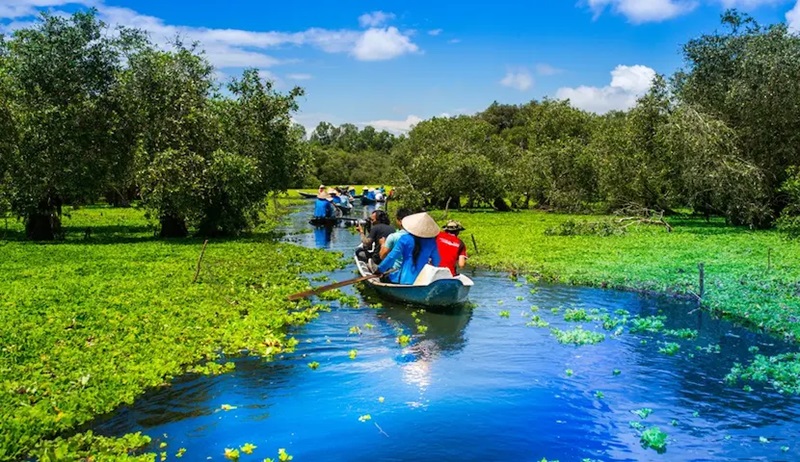
Deep in the heart of the Mekong Delta, Trà Sư Cajuput Forest (Rừng Tràm Trà Sư) stretches like a living emerald carpet. Known as one of Vietnam’s richest wetland reserves, it is especially famous for being a bird paradise, home to thousands of storks, herons, and rare waterfowl. Each boat ride through the green canals reveals a tranquil world where cajuput trees arch overhead and birdcalls echo across the flooded forest. For travelers wondering what unique natural experience to seek in southern Vietnam, Trà Sư offers a perfect blend of biodiversity, serenity, and eco-tourism.

The Charm of Trà Sư Cajuput Forest

Location and Overview

  • Situated in Tinh Bien District, An Giang Province, about 30 km from Chau Doc City.
  • Covers an area of over 850 hectares, forming part of the floodplain ecosystem of the Mekong River.
  • Famous for its dense cajuput trees growing in submerged soil, lotus ponds, and green duckweed carpets.
Tra Su Cajuput Forest Mekong Wetland Nature Reserve

Best Time to Visit

  • Flooding season (September–November): Water levels rise, creating lush waterways ideal for boat trips.
  • Dry season (December–April): Easier access to footpaths, with more birdwatching opportunities as flocks gather.
  • Early morning and late afternoon are prime times for bird activity.
Tra Su Best Visiting Seasons Floods Dry Wildlife

Bird Paradise of the Mekong Delta

Rich Biodiversity

Trà Sư Forest is recognized as a typical wetland ecosystem, housing:

  • Over 70 species of birds, including painted storks, herons, cormorants, and teal.
  • 20 species of reptiles and amphibians.
  • Dozens of fish species thriving in the canals.
  • Diverse aquatic plants and flowers like lotus and water lilies.
Tra Su Wetland Biodiversity Birds Reptiles Aquatic Life

Birdwatching Highlights

  • Storks and herons build nests on treetops during the breeding season.
  • Migratory birds arriving in winter, creating spectacular flocks.
  • Observation towers where visitors can use binoculars to watch thousands of birds returning at sunset.

For ornithologists and nature photographers, Trà Sư is one of the best birdwatching destinations in Vietnam.

Tra Su Birdwatching Paradise Nests Flocks Sunset

What to Experience at Trà Sư Cajuput Forest

Boat Rides Through Green Canals

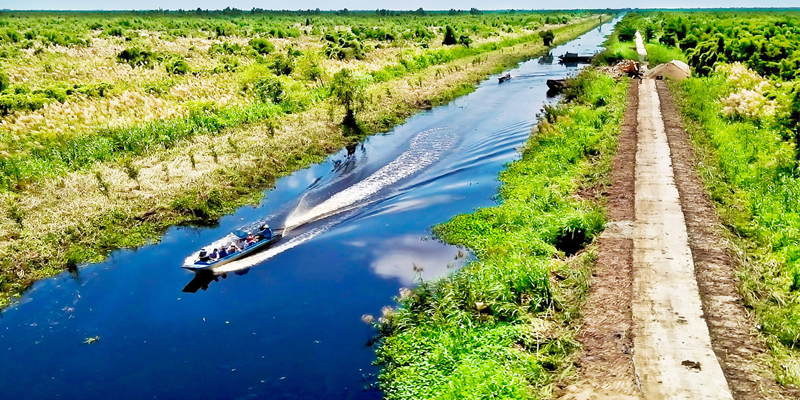
  • Visitors board motorized sampans, then transfer to rowing boats that glide quietly through narrow channels.
  • Floating carpets of duckweed create surreal emerald pathways.
  • Sunlight filtering through cajuput trees paints the water in shifting shades of green and gold.
Tra Su Boat Journey Emerald Duckweed Forest Waterways

Eco-Trails and Observation Towers

  • Wooden walkways allow exploration on foot, perfect for spotting insects, reptiles, and orchids.
  • A tall birdwatching tower offers panoramic views of the entire forest canopy, especially stunning at sunrise or sunset.
Tra Su Walkways Tower Panoramic Forest Views

Local Culture and Cuisine

  • Villages around Trà Sư showcase Khmer and Cham ethnic traditions.
  • Popular dishes include grilled snakehead fish, lotus stem salad, and fresh Mekong fruits.
  • Local honey and herbal teas made from cajuput blossoms are favorite souvenirs.
Tra Su Culture Cuisine Khmer Cham Mekong Flavors

Why Trà Sư Is Special

Ecotourism at Its Best

Unlike busy tourist sites, Trà Sư focuses on sustainable tourism. Boat rides are designed to minimize disturbance, and conservation projects aim to preserve biodiversity while supporting local communities.

Tra Su Sustainable Tourism Conservation Community Balance

Serenity and Mindfulness

Travelers describe the experience as stepping into a natural cathedral. The stillness of water, the whisper of leaves, and the chorus of birdcalls create an atmosphere of meditation and peace.

Photography Haven

  • Morning: Mist over the forest, birds in flight.
  • Afternoon: Golden light on green duckweed, dramatic silhouettes of storks.
  • Drone views: Reveal endless green carpets dotted with white bird flocks.

Planning Your Trip

How to Get There

  • From Ho Chi Minh City: 5–6 hours by car or bus to Chau Doc, then 30 km to Trà Sư.
  • From Chau Doc City: Motorbike or taxi ride (45 minutes).

Entrance and Tours

  • Entrance tickets often include boat rides.
  • Guided eco-tours are recommended for learning about flora and fauna.

Where to Stay

  • Chau Doc City: Hotels near Sam Mountain or Victoria Chau Doc Resort.
  • Homestays near the forest offer rustic charm and local hospitality.
Tra Su Travel Guide Access Tours Stay Tips

Tips for Visitors

  • Bring binoculars for birdwatching.
  • Wear light, long-sleeved clothes to protect from sun and insects.
  • Travel early morning or late afternoon for cooler weather and bird activity.
  • Respect nature: stay quiet, avoid littering, and don’t disturb wildlife.

Conclusion – A Sanctuary of Birds and Peace

The Trà Sư Cajuput Forest is more than a tourist attraction; it is a living sanctuary where birds thrive and travelers reconnect with nature. Gliding silently across emerald canals, spotting rare herons in flight, and watching the forest bathe in golden sunset light is an experience that lingers long after leaving.

For anyone visiting the Mekong Delta, Trà Sư is a must-see — a bird paradise and a reminder of the delicate beauty of Vietnam’s wetlands.
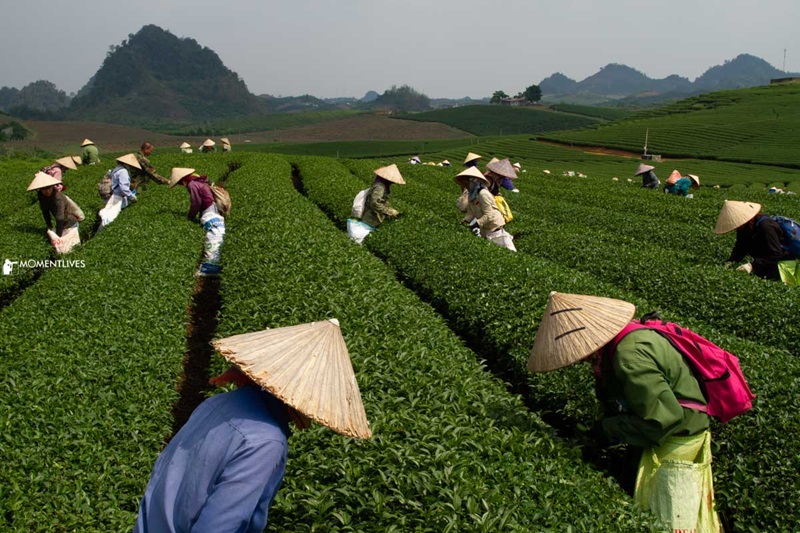
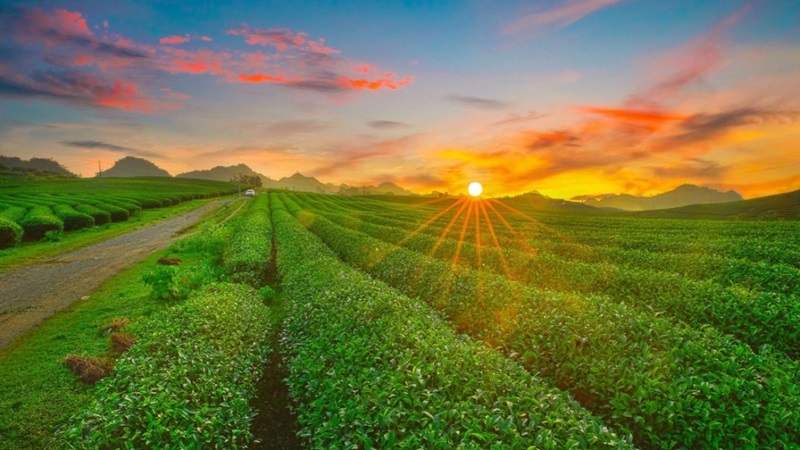
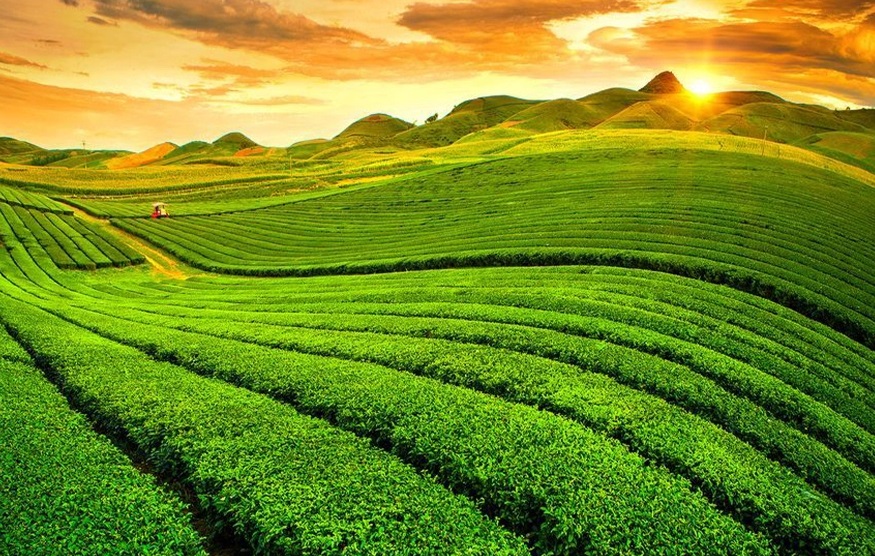
High on Vietnam’s northwestern plateau, Mộc Châu unfurls like a green ribbon of tea. Rows arc and ripple across the hillsides, curving into hearts and spirals that seem designed for a camera’s eye. As the sun sinks behind the mountains, the leaves take on a velvet sheen and the sky blushes from apricot to lilac: a brief, breathtaking transformation. If your question is “Where can I capture the most beautiful sunset photos in Vietnam?” the answer often leads here—Mộc Châu tea hills at golden hour. This guide brings you everything you need to plan, shoot, and savor the moment, from the best seasons and locations to composition tricks, respectful etiquette with farmers, and itinerary ideas that turn a single evening of light into a full, meaningful journey.

Why Mộc Châu Is Made for Sunset Photography

Cradled in Sơn La Province about 200 km west of Hà Nội, Mộc Châu Plateau sits at roughly 1,050 meters above sea level. That elevation buys you cooler air, gentler light, and frequent mists that roll through the valleys in late afternoon—catnip for anyone who loves atmosphere in a landscape shot. The tea itself is the second part of the magic. Because planters have shaped the rows along contours, ridgelines, and terraces, the fields naturally provide leading lines, curves, and repeating patterns that pull a viewer’s gaze straight into the frame.

On many evenings, a thin veil of haze softens distant ridges while the foreground stays crisp and textured. The result is depth: layers of green lines, dusky mountains, and a warm sky. Even when clouds arrive, the tea fields are forgiving—broken sunlight creates patches of brightness that paint the hills in stripes.

Moc Chau Tea Hills Light Mist Leading Lines

When to Go: Seasons, Weather, and Light

Sunset is gorgeous year-round, but each season adds its own personality:

  • Spring (Jan–Mar): Cool, clear air. Plum and peach blossoms bloom in nearby valleys (Pa Phách, Nà Sản), perfect for combining floral foregrounds with green tea. Skies can be pristine after cold fronts.
  • Early Summer (Apr–Jun): Longer golden hours and punchy sunsets. Afternoon convection can build dramatic clouds; brief showers often clear to glowing post-rain color.
  • Late Summer (Jul–Aug): The greenest leaves of the year. Afternoon storms are common—keep rain covers handy—yet storm edges and sunbreaks produce extraordinary light.
  • Autumn (Sep–Nov): Balanced weather, calmer winds, excellent visibility. Fields are lush, and mornings can be misty while evenings glow soft and warm.
  • Winter (Dec): Chilly sunsets with potential valley fog. The light turns crisp and low; silhouettes against pastel skies work beautifully.

Daily timing: Aim to arrive 45–60 minutes before posted sunset. The best moments often occur 10–15 minutes before and after the sun dips—when the sky’s color peaks and a final edge-light sets the leaves aglow. Don’t leave after the disk vanishes; blue hour reflections on waxy tea leaves can be exquisite.

Moc Chau Sunset Seasons Light Timing Guide Photography

Where to Shoot: The Most Photogenic Tea Hills

Heart-Shaped Tea Hill (Đồi chè Trái Tim, Tân Lập)

The Instagram icon of Mộc Châu. Planted in a shallow amphitheater, the heart motif pops from both ground level and drone altitude. Late-afternoon side-light sculpts the heart’s outline; step downslope and use a longer focal length to compress the shape. Small entrance fees are common—carry cash and smile at the attendant.

Best angles:

  • West-facing rim for side-light and leading lines into the heart.
  • Slightly elevated knolls for symmetry.
  • Include a lone figure on the path for scale.
Moc Chau Heart Tea Hill Iconic Photo Spot

Ô Long Tea Hills (đồi chè Ô Long)

Tightly pruned rows form arcs and waves—graphic heaven for patterns and abstracts. The hills undulate more steeply here, so long lenses (70–200mm) compress layers of lines into striking compositions. On hazy days, shoot into the light for a high-key, airy mood.

Moc Chau Tea Patterns Waves Abstract Hills

Tân Lập 1–2–3 (various cooperative farms)

Close to town with convenient access. These fields have broad, sweeping lines and dirt paths that curve elegantly. Great for couples’ portraits at sunset; ask before entering deep rows to avoid damaging young shoots.

Moc Chau Tea Fields Near Town Sunset Portraits

Mộc Sương (private plantation)

Occasionally requires permission; when accessible, it offers tiered terraces with dramatic backdrops. The slopes face multiple directions, helpful for catching cross-light or silhouettes against a flaming sky.

Etiquette: Many tea hills are active farms. Stay on paths, avoid stepping between rows, and ask a farmer or guard before flying a drone. A friendly greeting and a small fee go a long way.

Moc Chau Terraced Tea Hills Access Light Etiquette

The Light: Reading and Shaping It

  • Backlight (sun behind subject): Tea tips glow with translucent edges; perfect for dreamy textures. Expose for highlights (use exposure compensation: –0.3 to –1.0 EV) to avoid blown skies, then lift shadows in post.
  • Sidelight: Carves ridges and reveals leaf texture. Aim for 30–60° sun angle to emphasize curvature.
  • Afterglow: When the sun drops, leaves lose specular glare; colors deepen. Switch white balance to Cloudy (6,000–6,500 K) or manually warm tones to preserve the hue you saw.
Tea Plantation Lighting Backlight Sidelight Afterglow Tips Photography

Gear & Settings: What Works in the Tea Hills

Lenses

  • 16–35mm: Wide sweeps of rows, dramatic skies.
  • 35–85mm: Classic environmental portraits and contextual details.
  • 70–200mm: Layered tele landscapes, compressed curves, silhouettes on ridgelines.
  • Macro (optional): Close-ups of dew on tea buds during blue hour.

Filters

  • Circular Polarizer (CPL): Cuts glare on glossy leaves, deepens sky. Rotate carefully—over-polarization can patch the sky at ultra-wide focal lengths.
  • 3-stop Graduated ND: Holds sky within dynamic range at sunset.
  • Solid ND (6–10 stops): For silky cloud streaks or ghost-free tourist flow—rarely necessary but fun.

Core Settings (start points)

  • Landscape: f/8–f/11, ISO 100–200, shutter per meter reading.
  • Handheld portraits: f/2–f/4 for subject separation, ISO 200–400, 1/250–1/500s.
  • Backlit edges: spot/center-weighted metering on highlights; bracket ±2 EV for insurance.
  • Blue hour: tripod; 1–5s exposures, ISO 100, f/8–f/11.

Stability & Accessories

  • Compact travel tripod (spike feet help on dirt).
  • Lens clothes for mist; rain cover in storm season.
  • Headlamp for the walk back.
Moc Chau Photography Gear Lenses Filters Settings Guide

Composition: Turning Rows into Stories

  • Leading Lines: Use paths as arrows into the frame; let tea rows curve toward your subject (a figure, a tree, the sinking sun).
  • S-Curves: Walk the ridge until curves dance; elevate the camera slightly to reveal separation between lines.
  • Foreground Interest: A tea basket, a single leaf, a stone wall. Focus-stack if needed for tack-sharp depth.
  • Human Scale: Ask a farmer (or companion) to stand along a ridge; silhouettes against a warm sky are powerful.
  • Rule of Thirds vs. Dead Center: Hearts and spirals sometimes sing when centered; otherwise, push the subject to a third and give the curves room to breathe.
  • Color Harmony: Greens pair beautifully with orange skies; avoid clashing clothing if shooting portraits (earth tones or white pop elegantly).

Drone Photography: Elevate the Patterns (Responsibly)

At 40–80 meters AGL, tea hills turn into graphic art. Fly slowly along contour lines for cinematic parallax; yaw gently to reveal spirals or hearts. Keep these in mind:

  • Ask permission from field attendants; never buzz workers.
  • Avoid livestock and homes—keep noise polite.
  • Check local advisories and stay clear of restricted areas or poor weather.
  • Golden rule: If it feels intrusive from the ground, it is intrusive from the air.

People & Culture: Photograph with Respect

The plateau is home to Thái, Mông, and Mường communities alongside Kinh farmers. If you’d like portraits:

  1. Ask with a smile (“Cháu xin chụp ảnh được không ạ?” works wonders).
  2. Offer to share the photo (Airdrop/WhatsApp/print later).
  3. Avoid interrupting harvest or stepping into planted rows.
  4. Say thanks (“Cảm ơn ạ”) and consider buying a small bag of local tea as a gesture.
Moc Chau Portrait Etiquette Respect Local Communities

Quick FAQs

Is sunset better than sunrise in Mộc Châu?

Both are beautiful. Sunset gives warmer color and easier logistics; sunrise can deliver ethereal mist in valleys with gentler crowds.

Can I fly a drone?

Often yes with on-site permission and respectful distance from people, homes, and livestock. Avoid poor weather and heed any posted restrictions.

Do I need a guide?

Not essential for main hills (Tân Lập, Ô Long), but a local fixer/driver saves time, especially if you want lesser-known ridges or private farms.

What if the sky is flat?

Lean into patterns and details: abstracts of tea lines, portraits, macro dew. Overcast can be perfect for people shots and true-to-color greens.

A Final Note on Storytelling

The difference between a pretty picture and a memorable photograph is story. In Mộc Châu, the story is everywhere: a farmer’s hand stained with tea oils, a curved path worn by decades of footsteps, a child racing a bicycle along a ridge, the hush that falls when the sun kisses the horizon. Build your sunset frame around one human detail, one curve, one color—and let the rest of the hill breathe.

Conclusion — Your Moment in the Golden Rows

Sunset on the Mộc Châu tea hills feels like time politely slowing down. The air cools, the light turns to honey, and the rows you’ve walked all afternoon suddenly align into a photograph you’ll keep returning to. Come early. Stay late. Pack light, tread gently, and greet the people who tend these hills as you would neighbors. When the last orange fades to blue and the tea leaves gleam like silk, you’ll know you’ve captured more than a scene—you’ve captured a quiet, highland memory that will outlast the day.

Deep in the heart of Vietnam’s Red River Delta lies Trang An, a landscape often praised as the “Halong Bay on land.” Recognized by UNESCO as the country’s first mixed World Heritage site, Trang An combines spectacular karst scenery with cultural treasures and sacred sites.

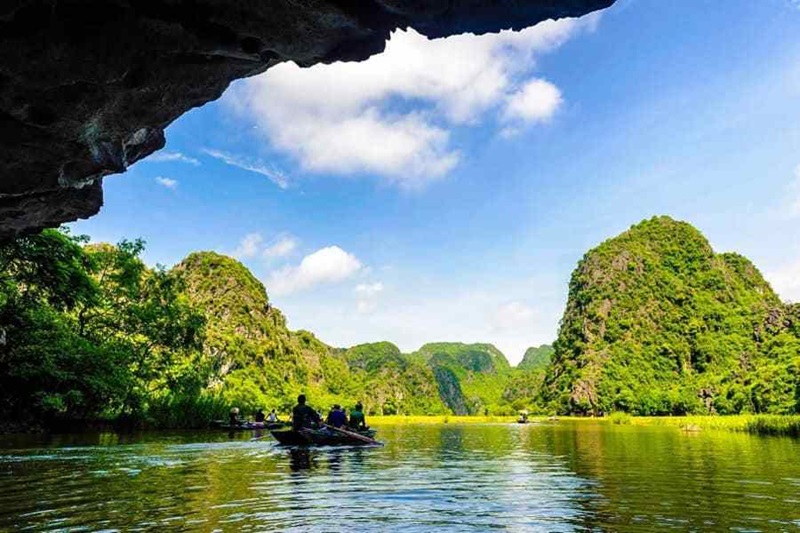
The best way to discover this wonder is by boat. Rowing along tranquil rivers, visitors glide through emerald valleys, pass through mystical caves, and stop at temples that carry the weight of centuries. Trang An is not just a sightseeing trip — it is an immersion into Vietnam’s timeless harmony of nature and culture.

Trang An – The crown jewel of Ninh Binh

Trang An is part of the larger Trang An Landscape Complex covering more than 6,000 hectares. It is often called the “crown jewel” of Ninh Binh because it combines geology, ecology, and heritage in one destination.

  • Location: about 90 km south of Hanoi, easily accessible for day trips.
  • Geology: limestone mountains more than 250 million years old, shaped by weather and rivers.
  • Recognition: UNESCO World Cultural and Natural Heritage since 2014.

This rare status highlights how Trang An preserves both natural beauty and cultural depth.

A serene boat journey

Every visit to Trang An begins with a peaceful boat trip rowed by locals.

Travelers step onto small sampan boats, each carrying four to six people. The river is calm, its surface reflecting towering limestone cliffs. As paddles dip quietly into the water, a sense of peace spreads across the boat. The ride usually lasts two to three hours, long enough to feel both adventure and relaxation.

  • First impression: emerald-green water winding between cliffs.
  • Scenery: valleys filled with reeds and water lilies.
  • Atmosphere: only the sound of birds and the gentle splash of paddles.

This journey sets the tone for everything Trang An represents: serenity and beauty.

Mystical caves to explore

Trang An’s caves are natural wonders that add mystery to the boat journey. Many stretch hundreds of meters long, with cool air and shimmering stalactites.

  • Wine-Brewing Cave (Hang Nấu Rượu): where wine was once made for kings.
  • Dark and Light Caves (Hang Tối – Hang Sáng): shafts of sunlight create magical reflections.
  • Three Drops Cave (Hang Ba Giọt): legend says three drops of water bring good fortune.
  • Dia Linh Cave: where fossils of ancient animals have been found.

Passing through these caves feels like entering secret worlds, each with its own legend.

Sacred temples within Trang An

Between caves and rivers, visitors encounter temples quietly resting in valleys. These sites highlight the area’s spiritual side.

  • Trinh Temple: honoring mountain deities, often visited at the start of the journey.
  • Tran Temple: commemorating Emperor Tran Quy Khoang and heroes of the Tran Dynasty.
  • Khong Palace: dedicated to seven loyal mandarins of the Dinh Dynasty.

The setting — small shrines by the river, surrounded by forest and cliffs — creates a feeling of stepping back in time.

Trang An in film and culture

Trang An is not just a tourist destination; it is also a stage for culture and cinema.

  • Kong: Skull Island (2017) filmed scenes here, showcasing the dramatic karst peaks to the world.
  • Vietnamese historical films often use Trang An as a backdrop for its authenticity.
  • Festivals in the region honor ancient dynasties and local traditions, blending spirituality with performance.

This cultural layer gives travelers more reasons to connect with the landscape.

Best times to visit Trang An

Each season paints Trang An with different colors and moods.

  • Spring (Jan–Mar): festive season with ceremonies and fresh greenery.
  • Summer (Apr–Jun): lotus and water lilies bloom across the wetlands.
  • Autumn (Sep–Oct): mild weather, fewer crowds, and golden sunlight.
  • Winter (Nov–Dec): cool mist creates a mystical, dreamlike atmosphere.

No matter when you visit, the scenery offers unique photo opportunities.

Tastes of Ninh Binh to try

After a boat ride, local cuisine completes the experience. Ninh Binh is famous for rustic dishes that reflect its limestone hills and rivers.

  • Crispy rice (cơm cháy): golden and crunchy, often served with goat meat sauce.
  • Mountain goat dishes: from steamed with ginger to grilled with lemongrass.
  • Eel vermicelli (miến lươn): a hearty noodle dish packed with flavor.
  • Mountain snails: seasonal delicacy, rare and prized by locals.

Dining here connects the journey with flavors unique to the region.

Travel tips for a smooth visit

A few tips help make the Trang An journey more enjoyable:

  • Wear comfortable clothes and shoes for boat rides and temple visits.
  • Bring sunscreen, hats, and water during hot months.
  • Carry a camera or phone to capture reflections, caves, and temples.
  • If possible, travel in smaller groups for a more peaceful experience.

These simple preparations ensure comfort throughout the day.

Conclusion – A timeless heritage journey

Trang An in Ninh Binh is more than just scenery. It is a rare place where geology, ecology, history, and spirituality coexist. Floating down its calm rivers, entering hidden caves, and visiting sacred temples give travelers both peace and inspiration.

Each moment on the river feels like stepping into a living painting — one that blends nature’s majesty with Vietnam’s heritage. For anyone traveling through northern Vietnam, a journey in Trang An is not just recommended, it is essential.

Ho Chi Minh City, still affectionately called Saigon, is Vietnam’s largest metropolis, a place of constant energy where motorbikes weave through traffic and skyscrapers rise above historic streets. In recent years, the city has been preparing for a new chapter in its urban story: the Saigon Metro Line. As Vietnam’s first urban railway project, the metro promises to redefine daily commuting, reduce traffic congestion, and offer travelers a fresh, modern way to experience the city. For those curious about how transportation and lifestyle are changing in Saigon, exploring the metro is not just a ride – it is a cultural and urban experience in itself.

The Birth of the Saigon Metro

Background

The idea of building a metro system in Ho Chi Minh City emerged in the early 2000s, inspired by the success of urban railways in cities like Bangkok, Singapore, and Tokyo. With a population surpassing 10 million and a growing reliance on motorbikes, the city faced severe traffic jams, air pollution, and overloaded infrastructure.

Ho Chi Minh City Metro Origins Urban Transport Vision

Metro Line 1 – The Pioneer

The first line under construction, Metro Line 1 (Ben Thanh – Suoi Tien), stretches nearly 20 km with 14 stations, connecting the bustling city center at Ben Thanh Market with Thu Duc City’s Suoi Tien Theme Park. This line passes through key residential and business districts, universities, and cultural landmarks, making it a backbone of the future metro network.

Ho Chi Minh City Metro Line One Backbone

Future Network

Plans envision at least 8 metro lines covering over 200 km in total, linking urban districts with suburban areas. Once completed, the Saigon Metro will be one of Southeast Asia’s most ambitious transportation systems.

Riding the Saigon Metro – What to Expect

Stations and Design

  • Ben Thanh Central Station: The heart of the network, located beneath the famous market.
  • Opera House Station: Serving the historic French-colonial Opera House area.
  • Hi-Tech Park Station: Linking commuters to Thu Duc’s technology hub.
  • Suoi Tien Station: Gateway to Suoi Tien Theme Park, popular with families and tourists.

Stations combine modern design with cultural touches, featuring local art, efficient layouts, and accessibility for people with disabilities.

Ho Chi Minh City Metro Stations Culture Connectivity

Passenger Experience

  • Air-conditioned trains with clean, spacious seating.
  • Automated ticketing systems similar to those in Tokyo and Seoul.
  • Electronic maps and multilingual announcements in Vietnamese and English.
  • Safety features including surveillance cameras and platform screen doors.

For daily commuters, the metro provides speed and comfort. For visitors, it offers a chance to view Saigon from a fresh perspective, moving smoothly above and below the chaotic streets.

Ho Chi Minh City Metro Modern Comfort Safety

How the Metro Changes Daily Life

For Locals

  • Time saving: A trip that once took an hour by motorbike could be reduced to 20 minutes.
  • Eco-friendly: Trains run on electricity, helping reduce pollution.
  • Affordable: Ticket prices are expected to be comparable to bus fares.
  • Safer travel: Reduces risks associated with motorbike accidents.

For Tourists

  • Easy access to attractions such as Ben Thanh Market, the Opera House, the Saigon Zoo, Suoi Tien Theme Park, and university campuses.
  • A modern alternative to taxis and ride-hailing apps.
  • A chance to explore neighborhoods less visited by tourists.
Ho Chi Minh City Metro Benefits Locals Tourists

Cultural and Social Impact

Redefining Urban Identity

For a city known for its motorbike culture, the metro represents modernization and progress. It introduces new habits, from queuing in stations to electronic ticketing, signaling a shift toward global urban standards.

Saigon Metro Symbol of Modern Urban Transformation

Boost to Tourism

Like Bangkok’s BTS or Singapore’s MRT, the Saigon Metro is expected to become a tourist attraction in itself. The novelty of riding Vietnam’s first metro line, combined with easy access to cultural landmarks, will draw visitors curious about the city’s transformation.

Economic Development

Areas around stations are witnessing growth in real estate, retail, and services. A “metro lifestyle” is emerging, where businesses thrive thanks to increased foot traffic and better connectivity.

Metro Stations Drive Real Estate Retail Urban Growth

Challenges and Lessons

Construction Delays

Metro Line 1 has faced delays due to funding, technical issues, and the complexity of urban construction. Though initially scheduled to open earlier, the line is now expected to begin operation soon, after extensive testing.

Public Adaptation

Many Saigonese are accustomed to motorbikes. Adapting to a public transit culture requires education and trust in the system’s reliability and safety.

Lessons from Abroad

Cities like Bangkok and Jakarta show that patience and continuous investment are crucial. Once established, metro systems gradually gain popularity and reshape transportation habits.

Exploring Saigon with the Metro

Suggested Metro Journeys

  1. Ben Thanh Market → Opera House: From bustling local life to French-colonial charm.
  2. Ben Thanh → Zoo Station: A family trip combining shopping and wildlife exploration.
  3. Opera House → Suoi Tien Theme Park: From cultural performances to amusement rides.
  4. University District → Ben Thanh: Easy commuting for students exploring the city center.

Combining with Other Experiences

  • Pair your metro journey with a street food tour, hopping off stations near popular food streets.
  • Visit art galleries, museums, and shopping malls conveniently connected to metro stops.
  • Capture unique photos of Saigon’s skyline from elevated sections of the track.
Suggested Saigon Metro Journeys Routes Food Culture Photos

Why the Saigon Metro Is a Different Experience

Unlike buses or motorbikes, the metro offers a new way of seeing Saigon:

  • Smooth, quiet, and air-conditioned rides above the traffic chaos.
  • A sense of global connection, reminding passengers of systems in Tokyo, Seoul, or Paris.
  • A chance to experience both the modern and traditional faces of the city, as the train passes temples, markets, skyscrapers, and residential neighborhoods.

For both locals and travelers, the Saigon Metro is not just a transportation tool – it is a cultural shift, a different urban experience that redefines how the city moves and breathes.

Saigon Metro New Way to Experience the City

Conclusion – Riding into the Future

The Saigon Metro Line marks a turning point in Vietnam’s urban development. More than a practical solution to congestion, it is a symbol of modernization, sustainability, and cultural integration. For residents, it brings convenience and safety. For visitors, it offers a unique way to explore the city’s contrasts – ancient and modern, chaotic and orderly.

As the trains roll through tunnels and across bridges, passengers are not just traveling from one station to another; they are witnessing the transformation of Saigon itself. Riding the metro, in many ways, is riding into the future of Vietnam.

Da Lat, the “City of Eternal Spring” in Vietnam’s Central Highlands, has long been a favorite escape for travelers seeking cool weather, French-colonial charm, and romantic scenery. But beyond its lakes and flower gardens, Da Lat has become a rising destination for meditation and yoga retreats. Hidden in the pine-covered hills, these resorts provide the perfect environment for those looking to slow down, reconnect with themselves, and embrace mindfulness practices. For anyone asking where to find tranquility in Vietnam, the answer lies in Da Lat’s meditation and yoga resorts – peaceful sanctuaries where body, mind, and spirit are harmonized amid nature.

Why Da Lat Is Ideal for Meditation and Yoga

The Healing Environment

  • Cool climate: With temperatures averaging 15–24°C year-round, Da Lat offers refreshing air ideal for outdoor meditation and yoga.
  • Natural surroundings: Pine forests, flower valleys, waterfalls, and mountains create a calm, grounding atmosphere.
  • Silence of the highlands: Away from bustling cities, Da Lat provides the quiet needed for deep concentration and inner peace.
Cool climate and nature create ideal retreat atmosphere

Cultural Resonance

Vietnam has long traditions of Buddhism, meditation, and holistic practices. Da Lat, with its many pagodas, monasteries, and wellness communities, naturally supports retreats focused on mindfulness and healing.

Da Lat supports mindfulness retreats through Buddhist traditions

What to Expect at a Meditation & Yoga Resort in Da Lat

Daily Routines

Most resorts follow a rhythm designed to nurture the body and soul:

  • Morning meditation at sunrise to awaken clarity.
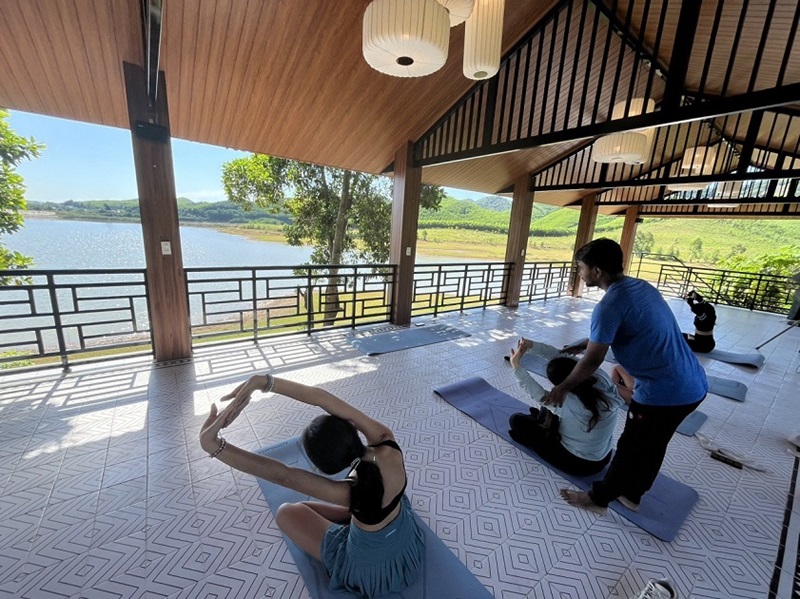
  • Yoga sessions in open-air studios with forest or mountain views.
  • Mindful vegetarian meals made from local organic produce.
  • Afternoon workshops on breathing techniques, sound healing, or herbal therapies.
  • Evening sessions of guided meditation, chanting, or sharing circles.
Daily retreat rhythm nurturing body, mind, and soul

Facilities

  • Eco-friendly bungalows or villas built with wood and stone.
  • Outdoor yoga decks surrounded by pine trees.
  • Herbal spa and steam rooms.
  • Zen gardens, lotus ponds, and tea houses.

Community Vibes

Guests often join as strangers but leave as friends. Shared experiences of silence, reflection, and yoga foster meaningful connections.

Shared silence and yoga create lasting friendships together

Notable Meditation & Yoga Retreats in Da Lat

1. Zen Valley Da Lat

A resort nestled in a pine-covered valley, Zen Valley offers yoga classes, meditation workshops, and wellness programs. Its wooden villas overlook lush gardens, and the infinity pool adds relaxation after a yoga session.

Pine valley wellness resort with yoga and meditation

2. An Lạc Retreat

Focused on mindfulness, An Lạc Retreat combines yoga with traditional Vietnamese therapies. Guests enjoy vegetarian meals, tea meditation, and mountain-view yoga decks.

Mindfulness retreat blending yoga and Vietnamese healing traditions

3. Tịnh Tâm Wellness Lodge

A boutique retreat offering customized yoga packages, Tịnh Tâm emphasizes silence and simplicity. Its location near waterfalls allows guests to meditate with the sound of flowing water.

Boutique silent yoga retreat near waterfalls

4. Da Lat Yoga House

More casual but highly popular, this community-oriented center offers daily yoga classes, weekend meditation workshops, and affordable stays.

Popular community yoga center with affordable stays

Activities Beyond Yoga and Meditation

Nature Immersion

  • Walks through pine forests at dawn.
  • Visit Elephant Falls or Pongour Falls, meditating by the sound of rushing water.
  • Cycling around Tuyen Lam Lake or Xuan Huong Lake for mindful movement.
Mindful nature experiences through forests, waterfalls, and lakes

Wellness Experiences

  • Herbal baths using local plants.
  • Vietnamese traditional massage.
  • Cooking classes featuring vegetarian cuisine.

Cultural Exploration

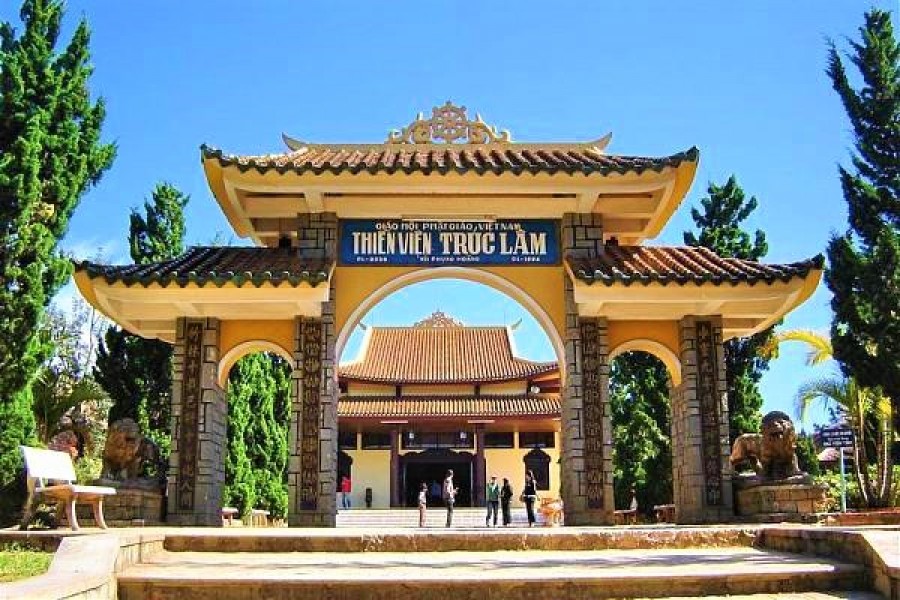
  • Visit pagodas such as Trúc Lâm Zen Monastery, one of Vietnam’s largest meditation centers.
  • Explore local flower farms and organic gardens.
  • Participate in tea ceremonies guided by local monks.
Mindful activities connecting nature, culture, and meditation

The Benefits of a Retreat in Da Lat

Physical Benefits

  • Improved flexibility and posture from daily yoga.
  • Detoxification through healthy meals and herbal treatments.
  • Better sleep quality due to clean mountain air and structured routines.

Mental Benefits

  • Stress relief from disconnecting with technology.
  • Clarity of mind through meditation and silence.
  • Emotional balance by reconnecting with oneself.

Spiritual Benefits

  • Deeper connection with nature.
  • Insights from Buddhist teachings and local traditions.
  • A sense of inner harmony that travelers often carry home.
Physical, mental, and spiritual benefits of Da Lat retreats

Planning Your Meditation & Yoga Trip to Da Lat

When to Visit

  • October to March: Cool and dry, ideal for outdoor sessions.
  • April to June: Flower season with vibrant gardens.
  • July to September: Rainy but peaceful, perfect for deep retreats.

How to Get There

  • From Ho Chi Minh City: 6–7 hours by car or 50-minute flight.
  • From Hanoi: 1.5-hour flight to Lien Khuong Airport, then 30 km to Da Lat.

What to Pack

  • Comfortable yoga clothes and layers for cool evenings.
  • Meditation cushion if preferred.
  • Journal for reflections.
  • Light rain jacket in rainy months.
Best time, travel tips, and essentials for Da Lat retreats

Tips for a Meaningful Experience

  • Unplug: Limit phone and internet use to fully immerse in mindfulness.
  • Stay at least 3–5 days: Enough time to feel the transformation.
  • Join group activities: Sharing circles and guided meditations enhance the journey.
  • Respect silence: Some retreats encourage silent hours for deeper focus.

Why Choose Da Lat for Your Retreat?

Unlike busy beach resorts or city-based wellness centers, Da Lat offers something rare:

  • A natural sanctuary of mountains, lakes, and forests.
  • Cultural authenticity with strong Buddhist traditions.
  • A growing community of international and local yogis, healers, and practitioners.

For travelers seeking more than sightseeing, Da Lat provides not just a destination but a path to renewal.

Da Lat: mountain sanctuary for authentic spiritual renewal

Conclusion – Serenity Among the Pines

The meditation and yoga resorts of Da Lat are more than just places to stay – they are sanctuaries for the soul. Here, in the silence of pine forests and the cool embrace of mountain air, travelers rediscover balance and inner peace. Whether practicing yoga at sunrise, meditating by a lotus pond, or sharing tea with fellow seekers, the experience leaves lasting impressions.

For anyone searching for healing and mindfulness in Vietnam, Da Lat offers the perfect retreat: a place where the body is energized, the mind is calmed, and the spirit is reawakened.

Every autumn, the rugged mountains of Northwest Vietnam are transformed into a dreamlike landscape carpeted with buckwheat flowers. Known locally as hoa tam giác mạch, these delicate pink, white, and purple blossoms have become a symbol of the region’s charm. For travelers asking when and where to admire buckwheat flower fields in Vietnam, the answer is simple: head north during the fall, when the highlands of Ha Giang and surrounding provinces burst into bloom. This journey is not only about breathtaking scenery but also about connecting with the unique culture, traditions, and cuisine of ethnic minorities who call these mountains home.

The Origin and Symbolism of Buckwheat Flowers

A Highland Treasure

Buckwheat (Fagopyrum esculentum) is not originally from Vietnam; it was introduced centuries ago as a hardy crop grown by ethnic communities such as the H’mong. In the harsh, rocky soil of the northern mountains, buckwheat thrives where rice and corn cannot. For generations, it has been a staple food source, ground into flour for porridge, bread, or even wine.

Symbolism

Beyond its practical use, buckwheat carries symbolic meaning in local culture:

  • Resilience: Growing in barren landscapes, it represents strength and perseverance.
  • Beauty in simplicity: Tiny blossoms form vast, colorful carpets, reflecting the harmony of community life.
  • Romance: In Vietnamese poetry and songs, buckwheat fields are often associated with love, youth, and innocence.

When Do Buckwheat Flowers Bloom?

The buckwheat season in Northwest Vietnam lasts from October to late December. The flowers change color as they mature:

  • Early bloom (October): Soft white blossoms cover the hillsides.
  • Mid-season (November): Flowers turn light pink and lavender, creating pastel landscapes.
  • Late bloom (December): Deep purple and crimson shades dominate, offering dramatic scenery before winter arrives.

For photography and travel, the peak season is mid-November, when the fields display the most vivid colors.

Where to See Buckwheat Flower Fields in Northwest Vietnam

Ha Giang – The Capital of Buckwheat Beauty

Ha Giang Province, often called the “kingdom of buckwheat flowers,” is the most famous destination for this seasonal bloom. Highlights include:

  • Dong Van Karst Plateau: UNESCO Global Geopark with fields stretching along limestone valleys.
  • Lung Cu Flag Tower: The northernmost point of Vietnam, where flowers spread below the national landmark.
  • Ma Pi Leng Pass: Buckwheat fields contrast dramatically with one of the most stunning mountain passes in Asia.
  • Pho Cao and Sung La Valleys: Villages where ethnic H’mong people live amidst seas of blossoms.
Ha Giang: buckwheat flower landscapes across iconic highlands

Other Provinces to Explore

  • Lao Cai (Sapa, Bac Ha): Famous for terraced rice fields, but autumn also brings scattered buckwheat patches.
  • Yen Bai (Mu Cang Chai): Known for golden rice terraces in September, followed by buckwheat fields in late October.
  • Cao Bang: Offers smaller but equally charming flower valleys near Ban Gioc Waterfall.

What to Experience in Buckwheat Flower Fields

Photography Paradise

  • Fields resemble giant pink-purple carpets stretching across valleys.
  • Morning and sunset provide the best light for photos.
  • Traditional houses, stone fences, and ethnic costumes make perfect backdrops.

Cultural Encounters

Visiting the fields often includes meeting ethnic groups like the H’mong, Dao, and Tay. Travelers can witness traditional weaving, embroidery, and enjoy local markets.

Festivals

Every year, Ha Giang hosts the Buckwheat Flower Festival in November. Activities include folk games, music, dance, cuisine fairs, and contests for the best buckwheat dishes. The festival not only attracts tourists but also celebrates cultural pride among local people.

Buckwheat in Local Cuisine

Traditional Dishes

  • Buckwheat Cake (bánh tam giác mạch): Made from buckwheat flour, steamed or baked, with a nutty flavor.
  • Buckwheat Wine: A unique spirit distilled by H’mong people, often served during festivals and family gatherings.
  • Buckwheat Tea: Mild, toasty tea made from roasted seeds, believed to have health benefits.

Culinary Symbolism

Eating buckwheat in the very fields where it grows offers travelers a deeper appreciation of how local people turn hardship into creativity. It is both sustenance and a cultural identity.

Planning a Trip to See Buckwheat Flowers

How to Get There

  • From Hanoi to Ha Giang: 6–8 hours by car or bus. Overnight buses are common.
  • Exploring Ha Giang: Motorbikes are the best way to reach remote valleys and passes, though private cars with local guides are also available

Best Travel Routes

  • Ha Giang Loop (3–5 days): Dong Van – Lung Cu – Ma Pi Leng – Meo Vac.
  • Combination Trips: Extend your journey to Sapa, Mu Cang Chai, or Cao Bang for diverse landscapes.

Accommodation

Options range from homestays in ethnic villages to boutique hotels in Dong Van and Ha Giang City. Staying with local families enhances cultural immersion.

Tips for Travelers

  • Wear comfortable shoes and layered clothing; the weather can shift quickly in the mountains.
  • Support local communities by buying handmade crafts or tasting their dishes.
  • Ask for permission before taking close-up portraits of locals.
  • Travel responsibly: avoid stepping on flowers or leaving litter in the fields.

Why You Shouldn’t Miss the Buckwheat Season

  • Unique Landscapes: No other season transforms the rocky northern highlands into such colorful gardens.
  • Cultural Depth: The flowers are intertwined with the lives, songs, and traditions of ethnic people.
  • Photographic Opportunities: From drone shots of valleys to portraits in traditional clothes, the fields offer endless creativity.
  • Festive Atmosphere: The Buckwheat Flower Festival combines art, food, and community spirit, making the trip more than just sightseeing.

Conclusion – Memories Among the Blossoms

The buckwheat flower fields of Northwest Vietnam are more than seasonal scenery; they are living canvases of culture, resilience, and natural beauty. Each autumn, they invite travelers into a world where rugged mountains soften under blankets of blossoms, and where local traditions bloom alongside the flowers themselves.

For anyone seeking a unique experience in Vietnam, standing in a sea of buckwheat flowers while the autumn sun dips behind limestone peaks is unforgettable. It is not only a journey into nature but also into the heart of Vietnam’s highland culture.

Hoi An, a UNESCO World Heritage Site in central Vietnam, is world-famous for its ancient architecture, lantern-lit streets, and timeless riverside charm. But beyond its historic alleys, this enchanting town has another gem that leaves visitors in awe: the Hoi An Memories Show. Touted as Vietnam’s biggest outdoor cultural spectacle, it brings together dazzling light technology, large-scale choreography, traditional music, and modern stage design to tell the story of Hoi An’s 400-year history. For travelers asking what cultural experience they must not miss in Hoi An, the answer is simple: spend an evening immersed in the Hoi An Memories Show – where history and legend come alive through light and art.

The Origins of the Hoi An Memories Show

The idea for the Hoi An Memories Show was born in 2017 as part of the Hoi An Impression Theme Park project. Officially launched in March 2018, the show aimed to highlight Hoi An not only as a tourist destination but also as a living stage for Vietnam’s heritage.

Located on an artificial island in the Thu Bon River, the venue was designed with a gigantic stage covering 25,000 square meters – larger than many stadiums. With more than 500 performers, thousands of costumes, and state-of-the-art lighting systems, the Hoi An Memories Show quickly gained recognition as one of Asia’s most impressive cultural performances.

It was not just built for entertainment. The creators wanted the show to become a cultural ambassador for Hoi An, reviving stories of ancient trading routes, royal marriages, folk legends, and daily life on the riverbanks.

Hoi An Memories Show: a grand living cultural stage

Why the Hoi An Memories Show Stands Out

1. The Scale of Production

Unlike conventional theater, the Hoi An Memories Show is staged outdoors under the open sky. The natural environment becomes part of the stage: the Thu Bon River reflects colorful lights, trees and bridges provide natural backdrops, and even the night breeze adds authenticity. The sheer scale of the performance – both in size and manpower – makes it the largest outdoor show in Vietnam.

2. Advanced Technology

The show employs 3D mapping, LED systems, underwater lighting, and moving platforms. Thousands of spotlights and projectors are synchronized with sound effects and music. This transforms the entire island into a gigantic canvas of light, turning history into a vivid movie in real life.

https://danangfantasticity.com/wp-content/uploads/2025/09/man-1-sinh-menh-show-dien-ky-uc-hoi-an-hoian-memory-show-02-1-1024×576.jpg

3. Artistic Storytelling

Rather than simply narrating events, the Hoi An Memories Show tells stories through dance, theatrical performance, music, and visual art. Each chapter blends historical facts with folklore, making the show not only informative but also emotionally captivating.

History and folklore told through immersive performance art

4. International Appeal

Though deeply rooted in Vietnamese culture, the show is designed for global audiences. There is no heavy reliance on language; instead, it communicates through universal art forms – visuals, movement, and music – making it easy for international travelers to understand and enjoy.

Universal visual storytelling designed for global audiences

The Five Chapters of the Show

1. Life

  • Focuses on Hoi An’s humble beginnings as a small fishing village.
  • Fishermen cast nets, women weave, and children play by the riverside.
  • The stage depicts the harmony between humans and nature, portraying the resilience of early settlers.

2. Wedding

  • Inspired by the royal marriage between Princess Huyen Tran of Vietnam and King Che Man of Champa in the 14th century.
  • This union symbolizes peace, diplomacy, and cultural exchange.
  • The performance is highlighted by elaborate costumes, traditional Cham dances, and symbolic rituals.

3. Boat and Sea

  • Portrays the golden era of Hoi An as a bustling international port from the 16th to 18th centuries.
  • Merchant ships from Japan, China, India, and Europe arrive with goods such as silk, ceramics, and spices.
  • The choreography brings to life the atmosphere of trade, diversity, and prosperity.

4. Lights and Colors

  • A celebration of Hoi An’s iconic lanterns.
  • Performers carry hundreds of glowing lanterns across the stage, creating a dreamlike spectacle.
  • This chapter reflects how Hoi An became known worldwide as the “City of Lanterns.”

5. Integration and Development

  • The grand finale showcases Hoi An’s modern identity – a city open to the world while preserving its roots.
  • It highlights Vietnam’s integration into global culture and tourism, ending with a dazzling explosion of light and music.

Experiencing the Show as a Traveler

Location

The performance takes place at Hoi An Impression Theme Park, located on a small island of the Thu Bon River. It is just 1 km from the Ancient Town, making it easily accessible by bike, taxi, or shuttle.

Showtimes

The show typically begins at 7:30 PM and lasts for around 70 minutes. The timing allows visitors to explore Hoi An during the day and enjoy the performance at night.

Ticket Types

  • Standard seats: Basic view, affordable price.
  • High-class seats: Better visibility, more comfort.
  • VIP seats: Closest view, free drinks, priority check-in, and sometimes behind-the-scenes tours.

Best Season to Visit

The show runs year-round, but the best time is during the dry season (March–August) when the skies are clear, ensuring perfect visibility.

Cultural Significance of the Hoi An Memories Show

The show is more than a tourist attraction; it is a living museum of Vietnamese heritage.

  • Preservation of History: By dramatizing past events, the show keeps Hoi An’s stories alive for future generations.
  • Promotion of Identity: Lanterns, traditional áo dài costumes, and folk dances strengthen the city’s cultural image.
  • Community Involvement: Many of the 500 performers are locals, turning the show into a source of pride and livelihood for the community.

For both Vietnamese audiences and international visitors, the Hoi An Memories Show is a bridge between history and the present.

A living museum preserving Hoi An’s cultural identity

Behind the Scenes – The Making of the Show

Costumes

Hundreds of costumes are handmade, reflecting different eras – from ancient Champa outfits to Nguyen dynasty royal robes and modern áo dài. Each design is historically researched to ensure authenticity.

Performers

Over 500 actors and dancers take part, trained for months in synchronized choreography. Many are from Hoi An and nearby areas, which adds authenticity and community spirit to the show.

Stage Design

The stage includes bridges, rivers, boats, and even real animals like buffalos. Props are life-sized, and lighting is mapped to enhance their realism.

Technology

The combination of sound effects, underwater lights, smoke, fire, and lasers makes the performance cinematic. The audience often feels like they are watching a live film rather than a stage play.

Cinematic live performance using sound, light, fire effects

Combining the Show with a Hoi An Trip

Daytime Activities

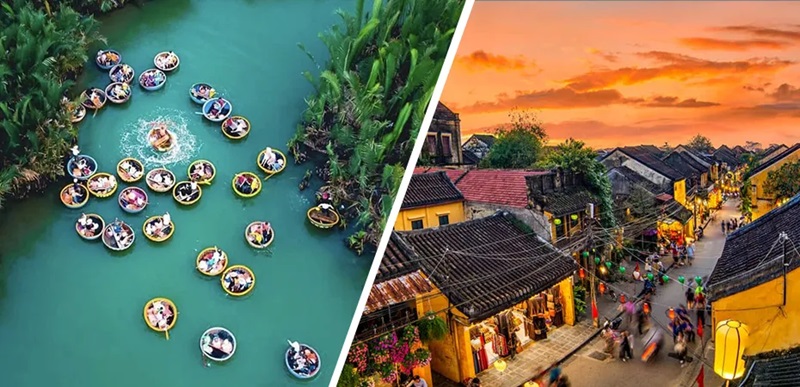
  • Explore the Ancient Town, with highlights such as the Japanese Covered Bridge, Phung Hung Ancient House, and Quan Cong Temple.
  • Enjoy a boat ride on the Thu Bon River.
  • Visit local tailor shops for custom-made clothes.

Evening Plan

  • Have dinner in the Ancient Town – try local dishes like cao lầu, mì Quảng, or white rose dumplings.
  • Attend the Hoi An Memories Show at 7:30 PM.
  • End the evening with a lantern release on the river, symbolizing wishes for luck and peace.
Perfect Hoi An evening: dinner, show, lantern wishes

This combination allows visitors to experience Hoi An’s history, cuisine, and art in one unforgettable day.

Why You Shouldn’t Miss the Hoi An Memories Show

  1. Unique in Vietnam: No other city has a performance of this scale and sophistication.
  2. Immersive Experience: It blends history, art, and cutting-edge technology.
  3. Cultural Insight: It explains Hoi An’s heritage in an engaging way.
  4. Emotional Journey: From love stories to trade prosperity, the show evokes deep emotions.
  5. Perfect for All Audiences: Whether families, couples, or solo travelers, the show appeals to everyone.

Travel Tips

  • Book tickets early, especially during festivals or weekends.
  • Arrive 30–45 minutes early to explore the Impression Theme Park.
  • Dress comfortably as the show is outdoors; bring a light jacket in winter.
  • Respect performers by avoiding flash photography.
  • Combine with local food tours for a full evening experience.

Conclusion – A Night to Remember

The Hoi An Memories Show is more than a stage performance; it is a spectacular journey through 400 years of history. By fusing traditional culture with modern technology, it creates a one-of-a-kind artistic experience that defines Hoi An as not just a heritage town but also a cultural innovation hub.

For travelers, it is the perfect way to end a day in Hoi An – standing by the Thu Bon River, under the starry sky, watching history unfold through music, lights, and dance. Long after the show ends, the memories linger, making it one of the most unforgettable cultural experiences in Vietnam.

Hue, the poetic former imperial capital of Vietnam, sits gracefully on the banks of the Perfume River. Known for its majestic citadel, royal tombs, and pagodas, Hue is also considered the culinary heart of Vietnam. Unlike other cities that emphasize either luxury dining or street food, Hue presents both worlds in harmony: elegant royal cuisine crafted for kings and humble folk dishes enjoyed in markets and family homes.

Visitors often ask: what to eat in Hue to capture its essence? The answer requires tasting both categories – from a lavish royal banquet with symbolic dishes to a bowl of mussel rice or beef noodle soup at a noisy local market. Hue’s cuisine is more than food; it is a cultural narrative that tells the story of emperors and commoners alike.

The Dual Soul of Hue Cuisine

Hue’s food culture reflects the city’s history as the Nguyen dynasty’s capital for over a century. While royal chefs perfected their art in the Forbidden Purple City, ordinary people in villages and markets created rustic but equally delicious dishes.

This duality makes Hue unique in Vietnam:

  • Royal Cuisine (ẩm thực cung đình): Luxurious, symbolic, artfully presented, often reserved for emperors and aristocrats.
  • Folk Cuisine (ẩm thực dân gian): Simple, resourceful, and flavorful, crafted from everyday ingredients like rice, herbs, and seafood from the Perfume River and nearby lagoons.

To truly understand Hue, one must eat like both a king and a commoner.

Hue cuisine blends royal elegance and rustic tradition

Royal Cuisine of Hue – Elegance on the Plate

History and Significance

Royal cuisine emerged during the Nguyen dynasty (1802–1945). The emperors demanded not only nourishment but also artistic presentation and symbolic meaning. Meals were seen as a reflection of imperial power and refinement. It is said that the royal chefs had to invent over 50 new dishes per month to keep the emperor entertained, resulting in a repertoire of hundreds of unique recipes.

 Nguyen dynasty shaped refined and symbolic royal cuisine

Key Features of Royal Cuisine

  • Premium Ingredients: Only the freshest seafood, finest cuts of meat, and rare herbs were used.
  • Complex Preparation: Multiple cooking methods such as steaming, simmering, and slow braising combined in one dish.
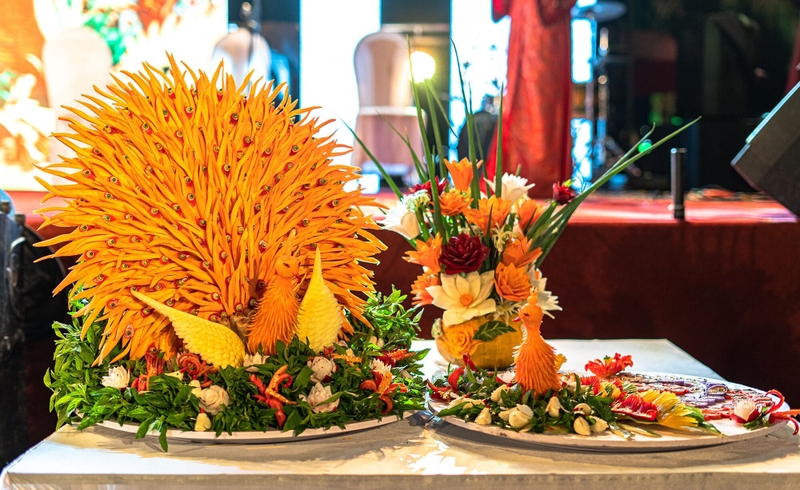
  • Artistic Presentation: Dishes shaped into dragons, phoenixes, flowers, and landscapes.
  • Symbolism: Food was associated with prosperity, longevity, fertility, or harmony.
Royal Hue cuisine: premium ingredients, artistry, symbolism, complexity

Famous Royal Dishes

  1. Nem công, chả phượng: Legendary dishes symbolizing the emperor’s majesty. Though modern versions use substitutes, the taste remains refined and aromatic.
  2. Royal sweet soups (chè cung đình): Hue is famous for its variety – lotus seed with longan, roasted pork wrapped in tapioca served in syrup, taro sweet soup, and more. Each type offers a balance of sweetness and fragrance.
  3. Bird’s nest and shark fin: Luxury ingredients that signified wealth and privilege.
  4. Phu thê cake: A dessert representing loyalty and prosperity, once served at royal weddings.
  5. Royal meal (cơm vua): A full banquet with dozens of small portions, displayed in porcelain bowls on golden trays. A single meal could contain up to 50 different dishes.
Iconic royal Hue dishes symbolizing luxury and refinement

Experiencing Royal Meals Today

In modern Hue, many restaurants recreate the “royal dining experience.” Visitors can wear emperor or empress costumes, listen to Nhã nhạc cung đình Huế (Hue royal court music) – a UNESCO heritage – and dine on elaborately prepared dishes. The experience is theatrical, immersive, and cultural, allowing travelers to step back into the grandeur of the Nguyen dynasty.

Modern Hue recreates immersive royal dining experiences today

Hue Market Food – Rustic but Flavorful

The Role of Folk Cuisine

If royal meals highlight sophistication, folk cuisine shows resourcefulness. Ordinary people used humble ingredients – leftover rice, river mussels, banana leaves – but turned them into iconic dishes. Hue is known for having more than 1,000 kinds of traditional dishes, many of which originated in local markets.

Must-Try Market Foods

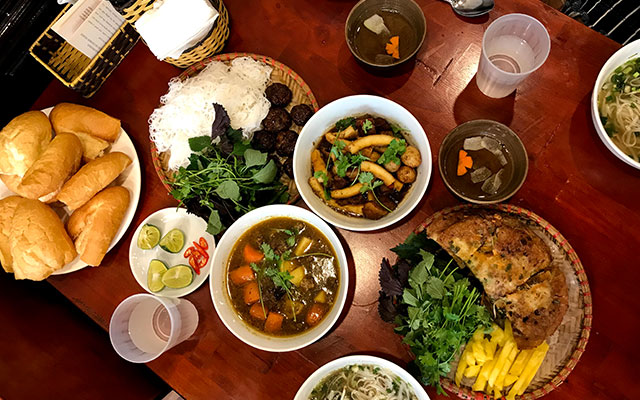
  1. Bún bò Huế (Hue beef noodle soup): Perhaps Hue’s most famous export. A spicy broth flavored with lemongrass, annatto oil, shrimp paste, beef bones, and chili creates an unforgettable taste. Served with thick noodles, beef shank, pork knuckles, and fresh herbs.
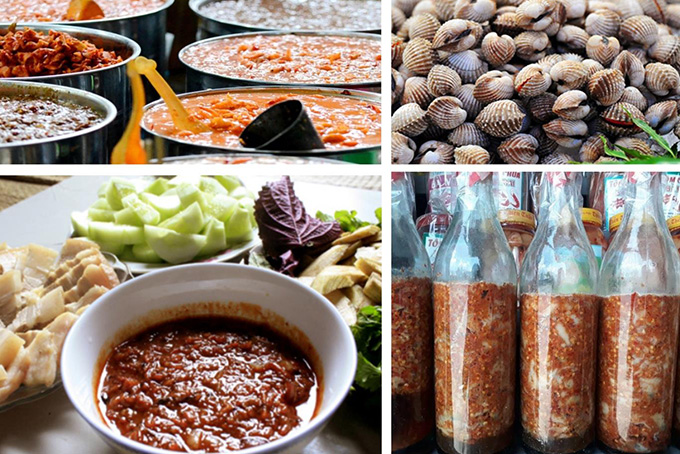
  2. Cơm hến (mussel rice): A true “poor man’s dish” transformed into a delicacy. Cold rice mixed with sautéed baby mussels, crunchy peanuts, fried pork skin, and herbs, topped with pungent shrimp paste. Cheap, filling, and full of flavor.
  3. Bánh bèo, bánh lọc, bánh nậm: Steamed rice cakes with shrimp, pork, or mung beans. Eaten with sweet chili fish sauce. These small dishes are often enjoyed as snacks or light meals.
  4. Bánh khoái: A crispy rice pancake filled with pork, shrimp, and bean sprouts. Eaten with a special thick peanut sauce.
  5. Bún thịt nướng: Vermicelli noodles topped with grilled pork, herbs, and fish sauce. A simple dish packed with fresh flavors.
  6. Cháo bột cá lóc: Snakehead fish porridge, comforting and nourishing, popular among locals.
  7. Chè Huế (Hue sweet soups): Hue is considered Vietnam’s sweet soup capital. Favorites include corn pudding (chè bắp), lotus seed soup, taro soup, and mixed jelly desserts.
Iconic Hue street foods showcasing bold local flavors

Hue’s Vibrant Markets

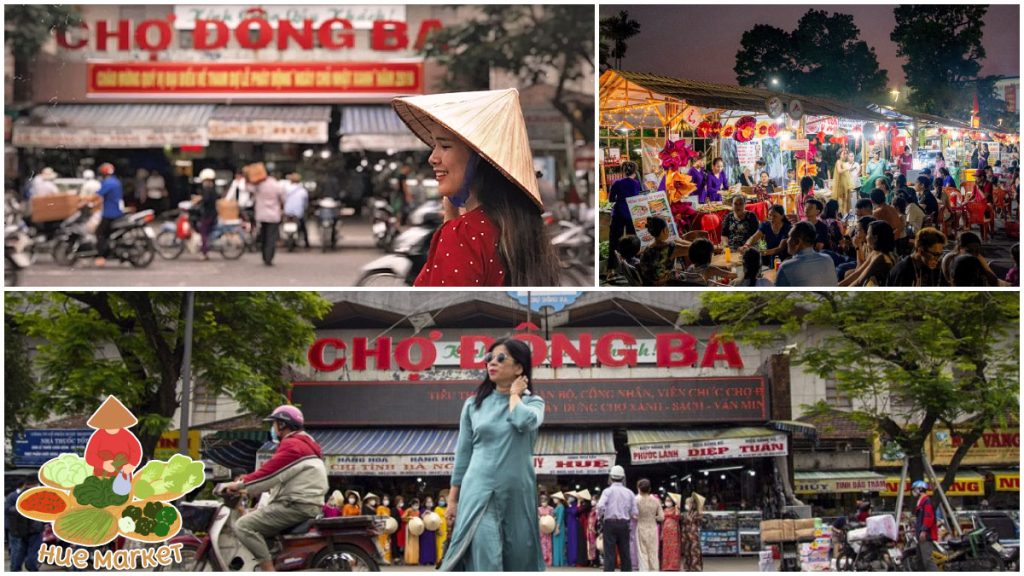
  • Dong Ba Market: The most famous market, offering everything from street food to handicrafts.
  • An Cuu Market: Known for cheap, authentic local dishes.
  • Ben Ngu Market: A smaller market but full of charm, where locals shop daily.

Eating at these markets means not only tasting delicious dishes but also immersing yourself in Hue’s daily life – the chatter of vendors, the colors of fresh produce, and the fragrance of steaming broths.

Local markets offering authentic Hue daily food experiences

Vegetarian Cuisine in Hue – Simplicity and Spirituality

Hue is also known as the capital of Buddhism in Vietnam. With hundreds of pagodas, vegetarianism is deeply ingrained in local culture. Unlike simple vegetarian food elsewhere, Hue’s vegetarian dishes are highly creative: mock duck made from mushrooms, vegetarian nem rán (spring rolls), lotus seed rice, or vegetarian bánh bèo.

For travelers, this is an opportunity to enjoy meat-free meals that are still bursting with flavor. Restaurants like Lien Hoa Vegetarian Restaurant and Tinh Tam Vegetarian Restaurant are highly recommended.

Hue vegetarian cuisine reflects Buddhist creativity and rich flavors

Blending Royal and Folk Flavors

What makes Hue’s food culture unique is the coexistence of both traditions.

  • A royal banquet shows artistry, elegance, and symbolic meaning.
  • A bowl of mussel rice or bún bò Huế reveals rustic ingenuity and bold flavors.

Together, they create a balance that mirrors Hue’s identity – a city of emperors and ordinary people, grandeur and humility.

Where to Eat in Hue

For Royal Cuisine

  • An Dinh Palace restaurants – recreate authentic royal meals.
  • Restaurants on Le Loi Street – offer royal-style dining with performances.
Royal dining venues: An Dinh Palace, Le Loi

For Market Cuisine

  • Dong Ba Market – the best place to sample a wide variety of dishes.
  • Street food stalls near the Perfume River – ideal for snacks in the evening.
Best street food spots around Dong Ba Market

For Vegetarian Food

  • Lien Hoa Vegetarian Restaurant – famous among both locals and tourists.
  • Tinh Tam Vegetarian Restaurant – offers creative and authentic Hue vegetarian meals.
Popular vegetarian restaurants serving authentic Hue flavors

Practical Eating Tips in Hue

  • Morning: Try bún bò Huế when the broth is freshest.
  • Afternoon: Eat cơm hến or bánh Huế (bánh bèo, bánh lọc) for a light but satisfying meal.
  • Evening: Experience a royal-style dinner with traditional music.
  • Snacks: Don’t miss chè Huế or bánh khoái while exploring the city.
  • Markets: Visit with an empty stomach – you’ll want to try everything.

Conclusion – Hue, Vietnam’s Culinary Capital

Asking “what to eat in Hue?” is like asking how to experience the city’s soul. The answer lies in exploring both extremes – the refinement of royal cuisine and the warmth of market food. From an opulent royal meal once served to emperors to a humble bowl of mussel rice in a noisy market, each bite is a glimpse into Hue’s history and culture.

For food lovers, Hue is not just a destination but an unforgettable journey through Vietnam’s culinary heart. Its flavors, both majestic and rustic, linger long after you leave, reminding you that food is not just sustenance – it is heritage, memory, and identity.

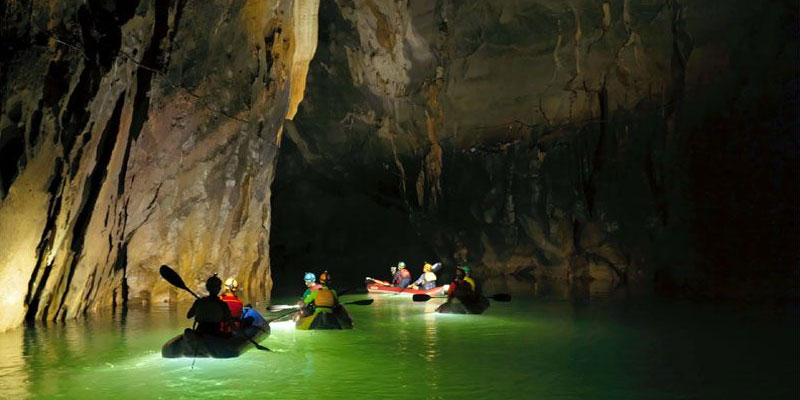
Quang Binh Province, located in central Vietnam, is often called the “kingdom of caves.” Home to the world-famous Son Doong Cave and hundreds of other limestone wonders, the region attracts adventure seekers from across the globe. While trekking and caving expeditions are popular, one of the most intimate and exhilarating ways to explore this underground paradise is by kayaking through the caves of Quang Binh. Gliding silently along emerald rivers, paddling beneath towering karst formations, and entering dark cave mouths illuminated only by your headlamp, you’ll experience nature in its raw, untouched beauty.

Quang Binh – Vietnam’s Cave Kingdom

Quang Binh is blessed with a landscape shaped by millions of years of geological evolution. The province is home to Phong Nha-Ke Bang National Park, a UNESCO World Heritage Site famous for its extensive karst formations and underground rivers. More than 300 caves have been discovered here, many of which stretch for kilometers and feature surreal stalactites and stalagmites.

While explorers and scientists study these caves, travelers are invited to join the adventure through guided tours. Among the many ways to explore, kayaking has become a highlight, offering both thrill and tranquility. Unlike motorized boats, kayaks let you move quietly, giving you the chance to appreciate the echo of dripping water, the sparkle of limestone formations, and the songs of swallows nesting in the dark.

Kayaking through ancient caves of Phong Nha–Ke Bang

Why Choose Kayaking in Quang Binh?

Kayaking through caves is not only adventurous but also environmentally friendly. It allows minimal disturbance to the fragile cave ecosystem compared to larger boats. You move at your own pace, sometimes paddling hard against currents, other times floating gently downstream. This freedom makes kayaking a deeply personal experience.

It is also one of the best ways to access smaller cave entrances or narrow underground passages that bigger boats cannot reach. From Son River and Chay River to hidden lagoons deep inside the forest, kayaking opens doors to secret places few visitors ever see. For photographers and nature lovers, it offers countless opportunities to capture the dramatic interplay of light, water, and stone.

Eco-friendly kayaking unlocks hidden caves and lagoons

The Best Spots for Kayaking in Quang Binh

Phong Nha Cave by Kayak

Phong Nha Cave is the most iconic destination for cave kayaking. Stretching over 7 kilometers, it is known for its underground river, which visitors can paddle into. The first kilometer is accessible by kayak, allowing travelers to admire majestic limestone chambers, shimmering stalactites, and rock formations resembling dragons, lions, and Buddhas. The silence inside the cave is profound, broken only by the sound of paddles dipping into water.

Phong Nha Cave kayaking through majestic underground river

Dark Cave (Hang Toi)

Dark Cave is a thrilling spot for those who want adventure mixed with fun. After kayaking across the Chay River to reach the entrance, visitors step into pitch-black tunnels where helmets and headlamps are essential. Inside, there are mud baths where travelers can sink into mineral-rich clay, believed to be good for the skin. The combination of kayaking, caving, ziplining, and swimming makes Dark Cave one of the most dynamic experiences in Quang Binh.

Dark Cave adventure combining kayaking, mud baths, and thrills

Chay River

The Chay River itself is a beautiful kayaking route. Its emerald-green waters are flanked by towering karst mountains and lush forests. Along the way, you can see water buffalos grazing, fishermen casting nets, and children swimming. Kayaking here offers a glimpse of both natural beauty and rural Vietnamese life.

Chay River kayaking through nature and rural life

Son River Sunset Kayak

For those who prefer a more relaxing experience, kayaking on the Son River at sunset is unforgettable. The river reflects golden hues of the setting sun, while locals paddle their small boats home. Floating in peace, surrounded by limestone cliffs turning orange in the twilight, is pure magic.

Peaceful sunset kayaking on the Son River

What to Expect on a Kayak Tour

Guided Adventures

Most kayaking tours in Quang Binh are guided by local experts who know the caves inside out. They provide equipment, safety instructions, and fascinating stories about the region’s history and geology.

Duration

Kayak tours vary from short 2-hour experiences to full-day expeditions. Some include combined activities such as trekking, swimming, or exploring multiple caves in one trip.

Fitness Level

Kayaking does not require professional skills, but a basic level of fitness is recommended. Beginners can enjoy short paddles, while experienced kayakers may opt for longer journeys.

Guided kayaking adventures for all fitness levels

The Magic of Exploring Caves by Kayak

Kayaking adds a unique intimacy to cave exploration. When you paddle into a cave, the outside world disappears. The air becomes cooler, the light dims, and your senses heighten. You notice small details – water dripping from stalactites, bats fluttering above, or fish swimming in crystal-clear water.

Each cave offers a different atmosphere: some are majestic and cathedral-like, others narrow and mysterious. In Phong Nha Cave, chambers open up like hidden palaces. In Dark Cave, the thrill comes from navigating pitch-black tunnels. On Chay River, the joy is paddling in open air surrounded by karsts. Together, these experiences create a mosaic of adventure that makes Quang Binh unforgettable.

Kayaking creates unforgettable cave adventures across Quang Binh

Cultural and Historical Insights

Kayaking in Quang Binh is not just about nature – it is also a journey through history and culture. Many caves served as shelters during wars, protecting villagers from bombings. Local legends speak of spirits, dragons, and deities inhabiting the caves. Guides often share these stories, blending myth with history to enrich the experience.

You will also encounter local life along the rivers. Fishermen cast nets from bamboo boats, women wash clothes by the banks, and children wave at passing kayakers. These interactions remind travelers that Quang Binh is not only a land of caves but also a land of communities deeply connected to rivers and forests.

Kayaking blends Quang Binh’s caves, culture, and local life

Practical Information for Travelers

Best Time to Go

The ideal season for kayaking is March to September, when the weather is warm and rivers are calm. From October to February, heavy rains may flood caves and make kayaking unsafe.

Getting There

Quang Binh is accessible via Dong Hoi Airport, with daily flights from Hanoi, Ho Chi Minh City, and Da Nang. From Dong Hoi, it takes about 45 minutes by car to reach Phong Nha-Ke Bang National Park.

Costs

Kayak tours range from $20 for short trips to $70 or more for full-day packages with multiple activities. Most include equipment, guides, and safety gear.

What to Bring

  • Lightweight clothing that dries quickly.
  • Waterproof bag for cameras and phones.
  • Sunscreen, hat, and sunglasses for river kayaking.
  • Headlamp for cave kayaking (though provided by most tour companies).
  • Sturdy sandals or water shoes.

Safety Considerations

Kayaking through caves is generally safe with professional guides, but precautions are important:

  • Always wear a life jacket.
  • Follow the guide’s instructions carefully.
  • Do not touch or damage stalactites and stalagmites.
  • Respect wildlife – caves are home to bats and other species.
  • Avoid kayaking during storms or heavy rain.

Ecotourism and Sustainability

Kayaking in Quang Binh supports ecotourism, which emphasizes protecting the fragile cave ecosystem. Many tour operators adopt eco-friendly practices such as limiting plastic use, controlling visitor numbers, and educating travelers about conservation. By choosing responsible tours, visitors help ensure that Quang Binh’s natural heritage is preserved for future generations.

Why Kayaking in Quang Binh Is Unforgettable

Unlike any other adventure, kayaking through Quang Binh’s caves offers a rare blend of thrill, serenity, and cultural discovery. It is not just about paddling – it is about immersing yourself in a world shaped by time, water, and myth. Few places on Earth allow you to enter underground palaces, bathe in mud deep inside a mountain, or float beneath limestone arches that have stood for millions of years.

For travelers who crave authenticity, connection with nature, and unforgettable memories, kayaking in Quang Binh is a must.

Kayaking through the caves of Quang Binh is more than an outdoor activity – it is a journey into Vietnam’s hidden world. It combines the wonder of nature, the thrill of adventure, and the richness of local culture. Whether you are paddling quietly into Phong Nha Cave, laughing with friends in Dark Cave’s mud bath, or floating peacefully on the Son River at sunset, each moment becomes part of an extraordinary story.

As Vietnam continues to grow as a travel destination, Quang Binh stands out for its raw beauty and adventurous spirit. A kayak paddle here is not only a personal adventure but also a contribution to sustainable tourism and environmental conservation. If your heart seeks discovery, let your paddle guide you into the mysterious depths of Quang Binh – where every cave tells a story, and every river leads to wonder.


Nestled in the southern tip of Vietnam, U Minh Ha mangrove forest is one of the country’s last great wildernesses. Covering thousands of hectares, this wetland ecosystem is home to diverse flora and fauna, unique cultural traditions, and unforgettable ecotourism experiences. Walking through U Minh Ha offers travelers a chance to breathe fresh air, observe wildlife, and immerse themselves in the raw beauty of nature. If you are looking for an off-the-beaten-path adventure that combines ecology, culture, and relaxation, a walking tour through U Minh Ha mangrove forest is a must.

U Minh Ha – A Natural Gem of Southern Vietnam

U Minh Ha National Park lies in Ca Mau Province, Vietnam’s southernmost land. Together with U Minh Thuong (in Kien Giang Province), it forms one of the largest peat swamp and mangrove ecosystems in Southeast Asia. The park covers more than 8,000 hectares and is recognized by UNESCO as part of the World Biosphere Reserve.

Unlike many modern tourist sites, U Minh Ha remains largely untouched. The forest is dense with cajeput trees, its ground soaked in water rich with peat, and its canopy alive with the sounds of birds. For centuries, local communities have lived in harmony with this environment, depending on fishing, bee-keeping, and harvesting forest products. Today, visitors are welcomed not only to explore the natural beauty but also to learn about conservation efforts that protect this rare ecosystem.

U Minh Ha showcases untouched peat forests, wildlife, and conservation culture Vietnam

The Unique Ecosystem of U Minh Ha Mangrove Forest

Walking into U Minh Ha feels like stepping into another world. The air is humid and fragrant with the scent of cajeput blossoms. Sunlight filters through dense canopies, reflecting off dark waters below. This ecosystem is unique because it combines peat swamp forest with mangrove wetlands, creating one of the most biodiverse environments in Vietnam.

The flora is dominated by vast stretches of cajeput trees, some more than 40 years old. Beneath them thrive various shrubs, aquatic plants, and grasses that serve as food and shelter for animals. The forest is also home to over 250 species of plants, including medicinal herbs and timber trees.

As for fauna, U Minh Ha shelters more than 180 species of birds, including storks, herons, egrets, and rare species such as the grey-headed fish eagle. Mammals like wild boars, monkeys, and otters also inhabit the area. In addition, the wetlands are rich in fish, snakes, turtles, and amphibians. For birdwatchers, photographers, and nature lovers, U Minh Ha is a paradise.

U Minh Ha hosts peat forests, diverse wildlife, birds, wetlands, a paradise

Walking Tours – The Best Way to Explore U Minh Ha

One of the most rewarding ways to experience the forest is on foot. Walking tours allow you to move slowly, observe details, and feel immersed in the environment. Wooden bridges and elevated paths are built to help visitors walk across flooded areas safely. Some trails are short and easy, while others stretch deeper into the forest for those seeking adventure.

During a walking tour, you will:

  • Hear the calls of exotic birds echoing through the canopy.
  • Watch schools of fish swimming in dark waters below.
  • See beehives hanging from cajeput branches, tended by local honey collectors.
  • Smell the earthy scent of peat and the sweet fragrance of forest blossoms.

Walking gives you time to absorb the atmosphere and connect with nature in a way that motorized tours cannot. It is also an eco-friendly choice, minimizing disturbance to wildlife.

Walking trails reveal birds, honey, wetlands, scents, silence, deep connection with nature

Activities Inside U Minh Ha Mangrove Forest

Birdwatching

With more than 180 bird species, U Minh Ha is a premier destination for birdwatchers. Early mornings and late afternoons are the best times to see flocks of storks and herons returning to their nests.

U Minh Ha is a haven for birdwatchers and rare birds

Honey Harvesting Experience

One of the unique traditions here is wild bee-keeping. Local people climb trees to collect honey from giant beehives, a practice passed down through generations. Visitors can watch demonstrations and even taste fresh, organic honey directly from the comb.

Traditional wild beekeeping offers fresh honey and heritage

Canoe Rides

Though walking is the highlight, canoe rides are also available to glide through narrow waterways. Paddling silently allows close encounters with aquatic plants, fish, and birds.

Canoe rides glide silently through waterways, wildlife nearby

Camping and Fishing

For adventurous travelers, U Minh Ha offers camping areas where you can spend the night under a starry sky. Fishing in the wetlands is another relaxing activity, giving you a taste of local life.

Camping and fishing offer authentic overnight forest experiences

Cultural Encounters with Local Communities

Visiting U Minh Ha is not just about nature – it is also about culture. Many families have lived for generations inside and around the forest. Their lives revolve around fishing, honey collecting, and forest-based crafts. Walking tours often include stops at local homes where visitors can learn about traditional practices, taste home-cooked meals, and hear stories of resilience.

Local dishes highlight the bounty of the forest: grilled snakehead fish, sour soup made with wild herbs, and honey wine. By supporting community-based tourism, visitors contribute to the livelihoods of local people while promoting sustainable development.

Culture, cuisine, and community tourism enrich U Minh Ha visits

Conservation Efforts and Challenges

While U Minh Ha is beautiful, it also faces challenges. Peat swamp forests are highly flammable during dry seasons, making fire prevention crucial. Illegal logging and poaching used to be problems, but conservation programs and strict protection measures have greatly improved the situation.

Today, U Minh Ha National Park is part of Vietnam’s efforts to preserve biodiversity. Walking tours and ecotourism activities are carefully managed to ensure minimal impact on the environment. By visiting, travelers not only enjoy the beauty of the forest but also support its protection.

Conservation-focused ecotourism protects U Minh Ha’s peat forests

Practical Information for Visitors

Best Time to Visit

The ideal time to walk through U Minh Ha is during the dry season (December – April) when trails are accessible, and bird activity is high. The rainy season (May – November) brings lush greenery but may limit walking tours due to flooding.

Dry season best for walking, rainy season lush but flooded

Getting There

U Minh Ha is located about 40 km from Ca Mau City. Visitors can reach the park by car, motorbike, or local bus. Guided tours are available from Ca Mau for convenience.

U Minh Ha lies 40 km from Ca Mau, easily accessible by road

Tickets and Fees

Entrance tickets are affordable, usually less than $5. Additional fees apply for guided tours, canoe rides, or camping services. Prices are reasonable, making it accessible for both local and international tourists.

What to Bring

  • Comfortable shoes and lightweight clothing.
  • Mosquito repellent and sunscreen.
  • A hat and water bottle.
  • Binoculars and a camera for birdwatching and photography.

Travel Tips for an Unforgettable Walking Tour

  • Go with a local guide who can point out rare animals and explain cultural traditions.
  • Be respectful of nature – do not pick plants, disturb animals, or litter.
  • Walk quietly to increase your chances of spotting wildlife.
  • Try local honey but ensure it comes from ethical sources.
  • Spend at least half a day fully appreciating the park’s beauty.

Walking through U Minh Ha mangrove forest is more than just a hike – it is an immersion into one of Vietnam’s most fascinating ecosystems. From towering cajeput trees to hidden waterways filled with fish and birds, every step reveals a new wonder. Add to that the warmth of local communities, the taste of fresh honey, and the tranquility of untouched nature, and you have an experience that lingers long after the journey ends.

In a world where wild spaces are disappearing, U Minh Ha stands as a treasure. Visiting it is not only about personal enjoyment but also about supporting conservation and sustainable development. If your travels take you to southern Vietnam, make sure U Minh Ha is on your itinerary – and prepare to be enchanted by this untamed Vietnamese treasure.