
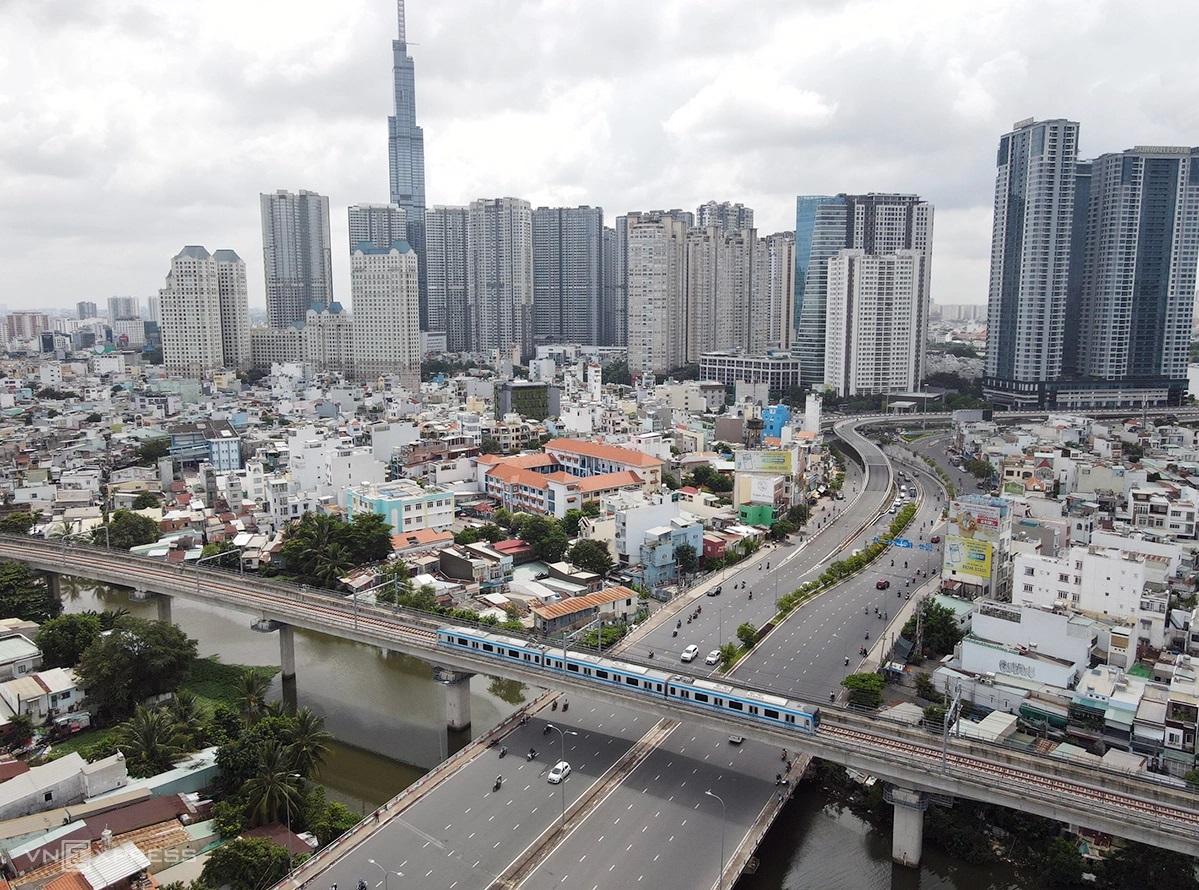
Ho Chi Minh City, still affectionately called Saigon, is Vietnam’s largest metropolis, a place of constant energy where motorbikes weave through traffic and skyscrapers rise above historic streets. In recent years, the city has been preparing for a new chapter in its urban story: the Saigon Metro Line. As Vietnam’s first urban railway project, the metro promises to redefine daily commuting, reduce traffic congestion, and offer travelers a fresh, modern way to experience the city. For those curious about how transportation and lifestyle are changing in Saigon, exploring the metro is not just a ride – it is a cultural and urban experience in itself.
The Birth of the Saigon Metro
Background
The idea of building a metro system in Ho Chi Minh City emerged in the early 2000s, inspired by the success of urban railways in cities like Bangkok, Singapore, and Tokyo. With a population surpassing 10 million and a growing reliance on motorbikes, the city faced severe traffic jams, air pollution, and overloaded infrastructure.

Metro Line 1 – The Pioneer
The first line under construction, Metro Line 1 (Ben Thanh – Suoi Tien), stretches nearly 20 km with 14 stations, connecting the bustling city center at Ben Thanh Market with Thu Duc City’s Suoi Tien Theme Park. This line passes through key residential and business districts, universities, and cultural landmarks, making it a backbone of the future metro network.

Future Network
Plans envision at least 8 metro lines covering over 200 km in total, linking urban districts with suburban areas. Once completed, the Saigon Metro will be one of Southeast Asia’s most ambitious transportation systems.
Riding the Saigon Metro – What to Expect
Stations and Design
- Ben Thanh Central Station: The heart of the network, located beneath the famous market.
- Opera House Station: Serving the historic French-colonial Opera House area.
- Hi-Tech Park Station: Linking commuters to Thu Duc’s technology hub.
- Suoi Tien Station: Gateway to Suoi Tien Theme Park, popular with families and tourists.
Stations combine modern design with cultural touches, featuring local art, efficient layouts, and accessibility for people with disabilities.

Passenger Experience
- Air-conditioned trains with clean, spacious seating.
- Automated ticketing systems similar to those in Tokyo and Seoul.
- Electronic maps and multilingual announcements in Vietnamese and English.
- Safety features including surveillance cameras and platform screen doors.
For daily commuters, the metro provides speed and comfort. For visitors, it offers a chance to view Saigon from a fresh perspective, moving smoothly above and below the chaotic streets.

How the Metro Changes Daily Life
For Locals
- Time saving: A trip that once took an hour by motorbike could be reduced to 20 minutes.
- Eco-friendly: Trains run on electricity, helping reduce pollution.
- Affordable: Ticket prices are expected to be comparable to bus fares.
- Safer travel: Reduces risks associated with motorbike accidents.
For Tourists
- Easy access to attractions such as Ben Thanh Market, the Opera House, the Saigon Zoo, Suoi Tien Theme Park, and university campuses.
- A modern alternative to taxis and ride-hailing apps.
- A chance to explore neighborhoods less visited by tourists.

Cultural and Social Impact
Redefining Urban Identity
For a city known for its motorbike culture, the metro represents modernization and progress. It introduces new habits, from queuing in stations to electronic ticketing, signaling a shift toward global urban standards.

Boost to Tourism
Like Bangkok’s BTS or Singapore’s MRT, the Saigon Metro is expected to become a tourist attraction in itself. The novelty of riding Vietnam’s first metro line, combined with easy access to cultural landmarks, will draw visitors curious about the city’s transformation.
Economic Development
Areas around stations are witnessing growth in real estate, retail, and services. A “metro lifestyle” is emerging, where businesses thrive thanks to increased foot traffic and better connectivity.

Challenges and Lessons
Construction Delays
Metro Line 1 has faced delays due to funding, technical issues, and the complexity of urban construction. Though initially scheduled to open earlier, the line is now expected to begin operation soon, after extensive testing.
Public Adaptation
Many Saigonese are accustomed to motorbikes. Adapting to a public transit culture requires education and trust in the system’s reliability and safety.
Lessons from Abroad
Cities like Bangkok and Jakarta show that patience and continuous investment are crucial. Once established, metro systems gradually gain popularity and reshape transportation habits.
Exploring Saigon with the Metro
Suggested Metro Journeys
- Ben Thanh Market → Opera House: From bustling local life to French-colonial charm.
- Ben Thanh → Zoo Station: A family trip combining shopping and wildlife exploration.
- Opera House → Suoi Tien Theme Park: From cultural performances to amusement rides.
- University District → Ben Thanh: Easy commuting for students exploring the city center.
Combining with Other Experiences
- Pair your metro journey with a street food tour, hopping off stations near popular food streets.
- Visit art galleries, museums, and shopping malls conveniently connected to metro stops.
- Capture unique photos of Saigon’s skyline from elevated sections of the track.

Why the Saigon Metro Is a Different Experience
Unlike buses or motorbikes, the metro offers a new way of seeing Saigon:
- Smooth, quiet, and air-conditioned rides above the traffic chaos.
- A sense of global connection, reminding passengers of systems in Tokyo, Seoul, or Paris.
- A chance to experience both the modern and traditional faces of the city, as the train passes temples, markets, skyscrapers, and residential neighborhoods.
For both locals and travelers, the Saigon Metro is not just a transportation tool – it is a cultural shift, a different urban experience that redefines how the city moves and breathes.

Conclusion – Riding into the Future
The Saigon Metro Line marks a turning point in Vietnam’s urban development. More than a practical solution to congestion, it is a symbol of modernization, sustainability, and cultural integration. For residents, it brings convenience and safety. For visitors, it offers a unique way to explore the city’s contrasts – ancient and modern, chaotic and orderly.
As the trains roll through tunnels and across bridges, passengers are not just traveling from one station to another; they are witnessing the transformation of Saigon itself. Riding the metro, in many ways, is riding into the future of Vietnam.


