Vietnam Travel Blog

Tam Coc, Vietnam, has received high acclaim from international platforms—named by Forbes as one of the 23 top destinations to visit in 2023 and ranked by TripAdvisor users as the 7th friendliest place on Earth. But what exactly makes Tam Coc stand out so remarkably? Discover its jaw-dropping scenery, deep-rooted cultural significance, and the exceptional hospitality that makes this corner of Ninh Binh a traveler’s dream.

Where Is Tam Coc and What Is It Known For?

Often described as “Halong Bay on Land,” Tam Coc is a breathtaking area nestled within the Trang An Scenic Landscape Complex in Ninh Binh Province, Vietnam.

Located roughly 100 kilometers south of Hanoi, the journey to Tam Coc takes about two hours by road. This peaceful region sits on the southern fringe of the Red River Delta and features dramatic karst peaks, vibrant rice paddies, and meandering rivers.

The name “Tam Coc” translates to “three caves,” which include Ca, Hai, and Ba caves. These limestone formations were sculpted by the gentle erosion of the Ngo Dong River, which flows directly through the mountains.

  • Ca Cave: Stretching 127 meters in length and more than 20 meters wide at its entrance, this is the most expensive of the trio. Inside, you’ll find a cool environment and an array of stalactites hanging like natural chandeliers.
  • Hai Cave: Situated around 1 kilometer from Ca Cave, this 60-meter-long cave features a ceiling adorned with whimsical mineral formations.
  • Ba Cave: This is the shortest of the three at 50 meters but no less enchanting, with its lower, arch-shaped roof lending an intimate feel.

The entire Trang An Complex showcases an enclosed karst depression known as a cockpit landscape—one of the finest examples globally, according to geologists. The core area spans 6,226 hectares, surrounded by an equally expansive buffer zone characterized by agricultural land and rice cultivation.

Tam Coc vs. Halong Bay: What Sets Them Apart?

While Halong Bay lies off Vietnam’s northeastern coast in Quang Ninh Province and is known for its towering limestone islets dotting emerald waters, Tam Coc offers a landlocked alternative that’s just as captivating.

Halong Bay: This UNESCO World Heritage Site is best explored via overnight cruises that drift past floating villages, hidden lagoons, and sea caves. Tourists can kayak, swim, visit pearl farms, and enjoy sunsets from the deck of a ship—experiences shaped by its maritime nature.

Tam Coc: By contrast, Tam Coc is a serene inland haven where similar limestone formations rise above golden-green rice fields instead of ocean waves. Boat tours here are shorter (1.5 to 2 hours), led by local rowers using traditional hand-paddling techniques. Following your river journey, you can enjoy a relaxed bicycle ride through the countryside.

In essence, Halong Bay is a cruise adventure across the sea, while Tam Coc provides a slower-paced, immersive look into rural Vietnam.

Reaching Tam Coc: Transportation Tips

Tam Coc is conveniently accessible from multiple cities:

  • From Hanoi (2 hours by car or 3 hours by train): Trains depart from Hanoi Railway Station and arrive at Ninh Binh Station. From there, Tam Coc is about 5 kilometers away—reachable by taxi or motorbike.

  • From Halong Bay (3 hours by road): Minivans and buses travel along Highway QL10, with a stopover in Hai Phong and scenic views along the way.

  • From Pu Luong (about 2 hours and 10 minutes): Covering a distance of roughly 128 km, this journey offers spectacular countryside views whether by bus or private vehicle.
  • From Hue (overnight train): The SE6, SE8, and SE20 trains cover the 454-kilometer route between Hue and Ninh Binh in around 12.5 hours, making it a convenient overnight journey.

Getting Around Tam Coc and Trang An

The most flexible and enjoyable way to explore the region is by motorbike, which costs around 100,000 to 150,000 VND per day. For those less experienced on two wheels, bicycles are readily available and offer a slower, scenic way to see the countryside.

Ride-hailing apps like Grab and Xanh SM are also options for getting around efficiently, whether by car or motorbike taxi.

An early morning ride through quiet rice fields, limestone peaks, and rural hamlets is one of the most rewarding ways to experience the charm of Tam Coc.

What to See and Do in Tam Coc

Glide Through the Caves on a Rowboat

The most iconic experience in Tam Coc is the peaceful boat ride on the Ngo Dong River, which offers a quiet glide through vibrant rice paddies and limestone caves. This boat tour lasts about 90 to 120 minutes and departs from Van Lam Pier, where tickets are sold under a shaded structure.

Ticket prices:

  • Entrance fee: 250,000 VND for adults; 120,000 VND for children under 1.4 meters tall; free for children under 3.
  • Boat ride: 150,000 VND per boat (up to 4 Vietnamese or 2 international visitors).

You’ll journey through all three caves mentioned earlier:

  • Hang Ca (Ca Cave): Noted for its spacious interior and unique rock formations, the cave is linked to a legend about an elderly fisherman who once lived here.

  • Hang Hai (Hai Cave): Known for its striking stalactites and calm atmosphere.
  • Hang Ba (Ba Cave): Offers a lower, more intimate ceiling and close-up views of Tam Coc’s natural splendor.

Insider Tip: During the busy tourist season, ticket lines can be long. Booking your trip ahead through platforms like Explore Tam Coc helps you skip the wait.

Visit Bich Dong Pagoda

Only 3 km east of the boat pier lies Bich Dong Pagoda, a stunning three-level temple built into a limestone cliff. Known as “The Second Most Beautiful Cave in Vietnam” after Huong Tich Cave, this religious site was founded in 1428 and later praised in poetry by King Le Canh Hung.

The complex, whose name translates to “Green Grotto,” offers both cultural and architectural beauty, with stone stairways, serene shrines, and panoramic views.

Conquer Hang Mua Peak

Hang Mua (Dance Cave) rewards hikers with one of the most iconic panoramic views in the region. After climbing nearly 500 stone steps, visitors are treated to a jaw-dropping overlook of Tam Coc’s rice paddies and winding river below.

On the summit, you’ll find a statue of Quan Am (the Goddess of Mercy) and a stone dragon guarding the mountain. Be sure to wear sturdy shoes and bring water and sun protection—especially during midday.

Explore Tam Coc by Bicycle

Cycling is one of the best ways to soak in Tam Coc’s beauty at your own pace. With mostly flat terrain, the area is perfect for beginners and experienced cyclists alike.

Top routes to explore:

  • Thung Nang & Bich Dong Pagoda Loop: This trail winds through rice paddies, past karst outcrops, and leads to the peaceful hilltop temple.
  • Thung Nham Bird Park: A 6-kilometer route that includes a stop at Bich Dong before reaching a sanctuary known for its natural bird population.
  • Hoa Lu and Hang Mua Combo: A longer 20-kilometer ride that includes the ancient capital of Hoa Lu, a climb to Hang Mua, and optionally, an extension to Trang An.

Whether you’re seeking spiritual solace, breathtaking views, or cultural enrichment, Tam Coc offers an unforgettable blend of nature, heritage, and heartfelt hospitality that makes it a cornerstone of any Northern Vietnam itinerary.

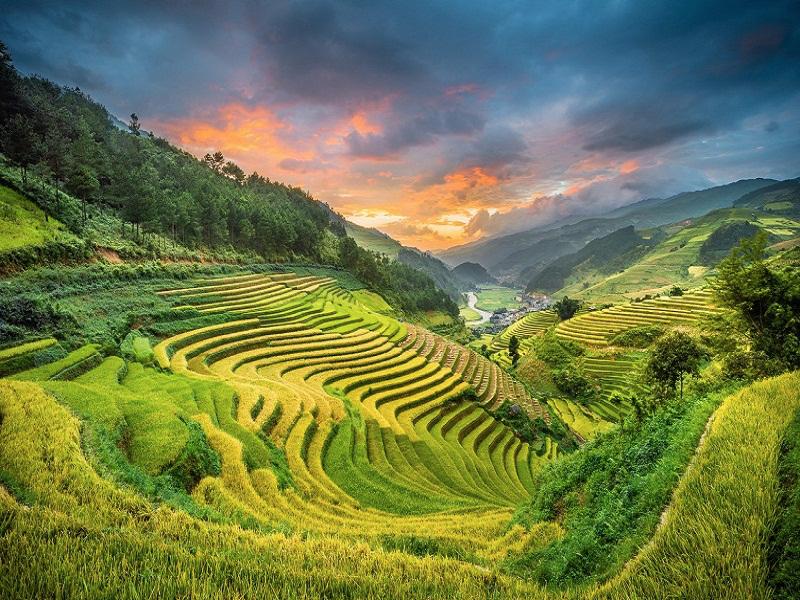
The months of June and September, when the rice is harvested, offer the most spectacular landscapes. The surroundings are adorned in a vibrant and mesmerizing yellow hue, and the air is filled with the sweet fragrance of ripe rice fields, creating an unforgettable and serene ambiance.

Summer is also when the lotus flowers bloom, adding to the stunning scenery with rolling rice fields and majestic lotus blossoms gracefully floating on the water. The rest of the year is also a favorable time for excursions, as the region experiences fewer crowds, yet the landscapes retain their splendor.

In addition to exploring Tam Coc, comprehensive tours often include visits to Hoa Lu, the ancient imperial capital that thrived during the Dinh and Le dynasties from 990 to 1010. This destination offers a journey back in time, allowing you to delve into the history and cultural richness of Vietnam.

These sites will enhance your visit to Tam Coc, offering deeper exploration into the region’s nature and culture.

Best Time to Visit Tam Coc

The ideal time to visit Tam Coc is from February to October, which coincides with the vibrant rice-growing season. During this time, the landscape transforms into a lush green paradise, as rice fields blanket the valleys surrounding the karst mountains. This is when Tam Coc is at its most captivating, with serene waterways weaving through emerald paddies and limestone cliffs rising majestically in the distance.

For those seeking the iconic golden rice field views, late May to early June is perfect, just before the harvest. Meanwhile, spring offers cooler weather and clear skies—ideal for boating, cycling, and hiking.

How Long Does It Take to Visit?

To truly appreciate the charm of Tam Coc, you should allocate at least one full day. Here’s a well-rounded itinerary to help maximize your experience:

  • Morning: Begin your day with a scenic boat tour on the Ngo Dong River, gliding past shimmering rice paddies and dramatic limestone formations.

  • Afternoon: Rent a bicycle and meander through the countryside, passing through peaceful villages, ancient pagodas, and local markets.

  • Late Afternoon: Conclude your day with a climb to the summit of Mua Cave (Hang Múa), renowned for its panoramic views over Tam Coc’s winding river and fields below—a perfect sunset viewpoint.

Additionally, most full-day tours incorporate a stop at Hoa Lu Ancient Capital, offering a fascinating glimpse into Vietnam’s imperial history during the Dinh and Le dynasties (968–1010).

Suggested Tam Coc Tour by Locals

One-Day Itineraries:

  • Itinerary 1: Ninh Binh – Hoa Lu – Tam Coc – Bich Dong Pagoda
  • Itinerary 2: Ninh Binh – Bai Dinh Pagoda – Trang An Scenic Complex

Two-Day Itineraries:

  • Day 1: Hoa Lu – Mua Cave – Tam Coc – Trang An
  • Day 2: Bai Dinh Pagoda – Cuc Phuong National Park

These itineraries are perfect for travelers seeking both natural beauty and cultural discovery.

Trang An or Tam Coc: Which One Is Worth Visiting?

Deciding between Tam Coc and Trang An depends on your travel style.

Tam Coc is smaller in scale and often quieter, offering a more relaxed atmosphere. Its appeal lies in its picturesque rural landscapes, seasonal rice paddies, and charming countryside ambiance—ideal for those looking for a tranquil escape.

Trang An, on the other hand, is a UNESCO World Heritage Site with more caves, denser jungle, and impressive historical relics. It’s also the filming location for Kong: Skull Island, attracting movie lovers and adventurers alike. However, its popularity can lead to crowds, especially on weekends.

If you’re looking for peace and authenticity, choose Tam Coc. If you prefer grandeur and diversity, Trang An might be more suitable.

How to Combine Tam Coc with Halong Bay?

Tam Coc and Halong Bay, along with Hanoi, form a popular travel circuit in Northern Vietnam. Here’s how to seamlessly connect these iconic destinations:

  • Spend a full day and night in Tam Coc to explore its natural wonders and nearby cultural sites.
  • Then, take a 3.5-hour drive by private car or tourist bus to Halong Bay for a 2-day, 1-night cruise on a traditional junk boat.

While local buses are an option, they can be unreliable. For convenience, a private transfer is highly recommended.

Sample Itinerary:

  • Day 1: Arrival in Hanoi
  • Day 2: Explore Hanoi’s cultural highlights
  • Day 3: Travel to Ninh Binh – Visit Tam Coc and ancient sites
  • Day 4: Head to Halong Bay – Embark on overnight cruise
  • Day 5: Return to Hanoi for departure

Optional Extension: Consider adding Mai Chau or Pu Luong Nature Reserve to your journey. These destinations, just a few hours from Tam Coc, offer off-the-beaten-path trekking, ethnic minority villages, and beautiful terraced fields—perfect for immersive, sustainable travel.

Where to Stay in Tam Coc?

Whether you’re on a tight budget or seeking luxury, Tam Coc and the surrounding Trang An area offer accommodation options for every traveler:

Budget-Friendly:

  • Family-Run Homestays: Cozy bungalows with local hospitality, priced at $25–$35/night.

Mid-Range Comfort:

  • Nam Hoa Hotel and La Belle Vie Hotel: Both offer clean, comfortable rooms for $40–$60/night, with convenient locations near attractions.

Luxury Experiences:

  • Tam Coc Garden Boutique Resort: Nestled among rice fields, this resort offers peaceful surroundings and top-tier service ($80–$150/night).
  • Aravinda Resort: A tranquil escape with spa facilities, fine dining, and lush gardens.

Each choice brings a unique experience, whether you’re after authenticity, comfort, or indulgence.

What to See in 2 Days in Tam Coc?

Though a day may suffice for a basic tour, spending two days allows for a more immersive experience. Here are highlights to explore during your extended stay:

Thien Huong Cave

Located on the way to Thai Vi Temple, this dry, elevated cave is known for its airy interior and spiritual ambiance. Inside is a shrine honoring Trần Thị Dung, a historical figure linked to Vietnam’s early sericulture.

Hoa Lu Ancient Citadel

This former imperial capital features historic temples, ancient gates, and dramatic natural surroundings. Don’t miss the Dinh Tien Hoang and Le Dai Hanh Temples, built in traditional Vietnamese architectural style and nestled amid limestone hills.

Thung Nham Bird Park

Just 7 km from Tam Coc, this eco-park is home to over 45 bird species, including endangered ones. Visitors can take row boat tours, explore caves, and enjoy forest trails—all in one place.

Bodhi Leaf Craft in Land Bay

In Land Bay, artisans use Bodhi tree leaves to create delicate artworks and souvenirs. This unique handicraft is rooted in tradition and offers a rare cultural encounter for visitors.

Practical Travel Tips

ATMs:

  • In Tam Coc, find BIDV ATMs near the main street and Ninh Binh Hidden Charm Hotel.
  • In Trang An, there’s a BIDV ATM at the boat dock. However, carry cash, as ATMs can be scarce in remote areas.

Health and Safety:

  • Stay hydrated and wear high-SPF sunscreen, especially in summer.
  • Use insect repellent around rivers and fields.
  • Travel insurance is recommended for peace of mind.

Avoiding Scams:

  • Book tours through reputable agencies (e.g., Kampá Tour).
  • Confirm prices in advance, especially for transportation and souvenirs.
  • Support local shops and eateries to avoid tourist traps.

Cultural Tips:

  • Dress modestly when visiting temples.
  • Learn basic Vietnamese greetings for friendly interaction.
  • Respect nature—avoid littering and minimize plastic use.

Tam Coc captivates travelers with its enchanting mix of scenic landscapes, historical depth, and peaceful atmosphere. From drifting along serene rivers and cycling through golden rice fields to unwinding in rustic yet cozy lodgings, every experience in Tam Coc leaves a lasting impression and a sense of timeless charm.

Hoi An Ancient Town is renowned not only for its romantic scenery, with colorful lanterns adorning the banks of the Thu Bon River, but also for its rich and diverse culinary scene. Here, travelers can savor gourmet meals in cozy riverside spots or enjoy the charm of the old town’s atmospheric eateries. If you’re wondering where to experience the authentic flavors of Hoi An, this guide to the best restaurants in town is your perfect starting point.

1. Mango Mango

  • Address: 45 Nguyen Phuc Chu, Minh An, Hoi An, Quang Nam
  • Opening Hours: 8:00 AM – 11:00 PM
  • Hotline: 023 5391 1863

Just a stone’s throw from the iconic Japanese Bridge, Mango Mango welcomes guests with its rustic décor and gentle golden lighting. The restaurant offers a warm setting to enjoy flavorful soups, crisp salads, succulent steaks, and seared scallops. Be sure to try their house-made passion fruit cake and coconut ice cream—a delightful way to end your meal.

2. Hoi An Secret Garden (Avocado Resto)

  • Address: 132/2 Tran Phu, Minh An, Hoi An, Quang Nam
  • Opening Hours: 8:00 AM – 10:00 PM
    Hotline: 0941 561 465

Hidden within a tranquil garden, Avocado Resto preserves the heritage of one of Hoi An’s long-standing families. Drawing on ancient recipes, its menu blends Vietnamese and Chinese culinary influences with robust, homemade sauces. Surrounded by lush foliage and cultural history, each dish offers a flavorful journey into the soul of the town.

3. Hoa Hien Restaurant

  • Address: 35 Tran Quang Khai, Cam Chau, Hoi An, Quang Nam
  • Opening Hours: 9:00 AM – 8:30 PM
  • Hotline: 0903 112 237

Set near the bustling Central Market, Hoa Hien charms diners with scenic river views and an authentic regional menu. A must-try is their signature “Hell Rice” (Com Am Phu), served with grilled meats, fried eggs, vegetables, and tangy dipping sauces on a shared platter—a true local feast.

4. Nostalife

  • Address: 33/1 Nguyen Phuc Chu, An Hoi, Hoi An, Quang Nam
  • Opening Hours: 11:00 AM – 9:30 PM
  • Hotline: 091 977 1037

With its vintage design and breezy outdoor seating, Nostalife offers a nostalgic dining experience. This laid-back venue specializes in central Vietnamese dishes like cao lau, Hoi An chicken rice, and Mi Quang, all prepared with fresh, local ingredients. It’s an ideal spot for a relaxed meal with loved ones.

5. Mai Fish Restaurant

  • Address: 45 Nguyen Thi Minh Khai, Hoi An, Quang Nam
  • Opening Hours: 8:00 AM – 10:00 PM
  • Hotline: 070 247 5969

Mai Fish delivers the essence of Southern Vietnamese home cooking. Created by Chef Duc, the menu reflects his childhood memories, featuring dishes made with organic vegetables and aromatic herbs. Tucked away on a peaceful street by the river, it’s a serene destination for those who appreciate simplicity and flavor.

6. Firefly Hoi An

  • Address: 174 Tran Nhan Tong, Cam Chau, Hoi An, Quang Nam
  • Opening Hours: 11:00 AM – 9:30 PM
  • Hotline: 0935 475 400

Firefly stands out with its contemporary ambiance and innovative take on Vietnamese classics. Combining local ingredients with modern culinary techniques, this inviting restaurant is perfect for winding down after a long day of sightseeing.

7. White Rose Restaurant

  • Address: 533 Hai Ba Trung, Cam Pho, Hoi An, Quang Nam
  • Opening Hours: 7:30 AM – 8:30 PM
  • Hotline: 090 301 0986

Home of the legendary White Rose Dumplings, this restaurant crafts these delicate treats from rice paper filled with pork or shrimp, topped with crispy shallots and served with a special sauce. It’s a signature Hoi An dish you simply must sample.

8. Morning Glory Original

  • Address: 106 Nguyen Thai Hoc, Minh An, Hoi An, Quang Nam
  • Opening Hours: 11:00 AM – 10:00 PM
  • Hotline: 0235 2241 555

Founded by the renowned Madame Vy, Morning Glory Original showcases beloved Hoi An dishes like cao lau and white rose dumplings. An open kitchen offers diners a chance to watch the chefs at work, while the French colonial setting adds to the restaurant’s lively, traditional feel.

9. Orivy Local Food

  • Address: 576/1 Cua Dai, Hoi An
  • Opening Hours: 11:00 AM – 9:30 PM
  • Hotline: 0905 306 465

Nestled in a quiet garden, Orivy is all about heartfelt Vietnamese home cooking. Every dish is crafted using seasonal, locally sourced ingredients. The peaceful ambiance and genuine flavors offer a glimpse into daily life in Hoi An.

10. Little Faifo Restaurant

  • Address: 66 Nguyen Thai Hoc, Old Quarter, Hoi An, Quang Nam
  • Opening Hours: 9:00 AM – 10:00 PM
  • Hotline: 0235 3917 444

Housed in a 200-year-old building, Little Faifo blends historical charm with culinary artistry. Traditional Vietnamese dishes are served under lantern light, and guests can even take part in cooking classes to learn authentic recipes. It’s a perfect way to immerse yourself in the spirit of the ancient town.

Hoi An’s culinary culture is one of its most captivating features. With every meal crafted to balance taste and tradition, dining here is more than just eating—it’s an experience. Whether enjoying dinner by the river or tucked away in a garden hideaway, each restaurant on this list offers a special way to savor the timeless flavors of Hoi An.

Make your way to Phong Nha-Ke Bang National Park, a true gem for adventure enthusiasts and nature admirers alike. This destination invites you to uncover fascinating caves, trek through dense jungles and along scenic emerald waterways, and enjoy a range of outdoor adventures like caving, zip-lining, and kayaking. In Phong Nha, excitement and discovery are always around the corner! Dive into this detailed guide to learn more about the top things to see and do in Phong Nha-Ke Bang.

Where is Phong Nha-Ke Bang National Park?

Located in Quang Binh Province in Central Vietnam, Phong Nha-Ke Bang National Park is famed for its dramatic caves and extraordinary biodiversity. The park sits about 200 kilometers (roughly 124 miles) from Hue—Vietnam’s ancient imperial city—which makes for an easy 4-hour drive.

Established in 1986, this vast reserve was granted UNESCO World Heritage status in 2003, owing to its outstanding geology and rich natural diversity. The park features some of the oldest karst landscapes in Asia, shaped during the Paleozoic Era over 400 million years ago.

What Is the Largest Cave in Phong Nha?

Son Doong Cave stands as the most iconic attraction within the Phong Nha-Ke Bang cave system—and it currently holds the title of the world’s largest natural cave. It’s part of a sprawling subterranean network comprising over 150 caves extending toward the Laos border.

Discovered by scientists and explorers in the 20th century, Son Doong stunned the world with its size and scale. Stretching nearly 5 kilometers in length, and measuring 200 meters in height and 150 meters across, this cave could house a high-rise building inside. However, due to its remote location and technical challenges, visits are limited to experienced explorers and researchers.

What to Do in Phong Nha-Ke Bang National Park

Phong Nha Cave

First on the must-visit list is Phong Nha Cave, a 7.7-kilometer underground marvel recognized by UNESCO and celebrated as the longest water cave in Asia. Your journey begins aboard a traditional dragon boat gliding along the peaceful Son River. Over a 6-kilometer stretch, you’ll witness vibrant landscapes featuring fishing boats, rural homes, tropical jungle, and limestone peaks wrapped in green.

As the boat enters Phong Nha Cave, you’ll step into a world of wonder—light playing on the textured cave walls, massive stalactites and stalagmites in dramatic forms, and hollow rock chambers that seem otherworldly. Later, you can explore the inner recesses of the cave on foot for a closer encounter with its limestone formations.

On the return trip, don’t miss the chance to ascend several hundred steps to Tien Son Cave, located 400 meters from Phong Nha. This dry cave is geologically older than its neighbor and contains unique rock formations that create natural resonating sounds, reminiscent of drums and gongs when tapped—a mysterious experience that brings to mind cinematic adventures.

Entrance Fees:

  • Adults: 150,000 VND (~$6)
  • Children under 1.3 meters: Free
  • Boat to the cave: 550,000 VND per trip (~$25) for up to 12 people

Thien Duong Cave 

Another breathtaking attraction is Thien Duong Cave, or Paradise Cave, situated around 20 kilometers from Phong Nha Cave. Known for its enormous chambers and intricate rock formations, Paradise Cave stretches 31 kilometers in length and rises up to 150 meters, earning its place as the longest dry cave in Asia.

Visitors descend via a wooden staircase to enter this underground cathedral. Inside, you’ll walk a 1-kilometer path through a mesmerizing array of rock columns, crystal-like stalactites, and fantastical cave walls, all illuminated with strategic lighting. It’s a dream destination for cave photography.

For those seeking deeper exploration, there’s a 6-kilometer adventure route that takes you further into the untouched depths of the cave, offering a raw and thrilling caving experience.

Entrance Fees:

  • Adults: 250,000 VND (~$10)
  • Children 1.1–1.3 meters tall: 125,000 VND (~$5)
  • Children under 1.1 meters: Free

Nuoc Mooc Eco-Trail: A Refreshing Break in Nature

Situated in the heart of a vital ecological zone, Phong Nha-Ke Bang National Park boasts a rich blend of tropical forests, crystal-clear rivers, and dramatic limestone topography. This natural haven provides the ideal setting for outdoor activities, breathing in fresh air, and discovering biodiversity in its purest form. As you make your way along forest paths and riverside trails, you’ll likely encounter vibrant bird species, dazzling butterflies, and an assortment of unique flora, including exotic orchids. When the sun is high and temperatures soar, take a dip in the refreshing turquoise waters for the ultimate nature escape.

Kayaking on the Con River

Beyond trekking, Kampá Tour offers an exhilarating kayaking adventure along the serene Con River, which meanders through the karst peaks of the park. This hands-on activity provides a thrilling way to experience the park’s limestone cliffs cloaked in lush greenery. While accessible to many, it is recommended for those in moderate physical condition due to the paddling effort required.

Exploring the Dark Cave

Known for the deep black hues of its volcanic rock walls, the Dark Cave (Hang Toi) is a playground for adrenaline junkies and nature lovers alike. The itinerary includes swimming across the river, a headlamp-lit trek into the cavern’s shadowy depths, and a therapeutic mud bath nestled inside the cave chambers. Add to that a fun canoe or kayak ride and various water games for an exciting day outdoors.

For an extra thrill, take the exhilarating zipline that glides above the canopy and the emerald river below. This exhilarating ride gives visitors a bird’s-eye view of the rainforest and injects an extra sense of adventure into your Dark Cave experience.

Entrance Fees:

  • Adults: 80,000 VND (~$3)
  • Children (1.1m–1.3m): 40,000 VND (~$2)
  • Children under 1.1m: Free

Activity Packages:

  • Adults: 299,000–450,000 VND (~$12–$18)
  • Children (1.1m–1.3m): 150,000 VND (~$6)

Trekking Adventures in Phong Nha

Phong Nha is an untouched gem for trekking enthusiasts. Whether it’s a few hours or multi-day expeditions, treks through this lush environment are perfect for discovering the area’s diverse ecosystem. Some excursions include camping in the forest and uncovering hidden caves. It’s an unforgettable journey for those wanting a deeper connection to nature.

Cycling Through Rural Vietnam

Exploring Phong Nha on two wheels offers a charming view of local life. Ride past golden rice fields, towering limestone cliffs, grazing buffalo, and banana groves. Quaint villages and tranquil ponds make for perfect photo stops. This is a fantastic opportunity to escape urban chaos and enjoy the authenticity of the Vietnamese countryside.

Wildlife Watching and Conservation Education

Eco-tourism in Phong Nha is growing rapidly, offering unique opportunities to observe wildlife and contribute to conservation. Programs include interactions with animals rescued from illegal poaching, such as golden monkeys, macaques, and porcupines.

Visitors will gain insight into the park’s conservation work and participate in care routines for rehabilitated animals. The experience ends with a visit to a transitional area where species like cobras, langurs, pangolins, and pythons are prepared for release into the wild. This educational tour is ideal for families and children, providing meaningful exposure to environmental stewardship.

Local Cuisine Highlights

While familiar Vietnamese dishes like pho, spring rolls, and banh mi are widely available, Phong Nha also boasts unique regional fare:

  • Cháo Canh: A comforting noodle soup native to Quang Binh, often eaten for breakfast. Ingredients include fish heads, pork, shrimp, and herbs, typically served with pickled cabbage.
  • Barbecue Specialties: Many eateries serve grilled meats wrapped in banana leaves, often accompanied by steamed rice and vegetables. Options include spicy sausages, grilled pork, chicken, and duck—perfect for communal dining experiences.

Where to Stay in Phong Nha-Ke Bang

Phong Nha Lake House

Nestled on the peaceful shores of Dong Suon Lake, this guesthouse offers easy access to key cave attractions. With spacious lakeview rooms, a pool, and a restaurant serving both Vietnamese and Western dishes, it’s a top pick for comfort and charm.

Nguyen Shack – Phong Nha Eco Resort

This eco-resort lies a short drive from the town center, surrounded by limestone hills and a serene pond. Featuring eco-friendly wooden accommodations and glamping tents, it also includes a restaurant bar and an on-site farm for a rustic yet comfortable retreat.

Chày Lập Farmstay

Ideal for travelers seeking authentic countryside living, Chày Lập offers traditional-style wooden bungalows surrounded by tropical gardens. With stunning views, tranquil ambiance, and comfortable amenities, it is a favorite among nature-loving visitors.

How to Get to Phong Nha-Ke Bang

By Train

The train is a reliable and immersive way to reach the park. Routes from Hanoi, Ninh Binh, Hue, Da Nang, and Ho Chi Minh City stop at Dong Hoi. From there, a short transfer by taxi or bus brings you to Phong Nha. Our agency recommends train travel for its value and authentic experience. Private car transfers from Dong Hoi are available for added comfort.

By Sleeper Bus

Budget-friendly and popular with backpackers, sleeper buses like Hung Thanh offer direct connections from major cities. Routes include Hanoi–Phong Nha, Hue–Phong Nha, and Da Nang–Phong Nha. For travelers starting in Hoi An, connecting buses through Hue or Da Nang are available.

By Plane

Flying from Hanoi or Ho Chi Minh City to Dong Hoi is the fastest method, with a flight time of around 1 hour and 25 minutes. Vietnam Airlines, Vietjet Air, and Hahn Air operate this route. After arriving, arrange a private transfer to Phong Nha. Expect to spend $80–$120 for the flight.

When to Visit Phong Nha-Ke Bang?

The region shares a tropical climate with the rest of northern Vietnam. Winters can be cool, dropping to 10°C, while summer temperatures soar past 40°C with high humidity.

Avoid the rainy season (October to December) due to possible flooding. The ideal window for travel is from February to August, when weather conditions are stable and favorable for outdoor exploration.

Whether you’re a hiker, spelunker, wildlife enthusiast, or simply seeking a peaceful escape into nature, Phong Nha-Ke Bang offers something unforgettable. With its surreal cave systems, diverse ecosystem, and rich cultural experiences, it’s a must-see destination in Vietnam for curious minds and adventurous hearts alike.

Every summer, the coastal city of Da Nang transforms into a vibrant spectacle of light and sound as it hosts one of the most anticipated events in Southeast Asia — the Da Nang International Fireworks Festival (DIFF). In 2025, this world-renowned event is back with even more grandeur, cultural richness, and jaw-dropping pyrotechnics. Whether you’re a first-time visitor or a returning enthusiast, the 2025 Fireworks Festival in Da Nang is not to be missed.

Overview of the Da Nang Fireworks Festival

First launched in 2008, the Da Nang Fireworks Festival has grown into a major cultural and tourism event, attracting millions of spectators from across Vietnam and around the world. Organized by the Da Nang People’s Committee in collaboration with global event management companies, this festival showcases artistic firework displays performed by international teams representing various countries.

The 2025 edition promises to be more spectacular than ever, offering a diverse program of cultural performances, art shows, culinary events, and, of course, dazzling fireworks over the Han River.

Key Details of DIFF 2025:

  • Event Name: Da Nang International Fireworks Festival 2025 (DIFF 2025)
  • Location: Han River banks, Da Nang City, Vietnam
  • Duration: June 7 – July 12, 2025
  • Frequency: Every Saturday evening
  • Theme for 2025: “Colors of Peace”
  • Participants: 8 international teams, including Vietnam, France, Italy, China, the UK, Finland, Australia, and Brazil.

2025 Fireworks Schedule and Teams

The Da Nang Fireworks Festival 2025 is structured as a tournament with four competition nights, two semi-finals, and a grand finale.

Fireworks Display Schedule:

Date Match Competing Teams
June 7 Opening Night Vietnam vs. France
June 14 Match 2 Italy vs. China
June 21 Match 3 UK vs. Finland
June 28 Match 4 Australia vs. Brazil
July 5 Semi-Finals Top 4 Teams (TBA)

Each performance lasts approximately 20–22 minutes and is synchronized with music, creating an emotional and immersive experience for the audience.

Where to Watch the Da Nang Fireworks Festival

The best spots to enjoy the 2025 Fireworks Festival in Da Nang include:

1. Grandstand Area (Ticketed)

  • Located opposite the Han River Port, this is the main viewing area offering the best perspective.
  • Tickets range from $10 to $50 depending on the seat class and are available online and at official booths.

2. Han River Bridge and Dragon Bridge

  • These iconic bridges offer panoramic views of the fireworks over the river and are free of charge.
  • Arrive early as these spots fill up fast with both locals and tourists.

3. Rooftop Bars and Hotels

Many high-rise hotels and restaurants offer exclusive DIFF-viewing experiences. Notable ones include:

  • Novotel Da Nang
  • Brilliant Hotel
  • A La Carte Da Nang
  • Sky36 Rooftop Bar

Tips for Visitors Attending DIFF 2025

To make the most of your visit to the Da Nang International Fireworks Festival 2025, here are some helpful travel tips:

1. Book Early

Hotel prices and availability rise significantly during DIFF. Secure your stay months in advance, especially in areas close to the Han River.


2. Use Public Transport or Walk

Roads around the venue will be closed or congested. Walking or using Grab (local ride-hailing app) or public buses is highly recommended.

3. Stay Hydrated and Bring Essentials

Da Nang in summer can be hot and humid. Carry water, wear light clothing, and use sunscreen.

4. Respect Local Customs

While the festival is lively and energetic, always be respectful of locals, particularly in crowded areas.

Why You Shouldn’t Miss the 2025 Fireworks Festival in Da Nang

The 2025 Fireworks Festival in Da Nang is not just an event—it’s an experience that captures the soul of Vietnam. With its combination of international creativity, stunning natural backdrops, cultural vibrancy, and warm local hospitality, it offers a travel memory that will last a lifetime.

Whether you’re traveling solo, as a couple, or with family, this festival offers something for everyone. Join thousands of global visitors in celebrating peace, friendship, and the magical colors that light up Da Nang’s night skies.

Plan Your Trip to Da Nang Now

With world-class fireworks, dynamic culture, and postcard-perfect beaches, Da Nang in 2025 is the ultimate summer destination. Mark your calendar, book your flight, and be part of a magical journey at the Da Nang Fireworks Festival 2025.

Located in northern Vietnam, Halong Bay is one of the country’s most iconic natural wonders. Celebrated globally as a UNESCO World Heritage Site and listed among the New Seven Natural Wonders, this breathtaking bay is a source of national pride. Planning your visit to this extraordinary destination? You’re in the right place! Dive into this guide for captivating insights and essential tips to make your Halong Bay experience truly unforgettable.

Where is Halong Bay located?

Halong Bay lies in northeastern Vietnam, within Quang Ninh Province, approximately a 3-hour drive from Hanoi and about 3.5 hours from Ninh Binh, a place often referred to as “Halong Bay on land.”

Spanning around 1,500 square kilometers, the bay is home to nearly 2,000 limestone islands and islets. These towering formations, many cloaked in dense greenery, emerge from jade-colored waters—offering awe-inspiring scenery and a paradise for nature lovers and adventurers alike.

Situated within the Gulf of Tonkin, Halong Bay is part of the vast Pacific Ocean. It shares its northeastern border with Bai Tu Long Bay and lies adjacent to the Cat Ba Archipelago to the southwest. On its western and northwestern sides, the bay meets the mainland of Vietnam, with approximately 120 kilometers of coastal connection.

What Does “Ha Long” Mean?

The term Ha Long translates to “descending dragon,” rooted in a local myth. Legend has it that a divine dragon and her offspring descended from the heavens to defend Vietnam from invaders. As they arrived, they released pearls into the sea, which transformed into the islands and islets seen today. The location where the mother dragon landed became known as Ha Long Bay.

When to Visit Ha Long Bay

Ha Long Bay welcomes visitors throughout the year, but the ideal seasons are spring (March to June) and autumn (September to November). These months offer clear skies, warm temperatures around 25–30°C, and pleasant humidity, perfect for cruises and sightseeing. Summer (July–August) can be hot and occasionally stormy, while winter (December–February) is cooler and drier, though sometimes misty—great for avoiding crowds.

How to Get There

You can travel to Ha Long Bay from Hanoi by bus or private car in roughly three hours, or from Ninh Binh in about 3.5 hours. These are the most convenient routes for most travelers. Many accommodations can assist with transport arrangements, and numerous public and tourist buses operate daily to the bay.

Top Activities in Ha Long Bay

Cruising aboard a traditional junk boat is a must when exploring Ha Long Bay. From the upper deck, you can soak in the panoramic views of lush, jungle-covered limestone pillars rising dramatically from emerald-green waters. Tickets for cruises can be purchased at the pier or online via trusted agencies, and options vary from day trips to luxurious overnight stays.

Immerse Yourself in Halong Bay’s Natural Beauty with a Cruise

Embarking on a traditional junk boat cruise is the ideal way to experience Halong Bay’s otherworldly scenery. As the vessel glides across tranquil green waters, travelers can lounge on the upper deck, soaking in panoramic views of limestone karsts blanketed in dense tropical vegetation. Each turn reveals new, awe-inspiring rock formations emerging from the sea.

Step into Ancient Caves Formed Over Millennia

Recognized by UNESCO for its exceptional geological heritage, Halong Bay showcases a mature karst landscape shaped by millennia of weathering and sea erosion. The region is home to countless caverns, each adorned with surreal stalactites and stalagmites of varied shapes, sizes, and textures.

Among the highlights are:

  • Sung Sot Cave (Surprise Cave): Spanning over 12,000 m², this impressive cave lies at the end of a short forested hike and rewards visitors with jaw-dropping natural architecture.

  • Thien Cung Cave: Located in the bay’s southwest, this roughly 10,000 m² chamber features intricately layered rock formations tied to the local myth of the Dragon King.

  • Me Cung Cave: This mysterious cave houses a hidden lake surrounded by limestone cliffs, creating a surreal and serene atmosphere.

Adventurous visitors can also glide through water-carved grottoes by kayak or bamboo boat, offering an up-close experience with the bay’s aquatic wonders.

See Halong Bay from Above with a Seaplane Tour

For a truly unforgettable perspective, consider a seaplane tour soaring 300 meters above sea level. From this height, the full grandeur of Halong Bay unfolds—thousands of islands, secluded beaches, and craggy cliffs blending harmoniously into emerald seas.

This unique aerial journey includes a thrilling water takeoff and a smooth, scenic ride with luxury service onboard. In just 25 minutes, travelers can witness the mythical beauty of 1,969 islands—each with stories rooted in Vietnam’s history and legend.

https://vietnam.travel/sites/default/files/inline-images/hai%20au%20aviation.jpg

Feast on the Bay’s Finest Seafood

No trip to Halong Bay is complete without indulging in its famed seafood. From grilled squid to steamed crab and fresh clams, the options are as varied as they are delicious.

To elevate the experience, visit a floating fishing village such as Vung Vieng, Cua Van, Cong Dam, or Ba Hang. These water-based communities offer direct access to the freshest catch, served in rustic, picturesque settings. Located roughly 20 kilometers from the harbor, they are accessible by a 45–60 minute boat ride.

What Is a Halong Bay Cruise Like?

Halong Bay cruises typically begin boarding around midday, with departures usually between 12:30 p.m. and 1:00 p.m. The journey ends the next day before noon, generally docking between 11:00 a.m. and 11:30 a.m., giving passengers nearly a full 24 hours to experience the magic of the bay. For a more immersive getaway, a 2-night cruise allows you to unwind further and enjoy more of the region’s beauty at a leisurely pace.

Spending the night on board a traditional junk boat offers unforgettable moments—from admiring a glorious sunset to waking up to a serene sunrise. Guests can enjoy romantic dinners, take part in Vietnamese cooking sessions, and have ample time to appreciate Halong Bay’s dramatic scenery.

Top Experiences During a Halong Bay Cruise

Marvel at Spectacular Views

Relaxing on the sundeck is one of the highlights, where you can take in the serene emerald waters and the towering limestone islets rising in every direction. The cruise stops at selected spots so travelers can paddle a kayak through quiet lagoons, discover floating villages, or simply swim and relax on unspoiled beaches.

Enjoy Entertainment and Services Onboard

The cruise begins with a welcome drink and continues with thoughtfully planned entertainment and services. From morning tai chi classes to hands-on spring roll workshops, there are various engaging activities. Culinary experiences are a highlight, featuring meals prepared by expert chefs and the chance to learn traditional recipes. Evening squid fishing or stargazing on deck adds charm to your overnight stay.

Kayaking and Bamboo Boating

Kayaking offers a close-up view of Halong Bay’s ancient karst landscapes and hidden grottoes. It’s a safe activity suitable even for beginners and young children with adult supervision. For a different perspective, bamboo boats offer a relaxed way to glide through quiet waters. Popular spots include Dark and Light Cave (Sang Toi) and Luon Cave, where you can explore enchanting rock formations and crystal-clear lagoons.

Discover Floating Fishing Villages

Cruising through the bay reveals clusters of floating villages where locals have lived for generations. These unique communities are a window into traditional life on the water. Vung Vieng is one of the most accessible and fascinating villages to visit. With its compact, colorful floating homes set against limestone backdrops, it’s a place where nature and local culture blend harmoniously.

Halong Bay stands as a breathtaking natural masterpiece, offering countless tour options and outdoor adventures to suit every traveler. No matter when you visit, the bay’s dramatic seascapes and unique charm will leave a lasting impression. From peaceful cruises to thrilling explorations, every experience here is unforgettable. Don’t wait—immerse yourself in the timeless beauty of Halong Bay today!

Hoi An, Vietnam, has been recognized as one of the top seven global travel destinations for 2025 by Travel Off Path, an esteemed American travel platform. This accolade underscores the town’s unique blend of cultural heritage, historical architecture, and vibrant street life. The Old Town of Hoi An, with its well-preserved buildings and lantern-lit evenings, offers a glimpse into a rich past influenced by various cultures, including remnants from the French colonial era. For travelers, especially those considering an internship or extended stay, Hoi An presents a plethora of activities that encapsulate its charm and diversity.

Top 14 Essential Activities in Hoi An

1. Wander Through the Ancient Town

Hoi An’s Ancient Town, a UNESCO World Heritage site, is a compact area less than 2 km², characterized by its narrow lanes, historic houses, and vibrant lanterns. Exploring on foot or by bicycle allows visitors to immerse themselves in the town’s serene ambiance, especially during the evening when lanterns illuminate the streets. A sunset view over the Hoai River offers a picturesque experience.

2. Explore Historic Residences

The town boasts several ancient houses that reflect its rich history:

  • Tan Ky House: Dating back to 1741, this private residence showcases a blend of architectural styles and houses numerous antiques.
  • Phung Hung, Quan Thang, and Duc An Houses: Each offers unique insights into the lives of Hoi An’s historical merchant families.

3. Visit the Japanese Covered Bridge

Constructed in the 17th century by Japanese merchants, this iconic bridge symbolizes Hoi An’s multicultural heritage, combining Vietnamese, Japanese, and Chinese architectural elements. Its image is featured on the Vietnamese 20,000 VND note, highlighting its national significance.

4. Engage in Traditional Mask-Making

At “The Timing Masks Hoi An” (66 Bach Dang Street), visitors can participate in workshops to create traditional Vietnamese masks, learning about the art form’s significance in classical opera and cultural expressions.

5. Discover Local Museums

Hoi An’s museums, often housed in historic buildings, offer insights into the town’s evolution:

  • Hoi An Museum (10B Tran Hung Dao Street)
  • Sa Huynh Culture Museum (149 Tran Phu Street)
  • Museum of Trade Ceramics (80 Tran Phu Street)
  • Museum of Folklore (33 Nguyen Thai Hoc Street)
  • Memorial House of Cao Hong Lanh (129 Tran Phu Street)

6. Visit Traditional Craft Villages

A short bicycle ride from the town center leads to villages preserving traditional crafts:

  • Thanh Ha: Renowned for its ceramic products.
  • Tra Que: Famous for organic herbs and vegetables.
  • Cam Chau: Known for lantern-making.

These villages offer hands-on experiences, from farming to crafting, allowing visitors to engage with local traditions.

7. Excursion to the Cham Islands

Located 20 km off Hoi An’s coast, the Cham Islands (Cu Lao Cham) are a UNESCO-recognized biosphere reserve. Visitors can enjoy pristine beaches, snorkeling, and learn about traditional hammock-making.

8. Relax on An Bang and Cua Dai Beaches

Just a short distance from the town, these beaches offer serene environments for relaxation and water activities. From February to September, the weather is ideal for beach outings, complemented by nearby eateries serving both local and international cuisines.

9. Savor Hoi An’s Culinary Delights

Hoi An’s diverse culinary scene reflects its historical influences:

  • Cao Lau: A noodle dish unique to Hoi An, combining local ingredients.
  • Xi Ma: A black sesame dessert believed to offer health benefits.
  • Quang Noodles and Chicken Rice: Regional specialties worth trying.
  • MOT Herbal Tea: A refreshing drink made with a blend of herbs, served with a decorative touch.

10. Participate in Cooking Classes

Cooking classes in Hoi An provide an immersive experience into Vietnamese cuisine. Participants often start with market visits to select fresh ingredients, followed by hands-on cooking sessions guided by local chefs, culminating in a shared meal.

11. Attend the Hoi An Memories Show

This grand open-air performance, featuring over 500 actors, narrates Hoi An’s history through music and dance. Staged on a vast 25,000 square meter area, the show has gained international acclaim since its debut in 2019.

12. Explore the Bay Mau Coconut Forest

A short drive from the town center, this area offers unique experiences:

  • Basket Boat Rides: Navigate through the water coconut forest in traditional round boats.
  • Coconut Leaf Crafting: Learn to make souvenirs using coconut leaves, guided by local artisans.

13. Visit An Bang’s “City of Tombs”

An Bang village is known for its elaborate mausoleums, reflecting a fusion of religious influences, including Buddhism, Christianity, Taoism, and Islam. The intricate designs and use of materials like broken ceramics make it a unique site.

14. Experience Custom Tailoring

Hoi An is famed for its tailoring services. Visitors can select fabrics and have garments custom-made within a short timeframe, offering a personalized fashion experience at reasonable prices.

These activities encapsulate the essence of Hoi An, offering a blend of cultural, historical, and recreational experiences. Whether you’re exploring ancient streets, engaging in traditional crafts, or savoring local delicacies, Hoi An promises a memorable journey.

Nestled in the misty highlands of northern Vietnam, Sapa is a breathtaking destination that combines awe-inspiring natural landscapes with the rich traditions of Vietnam’s ethnic minority groups. For travelers exploring the northern region, understanding the layout of Sapa through a Sapa Vietnam map is essential. It helps plan trekking routes, locate cultural villages, and navigate the scenic routes around Fansipan Mountain and Muong Hoa Valley.

In this guide, we’ll take you through everything you need to know for your first visit to Sapa—how to get there, when to go, what to see, and why this destination deserves a top spot on your Vietnam itinerary.

Where Is Sapa Located?

Sapa lies in Lao Cai Province in northwestern Vietnam, near the Chinese border. It sits at an elevation of 1,500 meters above sea level, offering panoramic views of the Hoang Lien Son mountain range. When planning your journey, using a Sapa Vietnam map can help visualize the region’s layout—including the town center, surrounding ethnic villages, terraced rice fields, and Fansipan Peak, the highest mountain in Indochina.

How to Get to Sapa

By Train (Hanoi – Lao Cai – Sapa)

  • Route: Hanoi to Lao Cai by overnight train, then a 1-hour bus or taxi to Sapa town.
  • Duration: 8–9 hours by train + 1 hour transfer.
  • Perks: Comfortable sleeping cabins, scenic views, nostalgic charm.
  • Tip: Use a Sapa Vietnam map to track the route from Lao Cai station to Sapa via QL4D highway.

By Sleeper Bus or Limousine Van (Hanoi – Sapa Direct)

  • Duration: 5–6 hours via the Hanoi–Lao Cai Expressway.
  • Convenience: Direct drop-off in the town center or hotels.
  • Top Bus Lines: Sapa Express, Queen Cafe, and Eco Sapa.

By Private Car

  • Flexibility: Personalized pick-up, photo stops at waterfalls or mountain passes.
  • Scenic Route: Travel through O Quy Ho Pass—highlighted on every Sapa Vietnam map for its iconic elevation and sweeping valley views.

Best Time to Visit Sapa

  • Spring (March–May): Mild weather and blooming flowers. Perfect for trekking and photography.
  • Summer (June–August): Lush green rice terraces begin to grow.
  • Autumn (September–November): Terraces turn golden. Best time for hiking and harvest photography.
  • Winter (December–February): Foggy, mysterious landscapes. Occasionally snowy.

Use a Sapa Vietnam map to check altitudes and weather trends across villages like Ta Van, Lao Chai, or Y Ty.

What to Do in Sapa

Trekking Through Ethnic Villages

Follow mapped trails through Lao Chai, Ta Van, Y Linh Ho, and Hau Thao to experience the lifestyles of the H’mong, Dao, and Giay people. These trails are marked on most Sapa Vietnam maps and offer breathtaking views of stepped rice fields and wooden stilt homes.

Cable Car Ride to Fansipan Peak

Ride the world’s longest three-rope cable car system to the 3,143-meter summit of Fansipan, known as the “Roof of Indochina.” The cable station is prominently located on any Sapa Vietnam map, just a short train or drive from town.

Muong Hoa Valley

Take the short cogwheel train to reach Muong Hoa Valley, one of the most photogenic areas marked on the Sapa Vietnam map, filled with ancient stone carvings, brooks, and rice paddies.

Glass Bridge at O Quy Ho Pass

Suspended 2,200 meters above sea level, this glass bridge offers a thrilling view of the mountain ranges. Located on the border of Lai Chau and Lao Cai, it’s a must-see pinned on every updated Sapa Vietnam map.

Cherry Blossom & Oolong Tea Hills

Just 4 km from Sapa center, this area becomes a dreamland in late December when apricot and cherry blossoms bloom. The tea plantation trails are walkable from mapped points.

Cultural Experiences You Shouldn’t Miss

Homestay with Ethnic Families

Stay in a traditional H’mong or Dao house in Ta Phin or Ban Ho. These villages, clearly identified on a Sapa Vietnam map, offer immersive local experiences with meals, textiles, and rituals.

Herbal Bath of the Red Dao

In Ta Phin Village, soak in a traditional herbal bath believed to treat joint pain and fatigue. The location is easily navigable using a Sapa Vietnam map with village routes.

Learn Batik & Brocade Weaving

Visit Lao Chai Village to participate in a batik workshop, where you’ll design and dye your own indigo-dyed scarf.

Top Places to Visit (Checkpoints on Your Map)

  • Sapa Stone Church: Central town landmark dating back to the French colonial era.
  • Cat Cat Village: Just 3 km from Sapa, ideal for short day trips.
  • Ta Van & Lao Chai: Beautiful villages with terraced landscapes and homestay options.

  • O Quy Ho Pass: Best sunrise/sunset viewpoint—look for it on your Sapa Vietnam map.
  • Silver Waterfall & Love Waterfall: Scenic waterfalls within 15 km radius from town.

  • Seo My Ty Lake: Vietnam’s highest artificial lake—highlighted on detailed topographic maps.
  • Nam Cang Village: Off-the-beaten-track gem for adventurers.

  • Ngu Chi Son: A towering five-peak mountain ideal for experienced trekkers.

What to Buy as Souvenirs

  • Indigo-Dyed Batik Apparel
  • Handwoven Brocade from Red Dao
  • Silver Jewelry from Local H’mong Vendors
  • Oolong Tea or Herbal Mixes from Ta Phin

These items are often sold in local markets clearly marked on every Sapa Vietnam map, including the famous Sapa Central Market and Love Market.

Suggested Itinerary

Day 1: Arrive in Sapa → Explore Cat Cat → Fansipan Cable Car
Day 2: Trek to Lao Chai & Ta Van → Overnight Homestay
Day 3: Visit Silver Waterfall → Herbal bath in Ta Phin → Return to Hanoi

Refer to your Sapa Vietnam map to efficiently follow this route.

Tips for First-Time Travelers

  • Download an offline Sapa Vietnam map app (e.g., Maps.me or Google Maps offline mode).
  • Always bring waterproof shoes and a warm jacket—weather changes rapidly.
  • Carry small cash for local purchases; many areas don’t accept cards.
  • Ask before taking photos, especially in ethnic communities.
  • Support local businesses by buying directly from craftspeople in villages.

Whether you’re trekking through terraced rice fields, soaking in herbal baths, or enjoying the stunning views from Fansipan Peak, Sapa promises a soulful travel experience like no other. Having a detailed Sapa Vietnam map in hand will not only enhance your trip but also unlock hidden corners of this culturally rich and naturally beautiful destination.

Plan your journey smart—explore with a map, travel with heart.


Vietnam is a country of extraordinary beauty and cultural richness, where ancient traditions, lush landscapes, and historical depth come together. Planning a trip here? A Vietnam tourist map is your key to exploring it all. This detailed guide breaks the country down by region—from the towering mountains of the north to the tranquil rivers of the south—making it easier to plan your journey across this S-shaped land.

Geography of Vietnam

Situated in Southeast Asia, Vietnam stretches over 2,000 kilometers from north to south, covering an area of about 320,000 square kilometers. Its slender shape resembles a dragon or an “S” curve, with its narrowest width only 50 kilometers across in the central part near Phong Nha-Ke Bang National Park.

The country shares borders with China to the north, Laos to the west, Cambodia to the southwest, and faces the East Sea (South China Sea) and the Gulf of Tonkin in the north and the Gulf of Thailand in the southwest. Understanding this geographical context helps travelers use a Vietnam travel map effectively to chart the distances and routes between regions.

Vietnam Travel Map: Main Tourist Areas

Vietnam’s long terrain features a dozen must-see destinations. In the North, the capital city Hanoi, the towering mountain ranges, and the iconic Halong Bay—alongside its inland counterpart Ninh Binh—top the list.

Moving to the Central region, historic cities like Hue and the charming ancient town of Hoi An stand out as cultural and architectural treasures.

In the South, the bustling metropolis of Ho Chi Minh City (Saigon), the tropical Mekong Delta, and white-sand islands like Phu Quoc and Con Dao provide unforgettable experiences.

If you’re planning to explore Vietnam from north to south, a journey of two to three weeks is ideal. A well-designed Vietnam attractions map helps plan cross-border trips as well, since Vietnam shares convenient land routes to Laos (via Dien Bien Phu or Ha Tinh) and Cambodia (through the Mekong Delta).

Vietnam Map in 3 Major Regions

Vietnam is divided into three main regions:

  • North Vietnam – Mountainous terrain and deltas.

  • Central Vietnam – Narrow, coastal land with heritage sites.

  • South Vietnam – Tropical climate, fertile deltas, and coastal resorts.

The north vietnam tourist map reveals the highest elevations like Mount Fansipan (3,143m), known as the “Roof of Indochina,” while the central and southern maps highlight Vietnam’s twin deltas: the Red River Delta in the north and the Mekong Delta in the south.

Vietnam also features over 3,000 km of coastline, filled with bays, lagoons, and beaches—perfectly illustrated on any detailed vietnam tourist map.

4. Northern Vietnam: Mountains and Heritage

The North is rich in ethnic diversity and natural beauty. This region includes two main sub-regions:

  • Northwest: Sapa, Mu Cang Chai, Mai Chau, and Dien Bien Phu, with stunning terraced rice fields and minority villages.
  • Northeast: Ha Giang, Cao Bang, and Ba Be National Park, with dramatic karst landscapes and scenic passes like Ma Pi Leng.

Cultural richness shines through, thanks to ethnic groups such as the H’Mong, Dao, Tay, and Giay. Trekking here is ideal for those who love nature and authentic village life.

From Hanoi, a major hub shown on every north vietnam tourist map, travelers can access nearby Ninh Binh (Tam Coc) and Halong Bay—both offering limestone scenery, one on land and the other on water. These sites are UNESCO-listed and must-visits for any explorer.

Central Vietnam: Heritage and Coastal Gems

Nestled between Laos and the East Sea, Central Vietnam is known for its cultural and natural wonders:

  • Hue: The ancient capital of the Nguyen Dynasty, with citadels, pagodas, and royal tombs.
  • Hoi An: A UNESCO World Heritage site with lantern-lit streets, preserved merchant houses, and international influence from centuries past.
  • Phong Nha-Ke Bang National Park: Home to Son Doong, the world’s largest cave.
  • Da Nang: A coastal city with modern amenities and gorgeous beaches.

These locations are all featured in detail on a comprehensive vietnam travel map, especially if you plan to follow the central coastal route via the scenic Hai Van Pass.

Southern Vietnam: Urban Pulse and River Life

Southern Vietnam comprises three distinct sub-regions:

  • Southern Highlands: Da Lat, with its French colonial charm, pine forests, and tea plantations.
  • Southern Coast: Nha Trang, Mui Ne, and Vung Tau—ideal for beach lovers.
  • Mekong Delta: A lush, fertile area with floating markets, stilt houses, and river life.

The Mekong Delta is Vietnam’s agricultural heartland. River tours here are a highlight, showing how life is deeply intertwined with water. You can also take fast boats to Phnom Penh in Cambodia, making this region a hub for multi-country trips found on a cross-border vietnam attractions map.

Hanoi Tourist Map: Capital Highlights

Hanoi is more than 1,000 years old and blends ancient architecture with modern flair. Highlights include:

  • Hoan Kiem Lake & Ngoc Son Temple
  • Hanoi Old Quarter – Street food and historic architecture
  • Ho Chi Minh Mausoleum & One Pillar Pagoda
  • Temple of Literature – Vietnam’s first university
  • Hoa Lo Prison – Historic site from the Vietnam War
  • Thang Long Water Puppet Theatre
  • Museum of Ethnology & Vietnamese Women’s Museum
  • Hanoi Train Street – Watch trains pass up-close while sipping coffee
  • Long Bien Bridge – Historic, designed by Eiffel

Use a north vietnam tourist map to pinpoint these attractions and plan walking routes.

8. Ho Chi Minh City Tourist Map: Southern Energy

Ho Chi Minh City (Saigon) is Vietnam’s economic powerhouse. With its fusion of French colonial structures and modern skyscrapers, it’s a must-see on any vietnam tourist map.

Must-visit spots:

  • Cu Chi Tunnels – Historic war site
  • War Remnants Museum – Vietnam War history
  • Ben Thanh Market – Iconic for souvenirs and food
  • Central Post Office & Notre-Dame Cathedral – French architecture
  • Independence Palace – Key site in Vietnam’s reunification
  • Nguyen Hue Walking Street – Bustling, lively space
  • Bui Vien Street – Nightlife hotspot
  • Bitexco Tower – Panoramic city views
  • Ben Nghe Food Market – Excellent local cuisine

Suggested Vietnam Travel Itinerary (14 Days)

Use your vietnam travel map to follow this comprehensive route:

  • Day 1: Arrive in Hanoi, explore the Old Quarter
  • Day 2: Hanoi city tour, overnight train to Lao Cai
  • Day 3: Trekking in Bac Ha, homestay
  • Day 4: Bac Ha → Sapa, ethnic market visit
  • Day 5: Explore Sapa, return to Hanoi
  • Day 6: Hanoi → Ninh Binh (Tam Coc, Mua Cave)
  • Day 7: Cruise Halong Bay, explore caves
  • Day 8: Return to Hanoi, fly to Hue
  • Day 9: Discover Hue’s imperial heritage
  • Day 10: Drive to Hoi An via Hai Van Pass
  • Day 11: Hoi An walking tour, beach visit
  • Day 12: Fly to Ho Chi Minh City, historical sites
  • Day 13: Mekong Delta day trip (Ben Tre, Vinh Long)
  • Day 14: Cai Rang floating market, return to Saigon, departure
This is the image description

From alpine mountain peaks in the north to rice paddies in the south, from historic temples to sun-drenched beaches, Vietnam offers something for every traveler. While no map can capture all of its charm, a well-planned vietnam tourist map or vietnam attractions map will ensure you experience the best of it.

Ready to plan your trip? Contact us for a tailor-made itinerary based on your interests and travel style. Let your journey through Vietnam begin!

Celebrated under the glow of a full moon, the Vietnamese Moon Festival—locally known as Tet Trung Thu—is a cherished tradition deeply rooted in the culture of Vietnam. This celebration takes place annually on the 15th day of the 8th lunar month, typically falling in September or October. Drawing inspiration from ancient moon worship customs, the festival is also called the Middle Autumn Festival in Vietnam, symbolizing reunion, gratitude, and abundance.

Let’s dive into the origin, customs, and magical experiences that make Tet Trung Thu one of Vietnam’s most enchanting holidays.

When is the Vietnamese Moon Festival in 2025?

The middle autumn festival in Vietnam is set according to the lunar calendar and will fall on Monday, October 6, 2025. This date marks the brightest full moon of the year, which is believed to bring good fortune and happiness.

Travelers are encouraged to explore Vietnam one to two weeks before or after the official date. Streets are adorned with lanterns, stalls brim with traditional treats, and lively performances create an electric atmosphere. It’s a time when communities gather, and visitors can fully immerse themselves in the festive spirit.

Origins and Cultural Significance

Vietnam’s agrarian society has long been influenced by the moon’s cycles. For over 4,000 years, Vietnamese farmers have used the lunar calendar to guide their agricultural activities, including rice planting and harvesting.

The Vietnamese moon festival originated as a celebration of successful harvests and communal harmony. The full moon in mid-autumn was seen as the most beautiful and auspicious, symbolizing completeness and unity. This period became a perfect opportunity to pay homage to the moon and share joy with loved ones.

One famous legend often told during this time is the story of Cuội, a woodcutter who was lifted to the moon with a magical banyan tree. This tale adds a mystical dimension to the festival and is especially beloved by children.

A Festival Dedicated to Children

What makes the middle autumn festival in Vietnam unique compared to similar celebrations in other Asian countries is its strong focus on children. Often referred to as the “Children’s Festival,” Tet Trung Thu is a joyous occasion where kids receive gifts, wear new outfits, and take part in colorful lantern parades.

In the evening, children light up the streets with handmade lanterns shaped like stars, butterflies, and animals. The five-pointed red star lantern is especially iconic, believed to represent purity and innocence.

Another highlight is the lion dance, or múa lân, performed to the rhythm of beating drums. A dancer wearing the mask of Ông Địa—the jovial Earth God—entertains children by playfully interacting with the lion. These performances captivate both kids and adults, making it a memorable evening for all.

Moon Cakes: The Symbol of Tet Trung Thu

No Vietnamese moon festival is complete without Bánh Trung Thu, or moon cakes. These rich pastries are essential offerings during the holiday, often placed on ancestral altars alongside a tray of five fruits to honor family traditions.

There are two main types:

  • Bánh dẻo: soft, white, and made from glutinous rice.

  • Bánh nướng: golden-brown and aromatic.

Fillings vary widely. Sweet versions include mung bean or lotus seed paste, while savory ones feature complex combinations of salted eggs, sausages, nuts, and dried fruits. Moon cakes are traditionally sliced and shared, often enjoyed with hot green tea.

Besides family celebrations, these delicacies are also gifted to friends, business partners, and colleagues as a gesture of respect and goodwill.

Best Places to Celebrate the Middle Autumn Festival in Vietnam

Tet Trung Thu is observed nationwide, but some destinations offer particularly vibrant celebrations:

Hoi An Ancient Town

Hoi An, already famous for its lanterns, becomes even more dazzling during this time. Locals replace electric lights with colorful lanterns, creating a magical landscape. The Thu Bon River shimmers with floating candles, and visitors can witness the traditional art of lantern-making.

Hanoi Old Quarter

In Hanoi, the old streets—especially Hang Ma Street—are filled with vibrant stalls selling lanterns, masks, and toys. The area is known for its dynamic parades and nostalgic ambiance.

Chinatown in Ho Chi Minh City

Cho Lon, the city’s Chinatown, comes alive with decorations and performances. Streets like Luong Nhu Hoc and Hai Thuong Lang Ong are transformed into bustling markets packed with festive items.

Northern Highlands

Visiting Northern Vietnam in September offers a two-in-one experience: the Moon Festival and rice harvest season. The golden terraced fields, combined with local celebrations, provide an authentic and visually stunning adventure.

A Glimpse Into the Past

The Vietnamese moon festival dates back centuries, and rare color photographs from 1915 by French photographer Léon Busy capture its essence. These images, preserved at the Albert Kahn Museum in France, showcase early 20th-century Tet Trung Thu celebrations in Hanoi—children playing with handcrafted lanterns and toys on Hang Gai Street.

Busy’s work documents a vibrant cultural heritage, including other iconic Hanoi landmarks such as Long Bien Bridge and the Temple of Literature, offering us a visual bridge to the traditions of old Vietnam.

The middle autumn festival in Vietnam is not only a celebration of harvest and family, but also a joyful tribute to children and tradition. Whether you want to witness lantern-lit streets, enjoy cultural performances, or taste authentic moon cakes, Tet Trung Thu offers something for everyone.

If you plan to travel with family, this festive season provides a fantastic opportunity to introduce children to Vietnamese customs and create meaningful memories. Be sure to explore our recommended family tours, and feel free to reach out for personalized advice!

Located just about 4 kilometers southeast of Hoi An’s ancient town, Cam Thanh Coconut Village—also known as Bay Mau Coconut Forest—is a must-visit destination for travelers who appreciate nature, culture, and authentic local experiences. This eco-tourism site features a vast coconut forest ecosystem, intertwined canals, and numerous activities that highlight the distinctive heritage of Central Vietnam.

Location and How to Get to Cam Thanh Village

Cam Thanh Village is situated in Cam Thanh Commune, Hoi An City, Quang Nam Province. Visitors can easily reach the village by various means:

  • By motorbike or car: From Hoi An’s Old Town, follow Tran Nhan Tong Street, cross the Cua Dai Bridge, and continue for about 500 meters to reach the coconut forest.

  • By boat: Starting from Bach Dang Pier in Hoi An, you can take a scenic boat ride along the Thu Bon River, arriving directly at the coconut village. This route offers a peaceful, water-based journey with beautiful views.

History and Background of Coconut Village Hoi An

The Cam Thanh coconut forest has existed for over 200 years. Settlers from the Mekong Delta region brought coconut saplings and planted them in this mangrove-rich area. Due to the fertile soil and abundant water supply, the coconut trees flourished, initially covering around 7 hectares and now expanding to over 100 hectares.

During the Vietnam War, this forest served as an important revolutionary base, contributing to numerous local military successes. Today, it stands as both a natural treasure and a cultural landmark.

Top Activities to Experience at Cam Thanh Coconut Village

Traditional Basket Boat Ride

One of the most popular activities is taking a ride on a traditional basket boat (known locally as “thung chai”) that gently navigates through the dense coconut groves. The boatman shares stories about the village’s history, local customs, and the ecosystem while you enjoy the serene environment. You might also witness traditional Quang Nam folk songs performed on the river.

Folk Performances and Boat Races

Visitors can enjoy lively folk performances including boat dances and thrilling basket boat races, showcasing the skill and balance of the performers. These events highlight the vibrant local culture and provide exciting entertainment.

Fishing Techniques Demonstration

Join local fishermen as they demonstrate traditional net fishing methods, casting and pulling nets skillfully in the waterways. This hands-on experience gives insight into the daily livelihood of the villagers.

Crafting Souvenirs from Coconut Leaves

Guides teach visitors how to make unique souvenirs from coconut leaves such as bracelets, rings, hats, and small bags. These handicrafts reflect the creativity and warmth of the Cam Thanh community.

Cycling Around the Village

After exploring the forest by boat, you can rent a bicycle to tour the peaceful village and its surroundings. The route passes through green rice paddies, coconut groves, and quaint rural roads, offering fresh air and picturesque views.

Sampling Local Cuisine

Don’t miss the chance to taste authentic Hoi An specialties prepared by local families or small restaurants near the coconut village. Popular dishes include spring rolls, shrimp salad, banana flower salad, and crispy pancakes—delicious representations of Central Vietnamese cuisine.

Opening Hours and Admission Fees

  • Opening hours: Daily from 7:00 AM to 5:00 PM
  • Entrance fee: Approximately 30,000 VND per person
  • Basket boat rental: 150,000 to 200,000 VND per boat (for 1-hour rides, usually accommodating 2 people)

Best Time to Visit Cam Thanh Village

The ideal time to visit is during the dry season, from January to September, when the weather is sunny and pleasant. The forest remains cool and fresh even during summer. Visiting around August or September offers the best views of the thriving coconut trees and the chance to try special coconut rice dishes.

The rainy season from October to December may bring storms, so it is advisable to check the weather forecast before planning a trip.

https://travelsetu.com/apps/uploads/new_destinations_photos/destination/2024/06/28/ae276f83a1f393468403008d6bca02b6_1000x1000.jpg

Suggested One-Day Itinerary

  • Morning: Depart from Hoi An Old Town to Van Lang fishing village and Cam Thanh Coconut Village. Explore rice paddies, small hamlets, and local craft workshops.
  • Late Morning: Take a basket boat ride through the coconut forest, learn fishing techniques, and enjoy the peaceful scenery.
  • Lunch: Dine with a local family or at a nearby restaurant serving regional specialties.
  • Afternoon: Rent a bike to explore the village and surrounding fields before returning to Hoi An.

Cam Thanh Coconut Village offers an authentic and enriching experience where visitors can connect with nature and local culture. With its lush coconut groves, traditional lifestyles, engaging activities, and warm-hearted people, the village provides a memorable escape from city life and a deeper understanding of Central Vietnam’s heritage.