Vietnam Travel Blog

Every autumn, when the Mekong River overflows its banks, the southern plains of Vietnam transform into a watery paradise. Among the most enchanting destinations is Tram Chim National Park in Dong Thap Province, home to vast melaleuca forests, wetlands, and thousands of birds. Known as the “miniature Mekong Delta,” Tram Chim becomes even more magical during the flooding season (mùa nước nổi), when water nourishes the land, lotuses bloom, and wildlife thrives. A journey here is more than sightseeing—it is an immersion into the seasonal beauty and ecological richness of Vietnam’s wetlands.

Tram Chim National Park – an overview of the wetland treasure

Tram Chim is one of Vietnam’s most important protected wetlands, recognized as a Ramsar site of international significance.

Location and size

  • Situated in Tam Nong District, Dong Thap Province.
  • Covers more than 7,500 hectares of wetlands.
  • Divided into management zones with diverse habitats: grasslands, lotus ponds, and melaleuca forests.

Ecological importance

  • Home to over 230 bird species, including the endangered Sarus Crane.
  • Provides habitats for fish, amphibians, and countless plant species.
  • Plays a crucial role in flood control and maintaining the Mekong Delta ecosystem.
Tram Chim protects wetlands, birds, biodiversity, vital Mekong ecosystem

The flooding season – when Tram Chim comes alive

From September to November, the Mekong’s high water levels flood Tram Chim, creating landscapes unique to the season.

Natural spectacle

  • Melaleuca forests reflect in shimmering waters.
  • Lotus and water lilies bloom across vast ponds.
  • Fish migrate into the wetlands, sustaining both wildlife and local people.

Seasonal livelihood

  • Locals use small boats to fish, collect lotus seeds, and harvest aquatic plants.
  • Floating markets appear, selling fresh produce and fish caught from the floods.
  • Traditional cuisine like cá linh kho mía (braised fish with sugarcane) becomes a seasonal specialty.

Exploring the melaleuca forest by boat

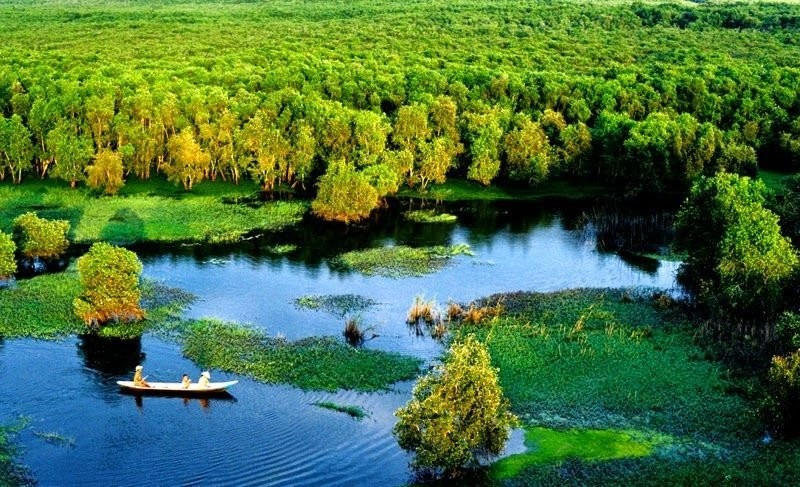
The best way to experience Tram Chim is by small boat, gliding silently through melaleuca forests.

The beauty of melaleuca trees

  • Slender white trunks rise from the water, creating a dreamy reflection.
  • In the morning mist, the forest looks like a natural painting.

Boat tours

  • Boats take visitors deep into flooded areas inaccessible by foot.
  • Guides explain the ecology and traditional uses of melaleuca wood and leaves.
  • Photography opportunities abound: reflections, wildlife, and lush greenery.

Peaceful atmosphere

  • The sound of paddles, bird calls, and rustling leaves create serenity.
  • Visitors feel immersed in a slower rhythm of life.
Boat trips reveal Tram Chim melaleuca beauty, wildlife, serene wetlands

Birdwatching paradise in Tram Chim

Tram Chim is internationally known as a sanctuary for birds, especially during the flooding season.

Species diversity

  • Over 230 species, including storks, herons, ducks, and kingfishers.
  • Seasonal migrations bring flocks of waterbirds.

The Sarus Crane

  • Symbol of Tram Chim, one of the tallest flying birds in the world.
  • Usually seen from late December to May, but other rare species are present year-round.

Birdwatching experience

  • Sunrise and sunset are the best times.
  • Wooden observation towers provide panoramic views.
  • Photographers often capture stunning images of birds in flight over wetlands.
Tram Chim is birdwatching paradise, Sarus cranes, seasonal migrations

Lotus ponds and aquatic plants – the floral jewels of Tram Chim

The flooding season turns Tram Chim into a giant water garden.

Lotus and water lilies

  • Fields of pink and white lotus flowers cover the water.
  • Locals harvest lotus seeds and stems for food.
  • Flowers are used in traditional rituals and offerings.

Other aquatic plants

  • Water ferns, grasses, and lilies provide shelter for fish and insects.
  • These plants contribute to the park’s biodiversity.

Cultural connection

  • Lotus is a symbol of purity and resilience in Vietnamese culture.
  • Visitors can taste dishes like lotus seed sweet soup or lotus salad.
Flooding season fills Tram Chim with lotus blooms, culture, biodiversity

Local life during the flooding season

The flooding season is not a disaster here—it is a blessing that sustains communities.

Fishing and harvesting

  • Locals use nets, bamboo traps, and traditional gear.
  • Seasonal fish like cá linh (small river fish) are abundant.
  • Shrimp, snails, and aquatic vegetables also provide income.

Floating houses and boats

  • Many families rely on boats as their main mode of transport.
  • Children learn to paddle from a young age.

Cuisine

  • Seasonal specialties include cá linh chiên giòn (fried fish), bông điên điển nấu canh chua (sour soup with flowers), and grilled snakehead fish wrapped in lotus leaves.
Flooding sustains Tram Chim livelihoods, fishing culture, seasonal cuisine

Photography and cultural storytelling at Tram Chim

The flooding season creates endless opportunities for visual and narrative exploration.

Photographic highlights

  • Early morning mist over lotus ponds.
  • Boats gliding through melaleuca forests
  • Women in conical hats harvesting lotus

Cultural storytelling

  • Each photograph tells stories of resilience, harmony, and tradition.
  • Festivals and local crafts reflect the Mekong Delta identity.
Flooding sustains Tram Chim livelihoods, fishing culture, seasonal cuisine

Practical travel tips for visiting Tram Chim during the flooding season

Planning ensures a smooth and rewarding trip.

Best time to visit

  • September to November for peak flooding season
  • December to May for birdwatching, especially Sarus Cranes.

How to get there

  • About 150 km from Ho Chi Minh City (3–4 hours by car or bus).
  • Tours often include Can Tho or other Mekong attractions.

What to bring

  • Lightweight clothing and hats for sun protection
  • Insect repellent and comfortable shoes.
  • Camera with zoom lens for bird photography.

Where to stay

  • Guesthouses and eco-lodges near the park.
  • Homestays offer cultural immersion with local families.
Plan well to enjoy Tram Chim seasons, wildlife, wetlands smoothly

Tram Chim as a symbol of ecological and cultural harmony

Tram Chim is more than a national park—it represents the balance between nature and people.

Ecological role

  • Protects wetlands crucial for biodiversity.
  • Acts as a buffer against floods.

Cultural significance

  • Supports traditional livelihoods and seasonal festivals.
  • Inspires poetry, art, and local pride.

Sustainable tourism

  • Eco-tours raise awareness of conservation.
  • Visitors contribute to community income through homestays and local guides.
Tram Chim symbolizes harmony between wetlands, people, culture, sustainability

Conclusion – A watery paradise in the heart of the Mekong Delta

Visiting Tram Chim National Park during the flooding season is like stepping into a living painting. The melaleuca forests, lotus ponds, and flocks of birds create a serene yet dynamic landscape. Meanwhile, the floating lives of locals showcase resilience and harmony with nature.

For travelers seeking both beauty and meaning, Tram Chim offers more than an escape—it is a lesson in coexistence, sustainability, and cultural richness. Whether gliding silently in a boat, tasting seasonal dishes, or watching birds take flight at dawn, the memories of Tram Chim remain unforgettable.
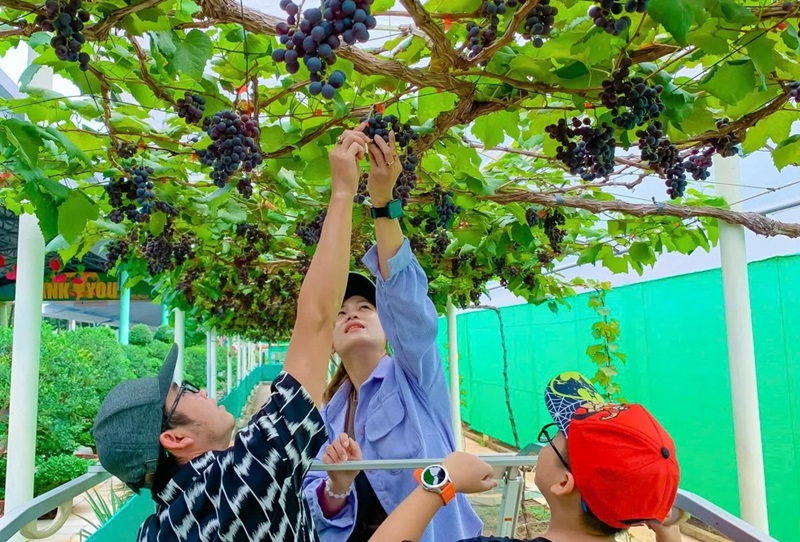
Amid the hustle and bustle of Ho Chi Minh City, a new form of tourism is gaining popularity—green tours to organic farms on the outskirts of Saigon. These trips offer city dwellers and travelers alike a refreshing escape into nature while learning about sustainable agriculture. Just a short drive away, visitors can step into a world of green fields, vegetable gardens, and eco-farming practices that reconnect people with the land. More than sightseeing, these tours emphasize hands-on experiences: planting, harvesting, cooking, and tasting fresh organic produce. For those seeking a healthier, eco-conscious lifestyle, organic farm tours near Saigon are both educational and deeply rewarding.

Organic farms near Saigon as a green tourism trend

With increasing concerns about food safety and environmental sustainability, organic farming has become more than a movement—it is now a lifestyle choice. Organic farms around Saigon serve not only as suppliers of clean food but also as destinations for eco-tourism.

Location and accessibility

  • Most farms are within 20–50 km from Ho Chi Minh City.
  • Districts such as Cu Chi, Hoc Mon, and Nha Be are popular for organic farming.
  • Easy access by motorbike, bus, or private car makes them ideal for day trips.
Organic farms near Ho Chi Minh City offer easy, eco-friendly day trips

The rise of eco-tourism

  • Families seek alternatives to malls and crowded attractions.
  • Schools organize field trips to teach children about nature.
  • Travelers want immersive experiences that combine relaxation and learning.
Urban families seek nature escapes, learning, immersive farm experiences

The organic farming philosophy and its benefits

Organic farms follow strict principles to ensure sustainability and health.

Farming without chemicals

  • No synthetic fertilizers or pesticides.
  • Use of compost, natural pest control, and crop rotation.
Organic farms avoid chemicals, using compost, natural pest control, crop rotation

Environmental benefits

  • Protects soil and water sources from pollution.
  • Encourages biodiversity with birds, insects, and beneficial plants.

Health benefits

  • Produce is fresher, safer, and richer in nutrients.
  • Encourages mindful eating and a closer connection to food sources.

Activities on an organic farm tour

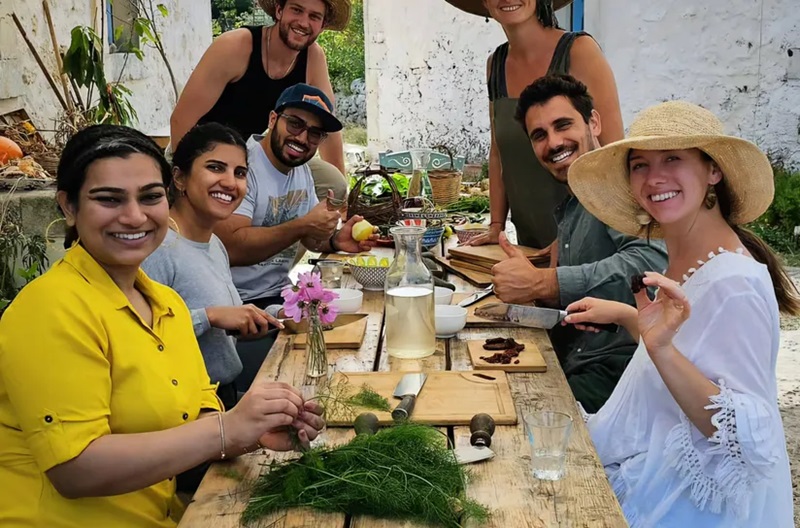
Green tours are interactive journeys, inviting visitors to participate in farm life rather than just observe.

Guided farm walks

  • Visitors are shown different crops: leafy greens, herbs, root vegetables.
  • Guides explain sustainable farming methods and seasonal planting.

Hands-on experiences

  • Planting seeds, watering crops, and harvesting vegetables.
  • Feeding chickens, ducks, or goats in integrated farms.
  • Learning composting and recycling techniques

Cooking and tasting sessions

  • Freshly harvested ingredients are turned into simple, healthy meals.
  • Popular dishes: stir-fried vegetables, salads, herbal teas.
  • Farm-to-table dining emphasizes freshness and sustainability.
Green tours offer hands-on farming, learning, cooking, sustainable experiences

Educational value of organic farm tours

Organic farm visits are not just recreational—they are educational experiences.

For children

  • Learning how food is grown encourages appreciation for farmers.
  • Outdoor activities develop teamwork and respect for nature.

For families

  • Strengthens bonds through shared activities.
  • Provides healthier lifestyle insights for everyday living.

For travelers

  • Offers deeper cultural understanding of Vietnamese agriculture.
  • Promotes sustainable travel choices.
Organic farm visits educate children, families, travelers about nature, food, sustainability

Popular organic farms and eco-destinations near Saigon

Several organic farms have become models for eco-tourism and education.

Organik Farm (Cu Chi)

  • Known for hydroponic and organic vegetables.
  • Offers workshops on planting and cooking.

Green Noen Farm (Hoc Mon)

  • Combines farming with eco-lodges.
  • Visitors can stay overnight and join farm activities.

Vuon Rau Sai Gon (Nha Be)

  • Focused on vegetables and herbs.
  • Popular for weekend family tours.

Community farms

  • Smaller farms run by cooperatives often welcome visitors.
  • Emphasize community-supported agriculture (CSA).
Organic farms near Saigon model eco-tourism, education, sustainable community agriculture

The slow-life experience on an organic farm

Green tours embody the philosophy of slow life—living in harmony with nature.

Daily rhythms

  • Early morning harvesting when dew is still on the leaves.
  • Afternoon relaxation under bamboo shelters.
  • Evening meals shared with hosts and fellow travelers.

Mindful living

  • Encourages slowing down, breathing fresh air, and appreciating simple joys.
  • Creates a balance between urban stress and rural peace.
Green tours reflect slow living, harmony with nature, mindful rural peace

Photography and memories on green tours

Organic farms offer plenty of photo opportunities for travel enthusiasts.

Photographic highlights

  • Rows of lush green vegetables.
  • Children with baskets of freshly picked produce.
  • Farmers working in traditional hats under the sun.

Storytelling

  • Every photograph tells a story of connection—between people, food, and nature.
  • Ideal for eco-travel blogs and family albums.

Practical tips for joining an organic farm tour

To make the experience enjoyable, a few preparations help.

What to wear

  • Light, comfortable clothes suitable for farming.
  • Hats and sunscreen for protection.
  • Shoes that can get muddy.

What to bring

  • Water bottles and eco-friendly containers.
  • Reusable bags for purchased vegetables.
  • Cameras for capturing memories.

Best time to visit

  • Year-round, though the dry season (Nov–Apr) is more comfortable.
  • Early mornings and late afternoons avoid midday heat.
Prepare well to enjoy green tours comfortably, sustainably, fully

The future of green tourism around Saigon

Organic farms are becoming symbols of sustainable development.

Economic opportunities

  • Provides farmers with stable income from tourism.
  • Diversifies rural economies.

Cultural preservation

  • Encourages respect for traditional farming practices.
  • Promotes community pride and intergenerational knowledge.

Sustainable lifestyle

  • Inspires visitors to adopt eco-friendly habits at home.
  • Builds awareness about environmental challenges.

Conclusion – A journey into green living

A visit to organic farms around Saigon is more than a day trip—it is a journey into sustainability, culture, and wellness. Whether walking through rows of vegetables, cooking with freshly picked herbs, or listening to farmers’ stories, travelers experience a side of Vietnam that is both authentic and forward-looking.

Green tours remind us that tourism can heal rather than harm, and that the slow rhythms of farm life can balance the fast pace of urban living. For families, schools, and eco-travelers, organic farms near Ho Chi Minh City offer not only clean food but also cleaner perspectives—on how we live, how we eat, and how we connect with the Earth.

Known as the City of Eternal Spring, Da Lat enchants travelers with pine forests, misty valleys, and flower gardens during the day. But when the sun sets, a new chapter begins: lights flicker on, markets open, and flower farms glow under the night sky. Night tourism in Da Lat is an unforgettable blend of food, culture, and nature. From strolling the lively Da Lat Night Market to wandering through illuminated flower villages, the city reveals a vibrant yet romantic atmosphere. For those looking to understand the full soul of Da Lat, discovering it at night is just as important as exploring it by day.

Da Lat’s night market as the beating heart of the city after sunset

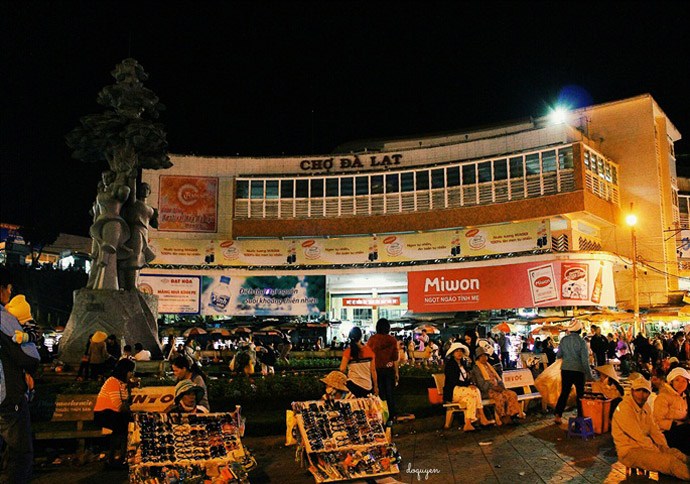
The Da Lat Night Market is more than a shopping space—it is the city’s cultural symbol after dark. For decades, this market has been where locals sell produce, where families gather for dinner, and where tourists experience the essence of Da Lat.

Street food paradise

Few places in Vietnam offer such diverse and affordable street food in one location. Visitors can enjoy:

  • Bánh tráng nướng (Vietnamese pizza): Crispy, savory, topped with eggs, cheese, and scallions.
  • Grilled sweet potatoes and corn: Hot, smoky, and perfect for Da Lat’s cold evenings.
  • Soy milk and artichoke tea: Served steaming hot, bringing warmth to hands and heart.
  • Lẩu gà lá é: A spicy chicken hotpot infused with basil leaves, ideal for groups.
  • Skewers of meat and vegetables: Marinated and grilled, giving off irresistible aromas.

Each dish costs just a few thousand to tens of thousands of dong, making it accessible for everyone.

Da Lat street food: diverse, affordable, comforting, unforgettable

Shopping and souvenirs

The market is also known for its shopping stalls:

  • Wool products: Scarves, gloves, sweaters—handmade and affordable.
  • Specialties: Dried fruits, jams, and artichoke tea are popular souvenirs.
  • Handicrafts: Embroidered items, wooden carvings, and unique trinkets.
Shopping stalls offer wool, souvenirs, and local handicrafts

The lively cultural vibe

  • Street musicians perform acoustic songs, adding romance.
  • Families stroll together, enjoying food and shopping.
  • Tourists find it an ideal spot to meet locals and feel the city’s heartbeat.
Music, families, and travelers create a lively atmosphere

Exploring Da Lat’s flower farms under the stars

While the night market shows Da Lat’s energy, the flower farms reveal its quiet beauty. Known as Vietnam’s flower capital, Da Lat’s farms are not only for daytime visits—many open their gates in the evening.

The charm of night flower farms

At night, Da Lat’s flower farms resemble glowing gardens:

  • Rows of roses, chrysanthemums, and lilies are illuminated.
  • The cool air intensifies floral scents.
  • Fewer visitors create a tranquil, romantic atmosphere.
Night flower farms glow, fragrant, tranquil, and romantic

Popular night flower farms

  • Thai Phien Flower Village: Famous for roses and chrysanthemums. At night, the greenhouses resemble a “valley of lights.”
  • Van Thanh Flower Village: One of the largest, producing flowers for export.
  • Hydrangea gardens: A photographer’s dream, glowing blue and purple.
Famous villages showcase glowing greenhouses and vibrant flower fields

Activities at flower farms

  • Guided tours explain planting and harvesting techniques.
  • Hands-on flower cutting and arranging workshops.
  • Photography sessions for couples, families, and travel bloggers.
Tours, workshops, and photo sessions enrich visitor experiences

Other night experiences that enrich Da Lat tourism

Da Lat’s night tourism extends far beyond markets and flower farms.

Strolling around Xuan Huong Lake

  • The lake becomes a romantic spot, reflecting city lights.
  • Couples often rent tandem bikes or take horse-drawn carriages.
  • Vendors sell snacks like roasted chestnuts and hot corn.
Romantic lake nights with rides, lights, and warm snacks

Cafes and rooftop bars

  • Da Lat is home to countless cafes with unique designs—glasshouses, treehouses, and rustic styles.
  • Rooftop bars provide panoramic views of the sparkling city.
  • Hot drinks like mulled wine and Da Lat coffee are favorites.
Creative cafes, rooftop views, and warm signature drinks

Night tours and adventures

  • Cloud-hunting tours: Jeeps or motorbikes take visitors to mountain viewpoints at night.
  • Strawberry farm visits: Some farms open at night for picking and tasting.
  • Night camping: Lakeside or forest camping experiences under starry skies.
Cloud hunting, night farms, and starlit camping adventures

The history and cultural role of Da Lat’s night market

The night market is not just a tourist creation—it has deep roots.

Origins

  • Began decades ago as a farmer’s market for vegetables and produce.
  • Grew into a hub for food and handicrafts as Da Lat tourism developed.

Role today

  • Provides livelihood for hundreds of local families.
  • Serves as a community space where generations gather.
  • Acts as a cultural showcase for visitors from around the world.
Night market roots support livelihoods and local culture

Why night tourism in Da Lat is unforgettable

What makes Da Lat special at night is its unique combination of vibrancy and tranquility.

A feast for the senses

  • The aroma of grilled food, the sight of glowing greenhouses, and the sound of street music.

A sense of community

  • Locals and tourists share the same spaces—eating, shopping, laughing.

A chance for slow travel

  • Instead of rushing through attractions, night tourism invites visitors to wander and savor.
Vibrant nights blending senses, community, and slow travel

Practical tips for enjoying Da Lat’s night tourism

Planning makes the experience smoother.

Best time to visit

  • Night tourism is year-round, but winter (Nov–Jan) offers the best atmosphere.

What to wear

  • Nights are cold (10–15°C), so jackets and scarves are essential.

How to get around

  • Walking works well in the city center.
  • Motorbikes or taxis are needed for flower farms.

Safety and etiquette

  • Keep valuables safe in crowded areas.
  • Respect flower farm rules: no picking without permission.
Plan ahead for cozy, safe, and enjoyable Da Lat nights

Night tourism as a reflection of Da Lat’s identity

Unlike nightlife in major cities filled with bars and clubs, Da Lat’s nights are rooted in culture and nature.

Preserving traditions

  • The night market reflects a long history of local trade.

Innovation for tourism

  • Night flower farms are creative ways to attract new generations of travelers.

Harmony of nature and culture

  • The combination of food, flowers, and music makes Da Lat unique.
Culture, nature, and tradition shape Da Lat nights

Conclusion – A magical night in the City of Flowers

To truly know Da Lat, one must see it both by day and by night. During the day, pine forests, waterfalls, and gardens show its natural beauty. But at night, the night market bursts with flavors and energy, while the flower farms glow with romantic charm. Together, they form a picture of Da Lat as a city where tradition and modernity, energy and calm, seamlessly blend.

For anyone seeking a destination that combines charm, authenticity, and memorable experiences, night tourism in Da Lat is an essential part of the journey. It is here, among the warmth of locals and the fragrance of flowers, that visitors truly understand why Da Lat is called the City of Flowers.

Amid the rugged beauty of Vietnam’s Central Highlands, Lak Lake (Hồ Lắk) lies like a vast mirror reflecting mountains, forests, and clouds. Known as the largest natural freshwater lake in Dak Lak Province, Lak is more than just a scenic attraction—it is a place where time slows down. Visitors come here to experience the quiet rhythm of nature, the traditions of the M’nong people, and the timeless charm of stilt houses by the water. For those seeking a break from the rush of modern life, Lak Lake offers the essence of slow living, where every sunrise, paddle stroke, and shared story feels meaningful.

Lak Lake as the heart of Dak Lak’s landscape and culture

Lak Lake covers more than 600 hectares and is surrounded by rolling hills, rice fields, and forests. Beyond its natural beauty, the lake holds deep cultural importance as the homeland of the M’nong ethnic minority, who have lived here for generations. Their legends speak of deities who blessed the land with water, ensuring life for both people and nature.

Location and features

  • About 56 km southeast of Buon Ma Thuot City.
  • Formed by tectonic activity, it remains a crucial water source for the region.
  • Home to diverse fish, birds, and aquatic plants.

Cultural importance

  • The M’nong people see the lake as sacred.
  • Traditional villages like Jun and M’Lieng preserve stilt houses and rituals tied to the lake.
Lak Lake blends natural beauty, wildlife, and M’nong culture

The beauty of slow mornings and peaceful sunsets at Lak Lake

The true charm of Lak Lake lies in its rhythm of light and time.

Dawn on the water

  • Early mornings cover the lake in mist.
  • Fishermen paddle dugout canoes silently, casting nets.
  • Reflections of sunrise create pastel colors across the surface.

Evening tranquility

  • Sunsets bathe the water in orange and gold.
  • Children play along the shore while buffalo return from fields.
  • The calm of dusk embodies the spirit of “slow life.
Lak Lake’s light and time create serene, slow beauty

Activities that reflect the rhythm of slow life

Travelers to Lak Lake can enjoy activities that emphasize harmony with nature rather than speed.

Canoeing and boat rides

  • Wooden dugout canoes rowed by locals.
  • Peaceful paddling across calm waters.
  • Opportunity to watch waterbirds and floating lotus flowers.

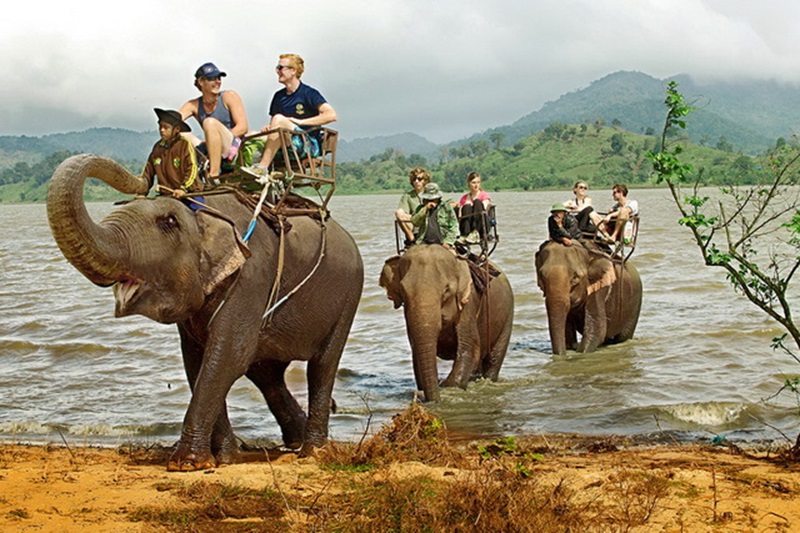
Elephant encounters

  • Dak Lak is known for elephants, traditionally used by the M’nong.
  • Ethical tours now focus on observation, feeding, and bathing elephants rather than heavy rides.
  • These experiences highlight respect for both animals and traditions.

Cycling and trekking

  • Paths around the lake pass through rice paddies and villages.
  • Trekking into nearby forests reveals waterfalls and birdlife.
Slow, nature-friendly activities connect travelers with Lak Lake’s soul

Experiencing M’nong culture in villages around Lak Lake

Life in Lak Lake is inseparable from the traditions of the M’nong people.

Homestays in stilt houses

  • Visitors stay in wooden houses on stilts.
  • Evenings are filled with local food, stories, and music.
  • Hospitality emphasizes community and connection.

Traditional cuisine

  • Cơm lam (bamboo sticky rice) roasted over fire.
  • Grilled lake fish marinated with forest herbs.
  • Can wine (rượu cần): rice wine drunk communally with bamboo straws.

Music and festivals

  • Gongs, drums, and bamboo instruments create hypnotic rhythms.
  • Festivals celebrate harvests, weddings, and spiritual rituals.
  • Performances often include dances by firelight.
M’nong traditions shape Lak Lake’s warm, communal way of life

Photography and storytelling at Lak Lake

Lak Lake is a paradise for those who love visual storytelling.

Photographic highlights

  • Misty mornings with fishermen.
  • Elephants walking along the shore.
  • Stilt houses mirrored in the water.

Storytelling moments

  • Children riding bicycles on dirt paths.
  • Women weaving or preparing food in front of stilt houses.
  • The lake itself, changing mood with each hour of the day.
Lak Lake offers timeless scenes for powerful visual storytelling

Practical travel tips for a slow-life journey at Lak Lake

To truly enjoy Lak Lake, travelers should plan for simplicity and patience.

How to get there

  • From Buon Ma Thuot City: 1.5–2 hours by car or motorbike.
  • Roads are scenic, passing coffee farms and small villages.

Best time to visit

  • Dry season (Nov–Apr): Clear skies and pleasant weather.
  • Rainy season (May–Oct): Lush landscapes, though some trails get muddy.

Where to stay

  • Homestays in Jun or M’Lieng villages.
  • Resorts near the lakeshore, blending comfort with nature.

Essentials to bring

  • Comfortable walking shoes.
  • Light jackets (cool evenings).
  • Camera, binoculars, and eco-friendly toiletries.
Simple planning ensures a calm, meaningful Lak Lake experience

Lak Lake as a symbol of slow life in Vietnam’s Central Highlands

More than just a tourist attraction, Lak Lake represents a philosophy of living in balance with nature and community. Travelers who come here discover that slowness is not idleness but awareness—of sunrise over water, of the laughter of children, of the taste of rice wine shared among friends.

Authentic lifestyle

  • Life flows with the seasons rather than the clock.

Connection to nature

  • Farming, fishing, and rituals are all tied to the lake’s cycles.

Lasting impressions

  • Visitors leave with not just photographs but also a sense of peace.

Conclusion – Finding peace where time slows down

A journey to Lak Lake in Dak Lak is an invitation to step away from modern rush and embrace a slower rhythm. Here, elephants wander by the water, canoes glide through mist, and villagers welcome guests with warmth. The landscapes soothe the eyes, while the culture nourishes the soul.

For anyone longing to rediscover balance, Lak Lake offers the perfect retreat—a place where tradition endures, nature thrives, and life flows gently with the water.

Just 13 kilometers from Hanoi’s Old Quarter, Bat Trang Pottery Village (Làng gốm Bát Tràng) has been making ceramics for over 700 years. Nestled on the banks of the Red River, this craft village is a living museum where clay, fire, and human skill meet to create enduring beauty. While Hanoi grows rapidly with modern skyscrapers, Bat Trang continues to preserve Vietnam’s traditional pottery art, offering visitors a rare chance to witness how ancient craftsmanship adapts to the modern world. A trip to Bat Trang is not only about buying ceramics—it is about stepping into a community where culture, creativity, and tradition remain alive.

Bat Trang Village as the cradle of Vietnamese ceramics

Bat Trang’s history dates back to the 14th century, when villagers began using high-quality local clay to produce durable household items. Over time, its reputation spread, and Bat Trang ceramics became prized goods across Asia. Today, the village remains a vibrant hub where artisans blend time-honored techniques with contemporary designs.

Historical origins

  • Established during the Ly–Tran dynasties, around the 14th–15th centuries.
  • Benefited from its location along the Red River, enabling trade with Hanoi and beyond.

Reputation

  • Known for high-quality porcelain and earthenware.
  • Products range from household items and decorative pieces to fine art sculptures.
Bat Trang blends centuries-old ceramic heritage with modern creativity

The beauty of Bat Trang ceramics in daily life and art

What makes Bat Trang unique is the diversity of its ceramic art, which reflects both practicality and aesthetics.

Functional pottery

  • Bowls, plates, cups, and jars used daily in Vietnamese households.
  • Famous for durability, resistance to heat, and simple elegance.

Decorative ceramics

  • Dragon vases, wall murals, and statues for temples and homes.
  • Glazed in traditional colors like jade green, indigo, and ivory white.

Contemporary designs

  • Young artisans experiment with modern styles for global markets.
  • Fusion of old motifs with minimalist forms appeals to international buyers.
Bat Trang ceramics unite everyday function, artistic beauty, and modern innovation

Visiting Bat Trang – experiences for travelers

A visit to Bat Trang is interactive and immersive. Beyond browsing shops, travelers can step directly into workshops and try their hand at pottery.

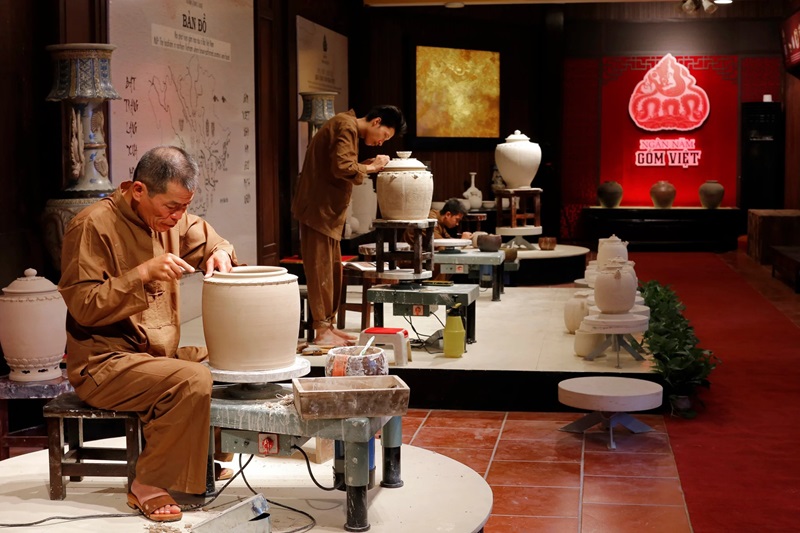
Pottery workshops

  • Guided by artisans, visitors learn to shape clay on spinning wheels.
  • Hands-on experience: molding, painting, and glazing.
  • Finished items can be baked and taken home as souvenirs.
Hands-on pottery workshops let visitors create their own ceramics

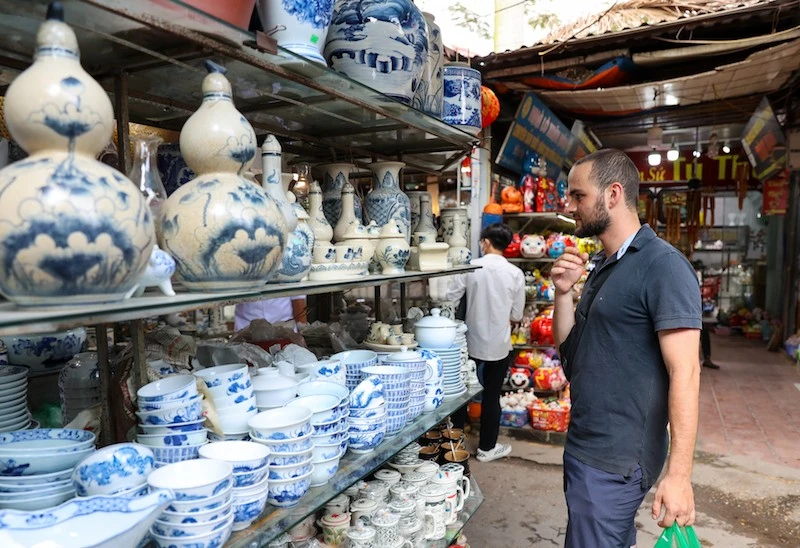
Bat Trang Pottery Market

  • A bustling center with stalls selling everything from teacups to large vases.
  • Bargaining is common, and many items are affordable.
  • Unique finds include hand-painted tiles, ceramic jewelry, and bonsai pots.
Bustling market offers affordable ceramics and unique handmade finds

Village walk

  • Narrow lanes lined with kilns and stilted houses.
  • Murals and ceramic mosaics showcase the artistic spirit.
Narrow lanes, kilns, and ceramic art reflect Bat Trang’s soul

Cultural heritage and community life in Bat Trang

Bat Trang is not only about commerce—it is a living cultural space where traditions continue in daily life.

Community spirit

  • Families often run multi-generational workshops.
  • Knowledge is passed down from parents to children.

Festivals

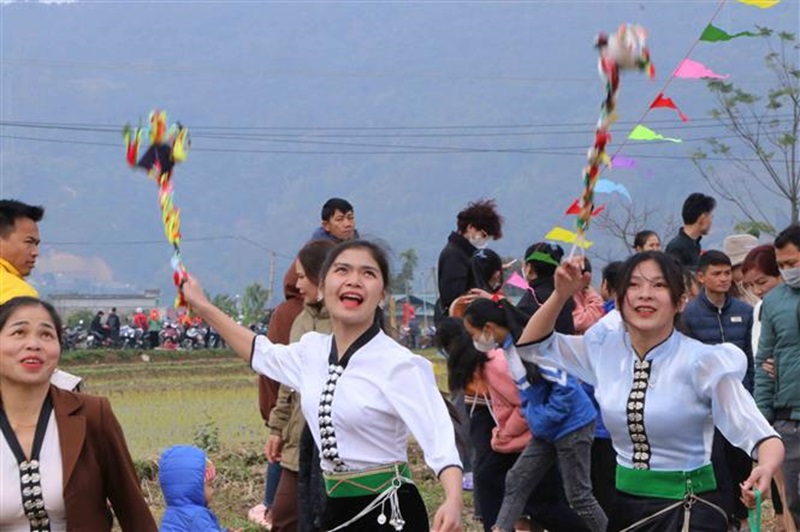
  • Bat Trang Village Festival in spring celebrates the craft with rituals, games, and performances.
  • Villagers pray for prosperity and honor their ancestors who created the trade.

Education

  • Bat Trang Ceramic Museum teaches history through exhibitions and interactive displays.
  • Schools organize trips so young people can appreciate their heritage.
Bat Trang lives through community, festivals, and ceramic heritage

Photography and artistic inspiration at Bat Trang

Bat Trang’s charm also lies in its photogenic details, where old meets new.

Photographic highlights

  • Artisans’ hands shaping wet clay.
  • Rows of colorful ceramics under sunlight.
  • Ancient kilns and village lanes with traditional architecture.

Artistic inspiration

  • Many painters and designers visit Bat Trang for creative ideas.
  • The textures, colors, and motifs inspire both local and international artists.
Bat Trang’s photogenic details inspire artists where tradition meets modern creativity

Practical tips for visiting Bat Trang Pottery Village

To enjoy Bat Trang fully, travelers should plan ahead.

How to get there

  • Only 30 minutes from Hanoi by car, motorbike, or bus (Route 47 from Long Bien).
  • Ideal for a half-day or full-day trip.

What to bring

  • Comfortable walking shoes.
  • Extra cash for purchases (many shops are family-run and may not accept cards).
  • Clothes you don’t mind getting dirty if joining pottery classes.

Best time to visit

  • Year-round destination.
  • Spring and autumn offer cooler weather for village walks.
Plan ahead for a smooth, creative Bat Trang village visit

Bat Trang as a symbol of living tradition

Unlike many villages where traditional crafts have faded, Bat Trang continues to thrive. Its success lies in its ability to adapt without losing identity. While artisans embrace modern technology and global markets, they remain rooted in centuries-old techniques. Visitors can see this balance firsthand: ancient kilns still operate beside modern showrooms.

Tradition preserved

  • Glazing and firing methods remain faithful to old practices.
  • Symbols of dragons, phoenixes, and lotuses continue to decorate ceramics.

Innovation embraced

  • Young artists bring fresh designs for export markets.
  • Collaborations with international brands expand Bat Trang’s reach.
Bat Trang thrives by balancing tradition, innovation, and identity

Conclusion – Bat Trang, where tradition lives on

A journey to Bat Trang Pottery Village is more than a shopping trip; it is a cultural pilgrimage into Vietnam’s heritage. The sight of clay transformed into elegant bowls, the smell of kilns burning, and the joy of shaping pottery with your own hands create an unforgettable memory.

Bat Trang shows that tradition is not static—it is alive, adapting, and inspiring. By visiting, travelers not only bring home beautiful ceramics but also become part of a living story that connects past and present, artisans and visitors, Vietnam and the world.

Nestled in the limestone mountains of Thanh Hoa Province, Pu Luong Nature Reserve is not only a paradise of terraced rice fields and forested valleys but also home to the Thai ethnic minority, one of Vietnam’s most hospitable communities. A trip to Pu Luong is never complete without a cultural exchange with the Thai people, whose stilt houses, folk dances, and traditional cuisine embody the spirit of harmony between humans and nature. Travelers who stay in local homestays discover not just breathtaking scenery but also heartfelt connections through music, food, and daily life.

The Thai people as the cultural soul of Pu Luong

The Thai ethnic group, one of Vietnam’s largest minorities, has lived in Pu Luong for centuries. Their culture is inseparable from the land: stilt houses stand above rice paddies, bamboo bridges cross streams, and festivals follow the rhythm of planting and harvesting. A cultural exchange with them is an immersion into both tradition and hospitality.

Origins and settlement

  • The Thai migrated from northwestern regions centuries ago.
  • Today they form the majority in Pu Luong villages like Don, Hieu, and Kho Muong.

Way of life

  • Houses on stilts made of bamboo and wood.
  • Farming rice, maize, and raising livestock.
  • Weaving brocade and making handicrafts as secondary income.
Thai culture in Pu Luong blends land, tradition, and hospitality

The experience of staying in a Thai homestay in Pu Luong

Homestays are the heart of cultural exchange in Pu Luong. Instead of hotels, visitors sleep in stilt houses alongside Thai families.

Accommodation style

  • Large wooden houses on stilts with shared sleeping spaces.
  • Mats, mosquito nets, and blankets provided.
  • Open verandas with views of rice terraces or streams.

Daily life participation

  • Help prepare meals or join farming activities.
  • Learn weaving, basketry, or rice wine making.
  • Share evening conversations by the fire.
Pu Luong homestays offer authentic life with Thai families

Traditional Thai cuisine as part of cultural exchange

Food is central to Thai hospitality. A meal in Pu Luong is a chance to taste local ingredients prepared with unique techniques.

Signature dishes

  • Com lam (bamboo sticky rice): Rice cooked in bamboo tubes
  • Grilled stream fish: Marinated with lemongrass and wrapped in banana leaves.
  • Buffalo meat stir-fried with wild herbs.
  • Can wine (rượu cần): Rice wine drunk communally through long bamboo straws.

Dining customs

  • Meals are shared on a round bamboo tray.
  • Guests sit beside elders and are invited to eat first.
  • Drinking toasts strengthen bonds between hosts and visitors.
Thai hospitality in Pu Luong is shared through food, tradition, and community

Thai folk music, dance, and festivals in Pu Luong

Evenings in Pu Luong often come alive with music and dance performed by villagers.

Folk music and instruments

  • Bamboo flutes, gongs, and drums accompany songs about love and nature.
  • Melodies echo the rhythm of daily life in the valley.

Traditional dance

  • Xoe dance: Circle dance symbolizing unity and joy.
  • Visitors are invited to join, holding hands with locals around a fire.

Festivals

  • Xen Ban, Xen Muong: Prayers for good harvests.
  • New Rice Festival: Celebrates the first rice crop with offerings and feasting.
  • Each festival is a chance for travelers to witness authentic rituals.
Pu Luong evenings celebrate Thai music, dance, and living traditions

Exploring nature with Thai guides in Pu Luong

Beyond cultural immersion, Thai villagers often act as local guides, leading travelers through hidden landscapes.

Trekking routes

  • Through terraced rice fields that change color with the seasons.
  • To Hieu Waterfall, a favorite swimming spot.
  • Into Kho Muong Cave, a karst cavern linked to village legends.

Farming activities

  • Visitors may join in planting or harvesting rice.
  • Learn how irrigation canals and bamboo water wheels are built.

Nature respect

  • The Thai see forests, rivers, and rice paddies as sacred.
  • Their knowledge of plants and herbs adds depth to eco-tours.
Thai guides lead treks blending nature, farming life, and local wisdom

Photography opportunities during cultural exchange

Pu Luong offers some of the most photogenic scenes in northern Vietnam, made richer by cultural interaction.

Portraits of daily life

  • Women weaving colorful brocade.
  • Farmers leading buffalo across rice terraces.
  • Children playing by streams or carrying baskets.

Landscapes

  • Stilt houses framed by green terraces.
  • Sunset light casting long shadows on bamboo bridges.
  • Festivals with villagers in traditional costumes.
Pu Luong scenes blend culture, people, and timeless landscapes

Practical tips for cultural exchange in Pu Luong

To make the most of the experience, travelers should prepare thoughtfully and respectfully.

Travel logistics

  • From Hanoi: 4–5 hours by car or motorbike.
  • Best time: Spring (Feb–Apr) and autumn (Sep–Nov) when rice fields are lush or golden.

What to bring

  • Comfortable clothes and shoes for trekking.
  • Small gifts (tea, notebooks for children) as tokens of gratitude.
  • Camera and binoculars for nature and wildlife.

Etiquette

  • Ask before taking close-up photos.
  • Respect seating arrangements in communal meals.
  • Avoid excessive drinking unless comfortable with toasts.
Thoughtful preparation ensures respectful, rewarding travel in Pu Luong

Why cultural exchange with the Thai in Pu Luong is unforgettable

What makes a journey to Pu Luong truly memorable is not only its majestic landscapes but also the warm embrace of the Thai ethnic community. Staying in traditional stilt houses, sharing home-cooked meals, and joining daily activities turn visitors from strangers into friends. Each encounter carries a sense of authenticity – from folk festivals filled with music and dance to farming rituals that have been practiced for centuries. These living traditions reveal a way of life where culture is preserved naturally through work, celebration, and family ties. Surrounded by terraced fields and lush forests, travelers discover that the real beauty of Pu Luong lies in the harmony between nature and people, with Thai hospitality at the very heart of the experience.

Conclusion – Pu Luong’s beauty is in its people

A journey to Pu Luong is a chance to admire rice terraces, waterfalls, and caves, but the real treasure lies in the Thai ethnic community. Their open-hearted welcome, cultural traditions, and harmony with nature transform a trip into an experience of belonging. Sharing food, joining dances, and waking to the sound of roosters in a stilt house leave memories far deeper than photographs.

For travelers seeking not just to see but to live and learn, cultural exchange with the Thai people in Pu Luong is one of Vietnam’s most rewarding experiences.

Nestled in the mountains of Bac Kan Province, Ba Be Lake (Hồ Ba Bể) is one of Vietnam’s greatest natural treasures. Known as the country’s largest natural freshwater lake, Ba Be is more than a scenic destination – it is a world of limestone mountains, mysterious caves, hidden waterfalls, and the rich traditions of ethnic minorities. For travelers seeking tranquility, adventure, and cultural immersion, a journey to Ba Be is both refreshing and unforgettable. The lake’s emerald waters reflect the sky and forests, while legends and traditions give it a timeless spiritual charm.

Ba Be Lake as a natural and cultural wonder of northern Vietnam

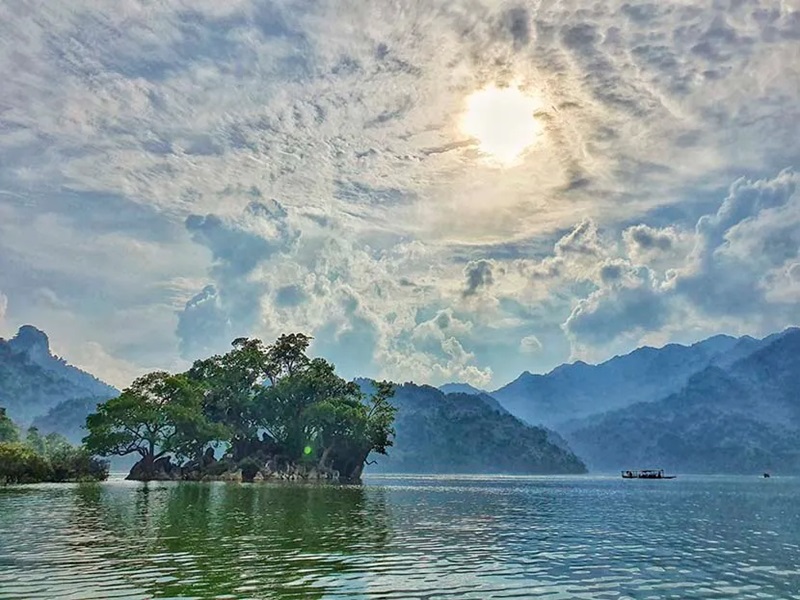
Ba Be Lake is located within Ba Be National Park, a UNESCO-recognized wetland of international importance. Formed more than 200 million years ago, the lake lies at an elevation of 145 meters above sea level and stretches over 8 kilometers. Surrounded by towering limestone karsts and dense forests, it is often called the “green pearl” of Vietnam’s northeast. For the Tay, Dao, and H’mong people who live around the lake, Ba Be is not just water – it is a sacred gift, tied to myths and daily life.

Location and size

  • Situated in Nam Mau Commune, Ba Be District, Bac Kan Province.
  • Covers nearly 500 hectares with three main sections: Pe Lam, Pe Lu, and Pe Leng.
  • Fed by rivers, springs, and underground streams.

Cultural value

  • Home to Tay, Dao, and H’mong ethnic communities.
  • Legends tell of a divine dragon that protected villagers, giving the lake its spiritual meaning.
Ba Be Lake: Sacred Green Pearl of Vietnam

The breathtaking beauty of Ba Be Lake at sunrise and sunset

Ba Be Lake changes color and atmosphere throughout the day, offering endless photographic and emotional impressions.

Sunrise serenity

  • Early mornings reveal mist rising from the water.
  • Fishermen row silently, casting nets against a pastel sky.
  • Birds and monkeys stir in the surrounding forests.

Sunset charm

  • Golden light reflects on limestone cliffs.
  • Boats glide across glowing water, framed by mountains.
  • Evenings bring peace, with fireflies glowing in village yards.
Ba Be Lake From Misty Dawn to Sunset

Exploring Ba Be Lake by boat – the best way to see its beauty

The most memorable experience at Ba Be is gliding across its emerald surface on a wooden boat.

Traditional boat tours

  • Local Tay villagers operate boats that take visitors deep into the lake.
  • Stops often include caves, waterfalls, and ethnic villages.

Popular routes

  • Dau Dang Waterfall: Where the Nang River tumbles down rugged rocks.
  • Puong Cave: A limestone tunnel with stalactites and colonies of bats.
  • Fairy Pond (Ao Tiên): A tranquil spot said to be where fairies once bathed.

Unique experience

  • The silence of rowing boats allows travelers to hear birdsong and the rustling forest.
  • Visitors often describe the trip as floating through a natural cathedral.
Wooden Boat Journey on Emerald Ba Be Lake

Adventures beyond the lake – caves, waterfalls, and trekking trails

Ba Be National Park offers more than just the lake itself. Its landscapes invite exploration by hikers, bikers, and nature lovers.

Caves and grottoes

  • Puong Cave: Famous for its 300-meter length and dramatic karst formations.
  • Lo Mo Cave: Remote and less visited, perfect for adventurers.
Ba Be Caves: Puong Grandeur, Lo Mo Wildness

Waterfalls

  • Dau Dang Waterfall: A powerful cascade connecting the Nang River with Ba Be Lake.
  • Silver Waterfall (Thác Bạc): Smaller but picturesque, surrounded by forest.
Ba Be Waterfalls: Dau Dang and Silver Falls

Trekking and cycling

  • Trails lead through villages, rice terraces, and bamboo forests.
  • Multi-day treks connect Ba Be with Ban Gioc Waterfall in Cao Bang.

The cultural richness of ethnic minorities around Ba Be

A visit to Ba Be is not complete without meeting the communities who live along its shores.

Tay villages

  • Stilt houses line the lake’s edge.
  • Visitors can stay in homestays, enjoying local hospitality and cuisine.
Ba Be Lakeside Stilt Houses and Warm Homestays

Traditional food

  • Grilled fish from Ba Be Lake.
  • Sticky rice cooked in bamboo (cơm lam).
  • Corn wine (rượu ngô), shared during evenings of storytelling and music.
Ba Be Flavors: Fish, Bamboo Rice, Corn Wine

Folk culture

  • Festivals feature singing, dancing, and rituals honoring lake spirits.
  • Tay people maintain legends about the lake’s formation and its protective power.
Ba Be Festivals and Sacred Tay Lake Legends

Photography and nature observation at Ba Be

Ba Be is a paradise for photographers and nature lovers.

Photography highlights

  • Misty mornings with fishermen.
  • Reflections of karst cliffs at midday.
  • Sunset silhouettes of boats and mountains.
Ba Be Lake Through Mist, Light, and Sunset

Wildlife observation

  • The park hosts more than 300 species of butterflies, 65 mammals, and over 200 bird species.
  • Lucky visitors may spot langurs, macaques, or rare hornbills.
Ba Be Wildlife: Butterflies, Birds, Rare Mammals

Practical travel tips for visiting Ba Be Lake

Preparation enhances the experience and helps preserve the environment.

How to get there

  • From Hanoi: 5–6 hours by bus or private car (230 km).
  • Local buses run from My Dinh Bus Station to Ba Be.

Accommodation

  • Homestays in Pac Ngoi and Coc Toc villages.
  • Guesthouses and eco-lodges inside the national park.

Best time to visit

  • Dry season (Oct–April): Comfortable weather and clear water.
  • Rainy season (May–Sept): Lush scenery and powerful waterfalls, but wetter trails.

Essentials to bring

  • Comfortable walking shoes.
  • Light raincoat and insect repellent.
  • Camera, binoculars, and eco-friendly toiletries.
Travel Tips for Visiting Ba Be National Park

Why Ba Be Lake is Vietnam’s freshwater jewel

Ba Be is not just the largest freshwater lake in Vietnam; it is a living landscape of nature and culture. Travelers here experience both adventure and tranquility – a balance that few destinations achieve.

Natural wonder

  • Unique karst lake ecosystem more than 200 million years old.

Cultural depth

  • Home to Tay communities preserving ancient traditions.

Adventure opportunities

  • Boating, trekking, cycling, and cave exploration.
Ba Be Lake Where Nature Culture Adventure Meet

Conclusion – A timeless journey on Vietnam’s green pearl

Visiting Ba Be Lake is like stepping into a painting where water, mountains, forests, and people harmonize perfectly. Whether you come for sunrise photography, a boat ride to caves and waterfalls, or a homestay with Tay families, Ba Be offers something unforgettable. It is both Vietnam’s largest freshwater lake and one of its greatest cultural landscapes.
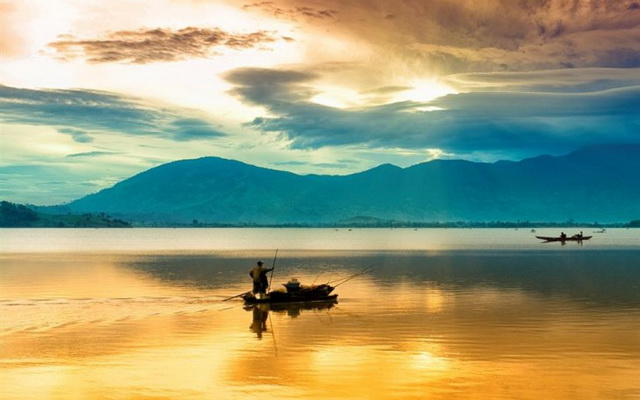
For travelers seeking more than just a destination, Ba Be Lake is an experience of balance: between earth and water, humans and nature, the past and the present.

Rising majestically from the plains of southern Vietnam, Ba Den Mountain (Núi Bà Đen) in Tay Ninh Province is often called the “roof of the South.” At 986 meters, it is the highest mountain in the Mekong Delta region and a legendary destination combining spirituality, adventure, and natural beauty. Among all experiences here, none is as magical as welcoming the sunrise on Ba Den Mountain. As dawn breaks, clouds swirl below your feet, and golden light floods the horizon, painting the landscape with breathtaking colors. For travelers seeking both challenge and serenity, sunrise on Ba Den is a journey worth every step.

High above the flat plains of southern Vietnam, Ba Den Mountain (Núi Bà Đen) rises like a solitary guardian. Known as the “roof of the South,” it is both a spiritual sanctuary and an adventure destination. While the mountain draws millions of pilgrims throughout the year, one experience surpasses them all in magic: welcoming the sunrise at its summit. At dawn, golden light spills across endless horizons, clouds drift below your feet, and temple bells echo softly in the cool air. For those seeking a journey that blends nature, culture, and self-discovery, sunrise on Ba Den Mountain is an unforgettable highlight.

Ba Den Mountain as the spiritual and cultural heart of Tay Ninh

Standing at 986 meters, Ba Den is not only the tallest mountain in southern Vietnam but also a site steeped in legends, religion, and cultural identity. Locals tell the story of the “Black Lady” (Bà Đen), a woman of great loyalty whose spirit is said to protect the land and bless pilgrims. This blend of myth and faith gives the mountain a sacred aura. Temples and pagodas dot its slopes, attracting worshippers who come to light incense, make offerings, and pray for peace and prosperity. Beyond its spiritual role, Ba Den has become a cultural icon for Tay Ninh and a symbol of resilience for southern people.

Location and accessibility

  • About 100 km northwest of Ho Chi Minh City, reachable by car in 2.5–3 hours.
  • Close to the Cambodian border, offering views that stretch beyond Vietnam.

Religious importance

  • Ba Den Pagoda is one of the largest and most sacred in the south.
  • Pilgrimage peaks during Tet and the 5th lunar month festival.
Ba Den Mountain Sacred Peak of Southern Vietnam

The magic of sunrise above the clouds on Ba Den Mountain

Witnessing the sunrise on Ba Den is like stepping into another world. Before dawn, darkness and silence dominate the slopes. But as light gradually creeps over the horizon, the mountain transforms into a stage of breathtaking natural drama.

A sea of clouds embracing the peak

  • During the dry season (December–April), thick mist covers the plains.
  • Standing on the summit feels like floating above an ocean of white waves.

The golden moment of dawn

  • The sky shifts from deep purple to pink, orange, and finally golden hues.
  • Sunlight illuminates temples and flags, creating striking silhouettes.

Spiritual awakening with nature

  • Many pilgrims combine sunrise with early morning prayers.
  • For travelers, it is both a visual and emotional renewal.
Ba Den Sunrise Above Clouds Faith and Light

Different ways to reach the summit for sunrise

Climbing Ba Den is not just about the destination but the journey itself. Depending on fitness and preferences, travelers can choose between hiking under the stars or riding the modern cable car.

Hiking trails for night trekkers

  • Pagoda Route: Popular trail that passes temples, offering cultural stops.
  • Electric Pole Route: Shorter but steep, ideal for adventurous youth.
  • Ma Thien Lanh Route: Scenic, less crowded, but requires stamina. Most hikes take 3–5 hours, so climbers usually start around midnight.
Ba Den Hiking Routes Trails Timing Overview Guide

Cable car convenience

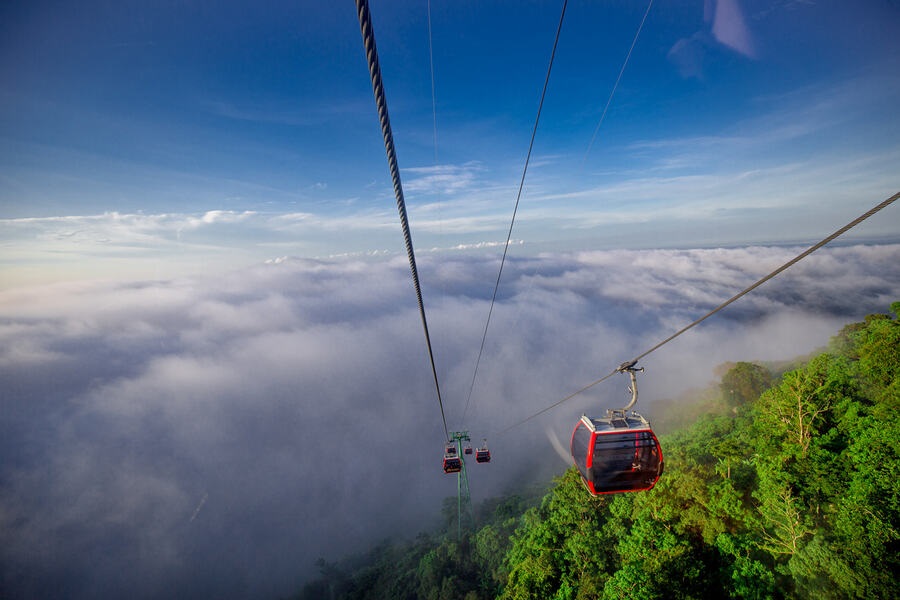
  • Ba Den Cable Car System is one of the most advanced in Asia.
  • It opens early enough to catch the sunrise.
  • Comfortable cabins with panoramic views, ideal for families and older visitors.
Ba Den Cable Car Sunrise Comfort Panoramic Views

Combination option

  • Many hikers trek up at night for the adventure, then descend by cable car to enjoy the scenery in daylight.

The step-by-step sunrise experience

The journey begins long before the first light touches the horizon. Travelers prepare mentally and physically for the unique atmosphere at the peak.

Night trekking to the summit

  • Groups gather around midnight with flashlights, snacks, and jackets.
  • The silence of the forest is broken only by the sound of footsteps and cicadas.
  • Occasional rest stops at pagodas provide spiritual energy.
Midnight Trek Through Ba Den Forest Silence Spiritual

Waiting for the first light

  • Climbers arrive at the summit around 4:30–5:00 AM.
  • Locals sell tea and bánh tráng nướng, offering warmth against the chill.
  • The east-facing rocks provide perfect viewpoints.
Ba Den Summit Dawn Tea Warmth and Views

The breathtaking golden hour

  • The horizon glows orange before the sun appears.
  • Clouds swirl below, turning pink and silver.
  • The crowd cheers as the first rays break, cameras click, and prayers rise with the smoke of incense.

Exploring after sunrise

  • Visit Ba Den Pagoda and smaller temples near the top.
  • Enjoy breakfast from local vendors.
  • Walk along scenic paths before descending.
Morning Rituals at Ba Den Mountain Summit

Photography heaven for sunrise hunters

Ba Den Mountain is one of Vietnam’s best sunrise photography spots.

Best season and timing

  • Dry season ensures clear skies and dense morning mist.
  • Arrive at least 30 minutes before sunrise for setup.

Equipment tips

  • Wide-angle lens: To capture expansive cloud seas.
  • Telephoto lens: To frame distant silhouettes of temples and flags.
  • Tripod: Essential for pre-dawn low light.
  • Drone: Offers aerial shots of clouds and peaks (check local regulations).

Composition ideas

  • Use temple roofs, flags, or pilgrims as foregrounds.
  • Capture both the glowing sky and the misty plains below.
  • Don’t forget candid shots of locals praying at dawn.
Ba Den Mountain Sunrise Photography Guide Tips

The cultural and spiritual dimension of Ba Den sunrise

Beyond its scenic allure, sunrise on Ba Den carries deep spiritual meaning. The mountain is regarded as a bridge between heaven and earth.

Pilgrimage and faith

  • Many believe that being the first to offer prayers at dawn brings luck.
  • Festivals attract thousands who climb before sunrise to honor the goddess Ba Den.

Cultural traditions

  • Music, chanting, and incense create a mystical atmosphere.
  • Pilgrims often donate food to fellow travelers or invite strangers to join meals.
Ba Den Sunrise Faith Culture and Heaven Meet

More to explore around Tay Ninh after sunrise

While sunrise is the highlight, Ba Den is part of a larger journey through Tay Ninh.

Cao Dai Holy See

  • Headquarters of the Cao Dai religion, known for colorful architecture.
  • A short trip from Ba Den, offering spiritual and cultural enrichment.
Cao Dai Holy See Colorful Spiritual Landmark Nearby

Dau Tieng Lake

  • Vast artificial lake ideal for photography, cycling, or picnics.
  • The sunset here contrasts beautifully with Ba Den’s sunrise.
Dau Tieng Lake Sunset Contrast Ba Den Sunrise

Local cuisine

  • Bánh canh Trảng Bàng (thick noodle soup with pork and herbs)
  • Grilled mountain chicken, goat hotpot, and fresh fruits.
  • Tay Ninh’s famous chili salt (muối ớt) makes a perfect souvenir.

Practical tips for a perfect sunrise trip

Preparation makes the difference between a smooth experience and a stressful one.

Safety and comfort

  • Trek in groups; solo night climbs can be risky.
  • Bring water, snacks, and headlamps.
  • Wear layered clothing – nights are cold, days are warm.

Respect and etiquette

  • Keep quiet at temples and pagodas.
  • Avoid littering; carry your trash down.
  • Greet locals politely and ask permission before taking close portraits.

Best timing

  • Weekdays are calmer than weekends or festivals.
  • The dry season offers the most reliable conditions.
Ba Den Sunrise Travel Tips Safety Respect Timing

Why sunrise on Ba Den is unforgettable

Few places in southern Vietnam combine so many elements: natural beauty, spiritual atmosphere, cultural depth, and easy accessibility from Ho Chi Minh City.

Natural wonder

  • A sea of clouds at dawn creates one of the most photogenic scenes in Vietnam.

Adventure

  • Night trekking challenges the body and rewards with epic views.

Spiritual meaning

  • Sunrise prayers give a sense of renewal and hope.

Accessibility

  • Just 2.5 hours from Ho Chi Minh City, it is an ideal short getaway.
Ba Den Mountain Where Nature Faith Adventure Unite

Conclusion – A dawn that stays with you forever

Welcoming the sunrise on Ba Den Mountain is not just about watching the sun rise—it is about transformation. From the challenge of the climb to the serenity of prayer and the joy of standing above the clouds, every step deepens the experience. It is a moment that unites nature, culture, and spirituality in perfect harmony.

For adventurers, it is a reward after a night trek. For pilgrims, it is a blessing of light. For travelers, it is a story to carry home. And for everyone, it is a memory that endures long after the golden light fades.

Among all Vietnamese holidays, none is more important and deeply rooted than Tet Nguyen Dan, the Lunar New Year Festival. Celebrated in late January or February, Tet is more than just the turning of the calendar; it is a sacred time when families reunite, ancestors are honored, and hopes for prosperity are renewed. For travelers curious about Vietnamese culture and family traditions, experiencing Tet offers a rare glimpse into the nation’s heart. From bustling markets selling kumquat trees and sticky rice cakes to heartfelt family gatherings, Tet represents both continuity and renewal.

The Meaning of Tet Nguyen Dan

Origins

Tet derives from the Sino-Vietnamese word Tiet, meaning “season” or “festival.” It coincides with the Lunar New Year celebrated across Asia but has uniquely Vietnamese expressions. Traditionally, Tet marks the arrival of spring, a time of agricultural renewal and spiritual cleansing.

Tet Origins Lunar New Year Vietnamese Spring Festival

Symbolism

  • Family unity: Children return to their parents, and extended families gather.
  • Ancestral respect: Homes are decorated with altars and offerings.
  • New beginnings: Old debts are settled, grudges forgotten, and houses cleaned to welcome fortune.
Tet Values Family Unity Ancestry Renewal New Beginnings

Preparations Before Tet

Cleaning and Decorating the Home

Vietnamese families believe that sweeping away dust and clutter clears out bad luck. Homes are adorned with:

  • Peach blossoms (hoa đào) in the North, symbolizing renewal.
  • Apricot blossoms (hoa mai) in the South, symbolizing prosperity.
  • Kumquat trees (cây quất) with golden fruit, representing wealth and fertility.
Tet Decorations Blossoms Kumquat Luck Prosperity

Shopping at Tet Markets

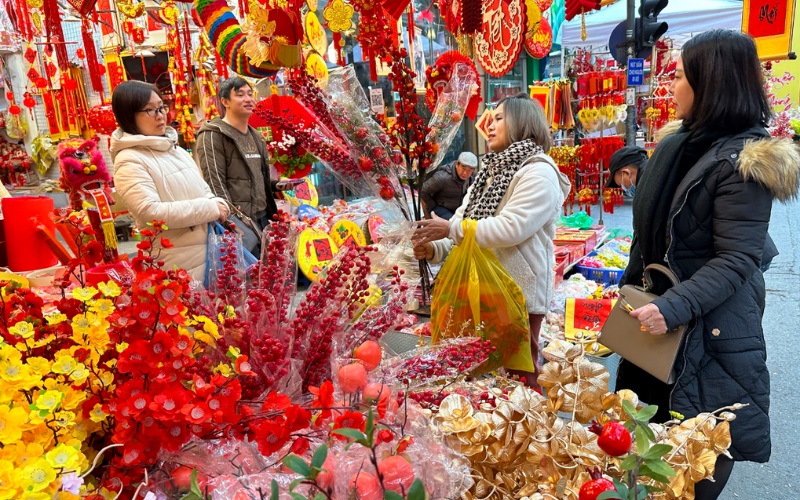
Bustling markets sell everything from sticky rice and mung beans to red envelopes, lanterns, and festive clothing. The atmosphere is one of joy, anticipation, and togetherness.

Tet Markets Joyful Colors Traditions and Togetherness

Food Preparations

Families prepare traditional dishes days in advance:

  • Bánh chưng (square sticky rice cake) in the North.
  • Bánh tét (cylindrical sticky rice cake) in the South. Both are made with sticky rice, mung beans, and pork, wrapped in green leaves, symbolizing the Earth and gratitude to ancestors.
Tet Traditional Cakes Banh Chung Banh Tet Symbolism

Family and Cultural Traditions

New Year’s Eve (Giao Thừa)

  • Families gather for a meal and ancestral offerings.
  • Firecrackers (in the past) and now fireworks mark the transition.
  • Incense is lit to invite ancestors’ spirits home.
Tet New Year Eve Rituals Family Ancestral Reunion

The First Visitor (Xông Đất)

The first guest to enter a home in the new year influences its fortune. Families often choose someone with good health, prosperity, and kindness to bring luck.

Tet First Guest Brings Luck Prosperity Belief

Ancestor Worship

Each household has an altar with offerings of food, flowers, and incense to honor deceased relatives. This practice connects generations and reinforces respect for heritage.

Vietnamese Tet Ancestral Altars Honoring Heritage Across Generations

Giving Lucky Money (Lì Xì)

Elders give children red envelopes with money, symbolizing blessings, luck, and growth.

Tet Red Envelopes Bring Blessings Luck Growth Prosperity

Visiting Relatives (Chúc Tết)

Families spend days visiting extended relatives, teachers, and friends, exchanging greetings of health and prosperity.

Tet Visits Strengthen Bonds Share Wishes Prosperity

Traditional Foods of Tet

  • Bánh chưng / bánh tét – Sticky rice cakes with symbolic meaning.
  • Pickled vegetables (dưa món, dưa hành) – Balance the richness of festive dishes.
  • Candied fruits (mứt Tết): Coconut, ginger, kumquat, lotus seeds, served to guests.
  • Boiled chicken, sticky rice, spring rolls: Essential dishes for ancestral offerings.
  • Tea and rice wine: Shared during family conversations.

Each dish carries symbolism of abundance, longevity, and happiness.

Cultural Activities During Tet

Festivals and Lion Dances

Public squares host lion dances, folk games, and traditional music. Lion dances chase away evil spirits and bring joy to communities.

Tet Festivals Lion Dances Folk Games Community Joy

Pagoda Visits

People visit Buddhist pagodas and temples to pray for peace, prosperity, and good health.

Folk Games

Bamboo swings, wrestling, and calligraphy contests revive ancient traditions, especially in rural areas.

Traditional Costumes

Many wear ao dai in bright colors like red or gold, symbolizing luck and prosperity.

Tet Ao Dai Colors Symbolize Luck Prosperity

The Spirit of Family in Tet

Tet is when Vietnamese families embody their strongest values:

  • Respect for elders: Younger generations visit and bow to parents and grandparents.
  • Care for children: Lucky money and new clothes symbolize love and hope for the young.
  • Bonding: Siblings and cousins reunite, even if separated by distance all year.

For Vietnamese living abroad, Tet is a moment of nostalgia, bringing communities together worldwide.

Tet Values Respect Family Care Reunion Worldwide

Tet in Modern Vietnam

While traditions remain, Tet has also adapted to modern lifestyles:

  • Travel trend: Many families use the long holiday for domestic or international trips.
  • Online greetings: Social media expands the exchange of Tet wishes.
  • Fusion foods: Restaurants and hotels create modern versions of traditional dishes.

Yet, at its core, Tet is still about coming home and honoring heritage.

Modern Tet Traditions Travel Technology Heritage Homecoming

Experiencing Tet as a Traveler

What to Expect

  • Many shops and restaurants close for a few days, but festive activities are everywhere.
  • Streets glow with red and gold decorations.
  • Families warmly welcome guests, even foreigners, to join their celebrations.

How to Join

  • Visit Tet flower markets in Hanoi, Hue, or Ho Chi Minh City.
  • Watch fireworks on New Year’s Eve.
  • Taste bánh chưng, candied fruits, and traditional teas.
  • Join local homestays where families may invite you to celebrate.

Etiquette

  • Avoid wearing black or white when visiting homes (associated with funerals).
  • Say “Chúc Mừng Năm Mới” (Happy New Year).
  • Bring small gifts like fruit, tea, or wine when visiting families.
Experiencing Tet What Expect Join Etiquette Tips Guide

Why Tet Is Vietnam’s Cultural Heartbeat

Tet unites the past, present, and future:

  • Past: Ancestors are honored through rituals and offerings.
  • Present: Families gather to share meals and laughter.
  • Future: Children receive blessings and lucky money, symbolizing hope.

No other Vietnamese festival combines family, food, spirituality, and joy as completely as Tet Nguyen Dan.

Tet Nguyen Dan Past Present Future United

Conclusion – A Celebration of Life and Renewal

The Tet Nguyen Dan Festival is more than a holiday; it is the soul of Vietnam. For families, it is a sacred time of reunion. For culture, it is a stage where traditions shine brightest. For travelers, it is a window into the warmth, resilience, and generosity of the Vietnamese people.

To witness Tet is to see Vietnam at its most authentic: streets alive with blossoms, kitchens fragrant with ancestral dishes, and families bound together by love and tradition.

Tet is not only a new year. It is a new beginning, a renewal of values, and a timeless celebration of life.

In recent years, agricultural tourism in Vietnam has blossomed as one of the most unique travel trends. Instead of just visiting landmarks or tasting dishes in restaurants, travelers now seek experiences that bring them closer to the land and local people. From strawberry picking in Da Lat, walking through endless tea hills in Moc Chau, wandering colorful flower valleys, to savoring fresh coffee beans in the Central Highlands, agricultural tours are both fun and educational. They allow visitors to immerse themselves in farming life, understand the origin of their favorite products, and capture beautiful photos amid lush landscapes. For anyone asking what new travel experience to try in Vietnam, agricultural tours offer a fresh and unforgettable journey.

What Is Agricultural Tourism?

Definition

Agricultural tourism, also called farm tourism, is a form of travel where visitors engage directly with farming activities. Rather than just observing, tourists:

  • Pick strawberries, tea, or coffee beans.
  • Learn how crops are grown, harvested, and processed.
  • Taste fresh produce straight from the farm.
Agricultural Tourism Hands On Farm Travel Experience

Why It’s Popular in Vietnam

  • Rich agricultural resources: From the highlands to the Mekong Delta, Vietnam’s diverse climate produces fruits, flowers, and beverages.
  • Cultural connection: Farming has always been at the heart of Vietnamese identity.
  • Eco-friendly travel: Encourages sustainable practices and supports local farmers.
  • Photo opportunities: Beautiful fields, colorful flowers, and scenic plantations make perfect Instagram backdrops.
Why Choose Vietnam Agricultural Tourism Experiences

Strawberry Picking in Da Lat – Sweet and Fresh

The Strawberry Capital

Da Lat, located in Vietnam’s Central Highlands, is known for its cool climate, perfect for strawberry farming. Strawberry farms here offer visitors a chance to wander greenhouses, pick ripe berries, and taste them fresh.

Experiences on a Strawberry Tour

  • Learn about hydroponic strawberry farming.
  • Pick ripe berries into baskets, paying by weight.
  • Enjoy strawberry smoothies, jams, and cakes at farm cafés.
  • Take photos inside glasshouses full of red fruit.

Popular Farms

  • Biofresh Strawberry Farm – High-tech cultivation with clean and sweet berries.
  • Thánh Mẫu Strawberry Farm – One of the oldest farms in Da Lat.
  • Japanese Strawberry Farm – Known for large, sweet varieties.

Best Season

December to April is the prime strawberry season, though farms welcome visitors year-round.

Da Lat Strawberry Season Best Time December April

Tea Plantation Tours – Green Carpets of the Highlands

Moc Chau and Thai Nguyen

Vietnam is one of the world’s leading tea producers. Tea plantations in Moc Chau (Son La Province) and Thai Nguyen offer iconic landscapes of rolling green hills.

Vietnam Tea Plantations Moc Chau Thai Nguyen Hills

Activities for Tourists

  • Walk among perfectly trimmed tea rows.
  • Learn to pick tea leaves correctly – only the top two young leaves are harvested.
  • Visit tea processing factories to see how leaves are dried and rolled.
  • Taste different types: green tea, oolong, lotus-scented tea.

Photography Highlights

Sunrise and sunset bring golden light over green carpets. Tea rows shaped into hearts or spirals are especially photogenic.

Tea Hills Glow at Sunrise and Sunset

Cultural Additions

Visitors can meet H’mong and Thai ethnic groups who have cultivated tea for generations, often dressed in traditional clothes.

Flower Tourism – Colorful Valleys and Gardens

Da Lat – The City of Flowers

  • Flower valleys, hydrangea gardens, and sunflower fields attract thousands of visitors.
  • The Da Lat Flower Festival is held every two years, showcasing orchids, roses, and tulips.
Da Lat Flower Valleys Festival Blooms Colorful Beauty

Moc Chau Plateau

  • Plum blossoms in spring, buckwheat flowers in autumn.
  • Fields of sunflowers and wildflowers add to the charm.

Mekong Delta

  • Sa Dec Flower Village (Dong Thap Province) is famous for bonsai, chrysanthemums, and roses.
  • Before Tet (Lunar New Year), the entire village turns into a living garden market.
Sa Dec Flower Village Tet Garden Market

What Visitors Can Do

  • Stroll through flower farms, take photos, and buy bouquets.
  • Learn about local flower cultivation and export markets.
  • Join workshops making flower tea, essential oils, or handicrafts.

Coffee Tours – From Bean to Cup

Central Highlands – The Land of Coffee

Vietnam is the second-largest coffee exporter in the world, and the Central Highlands (Dak Lak, Lam Dong, Gia Lai) is the core region.

Vietnam Coffee Powerhouse Central Highlands Global Export Leader

Coffee Tour Highlights

  • Walk among coffee trees heavy with red cherries.
  • Pick ripe cherries and learn how beans are extracted.
  • Visit roasting workshops to see the transformation into fragrant coffee.
  • Taste freshly brewed coffee using traditional Vietnamese filters (phin).
Coffee Farm Journey From Cherry to Vietnamese Phin

Specialty Coffee Experiences

  • Buon Ma Thuot Coffee Festival: Annual celebration of Vietnam’s coffee heritage.
  • Arabica Farms in Da Lat: Producing high-quality beans for export.
  • Ethnic Communities: Learn how Ede and M’nong people cultivate coffee as part of their culture.
Buon Ma Thuot Coffee Culture Farms Ethnic Traditions

Benefits of Agricultural Tourism

For Tourists

  • Hands-on experiences beyond sightseeing.
  • Deeper appreciation for food and drink origins.
  • Opportunities to relax in nature and take memorable photos.

For Local Communities

  • Provides farmers with extra income.
  • Promotes sustainable farming practices.
  • Encourages preservation of traditional agricultural methods.

Tips for Travelers on Agricultural Tours

  • Dress comfortably: Light clothes, hats, and good walking shoes.
  • Best times: Morning or late afternoon for cooler weather and softer light.
  • Respect farms: Don’t step on crops or pluck flowers unnecessarily.
  • Support locals: Buy farm products as souvenirs (tea, coffee, jam, honey).
  • Photography: Ask for permission before taking close-up shots of farmers.

Suggested Itinerary for an Agricultural Tour

Day 1 – Da Lat

  • Morning: Visit strawberry farms.
  • Afternoon: Explore hydrangea and sunflower gardens.
  • Evening: Taste fresh produce at farm-to-table restaurants.

Day 2 – Moc Chau

  • Morning: Walk tea plantations and join tea picking.
  • Afternoon: Visit flower valleys.
  • Evening: Stay in ethnic homestay.

Day 3 – Central Highlands

  • Morning: Coffee plantation tour.
  • Afternoon: Roasting and tasting workshop.
  • Evening: Enjoy cultural performance with local ethnic group.

Why Agricultural Tours Are a Must-Try in Vietnam

Agricultural tourism combines nature, culture, and cuisine into one journey. Unlike traditional tours, it invites travelers to touch, taste, and learn. Whether you are picking strawberries in Da Lat, wandering tea rows in Moc Chau, admiring flower valleys, or sipping coffee in Buon Ma Thuot, each moment is immersive and authentic.

It is a chance to see the land that nourishes Vietnam, meet the people who cultivate it, and create memories rooted in both beauty and sustainability.

Vietnam Agricultural Tourism Nature Culture Cuisine Experience

Conclusion – A Journey of Taste, Color, and Connection

Vietnam’s agricultural tours offer more than landscapes; they are experiences of connection – with nature, farmers, and cultural heritage. Standing in a strawberry greenhouse, a tea hill at sunset, a valley of flowers, or a coffee plantation at dawn, travelers find themselves part of the story of the land.

For those seeking new and meaningful travel, agricultural tours are the answer: interactive, eco-friendly, and deeply rewarding.