

Amid the rugged beauty of Vietnam’s Central Highlands, Lak Lake (Hồ Lắk) lies like a vast mirror reflecting mountains, forests, and clouds. Known as the largest natural freshwater lake in Dak Lak Province, Lak is more than just a scenic attraction—it is a place where time slows down. Visitors come here to experience the quiet rhythm of nature, the traditions of the M’nong people, and the timeless charm of stilt houses by the water. For those seeking a break from the rush of modern life, Lak Lake offers the essence of slow living, where every sunrise, paddle stroke, and shared story feels meaningful.
Lak Lake as the heart of Dak Lak’s landscape and culture
Lak Lake covers more than 600 hectares and is surrounded by rolling hills, rice fields, and forests. Beyond its natural beauty, the lake holds deep cultural importance as the homeland of the M’nong ethnic minority, who have lived here for generations. Their legends speak of deities who blessed the land with water, ensuring life for both people and nature.
Location and features
- About 56 km southeast of Buon Ma Thuot City.
- Formed by tectonic activity, it remains a crucial water source for the region.
- Home to diverse fish, birds, and aquatic plants.
Cultural importance
- The M’nong people see the lake as sacred.
- Traditional villages like Jun and M’Lieng preserve stilt houses and rituals tied to the lake.

The beauty of slow mornings and peaceful sunsets at Lak Lake
The true charm of Lak Lake lies in its rhythm of light and time.
Dawn on the water
- Early mornings cover the lake in mist.
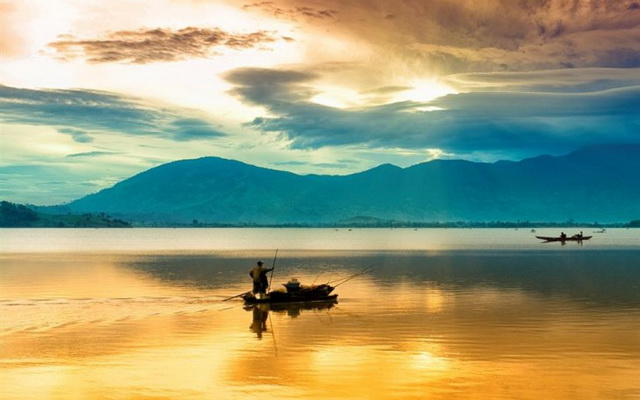
- Fishermen paddle dugout canoes silently, casting nets.
- Reflections of sunrise create pastel colors across the surface.
Evening tranquility
- Sunsets bathe the water in orange and gold.
- Children play along the shore while buffalo return from fields.
- The calm of dusk embodies the spirit of “slow life.
Activities that reflect the rhythm of slow life
Travelers to Lak Lake can enjoy activities that emphasize harmony with nature rather than speed.
Canoeing and boat rides
- Wooden dugout canoes rowed by locals.
- Peaceful paddling across calm waters.
- Opportunity to watch waterbirds and floating lotus flowers.
Elephant encounters
- Dak Lak is known for elephants, traditionally used by the M’nong.
- Ethical tours now focus on observation, feeding, and bathing elephants rather than heavy rides.
- These experiences highlight respect for both animals and traditions.
Cycling and trekking
- Paths around the lake pass through rice paddies and villages.
- Trekking into nearby forests reveals waterfalls and birdlife.

Experiencing M’nong culture in villages around Lak Lake
Life in Lak Lake is inseparable from the traditions of the M’nong people.
Homestays in stilt houses
- Visitors stay in wooden houses on stilts.
- Evenings are filled with local food, stories, and music.
- Hospitality emphasizes community and connection.
Traditional cuisine
- Cơm lam (bamboo sticky rice) roasted over fire.
- Grilled lake fish marinated with forest herbs.
- Can wine (rượu cần): rice wine drunk communally with bamboo straws.
Music and festivals
- Gongs, drums, and bamboo instruments create hypnotic rhythms.
- Festivals celebrate harvests, weddings, and spiritual rituals.
- Performances often include dances by firelight.

Photography and storytelling at Lak Lake
Lak Lake is a paradise for those who love visual storytelling.
Photographic highlights
- Misty mornings with fishermen.
- Elephants walking along the shore.
- Stilt houses mirrored in the water.
Storytelling moments
- Children riding bicycles on dirt paths.
- Women weaving or preparing food in front of stilt houses.
- The lake itself, changing mood with each hour of the day.

Practical travel tips for a slow-life journey at Lak Lake
To truly enjoy Lak Lake, travelers should plan for simplicity and patience.
How to get there
- From Buon Ma Thuot City: 1.5–2 hours by car or motorbike.
- Roads are scenic, passing coffee farms and small villages.
Best time to visit
- Dry season (Nov–Apr): Clear skies and pleasant weather.
- Rainy season (May–Oct): Lush landscapes, though some trails get muddy.
Where to stay
- Homestays in Jun or M’Lieng villages.
- Resorts near the lakeshore, blending comfort with nature.
Essentials to bring
- Comfortable walking shoes.
- Light jackets (cool evenings).
- Camera, binoculars, and eco-friendly toiletries.

Lak Lake as a symbol of slow life in Vietnam’s Central Highlands
More than just a tourist attraction, Lak Lake represents a philosophy of living in balance with nature and community. Travelers who come here discover that slowness is not idleness but awareness—of sunrise over water, of the laughter of children, of the taste of rice wine shared among friends.
Authentic lifestyle
- Life flows with the seasons rather than the clock.
Connection to nature
- Farming, fishing, and rituals are all tied to the lake’s cycles.
Lasting impressions
- Visitors leave with not just photographs but also a sense of peace.
Conclusion – Finding peace where time slows down
A journey to Lak Lake in Dak Lak is an invitation to step away from modern rush and embrace a slower rhythm. Here, elephants wander by the water, canoes glide through mist, and villagers welcome guests with warmth. The landscapes soothe the eyes, while the culture nourishes the soul.
For anyone longing to rediscover balance, Lak Lake offers the perfect retreat—a place where tradition endures, nature thrives, and life flows gently with the water.


